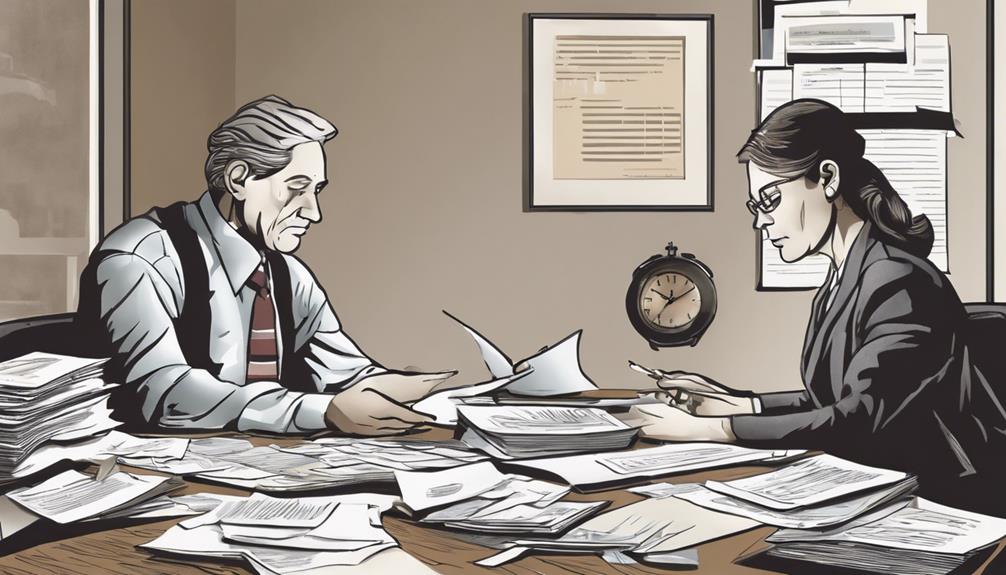

When you decide to tell your spouse you want a divorce, choose a calm, private moment free of distractions. Be clear and compassionate, expressing your feelings honestly while preparing for their reactions. Stay firm in your decision but empathetic to their response. Planning what to say ahead of time can help reduce anxiety and keep the conversation respectful. If you’re wondering how to approach this delicate topic, there’s more helpful guidance to contemplate.

Get gifts for the two of you delivered free with Prime
- Fast, free delivery on millions of items
- Prime Video, Amazon Music and more included
- Member-only deals all year
Key Takeaways
- Choose a calm, private moment to have an honest, compassionate conversation about ending the marriage.
- Prepare what to say and anticipate your spouse’s reactions with emotional and legal awareness.
- Clearly communicate your feelings and reasons while maintaining a respectful and firm tone.
- Be ready to listen, address concerns, and handle resistance with patience and empathy.
- Plan subsequent steps, including legal and logistical arrangements, with confidence and responsibility.
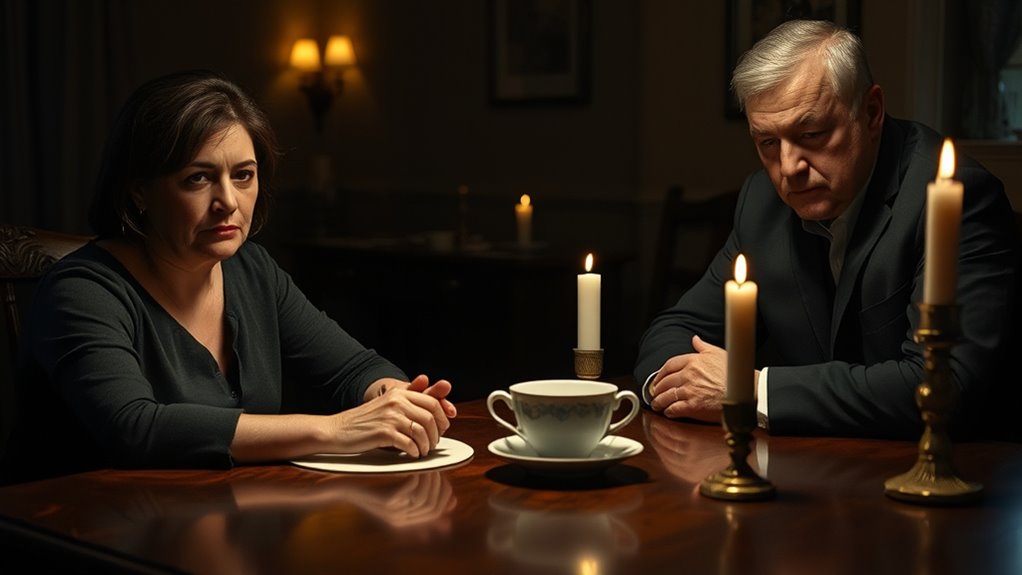
Have you been contemplating telling your spouse you want a divorce but feel unsure how to approach the conversation? It’s completely normal to feel overwhelmed or anxious about how to bring it up. Before you sit down to talk, it’s essential to focus on emotional preparedness. You need to be clear about your feelings and reasons for ending the marriage, but also be ready for a range of reactions from your spouse. Some may be upset, angry, or in denial, so preparing yourself emotionally helps you stay calm and compassionate during the conversation. Think about what you want to say in advance, and consider practicing with a trusted friend or counselor. Having a plan can reduce your anxiety and help you communicate more effectively.
At the same time, it’s wise to consider the legal considerations before initiating the conversation. While you don’t have to go into every detail right away, understanding your legal rights and responsibilities can shape how you approach the topic. For example, knowing whether you’re in a community property state or a separate property state can influence how assets are divided. If you’re worried about potential legal complications, consulting with an attorney beforehand can give you clarity. This doesn’t mean you’re making decisions just yet, but it allows you to approach the conversation with a better understanding of what might happen next. It’s also helpful to consider how to handle practical matters, such as living arrangements or finances, so you’re not caught off guard once you decide to move forward.
Timing is another key element. Find a moment when you and your spouse are relatively calm and unlikely to be interrupted. Avoid bringing up the divorce during a stressful event or when either of you is emotional or distracted. Instead, choose a private, neutral setting where you can speak honestly without feeling rushed. Remember, this conversation isn’t about delivering a verdict; it’s about sharing your feelings and intentions clearly and compassionately. Be prepared for questions or resistance, but stay firm in your decision. Keep in mind that emotional preparedness and understanding of legal considerations aren’t about rushing the process—they’re about empowering you to handle it thoughtfully and responsibly. By approaching the conversation with clarity and compassion, you increase the chances of a respectful dialogue, setting the stage for the next steps with awareness and confidence.
As an affiliate, we earn on qualifying purchases.
Frequently Asked Questions
How Can I Prepare Emotionally for This Conversation?
To prepare emotionally, focus on building emotional resilience and practicing self-care strategies. Stay grounded by acknowledging your feelings and giving yourself permission to feel upset or anxious. Develop a plan to manage stress, like deep breathing or journaling, and make sure you have support from friends, family, or a counselor. By caring for yourself and strengthening your emotional resilience, you’ll be better equipped to handle the conversation with clarity and strength.
What Should I Do if My Spouse Reacts Negatively?
If your spouse reacts negatively, stay calm and offer emotional reassurance through respectful communication. Acknowledge their feelings without argument, and give them space to process. It’s important to listen actively and avoid escalating the situation. Reassure them that your decision isn’t about blame but about your well-being. Keep your tone gentle, patient, and compassionate—this helps maintain respect and can ease their emotional response.
How Do I Handle Shared Finances During Divorce Talks?
Did you know that over 60% of couples struggle with shared finances during divorce talks? You should prioritize clear financial planning, gathering all account info, and understanding legal considerations. Open communication helps prevent misunderstandings, so discuss assets honestly and consider consulting a financial advisor or lawyer. Staying organized and transparent guarantees you protect your interests and make the process smoother for both of you.
When Is the Best Time to Have This Discussion?
You should choose a time when you feel emotionally ready and can have a calm, focused conversation. Timing considerations are key—avoid stressful times or moments of high tension. Pick a private, neutral setting where you won’t be interrupted. Make sure both of you have enough time to process the discussion. Being emotionally prepared helps you communicate clearly and handle your spouse’s reactions with compassion.
Should I Involve a Mediator or Counselor Beforehand?
You should consider involving a counselor or mediator beforehand, as they can offer valuable support and clarity. Counselor involvement helps you understand your feelings and prepares you emotionally. A mediator benefits both of you by facilitating respectful conversations and fair agreements. While it might seem intimidating, seeking professional guidance can ease the process, making the conversation healthier and more constructive. It’s a proactive step toward a smoother shift.
Conclusion
Ending a marriage is never easy, but being honest is key. Remember, nearly 60% of marriages that end in divorce do so after open, respectful conversations. While it may feel overwhelming now, approaching the conversation with kindness and clarity can help both of you move forward. Trust that with patience and understanding, you can navigate this difficult time and find a path toward healing and new beginnings.
Fall Picks
fall essentials
As an affiliate, we earn on qualifying purchases.