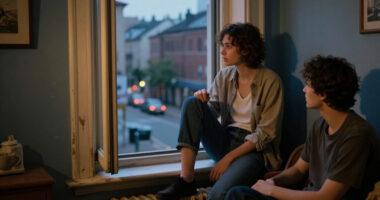
3 Thinking Habits That Often Drain 90 Percent Of Our Inner Peace And Potential

Marc and Angel Hack Life describes three thinking habits that may affect well-being, while offering reflective exercises. The article cites no measured 90% effect.

How Parents Can Help Children Practice Empathy In A Digital World

An Aflac-produced guide recommends modeling kindness, discussing scenarios, reading stories and practicing everyday acts to help children build empathy.

12 Mindful “Notes To Self” We Should All Memorize Before The End Of The Year

Marc and Angel Hack Life offers 12 “notes to self” for meeting the year-end’s varied experiences with acceptance, presence and self-kindness.

Struggle’s Silver Lining

In an essay republished by The Good Men Project, Justin Matley reflects on how stuttering shapes his choices and may foster empathy and reflection.

What Technology Can Not Replace In Therapy

The Gottman Institute argues that digital tools can support reflection, but therapists offer in-the-moment observation of couples’ interactions.

Some People Are So Used To Surviving That Peace Feels Unproductive

A Good Men Project essay examines why some people feel unsettled when they slow down, while noting the idea is reflective, not a diagnosis.

Psychology Suggests Being A Quitter Shouldn’t Be Shameful —The Ability To Abandon An Unreachable Goal Is Actually Mental And Physical Health Advantage

Research on goal disengagement links letting go of unattainable goals with lower distress and better quality of life, though health findings need context.
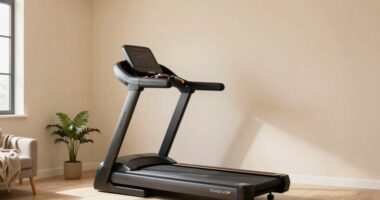
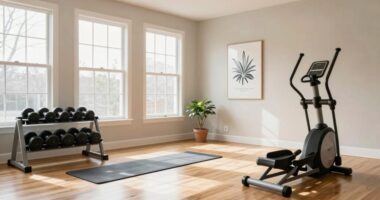
The Best Treadmill for Divorce Recovery at Home Can Help You Process Stress One Step at a Time

Compare 10 compact home treadmills for gentle, private movement during divorce recovery, with guidance on incline, storage, stability, and comfort.

The Best Home Gym for Starting Over After Divorce Makes Consistency Easier

Compare 10 home gym options for rebuilding a fitness routine after divorce, from compact resistance kits to a full weight-stack station.

Psychology Says The Feeling Of Being Born In The Wrong Era Is Almost Never About The Era. It’s About Your Body And Mind Asking For Less To React To, And The Past Being The Only Version Of Life It Knows That Had Less

A Bolde essay links nostalgia for a slower past to digital demands and selective memory, but the source does not establish a direct cause.