

In multi-state marriages, jurisdiction issues can impact custody, divorce, and property decisions. Your residency and where legal actions are filed influence the laws that apply, affecting outcomes like asset division and child custody. It’s crucial to understand each state’s laws and establish clear legal strategies early on. Proper planning can prevent future conflicts and ensure your rights are protected across state lines. If you want to learn more about steering these complexities effectively, there’s valuable information ahead.
Key Takeaways
- Determine the child’s residence over the past six months to establish jurisdiction in custody disputes.
- Specify which state’s laws govern prenuptial agreements to ensure enforceability across different jurisdictions.
- Understand how the state where divorce is filed affects property division and alimony outcomes.
- Maintain detailed records of residency, custody arrangements, and legal documents to support jurisdictional issues.
- Consult with family law attorneys experienced in multi-state matters to navigate legal complexities and enforce decisions.

When you’re married across multiple states, maneuvering jurisdiction issues can become complicated quickly. If you’re dealing with child custody, for example, understanding which state’s courts have authority can determine the outcome of custody arrangements and visitation rights. Generally, the state where the child has lived for the past six months holds jurisdiction over custody disputes, but complexities arise if you and your partner live in different states or plan to move. Courts will look at where the child’s best interests are served, which might involve considering stability, the child’s ties to each state, and the parents’ living situations. It’s essential to be proactive about establishing clear custody arrangements early on, especially when crossing state lines, to avoid future legal conflicts. Additionally, understanding jurisdictional rules can help ensure that your legal actions are appropriately filed and recognized across state boundaries.
Married across states? Establish custody early to avoid jurisdiction conflicts and protect your child’s best interests.
Prenuptial agreements add another layer to jurisdiction issues. When you and your spouse sign a prenup, it’s crucial to specify which state’s laws will govern the agreement, especially if you anticipate moving or living in different states. Some states enforce prenups rigorously, while others may scrutinize them more closely, especially if fairness or disclosure was lacking. If a dispute arises, courts will typically look to the jurisdiction specified in the agreement, but they also consider the state’s laws at the time of enforcement. That’s why working with legal professionals familiar with multi-state issues is vital to drafting a prenup that’s enforceable across jurisdictions.
You also need to be aware that jurisdiction questions aren’t limited to custody and prenuptial agreements. Divorce proceedings, property division, and alimony can all be affected by where you file and which state’s courts have jurisdiction. Some states follow community property laws, while others use equitable distribution, impacting how assets are divided. If you move after marriage or divorce, you might find yourself caught between different state laws, so understanding jurisdictional boundaries before taking legal steps is critical.
To navigate these issues successfully, always keep detailed records of your residency, custody arrangements, and agreements. Consider consulting with attorneys experienced in multi-state family law—they can help you draft documents that anticipate jurisdictional challenges. Establishing clear legal foundations early on minimizes surprises when it’s time to make custody, divorce, or financial decisions. Navigating jurisdiction issues in multi-state marriages isn’t straightforward, but with proper planning and legal guidance, you can protect your interests and ensure smoother resolutions across state lines.

My Family Estate Legal Document Kit (includes Last Will and Testament, Health Care Proxy, and Legal Power of Attorney)
Simplify Document Creation: This kit demystifies essential family document creation
As an affiliate, we earn on qualifying purchases.
As an affiliate, we earn on qualifying purchases.
Frequently Asked Questions
How Does Jurisdiction Affect Divorce Proceedings in Multi-State Marriages?
Jurisdiction impacts your divorce proceedings because it determines where you can file based on marriage validity and residency requirements. If you don’t meet the residency rules of a state, you might need to file in the state where your marriage was valid or where you currently reside. This affects how quickly your divorce is processed and which laws apply, so understanding jurisdiction helps guarantee your case moves smoothly.
Can Jurisdiction Disputes Impact Child Custody Arrangements?
Did you know that 60% of custody disputes involve jurisdiction conflicts? Jurisdiction disputes can profoundly impact your child custody arrangements, especially regarding custody enforcement and visitation rights. When courts disagree on which state has authority, it can delay enforcement of custody orders, complicate visitation schedules, and create emotional stress for families. Resolving jurisdiction issues quickly helps guarantee your child’s safety, stability, and consistent access to both parents.
What Legal Documents Are Needed to Establish Jurisdiction?
You’ll need legal documents like marriage certificates and custody agreements to establish jurisdiction. Marital agreements can clarify jurisdictional challenges upfront, reducing disputes later. Make sure to file relevant documents with the appropriate family court in the state where you or your spouse reside. These steps help guarantee your custody and divorce arrangements are recognized across states, minimizing jurisdictional conflicts and making legal processes smoother for both of you.
How Are Property Rights Determined Across State Lines?
Think of your property rights as a river flowing across state lines. You determine these rights through estate planning, ensuring your assets are protected and allocated properly. Inheritance rights vary by state, so it’s vital to understand each jurisdiction’s laws. You should consult legal experts to create an extensive plan, preventing disputes and making sure your property moves seamlessly, regardless of where you or your assets are located.
What Happens if Spouses Live in Different States During Separation?
If you and your spouse live in different states during separation, your residency requirements and state-specific laws establish your legal rights. Usually, the state where you reside during separation has jurisdiction over divorce proceedings, property division, and custody. You should check each state’s residency rules, which often require living there for a certain period. This ensures your legal matters are handled correctly and according to local laws.
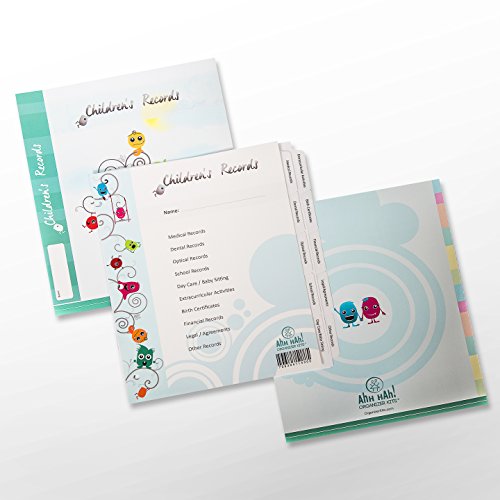
Ahh Hah! Organizer Kit for Children Records: for Use in a Three-Ring Binder
Tabs Include:
As an affiliate, we earn on qualifying purchases.
As an affiliate, we earn on qualifying purchases.
Conclusion
Charting jurisdiction issues in multi-state marriages can feel like charting a course through uncharted waters. While the legal landscape may seem complex, understanding the nuances helps you steer smoothly. Embrace these challenges as opportunities to strengthen your relationship’s foundation. With patience and awareness, you can turn potential obstacles into stepping stones, ensuring your journey together remains harmonious and resilient across state lines. Remember, every challenge is a gentle invitation to grow closer and more united.

Premarital Agreements: Drafting and Negotiation, Third Edition
As an affiliate, we earn on qualifying purchases.
As an affiliate, we earn on qualifying purchases.

2026 Marital Settlement Agreement Comprehensive Package – Legal Forms for Divorce, Property Division, Spousal & Child Support – Smart Guided Format DIY Kit
PROFESSIONALLY DESIGNED & STRUCTURED: Created with precision and professional standards, providing you with a reliable and legally-sound framework…
As an affiliate, we earn on qualifying purchases.
As an affiliate, we earn on qualifying purchases.