
When one parent moves away, you can support your child by maintaining open, honest, and age-appropriate communication, reassuring them of your love and stability. Keep routines consistent across households and encourage the child to express their feelings. Focus on the child’s best interests, involving them gently in conversations, and ensuring they feel secure and loved. For more ways to help your child adjust smoothly, explore the detailed strategies ahead.
Key Takeaways
- Communicate openly and honestly, reassuring the child of both parents’ love and ongoing relationship.
- Maintain consistent routines and expectations across both households to reduce anxiety.
- Encourage children to express their feelings and listen actively to their concerns.
- Use regular contact methods like calls or video chats to strengthen emotional bonds.
- Handle disagreements privately and focus on the child’s best interests to provide stability and support.

When one parent moves away, it can be a confusing and emotional experience for children. They might feel a mix of sadness, anger, or even guilt, unsure of what’s happening or why their family is changing. As someone invested in their well-being, your goal is to help them navigate these feelings and maintain a sense of stability. One of the most effective ways to do this is by implementing strong coparenting strategies that focus on communicating effectively. Open, honest, and age-appropriate communication reassures children that both parents love them and are committed to their happiness, even if they’re no longer living in the same house.
Moving apart can be confusing for children; clear, loving communication helps them feel secure and supported.
You should prioritize consistency and clarity when talking to your child about the move. Avoid negative talk about the other parent, as this can create confusion or resentment. Instead, present the situation in a way that emphasizes the child’s relationship with both parents, reassuring them that the move doesn’t change how much they are loved. Developing coparenting strategies that foster cooperation is critical. This means working together to establish routines, rules, and expectations that are consistent across households. When kids see that both parents are on the same page, it helps reduce anxiety and provides a sense of normalcy amid change.
Effective communication is key. Make sure you’re listening actively to your child’s concerns and questions, validating their feelings without dismissiveness. Encourage them to express themselves and reassure them that their feelings are normal and understandable. Regular, predictable contact with the parent who’s moved away is also essential. Whether through video calls, phone conversations, or even written messages, these interactions help children feel connected and loved, reinforcing the bond with both parents. Additionally, incorporating emotional support strategies such as encouraging expression of feelings can significantly aid their adjustment process.
In your coparenting efforts, be transparent about the logistics of the new arrangement while keeping the child’s best interests at the forefront. If disagreements arise, handle them privately and avoid involving the child, as this can cause confusion or feelings of divided loyalty. Consistency in discipline, routines, and communication helps children adjust more smoothly, making the transition less jarring. Remember, your role isn’t just to inform but to provide emotional support and reassurance. By communicating effectively and fostering cooperative coparenting strategies, you help your child feel secure, loved, and supported, regardless of the physical distance.
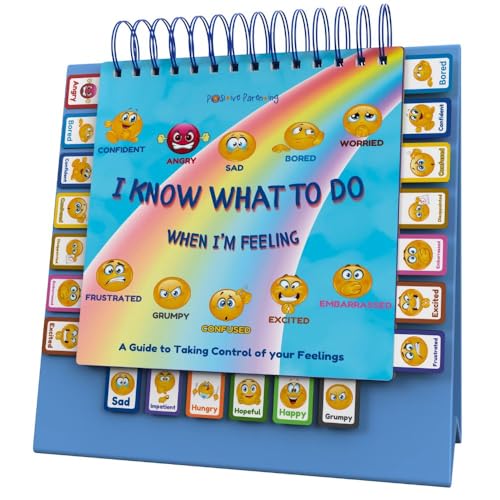
Thought-Spot I Know What to Do Flipbook | Emotions Wheel & Feelings Chart | Emotional Regulation Tool for Home, Class, or Calm Down Corner | Helps Kids Learn Coping Skills | Autism Must-Have
- Age Range: Suitable for children ages 3–5
- Emotional Recognition: Helps kids identify and name feelings
- Builds Emotional Vocabulary: Enhances communication skills
As an affiliate, we earn on qualifying purchases.
As an affiliate, we earn on qualifying purchases.
Frequently Asked Questions
How Can I Help My Child Cope Emotionally With the Separation?
You can help your child cope emotionally by fostering emotional resilience through open, honest conversations about their feelings. Offer comforting routines that provide stability and security, like regular activities or special traditions. Encourage them to express their emotions and reassure them of your love and support. By creating a safe environment and maintaining consistency, you help your child process the separation and build resilience over time.
What Should I Do if My Child Refuses to Communicate With the Absent Parent?
If your child refuses to communicate with the absent parent, don’t force it—this could turn into a colossal battle of wills. Instead, set gentle parental boundaries that respect their feelings, and focus on providing unwavering emotional support. Encourage open dialogue when they’re ready, and reassure them it’s okay to feel upset. Over time, patience helps rebuild trust, guiding your child toward healthier communication at their own pace.
How Can I Maintain a Strong Relationship Between My Child and the Distant Parent?
You can maintain a strong relationship by building trust through consistent communication and honesty. Encourage regular contact through calls or video chats, and create routines around these interactions so your child knows what to expect. Be supportive and positive about the distant parent, fostering a sense of stability. This approach helps your child feel secure, connected, and confident in their relationship with both parents, even from afar.
What Legal Rights Do I Have Regarding Custody and Visitation?
You have the right to seek custody arrangements that prioritize your child’s best interests. Consult a family law attorney for legal advocacy, ensuring your rights are protected. Courts consider factors like stability and the child’s wellbeing when determining visitation. You can petition for custody or modify existing arrangements if circumstances change. Staying informed and actively participating in legal processes helps you secure a stable environment for your child.
How Do I Explain the Situation to My Child in an Age-Appropriate Way?
You should focus on honest communication by explaining the situation with age-appropriate explanations. Use simple words, keep it positive, and reassure your child that they’re loved. Let them ask questions and answer honestly without overwhelming them. Keep the conversation open, and remind them it’s okay to feel upset. Your honesty helps your child understand and feel secure, even when things change.
Conclusion
When one parent moves away, your support makes all the difference. Keep communication open, listen to their feelings, and reassure them of your love. For example, imagine a child feeling lonely after a parent’s move—regular video calls and shared activities can help bridge the distance. Your consistent presence and understanding create a safe space where children feel valued and loved, helping them adjust and thrive despite the change.