
To help children navigate new partners and blended families, communicate honestly and with patience, setting clear routines that stay consistent. Introduce new family members gradually, choosing neutral settings for initial meetings, and emphasize love and security throughout the process. Keep open lines of dialogue, validate your child’s feelings, and be flexible as trust builds over time. If you’re interested, you’ll discover more strategies to create a stable, supportive environment for everyone involved.
Key Takeaways
- Communicate openly with children about family changes, emphasizing love and security.
- Introduce new partners gradually in neutral settings to build trust over time.
- Maintain consistent routines and rules to provide stability amid family transitions.
- Validate children’s feelings and listen attentively to their concerns about new family dynamics.
- Reassure children that their relationship with both parents remains important and unaffected.

When a new partner enters your child’s life, it can be both exciting and challenging for everyone involved. Your child may feel a whirlwind of emotions—curiosity, confusion, or even insecurity—so it’s crucial to approach this transition with care. One of the most effective ways to help your child adjust is by implementing solid co parenting strategies. These strategies focus on creating consistency, clear communication, and united decision-making, which provide your child with stability during this period of change. When you and your ex-partner work together harmoniously, your child senses that their well-being remains a priority, regardless of new relationships. Keep routines predictable and avoid making sudden changes, as stability helps your child feel safe. It’s also helpful to have open conversations, age-appropriate, about the new family dynamics, so your child understands what’s happening and feels included rather than sidelined.
Alongside co parenting strategies, emotional adjustment techniques are crucial. You want to foster an environment where your child feels heard and supported. Encourage them to express their feelings openly, and validate those emotions without judgment. This helps your child process their reactions and reduces confusion or resentment. When your child shares concerns or fears, listen attentively and reassure them that their feelings are normal. It’s also beneficial to set aside special one-on-one time with your child, which reinforces your support and strengthens your bond. This dedicated time allows you to check in on how they’re adjusting emotionally and provides an opportunity to address any worries they might have. Understanding family dynamics and how they influence a child’s perception can further guide your approach.
Introducing a new partner should be gradual and sensitive. Before your partner becomes a regular presence, prepare your child by discussing the new relationship in a positive but honest way. When the time comes, arrange initial meetings in neutral settings where your child can observe interactions naturally. Avoid forcing closeness; instead, let relationships develop at their own pace. Throughout this process, maintain consistency in your parenting approach, so your child knows what to expect. Reinforce the message that they are loved and secure, regardless of changes around them. Remember, patience is key—building trust and comfort takes time. If you encounter resistance or emotional setbacks, revisit your co parenting strategies and emotional adjustment techniques, adjusting as needed to meet your child’s evolving needs. Your proactive efforts to foster a stable, supportive environment will help your child navigate these changes with resilience and confidence.
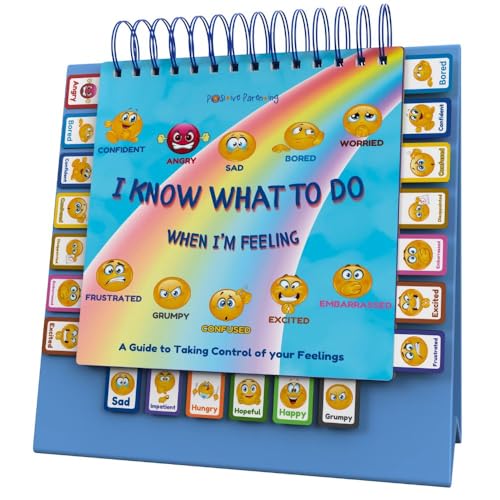
Thought-Spot I Know What to Do Flipbook | Emotions Wheel & Feelings Chart | Emotional Regulation Tool for Home, Class, or Calm Down Corner | Helps Kids Learn Coping Skills | Autism Must-Have
- Age Range: Suitable for children ages 3–5
- Emotional Recognition: Helps kids identify and name feelings
- Builds Emotional Vocabulary: Enhances communication skills
As an affiliate, we earn on qualifying purchases.
As an affiliate, we earn on qualifying purchases.
Frequently Asked Questions
How Can I Reassure My Child During Family Transitions?
To reassure your child during family shifts, acknowledge their feelings openly and provide consistent emotional support. Let them know it’s okay to feel upset or confused, and reassure them of your love and stability. Spend quality time together, listen actively, and answer their questions honestly. Your reassurance helps them feel secure, and showing empathy demonstrates you understand their emotional needs, making the transition easier for your child.
What Are Signs My Child Is Struggling With Blended Family Dynamics?
You’ll notice signs like emotional withdrawal or behavioral changes when your child struggles with blended family dynamics. They might become more withdrawn, avoid family activities, or act out unexpectedly. You may see increased irritability, mood swings, or a loss of interest in things they used to enjoy. These signs indicate they’re processing complex feelings. Keep open communication, offer reassurance, and seek support if needed to help them adjust better.
How Should I Introduce My New Partner to My Children?
When introducing your new partner to your children, do it gradually. Start by explaining new routines and how your partner will be part of your lives, making it clear and positive. Just like introducing pets, keep the first meeting relaxed and informal. Allow your children to express their feelings and ask questions. Over time, build trust by having your partner participate in shared activities, helping everyone adjust comfortably.
What Activities Promote Bonding in Blended Families?
Fostering a warm connection begins with simple, shared activities. You can boost bonding through family game nights, where everyone laughs and collaborates, or by exploring shared hobbies that excite everyone. These activities create positive memories and build trust naturally. By consistently engaging in these fun, collaborative experiences, you help your blended family grow closer, making new relationships feel like a genuine part of the family fabric.
How Do I Handle Conflicts Between Step-Siblings?
You should address conflicts between step-siblings by establishing clear shared boundaries and encouraging open communication. When rivalry arises, listen to each child’s perspective and promote empathy. Reinforce that everyone’s feelings are valid, and create fair rules to prevent favoritism. By fostering respect and understanding, you help reduce tension, allowing step-siblings to build a positive relationship over time. Consistently reinforce these boundaries to promote harmony and cooperation.
Conclusion
Remember, patience and open communication are key. Imagine Sarah, a mom who introduced her new partner gradually, allowing her children to adjust at their own pace. Over time, her kids grew comfortable and even bonded with him. By creating a safe space for feelings and fostering trust, you help your children embrace change. Your support and understanding turn a potentially difficult shift into a positive new chapter for everyone involved.