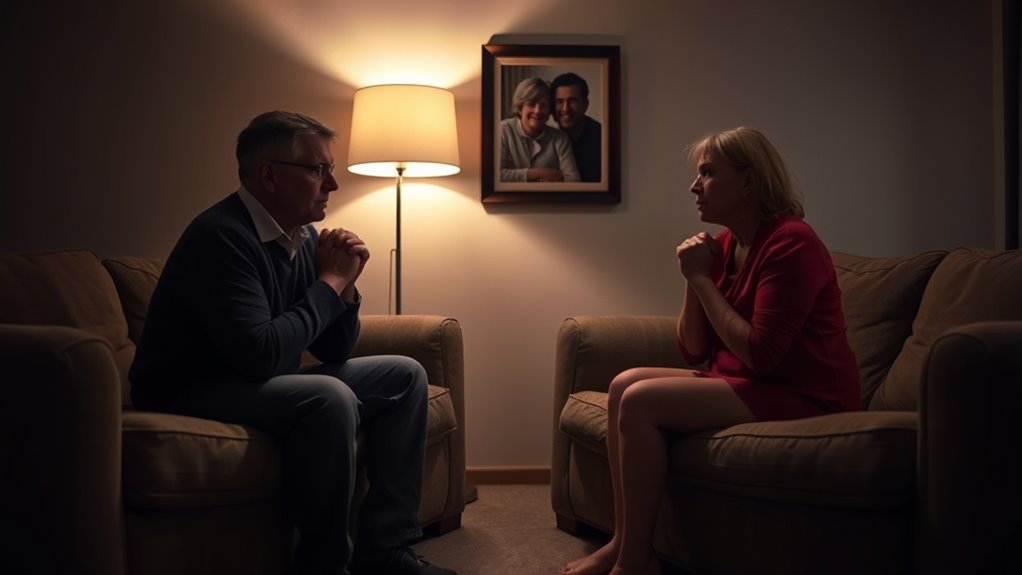

Deciding whether to try counseling or face divorce depends on how willing you are to address your issues early. Counseling can be effective, especially if you seek help within the first few years, and many couples see significant progress after a few sessions. However, if deep-rooted problems like incompatible goals persist, divorce may become inevitable. Acting sooner gives you the best chance to save your relationship or make an informed decision about your future—keep exploring to find out more.

Get gifts for the two of you delivered free — and shop member deals
- Fast, free delivery on millions of items
- Access to Prime Big Deal Days deals on October 6–7
- Prime Video, Amazon Music and more included
Key Takeaways
- Early counseling (within a few years) offers a significant chance to improve or save the marriage.
- About 70% of couples benefit from therapy, making it a worthwhile first step before considering divorce.
- Counseling can help clarify relationship issues and whether reconciliation or separation is the best path.
- Deep-rooted incompatibilities may limit counseling’s effectiveness, but it still aids informed decision-making.
- Short-term therapy (5-10 sessions) can provide emotional clarity, potentially delaying or preventing divorce.

Have you ever wondered whether couples can save their relationship before choosing divorce? The truth is, counseling can be surprisingly effective if you’re willing to commit and communicate openly. About 70% of couples benefit from marriage counseling when they genuinely engage in the process. When you’re motivated to improve, therapies like Emotionally Focused Therapy (EFT) show success rates of around 70-73%, helping partners reconnect emotionally and resolve conflicts. Most clients report feeling better emotionally after counseling, which often leads to improved communication and conflict resolution—key factors in preventing impulsive divorce decisions. Even if fundamental incompatibilities remain, counseling can facilitate amicable endings, ensuring relationships close on respectful terms rather than bitter battles.
Timing is vital. Many couples wait around six years after their issues start before seeking help, which diminishes counseling’s potential. The sooner you address problems—ideally within the first few years—the better your chances of turning things around. Typically, couples see meaningful results within five to ten sessions, usually over one or two months of weekly meetings. On average, about 12 sessions suffice, with over 65% completing therapy within 20 sessions. Short-term counseling, lasting just two to three months, can be highly effective, even when distress runs deep. However, about one-third of couples discontinue therapy early, often due to relationship damage or waning motivation, which can limit outcomes.
It’s also important to recognize that some couples drop out after just three or four sessions, sometimes heading toward divorce soon after. Counseling doesn’t guarantee to prevent separation, especially if deep-rooted issues like incompatible life goals remain unresolved. But it often helps couples make more informed, mutual decisions—whether to stay together or part ways—by fostering better understanding and emotional bonds. Earlier intervention tends to lower the risk of divorce, emphasizing the importance of seeking help sooner rather than later. Research shows that early intervention significantly increases the likelihood of saving a marriage or reaching a constructive resolution. Additionally, understanding the different therapy approaches and their effectiveness can help couples choose the most suitable path.
Different therapy approaches—like Behavioral Marital Therapy, Cognitive Behavioral Therapy, and EFT—have been shown to profoundly reduce distress and improve relationships. The success of therapy hinges on feeling understood and supported by your therapist, as well as tailoring treatment to your unique relationship dynamics. Combining couples and individual counseling can sometimes boost outcomes, especially when personal issues influence the relationship. Overall, counseling offers a realistic chance to save a marriage, delay separation, or at least clarify the best path forward—if you’re willing to invest the effort early on.
As an affiliate, we earn on qualifying purchases.
Frequently Asked Questions
How Do I Know if Counseling Is Worth Trying?
You should try counseling if you’re both willing to work on your relationship and see potential for improvement. If you notice positive changes after a few sessions, like better communication or emotional well-being, it’s worth continuing. Counseling often offers long-term benefits and helps you gain clarity about your future, whether that means staying together or parting ways. It’s a proactive step to understanding your relationship’s true potential.
What Are Signs My Marriage Is Beyond Repair?
If your marriage feels beyond repair, you’ll notice persistent communication breakdowns, emotional distance, and a lack of intimacy that no longer bring you joy. You might feel constantly criticized or disrespected, with cycles of unresolved conflicts and repeated betrayals like infidelity. When efforts to reconnect or seek help are ignored, and resentment dominates your interactions, it’s a clear sign that the relationship might be beyond salvage, making divorce a serious consideration.
Can Counseling Prevent Divorce in All Cases?
Counseling can’t prevent divorce in all cases. While it often improves communication, reduces distress, and helps couples understand their issues, fundamental incompatibilities, infidelity, or major betrayals may still lead to separation. If both partners are motivated and seek early intervention, there’s a higher chance of success. However, in situations of deep incompatibility or unresolved major issues, counseling may not be enough to save the marriage.
How Long Should I Try Counseling Before Deciding?
You should try counseling for about 3 to 6 months, typically around 5-10 sessions, to assess progress. If you see improvements in communication and emotional well-being, continue. However, if there’s little change after this period, or if core issues remain unresolved, it might be time to contemplate other options. Stay committed and open, but also recognize when enough effort has been made to make an informed decision.
What Alternative Options Exist Besides Counseling and Divorce?
Think of your relationship as a garden needing different care. Besides counseling and divorce, you can pursue legal separation, which lets you live apart without ending your marriage, or consider annulment if your marriage qualifies. Mediation offers a peaceful way to settle disputes over assets and custody, often at a lower cost. These options help you explore solutions that might preserve your relationship or ease your progression without jumping straight to divorce.
Conclusion
Deciding between counseling and divorce isn’t easy, but remember, about 70% of couples who try therapy report improved communication and satisfaction. If you’re willing to put in the effort, counseling can often save your relationship and strengthen your bond. However, if your partner isn’t committed or issues persist, separation might be the healthier choice. Trust your instincts, explore all options, and prioritize your well-being—you deserve a relationship that truly makes you happy.
Fall Picks
fall essentials
As an affiliate, we earn on qualifying purchases.