To value and divide jewelry and luxury items fairly, you should start with a professional appraisal that considers market comparisons, authenticity, condition, and materials. Factors like brand, rarity, and provenance also impact worth. Using accurate evaluations helps guarantee an equitable division, whether through buyouts or shared ownership. Market trends and current demand influence prices, so understanding these details makes the process smoother. Exploring these key aspects further will help you navigate this complex task confidently.
Prime for Young Adults — start your free trial
Fast free delivery, streaming and member deals for eligible 18–24 year olds.
As an affiliate, we earn on qualifying purchases.
Key Takeaways
- Conduct professional appraisals using market comparison, considering brand, rarity, condition, and materials for accurate valuation.
- Verify authenticity and condition through certified experts and documentation to ensure fair division.
- Gather detailed information and market data to facilitate equitable division and transparent negotiations.
- Use buyouts or mediation strategies to resolve emotional or logistical challenges in dividing luxury items.
- Consider current market demand, trends, and material value to determine fair sale prices and division methods.
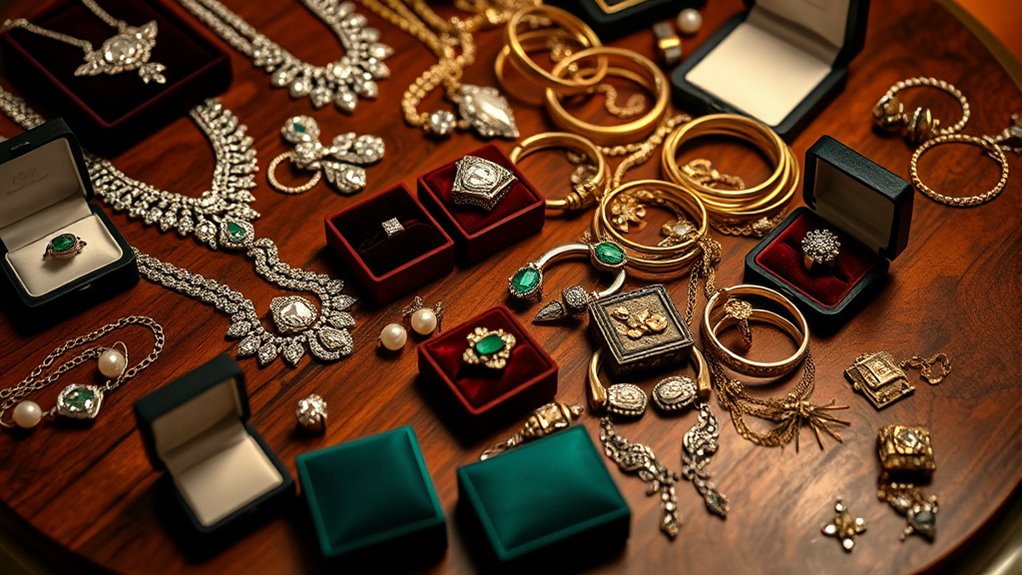
Are you unsure how to accurately value and fairly divide jewelry and luxury items during a separation or estate settlement? Navigating the valuation process can seem overwhelming, but understanding the key methods and factors involved helps guarantee a fair split. First, the most common approach is the market comparison method. This involves analyzing recent sales of similar pieces—whether from auction results, retail transactions, or online marketplaces—and adjusting for differences like brand, rarity, condition, and materials. By doing so, you get a realistic estimate of each item’s current market value.
Another method, though less frequently used for jewelry, is the income approach. This considers items that generate income, such as rental or display fees, and values them based on projected earnings. However, since most jewelry and luxury goods don’t produce income, this approach is typically reserved for specialized items. The cost-based approach, which estimates value based on production or replacement costs, is rarely applied because it often undervalues unique or handcrafted pieces—especially those with artistic or historical significance. For most jewelry, a professional appraisal is essential. An appraiser uses industry databases, historical pricing, and market trends to generate an accurate valuation. They also verify authenticity and condition, which are key drivers of value.
Authenticity is indispensable, particularly for high-end pieces. Third-party authentication specialists or tools confirm provenance, condition, and authenticity, safeguarding against counterfeits and ensuring your items’ true worth. When evaluating value, consider the brand and rarity—limited editions or renowned designers typically command premium prices. The condition also matters: well-maintained items with minimal wear, original packaging, and certificates of authenticity fetch higher prices. Materials like precious metals and gemstones—especially when cut, clarity, color, and carat weight are ideal—significantly influence value. Provenance, including documented ownership history and receipts, further bolsters an item’s marketability and worth. Additionally, understanding the current market demand and liquidity of items is crucial, as these factors directly impact how quickly and at what price your items can be sold or divided.
The appraisal process begins with gathering detailed information about each piece—brand, model, materials, purchase history, and condition. Experts may assess items in person or through high-quality images if remote. Market research, referencing sales data and auction results, helps establish realistic values. During this process, appraisers verify authenticity and note any damages, repairs, or missing components like original boxes or papers. They then compile a formal report, explaining their methodology, comparables, and final valuation. This report becomes essential for equitable division, loans, or insurance purposes.
Dividing jewelry and luxury items presents challenges like emotional attachment, liquidity issues, authenticity disputes, and market volatility. To address these, professional mediation and certified appraisals help guarantee fairness. Strategies like buyouts, where one party compensates the other for their share, can also facilitate an equitable split. By understanding valuation methods and key drivers, you can approach the division process with confidence and clarity.
professional jewelry appraisal service
As an affiliate, we earn on qualifying purchases.
As an affiliate, we earn on qualifying purchases.
Frequently Asked Questions
How Do Market Fluctuations Affect Jewelry Valuation Over Time?
Market fluctuations directly impact your jewelry valuation over time by causing changes in raw material prices like gold and diamonds. When prices rise, your jewelry’s value increases, but if they fall, so does its worth. You need to stay aware of market trends, maintain professional appraisals, and consider diversification to protect your assets from volatility. Regular updates guarantee your jewelry’s value reflects current market conditions, helping you make informed decisions.
What Legal Considerations Are Involved in Dividing Luxury Items?
When dividing luxury items, you must consider whether they’re classified as marital or separate property, based on ownership, timing, and funding. You’ll need clear documentation and possibly professional appraisals to establish value. State laws—community property or equitable distribution—affect how assets are split. Negotiations, mediation, or court orders may come into play, especially for unique or high-value items, so legal counsel is highly recommended to navigate these considerations effectively.
How Can I Ensure an Unbiased Appraisal of My Jewelry?
To guarantee an unbiased appraisal, you should choose an appraiser certified by reputable organizations like the ASA, ISA, or GIA. Make sure they’re independent and not affiliated with jewelry stores. Verify their experience with your type of jewelry, and confirm they follow strict ethical standards. Ask about their professional memberships to gauge credibility. Clear communication and requesting a detailed report will also help you trust the valuation process.
Are There Specific Tax Implications When Gifting Divided Jewelry?
Did you know that over $1 trillion in gift taxes are paid worldwide annually? When you gift divided jewelry, you must file a gift tax return if its value exceeds the annual exclusion amount—$19,000 in 2025. Spouses can split gifts to maximize exclusions, but both must consent and report. The gift’s value impacts potential tax liability, with rates from 18% to 40% on amounts over the limit.
What Are the Best Practices for Documenting Jewelry Divisions?
You should keep detailed records of each jewelry division, including photographs, descriptions, and appraisals. Attach certificates of authenticity and market value reports. Store all documents securely, both physically and digitally, with access controls and backups. Clearly document the division process, noting who received what, and make sure everything is transparent and compliant with legal standards. This way, you protect your interests and simplify future disputes or valuations.
Conclusion
When it comes to valuing and dividing jewelry and luxury items, accuracy is your ultimate weapon—nothing less than perfection will do. Remember, a fair split can feel like trying to untangle a mountain of gold threads, but with patience and the right approach, you can avoid chaos and ensure everyone walks away satisfied. Trust the process, stay informed, and you’ll turn what seems like an impossible puzzle into a perfectly balanced masterpiece.
Fall yard work Picks
leaf blowers
As an affiliate, we earn on qualifying purchases.