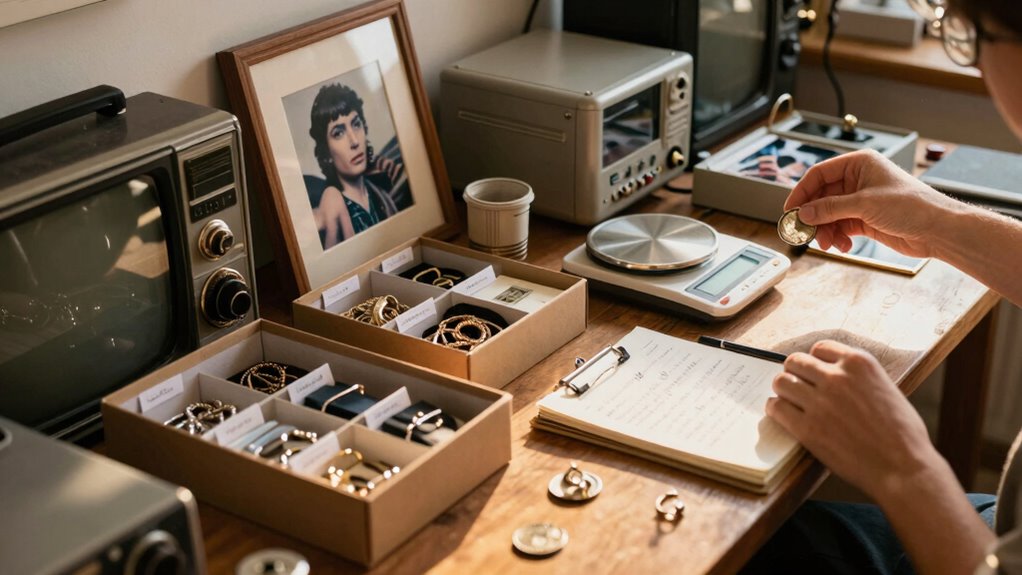

To fund a fresh start by selling your unwanted items, start by setting clear goals and knowing your personal budget. Be honest about your emotional attachments and focus on items that will help you reach your financial targets efficiently. Take quality photos, write honest descriptions, and research market trends to price items well. Stay patient and avoid impulsive buys or sales, and remember that balancing emotion with strategy leads to a stronger beginning—discover more techniques to make it all work smoothly.

Get gifts for the two of you delivered free — and shop member deals
- Fast, free delivery on millions of items
- Access to Prime Big Deal Days deals on October 6–7
- Prime Video, Amazon Music and more included
Key Takeaways
- Set clear financial goals and prioritize items that will efficiently help achieve them.
- Be honest about emotional attachments and assess if selling benefits your growth.
- Present items with high-quality photos and accurate descriptions to attract buyers.
- Research market trends to price items competitively and increase sale success.
- Approach buying new items with patience, ensuring they offer better value and align with your goals.
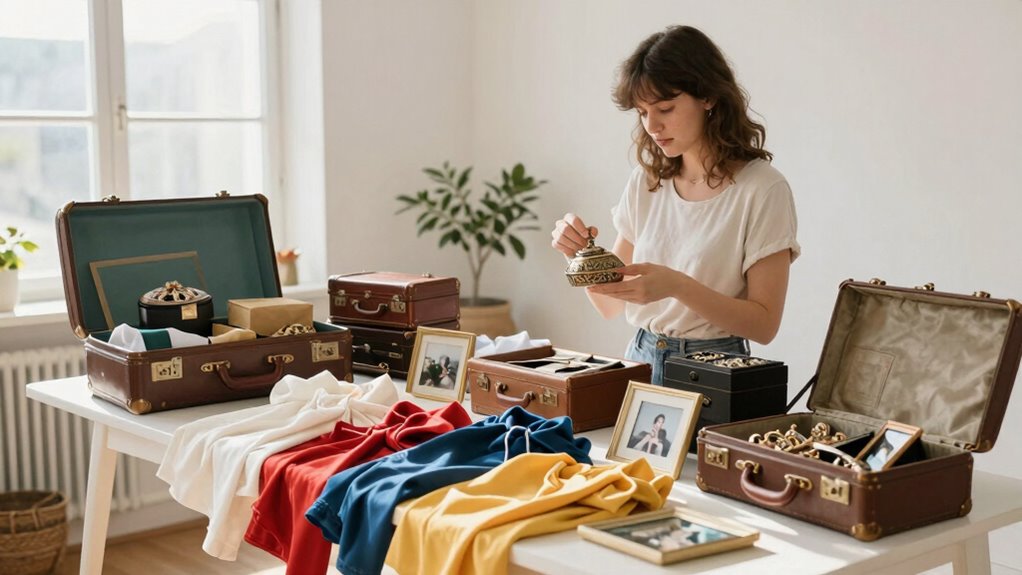
When you’re ready for a fresh start, selling your unwanted items can be an effective way to raise the funds you need. It’s a practical step that can help you gain financial momentum while decluttering your space. Before diving in, it’s important to think about your personal budgeting. Knowing exactly how much you need helps you set clear goals and avoid overselling or underselling your belongings. Take stock of your finances and determine a target amount, so you can focus your efforts on items that will get you there efficiently. This planning not only helps you stay organized but also guarantees you’re making strategic decisions about what to sell.
As you evaluate your possessions, it’s vital to take into account any emotional attachment you might have. Many items hold sentimental value, making it difficult to part with them, even if they’re no longer useful. Recognize these feelings, but don’t let them cloud your judgment. Ask yourself if keeping an item truly benefits your current life or if it’s just holding you back from your goals. Sometimes, the emotional weight attached to certain belongings can hinder your progress, so be honest with yourself about what’s worth letting go. Remember, selling items isn’t just about clearing space; it’s about creating room for new opportunities and breast cancer symptoms, and fresh experiences.
When you’re listing your items, focus on presenting them clearly and honestly. Take good quality photos, write accurate descriptions, and set fair prices — this will help attract the right buyers and speed up the process. Don’t be afraid to do some research to see what similar items are selling for, ensuring you price competitively. As you proceed, keep your personal budgeting in mind; if an item doesn’t meet your minimum price threshold, consider holding onto it or exploring alternative ways to sell it. Staying focused on your financial goals helps prevent emotional spending or impulsive decisions that could derail your plans.
Additionally, understanding contrast ratio can help you evaluate the quality of potential purchases if you plan to buy replacement items, ensuring your new investments provide better value. Approach the selling process with patience and a positive mindset. It may take time to reach your target amount, but every item sold gets you closer to your new beginning. Be prepared for some emotional moments, especially with items that carry special memories. Recognize that emotional attachment can sometimes influence your decision-making, so it’s helpful to stay mindful of your motivations. Remember, parting with belongings can be freeing and empowering, especially when it paves the way for growth. Incorporating marketplace trends can also help you understand current demand and pricing strategies, increasing your chances of a successful sale. Being aware of essential oils for specific health concerns can also motivate you to focus on items that support your well-being during this transition. By balancing personal budgeting with awareness of emotional attachment, you can navigate the sale process thoughtfully and confidently, making your fresh start both successful and meaningful.
high quality smartphone photos for selling
As an affiliate, we earn on qualifying purchases.
As an affiliate, we earn on qualifying purchases.
Frequently Asked Questions
How Do I Determine the Value of My Items for Sale?
To determine your items’ value, start with research on similar products to set realistic prices. Use pricing strategies like competitive pricing or value-based pricing based on item condition. Consider valuation tips such as evaluating wear and tear, rarity, and demand. You can also check online marketplaces or consult professionals for appraisals. This approach guarantees you price items fairly, helping you sell efficiently and fund your fresh start confidently.
Are There Legal Restrictions on Selling Certain Personal Items?
Think of selling personal items like steering through a maze—there are legal considerations and privacy concerns to watch out for. You can’t sell stolen goods or items protected by copyright, and certain personal documents or sensitive materials might be illegal to sell. Always research local laws and regulations, and consider consulting a legal expert to avoid unintended violations. Staying informed helps protect your privacy and guarantees a smooth sale.
What Are the Best Platforms to Sell Used Items Quickly?
You should use platforms like eBay, Facebook Marketplace, or OfferUp for quick sales. To maximize your success, apply pricing strategies like setting competitive prices or offering bundle deals. Be clear about shipping options—either include shipping in the price or specify buyer-paid shipping. Fast responses and good photos also help. These platforms make it easy to reach local and global buyers, speeding up your sale process.
How Can I Protect Myself From Scams During Sales?
You can’t afford to let your guard down; scams are lurking around every corner. To protect yourself, always prioritize buyer verification and trust your instincts. Use secure payment methods and avoid sharing personal info early on. Keep records of all transactions and communicate through trusted platforms. Remember, fraud prevention is a two-way street—stay vigilant, double-check buyer credentials, and don’t rush into deals. Better safe than sorry.
What Should I Do With Items That Don’T Sell?
If items don’t sell, consider donation options to give them a new purpose and support a good cause. Alternatively, explore storage solutions if you want to hold onto them for future sales or personal use. You can also repurpose or upcycle items, turning them into something new. This way, you minimize waste, free up space, and potentially find new value in items that didn’t sell initially.
Conclusion
Selling your items can be a quick and effective way to jump-start a new chapter in your life. It clears out clutter and provides the funds you need for fresh opportunities. Are you ready to let go of the past and embrace what’s next? Remember, every item sold is a step closer to your goals. So, why wait? Start decluttering today and turn your belongings into the fresh start you deserve.
Fall Picks
fall essentials
As an affiliate, we earn on qualifying purchases.