
To prepare your home for alternate weekend parenting, guarantee safety by securing furniture, covering outlets, and storing hazardous items out of reach. Keep the environment warm, inviting, and clutter-free, with calming lighting and familiar belongings to help your child feel secure. Establish consistent routines and designated areas for belongings to promote stability. Maintain open communication with the other parent about safety and routines. Want to learn more about creating a nurturing, safe environment for your child’s weekends?

Get gifts for the two of you delivered free with Prime
- Fast, free delivery on millions of items
- Prime Video, Amazon Music and more included
- Member-only deals all year
Key Takeaways
- Secure furniture and cover outlets to ensure child safety during their stay.
- Maintain consistent routines for sleeping, eating, and playtime to provide stability.
- Organize the child’s belongings in designated areas for easy access and familiarity.
- Communicate regularly with the other parent about routines, safety, and child’s needs.
- Create a warm, clutter-free environment with calming decor to promote comfort and security.
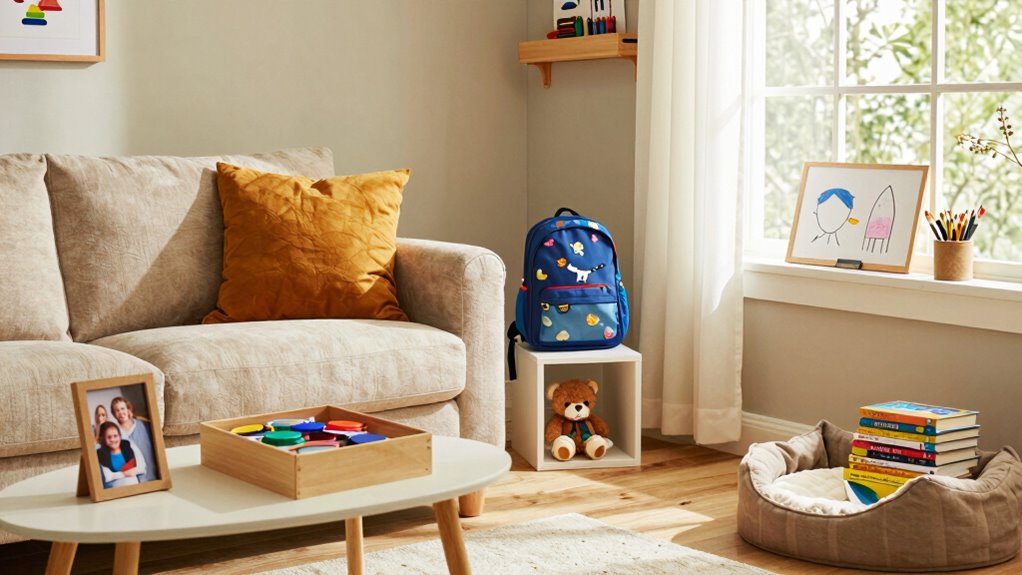
Setting up your home for alternate weekend parenting guarantees a smooth and positive experience for both you and your child. The key is creating a safe, welcoming environment that promotes comfort and stability. Child safety should be your top priority. Start by thoroughly childproofing your space: secure furniture to walls, cover electrical outlets, and store hazardous items out of reach. Make sure your home has working smoke and carbon monoxide detectors, and keep a well-stocked first aid kit accessible. These steps help prevent accidents and give your child peace of mind, knowing they’re in a safe environment.
Communication strategies become equally vital in establishing a successful setup. Clear, consistent communication with your child’s other parent ensures everyone stays on the same page about safety rules, routines, and any special needs your child might have. Use calm, respectful dialogue to coordinate schedules, discuss concerns, and share updates about your child’s health or preferences. This reduces misunderstandings and creates a unified approach, which your child will find reassuring. It’s also helpful to establish a method for ongoing communication—whether through regular phone calls, texts, or a shared calendar—to keep everyone informed and involved. Additionally, understanding home technology and projectors can enhance your entertainment options, making your home a more enjoyable environment for your child during visits.
When preparing your home, think about creating familiar routines that your child can count on during each visit. Consistency in daily activities like bedtime, mealtime, and playtime helps your child feel secure and reduces anxiety. Designate specific areas for your child’s belongings—clothes, toys, and school supplies—so they feel a sense of ownership and familiarity. If your child has special comfort items like a favorite blanket or stuffed animal, ensure these are always available, especially during transitions between homes. Incorporating your child’s interests into the space—such as posters, books, or toys—can also make it feel more like home and promote a positive environment.
In addition to safety and routines, consider your home environment’s overall atmosphere. Keep it warm, inviting, and free of clutter, which can cause stress or accidents. Incorporate calming decorations and lighting to create a soothing atmosphere. Keep communication open with your child about what they need or prefer during each visit builds their confidence and helps you tailor your setup to meet their evolving needs. Furthermore, understanding home safety knowledge ensures you’re well-prepared to address any unexpected issues that may arise.
Ultimately, your goal is to foster a stable, safe, and loving environment that supports your child’s well-being. By prioritizing child safety and employing effective communication strategies, you create a foundation that makes alternate weekend parenting a positive, enriching experience for everyone involved.
As an affiliate, we earn on qualifying purchases.
Frequently Asked Questions
How Do I Handle Different Discipline Styles Between Households?
You handle different discipline styles by establishing consistent boundaries and maintaining uniform routines across both households. Communicate openly with your co-parent to agree on rules and consequences, ensuring your child understands that discipline remains steady regardless of location. By reinforcing the same expectations and consequences, you create a stable environment that reduces confusion and helps your child adapt more easily to the different household dynamics.
What Are Best Practices for Communication With the Other Parent?
Think of your communication as a bridge—strong and steady. You should set clear co-parenting boundaries, ensuring respect guides every exchange. Keep conversations focused on your child’s needs, and use respectful communication to avoid misunderstandings. Regular check-ins, whether in person or via message, help maintain consistency. Remember, open, honest dialogue builds trust, making shifts smoother for your child and strengthening your co-parenting partnership.
How Can I Ensure My Child Feels Secure During Transitions?
To guarantee your child feels secure during shifts, focus on child reassurance by comforting them and addressing their feelings. Maintain routine consistency across both homes so they know what to expect and feel more in control. Use gentle, positive language, and keep goodbyes short but loving. Preparing them in advance about upcoming changes also helps reduce anxiety, making shifts smoother and helping your child feel safe and supported.
What Should I Include in a Child’s Emergency Kit?
Of course, your child’s emergency kit should include the basics like emergency supplies and safety essentials—think bandages, antiseptic wipes, and a flashlight. Don’t forget snacks, water, and their favorite comfort item for good measure. Include a list of emergency contacts, any medications, and a small first-aid manual. It’s all about being prepared, because a well-stocked kit is your secret weapon when chaos strikes—just like a superhero’s utility belt.
How Do I Manage Scheduling Conflicts or Last-Minute Changes?
You manage scheduling conflicts by practicing flexible planning and staying open to adjustments. Communicate promptly with the other parent, acknowledging last-minute changes calmly. Use conflict resolution skills to find mutually agreeable solutions, like swapping weekends or adjusting plans. Keep a shared calendar to track commitments, and always prioritize your child’s best interests. Staying adaptable and respectful guarantees smoother movement despite unexpected schedule shifts.
Conclusion
By creating a well-organized, welcoming home, you set the stage for a smooth shift during your child’s weekends with you. Think of your space as a nurturing garden—tending to it with care guarantees it blooms with comfort and stability. With thoughtful planning and a warm environment, you’ll turn the challenge of weekend parenting into a rewarding experience, making each visit feel like a safe harbor where your child’s happiness and growth can flourish.
Evergreen bestsellers Picks
bestsellers
As an affiliate, we earn on qualifying purchases.