
Finding the best laptop for teens in shared custody homes involves balancing affordability, portability, and durability. The HP 14-inch Portable Laptop with 16GB RAM stands out for its powerful performance in a compact form, ideal for teens who need speed and multitasking. The CHUWI HeroBook Plus offers a larger display and better storage for those who prioritize media and study space, while the HP Chromebook 14 is a budget-friendly choice for straightforward browsing and schoolwork. Each of these options highlights different tradeoffs—whether in price, power, or ease of use. Keep reading for a detailed breakdown of each model to find your best fit.
Key Takeaways
- The top-performing laptops offer a balance of performance and portability, ideal for teens sharing custody who need flexible devices.
- Budget models like the HP Chromebook 14 excel in simplicity and affordability but may lack power for demanding tasks.
- More powerful options, such as the HP 14-inch Portable Laptop, justify higher costs with increased RAM and better multitasking capabilities.
- Build quality and durability are critical since shared custody environments can increase wear and tear.
- Battery life varies widely; models with longer battery life reduce the need for frequent recharging, especially in unpredictable environments.
| CHUWI HeroBook Plus Laptop 15.6″ with 8GB RAM, 256GB SSD, FHD Display, Windows 11 |  | Best Overall for Versatility and Performance | Display: 15.6-inch FHD IPS (1920×1080) | Processor: Intel Celeron N4020 | RAM: 8GB DDR4 | VIEW LATEST PRICE | See Our Full Breakdown |
| HP 14″ HD Laptop, Windows 11, Intel Celeron Dual-Core, 4GB RAM, 64GB SSD, Webcam, Dale Pink (Renewed) |  | Best for Lightweight Daily Use on a Budget | Display: 14-inch HD BrightView (1366 x 768) | Processor: Intel Celeron Dual-Core up to 2.60GHz | RAM: 4GB DDR4 | VIEW LATEST PRICE | See Our Full Breakdown |
| HP Chromebook 14 Laptop, Intel Celeron N4000, 4GB RAM, 32GB eMMC, 14″ HD Display | 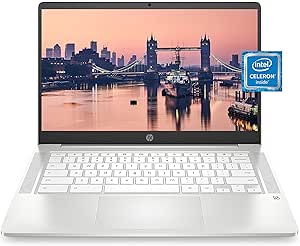 | Best for Long Battery Life and Secure Web Use | Display: 14-inch HD (1366 x 768) | Processor: Intel Celeron N4000 | RAM: 4GB | VIEW LATEST PRICE | See Our Full Breakdown |
| HP Essential Laptop, 14″ HD Display, Intel Celeron N4120, 4GB RAM, 64GB eMMC, Rose Gold |  | Best for Style and Basic Computing | Display: 14-inch HD (1366 x 768) | Processor: Intel Celeron N4120 | RAM: 4GB DDR4 | VIEW LATEST PRICE | See Our Full Breakdown |
| Core Innovations 15.6″ Full HD Laptop with Intel Celeron N4020, 4GB RAM, 64GB SSD, Windows 11 |  | Best for Large Screen and Budget-Friendly Performance | Display: 15.6-inch Full HD (1920 x 1080) | Processor: Intel Celeron N4020 | RAM: 4GB DDR4 | VIEW LATEST PRICE | See Our Full Breakdown |
| HP 14-inch Portable Laptop with 16GB RAM and Windows 11 Home |  | Best for High Multitasking and Portability | Display: 14-inch HD (1366 x 768) | Processor: Intel Celeron N4120 (4 cores, up to 2.6GHz) | RAM: 16GB DDR4 | VIEW LATEST PRICE | See Our Full Breakdown |
More Details on Our Top Picks
CHUWI HeroBook Plus Laptop 15.6″ with 8GB RAM, 256GB SSD, FHD Display, Windows 11
The CHUWI HeroBook Plus stands out for its well-rounded combination of a large 15.6-inch Full HD IPS display and a speedy 8GB RAM, making it ideal for teens who need a single device for both homework and entertainment. Compared with the HP Chromebook 14, it offers a more versatile Windows environment and better multitasking capacity, although its processor, the Intel Celeron N4020, may struggle with heavier tasks. The 256GB SSD provides ample storage and quick load times, outperforming the limited 32GB eMMC options, but the battery life remains unspecified, which could be a concern for on-the-go use. This model is better suited for teens in shared custody homes who need a reliable, capable laptop that balances portability with functionality—without the premium price tag of more advanced models.
Pros:- Large 15.6-inch Full HD IPS display for vibrant visuals
- 8GB RAM supports multitasking smoothly
- Fast 256GB SSD for quick performance and storage expansion
Cons:- Processor may limit performance for demanding applications
- Battery life information is not provided, raising concerns about portability
Best for: Teens who need a versatile, full-featured laptop for both schoolwork and entertainment, with ample storage and multitasking ability.
Not ideal for: Teens who require long battery life or plan to do intensive tasks like gaming or video editing, as the processor and battery details are limited.
- Display:15.6-inch FHD IPS (1920×1080)
- Processor:Intel Celeron N4020
- RAM:8GB DDR4
- Storage:256GB SSD (expandable up to 1TB)
- Graphics:Intel UHD Graphics 600
- Weight:3.5 lbs
Bottom line: This pick makes the most sense for teens in shared custody homes who want a reliable, all-around laptop with good display quality and multitasking support.
HP 14″ HD Laptop, Windows 11, Intel Celeron Dual-Core, 4GB RAM, 64GB SSD, Webcam, Dale Pink (Renewed)
The HP 14″ HD Laptop offers a compact, portable solution for teens who primarily need a device for browsing, schoolwork, and streaming. Its 14-inch HD display and lightweight design make it easy to carry between homes, especially compared to bulkier options like the Core Innovations 15.6″ Full HD. While the 64GB SSD and basic processor limit its ability to handle multitasking or heavy applications, it runs Windows 11 smoothly for simple tasks. The renewed status assures tested quality at a lower price, but storage constraints could be a challenge for teens juggling multiple files or apps. This model is best for teens who need a straightforward, affordable device for light use and mobility in shared custody settings.
Pros:- Lightweight and easy to carry
- Pre-installed with Windows 11 for familiarity
- Renewed product with tested quality at a budget price
Cons:- Limited storage capacity of 64GB SSD
- Basic HD display may not satisfy multimedia needs
- Processor may be slow for multitasking or heavy apps
Best for: Teens who mainly do light tasks such as browsing, streaming, and homework, and need a portable, budget-friendly option.
Not ideal for: Teens who require more storage or plan to use demanding software, as the limited 64GB SSD and basic processing power will quickly become restrictive.
- Display:14-inch HD BrightView (1366 x 768)
- Processor:Intel Celeron Dual-Core up to 2.60GHz
- RAM:4GB DDR4
- Storage:64GB SSD
- Graphics:Intel Integrated Graphics
- Weight:4.45 pounds
Bottom line: This is a solid choice for teens in shared custody homes who need an affordable, portable laptop for light everyday use.
HP Chromebook 14 Laptop, Intel Celeron N4000, 4GB RAM, 32GB eMMC, 14″ HD Display
The HP Chromebook 14 excels in battery longevity, with up to 13.5 hours of use, making it perfect for teens who need a device that lasts through long days at different homes. Its lightweight, 14-inch HD display and energy-efficient Intel Celeron N4000 processor provide smooth web browsing and schoolwork on Chrome OS, which is more straightforward than Windows for many users. Compared to Windows-based laptops like the HP Essential, it offers a more secure environment with automatic updates and fewer security concerns. However, its 32GB eMMC storage is minimal, and the display resolution isn’t full HD, which limits multimedia experience. This Chromebook suits teens who prioritize portability, battery life, and web-based tasks over demanding applications or large storage needs.
Pros:- Exceptional battery life up to 13.5 hours
- Lightweight and highly portable
- Secure, fast Chrome OS environment
Cons:- Limited storage at 32GB eMMC
- Display resolution is basic (HD only)
- Processor may not handle heavier tasks well
Best for: Teens who primarily use web apps and need a device that can last all day without charging frequently.
Not ideal for: Teens who want to install many offline applications or do intensive tasks, as storage and processing power are limited.
- Display:14-inch HD (1366 x 768)
- Processor:Intel Celeron N4000
- RAM:4GB
- Storage:32GB eMMC
- Battery Life:Up to 13.5 hours
- Weight:3.24 lbs
Bottom line: This Chromebook is ideal for teens in shared custody homes who need a simple, long-lasting device primarily for browsing and lightweight schoolwork.
HP Essential Laptop, 14″ HD Display, Intel Celeron N4120, 4GB RAM, 64GB eMMC, Rose Gold
The HP Essential Laptop combines style with function, featuring a sleek rose gold finish and a 14-inch HD display suitable for basic tasks. Its Intel Celeron N4120 processor and 4GB RAM make it comparable in performance to the HP 14″ HD Laptop, but with a more fashionable look that appeals to teens who value aesthetics. The 64GB eMMC storage is better than some entry-level options, yet still limited for storing multiple files or apps. Windows 11 Home and included Office 365 subscription add productivity value. However, the low-resolution screen and modest processor mean it isn’t ideal for multitasking or media-heavy activities. This model fits teens who prioritize a stylish device for light use and basic homework in shared custody arrangements.
Pros:- Stylish rose gold exterior
- Lightweight at just over 3 lbs
- Includes Windows 11 and Office 365 subscription
Cons:- Limited storage capacity of 64GB eMMC
- Low-resolution HD display may impact multimedia enjoyment
- Processor may be underpowered for multitasking
Best for: Teens seeking a stylish, lightweight laptop for light tasks and basic schoolwork, with an emphasis on appearance.
Not ideal for: Teens planning to run demanding applications or store large files, as storage and processing power are limited.
- Display:14-inch HD (1366 x 768)
- Processor:Intel Celeron N4120
- RAM:4GB DDR4
- Storage:64GB eMMC
- Ports:2 x USB-A, 1 x USB-C, HDMI
- Weight:3.24 lbs
Bottom line: This laptop makes sense for style-conscious teens in shared custody who need a basic, portable device for light tasks and schoolwork.
Core Innovations 15.6″ Full HD Laptop with Intel Celeron N4020, 4GB RAM, 64GB SSD, Windows 11
The Core Innovations 15.6″ Full HD Laptop provides a larger display experience with crisp visuals thanks to its Full HD resolution, which surpasses the basic HD screens of many competitors like the HP Essential. Its Intel Celeron N4020 processor and 4GB RAM make it suitable for simple tasks, but it may lag when multitasking or running demanding applications. The 64GB SSD offers faster storage and system responsiveness compared to traditional HDDs, yet storage space is limited for many files or apps. The lightweight design under 4 pounds enhances portability, making it suitable for teens who need a bigger screen but prefer a budget-friendly price. Overall, it’s a practical choice for shared custody teens who want a larger display without sacrificing portability or affordability.
Pros:- Large 15.6-inch Full HD display for better viewing
- Lightweight and portable under 4 lbs
- Affordable price point for budget-conscious families
Cons:- Limited storage capacity with 64GB SSD
- Basic performance may hinder multitasking
- No dedicated graphics card for gaming or design work
Best for: Teens who prefer a larger screen for reading and basic tasks, and need a budget-friendly, portable device for school and entertainment.
Not ideal for: Teens who require extensive storage or plan to do intensive multitasking, as the processor and storage are modest.
- Display:15.6-inch Full HD (1920 x 1080)
- Processor:Intel Celeron N4020
- RAM:4GB DDR4
- Storage:64GB SSD
- Weight:Under 4 lbs
- Ports:Dual USB, Mini HDMI, Bluetooth
Bottom line: This is a sensible option for teens in shared custody who want a larger screen for everyday tasks without overspending.
HP 14-inch Portable Laptop with 16GB RAM and Windows 11 Home
This HP model stands out for its impressive 16GB DDR4 RAM, making it ideal for teens who need to juggle multiple applications or browser tabs without lag. Compared with the CHUWI HeroBook Plus, which offers a larger 15.6-inch display and faster SSD storage, this HP prioritizes portability and multitasking over raw speed and screen size. The limited 64GB eMMC storage is a notable tradeoff, potentially requiring cloud or external storage for larger files, and the low-resolution HD display can feel restrictive for media use. However, the inclusion of Windows 11 Home and Office 365 subscription enhances productivity for homework and light creative tasks. This pick makes the most sense for teens who need a lightweight device for schoolwork and casual use, especially those who already have access to cloud storage or external drives.
Pros:- High 16GB RAM supports smooth multitasking
- Lightweight and easy to carry in a backpack
- Includes Office 365 subscription for productivity
Cons:- Limited 64GB eMMC storage restricts local file storage
- HD (1366 x 768) display feels outdated for media consumption
- Processor may struggle with intensive tasks or future software updates
Best for: Teens who need a highly portable laptop with excellent multitasking capabilities and already use cloud services or external drives.
Not ideal for: Teens planning to do heavy media editing, gaming, or store large files locally, due to limited storage and low display resolution.
- Display:14-inch HD (1366 x 768)
- Processor:Intel Celeron N4120 (4 cores, up to 2.6GHz)
- RAM:16GB DDR4
- Storage:64GB eMMC
- Operating System:Windows 11 Home
- Graphics:Intel UHD Graphics 600
- Ports:1 x USB Type-C, 2 x USB 3.1 Type-A, 1 x HDMI, SD Card Reader
- Other Features:Webcam, Wi-Fi, Bluetooth, 1 Year Office 365
Bottom line: This laptop is best suited for teens who prioritize portability and multitasking for schoolwork over high storage capacity or advanced media features.
How We Picked
The laptops in this roundup were evaluated based on key factors that matter for teens in shared custody homes. Performance was prioritized to support schoolwork and entertainment, with at least 4GB of RAM and reliable processors. Usability factors like portability, battery life, and ease of setup were also critical, given the unpredictable nature of shared living arrangements. Durability and value for money played roles in ranking, with a focus on devices that can withstand frequent moves and offer good longevity. Devices were then compared to identify which models best balance these qualities for real-world shared custody scenarios.Factors to Consider When Choosing Best Laptop For Teens In Shared Custody Homes
Choosing the right laptop for teens in shared custody homes requires understanding how different features impact daily use. Portability is vital since the device will move between homes, so a lightweight, durable model is often better. Battery life can make a big difference if charging options are inconsistent. The operating system influences usability; Chromebooks offer simplicity and affordability, while Windows laptops support more demanding software. Price matters, but investing in a slightly more expensive model with better build quality and performance can pay off in the long run. Lastly, consider storage capacity and expandability, especially if the teen needs space for school projects or media.Portability and Durability
Teens in shared custody often move devices between homes or school environments, making portability and build quality top priorities. Lightweight laptops with sturdy construction, such as reinforced chassis or spill-resistant keyboards, last longer under rough handling. Cheaper or overly delicate models may save money upfront but could lead to higher replacement costs or repairs over time. Look for models that balance weight with robustness, especially if the device must survive frequent transport or accidental drops.
Performance and Usability
Performance specifications are key for multitasking, homework, and entertainment. A minimum of 4GB RAM is recommended, but 8GB provides smoother operation for multiple apps. Processor choice impacts speed—Intel Celeron or equivalent chips are common in budget models but may struggle with heavy tasks. Windows offers versatility for software compatibility, while Chromebooks excel in simplicity and quick updates. Consider what the teen primarily uses the device for, and avoid overpaying for power they won’t need to prevent unnecessary expenses.
Battery Life
Long battery life reduces dependency on frequent recharging, which may be difficult in shared custody scenarios where charging outlets are unpredictable. Aim for devices that offer at least 8-10 hours of use on a single charge. Some budget models compromise battery longevity for lower cost, so weigh this factor carefully. A device with fast charging options can also be advantageous, allowing quick boosts during brief downtime.
Operating System and Ecosystem
The choice between Windows and Chrome OS hinges on the teen’s needs. Windows laptops support a broader range of applications, including specialized school software, but can be more expensive and less streamlined. Chromebooks tend to be more affordable, easier to maintain, and require less setup, but they may limit access to certain programs. Consider the teen’s school requirements and tech comfort level when deciding, as this impacts ease of use and long-term satisfaction.
Price and Long-Term Value
Budget is always a concern, especially with shared custody where the device might be shared among multiple users or subject to rougher handling. While cheaper models are tempting, investing a bit more in a durable, higher-performance device can extend its lifespan and reduce replacement costs. Look for warranties or protection plans, which can add value by covering accidental damage or repairs. Remember that a slightly higher upfront cost might save money and frustration later.
Frequently Asked Questions
Is a Chromebook suitable for a teen in shared custody homes?
Chromebooks are often a smart choice for shared custody environments due to their affordability, simplicity, and ease of maintenance. They are lightweight and tend to have longer battery life, making them practical for daily use and transport. However, if the teen needs specific software for school that isn’t available on Chrome OS, a Windows laptop might be better despite the higher cost. Assess the teen’s educational software requirements and comfort with technology before deciding.
Should I prioritize battery life over performance?
Battery life is essential if the device will be used in places where charging options are limited or inconsistent. Longer-lasting batteries enable the teen to work and play without interruptions. However, sacrificing performance for battery life can lead to frustration if the device struggles with multitasking or demanding apps. Ideally, choose a device that balances both—long battery life with enough processing power for daily tasks. This ensures the device remains functional and reliable across various scenarios.
Are larger screens better for shared custody teens?
Large screens, like 15.6 inches, provide a better viewing experience for multimedia and multitasking, which many teens appreciate. However, they tend to be heavier and less portable, which can be inconvenient for frequent transport. Smaller screens, around 13-14 inches, offer greater portability and are easier to carry between homes but may sacrifice some comfort for extended viewing or multitasking. Consider the teen’s usage habits and mobility needs when choosing screen size.
Is investing in more RAM worth it for shared custody teens?
More RAM, such as 8GB instead of 4GB, significantly improves multitasking, allowing multiple applications to run smoothly simultaneously. This is especially helpful if the teen needs to run demanding programs or keep several browser tabs open. The cost difference is often small, so investing in higher RAM can extend the device’s relevance and performance over time. For shared custody scenarios, where the device may see frequent use, this upgrade can be a wise choice.
What should I look for in terms of device durability?
Durability features like reinforced chassis, spill-resistant keyboards, and shock-absorbing designs are key for shared custody laptops, which are more prone to rough handling. Check for reviews mentioning build quality and any manufacturer warranties covering accidental damage. While these features may increase the initial price, they can save money and hassle by extending the device’s lifespan and reducing repair costs. A sturdy device is a smart investment for environments where the device may be moved or mishandled frequently.
Conclusion
For parents seeking an all-around reliable choice, the HP 14-inch Portable Laptop with 16GB RAM offers a solid blend of performance, portability, and durability, making it ideal for teens who need a versatile device. Those on a tighter budget will appreciate the HP Chromebook 14 for its affordability and straightforward use, especially if the teen mainly needs internet access and basic tasks. If the budget allows for a premium experience, the HP 14-inch Portable Laptop provides extra power and longevity, suitable for more demanding schoolwork or multimedia use. Beginners or tech-averse teens might find the Chromebook easiest to handle, while power users will benefit from higher RAM and processing speed. Ultimately, the right choice depends on the teen’s specific needs and the shared environment they’re in.