

Visualize getting your child ready for a new school year, making sure they have the correct supplies, support, and guidance.
Now, think about preparing them for the complexities of divorce. As you navigate this challenging terrain, this guide offers practical steps and insights to help you navigate these uncharted waters with your child.
From fostering open communication to establishing stability and addressing emotional needs, each section provides valuable tools to assist you along this journey.
Key Takeaways
- Clearly explain changes and provide emotional support
- Establish stability and routines for security
- Implement effective co-parenting strategies with respect
- Seek professional guidance for emotional support and tools

It's Never Your Fault: A Kid's Divorce Survival Guide for Ages 6-11 (Divorce Talk Support Series)
As an affiliate, we earn on qualifying purchases.
As an affiliate, we earn on qualifying purchases.
Communication Strategies for Kids
How can you effectively communicate with your children about divorce to ensure they understand and cope with the situation in a healthy manner?
Children need to understand the changes happening in their family, and it's crucial to approach this conversation with care and sensitivity.
Tell the kids in clear, age-appropriate terms what's happening and why. Encourage them to ask questions and share their feelings openly.
Help kids navigate their emotions by reassuring them that they're loved and that the divorce isn't their fault. Establish a plan with the other parent to maintain consistency in the message being delivered.
Be honest about the upcoming changes, but also emphasize that both parents will continue to be there for them. Building trust and maintaining the parent-child relationship during this challenging time is essential.
Establishing Stability and Routine
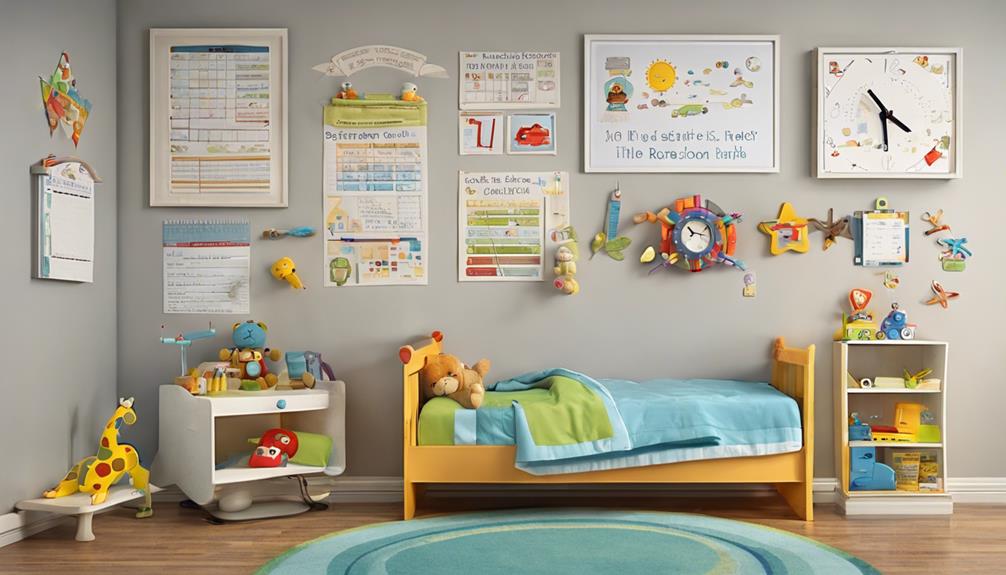
To help your children cope with the changes brought on by divorce, establishing stability and routine in their lives is crucial for their emotional well-being. Children need a sense of predictability and security during uncertain times, and maintaining regular schedules and familiar routines can provide just that. Make sure to keep consistent routines in their daily lives, as this can help reduce anxiety and feelings of uncertainty. Stability in living arrangements, such as staying in the same home or neighborhood, can also aid children in adjusting to the changes caused by divorce. Providing a stable environment with predictable routines is essential for their emotional well-being. Consistency in parenting approaches and maintaining stability in the children's lives post-divorce is key. Below is a table outlining the importance of stability and routines for children during divorce:
| Benefits of Stability and Routines |
|---|
| Establishes predictability |
| Reduces anxiety and uncertainty |
| Provides a sense of security |
| Aids in adjustment to changes |
| Crucial for emotional well-being |
Addressing Emotional Needs
Addressing the emotional needs of your child during a divorce is paramount for their well-being and adjustment to the changes. Kids may feel a whirlwind of emotions such as fear, sadness, and confusion. It's crucial to tell your kids that it's okay to feel this way and that their emotions are valid.
Encourage open communication by letting them express their thoughts and concerns. Create a safe space where they feel comfortable sharing their feelings. Reassurance plays a significant role in helping your child feel secure and loved during this challenging time. Let your kids know that you're there to support them no matter what.
Seek professional help or counseling if your child is struggling to cope with their emotions related to the divorce. By providing understanding, communication, reassurance, and support, you can help your child navigate their emotions and adjust to the changes in a healthy way.
Co-Parenting Tips and Techniques

Navigating co-parenting after a divorce can be challenging, but with clear communication and a focus on your children's well-being, you can establish a successful partnership with your ex-partner. Effective co-parenting involves both parents working together to make decisions about the upbringing of your children. To achieve this, prioritize clear communication, mutual respect, and consistency. Creating a detailed parenting plan can provide structure and guidelines for both parents to follow. Consider attending co-parenting counseling to learn effective strategies for co-parenting and resolving conflicts peacefully.
Remember that coordinating schedules, sharing important information, and maintaining a respectful attitude towards each other are crucial aspects of successful co-parenting. By implementing these techniques, you can minimize the negative impact of divorce on your children. Keep in mind that your children's well-being should always be the top priority, and working together as a team with your ex-partner can create a supportive environment for them to thrive despite the changes in the family dynamic.
Seeking Professional Support
When seeking professional support during a divorce, remember that counselors and therapists are valuable resources for assisting children in navigating emotional challenges and adjusting to changes.
Seeking help from mental health professionals can provide your young children with the tools they need to process their emotions effectively. Counselors and therapists can help address your children's concerns, fears, and overall emotional well-being post-divorce. They can also offer strategies for you to communicate effectively with your kids about the divorce, ensuring they feel heard and understood.
Professional support plays a crucial role in helping children shield themselves from the negative impacts of divorce, guiding them to a healthier emotional state. By seeking help from mental health professionals, you're taking proactive steps to support your children through this difficult time, helping them process their feelings and adjust to the changes in a positive and constructive manner.
Frequently Asked Questions
What Is the First Thing to Do When Separating?
First, have an open conversation with your children about the separation. Reassure them of your love and that the divorce is not their fault. Create a safe space for them to express emotions and maintain stability during this transition.
What Do You Say to Your Child When You Are Separating?
You assure your child it's not their fault, both parents love them. Explain simply that you'll live in different homes but still care. Listen to their feelings, answer questions honestly, and prioritize their well-being and happiness.
Conclusion
You've laid the groundwork for a smooth transition, like planting seeds in fertile soil. With open communication as your compass and stability as your anchor, you've paved the way for your children to weather the storm of divorce with strength and resilience.
Remember, you're not alone on this journey. Reach out for support, nurture your family bonds, and watch as your children bloom in the face of change. Trust in your efforts, and let love guide the way.