

When steering an international divorce, you need to understand the legal systems of each country involved, as they can vary widely in procedures and requirements. You’ll also face cultural differences that influence custody and family law decisions. Working with experienced legal professionals and gathering thorough documentation can help manage jurisdictional disputes and enforce rulings. If you keep exploring, you’ll uncover helpful strategies to address complex legal and cultural hurdles effectively.
Key Takeaways
- Understand the legal differences, including jurisdiction and applicable laws, in each country involved in the divorce process.
- Consult experienced international family law attorneys to navigate complex paperwork and procedural requirements.
- Be aware of international treaties like the Hague Convention that may impact custody and divorce recognition.
- Prepare detailed documentation and records to facilitate cross-border legal procedures and enforcement.
- Respect cultural differences and consider cultural considerations that may influence court decisions and custody arrangements.

Have you ever wondered what happens when a marriage crosses international borders? The complexities go far beyond just legal paperwork—they involve steering through different cultural considerations and legal systems that can sometimes seem worlds apart. When a marriage spans countries, so do the challenges, especially if a separation or divorce becomes necessary. One of the most critical issues you’ll face is cross border custody, which involves determining where your children will live and who will make decisions for them. This process becomes more complicated when the legal definitions, procedures, and cultural expectations differ substantially between the countries involved.
Cultural considerations play a huge role in cross border custody disputes. Different countries hold varying views on parenting, family roles, and authority, which influence court decisions and parental rights. For example, some cultures prioritize maternal custody, while others emphasize paternal rights. These differences can lead to misunderstandings and conflicts if you’re unaware of the cultural context in the country where the case is being heard. It’s essential to understand these nuances so you can present your case effectively and advocate for what’s best for your children, respecting their cultural backgrounds while complying with local laws.
Legal systems across borders often operate on distinct principles, such as common law or civil law, which affect how custody and divorce are handled. Some countries have strict procedures and require extensive documentation, while others prioritize the child’s best interests with more flexible rules. You may find yourself steering through international treaties like the Hague Convention, designed to address cross border custody issues, but even these treaties have limitations and require careful interpretation. Coordinating between different jurisdictions can be time-consuming and costly, especially if cases must be transferred or recognized across borders. You need to be prepared for delays, jurisdictional disputes, and the challenge of enforcing court decisions in foreign territories.
In addition, understanding the legal considerations surrounding cross border custody is vital. You might need to work with attorneys familiar with international family law, who can help you understand your rights and responsibilities. It’s also wise to keep detailed records of communications, agreements, and any relevant cultural or legal documents. Planning ahead and seeking expert advice can help you steer through these complex waters more smoothly, ensuring your children’s well-being remains the priority. Remember, crossing borders doesn’t just involve paperwork—it’s about respecting cultural differences, understanding legal disparities, and advocating effectively for your family’s future in a landscape that’s often unfamiliar and challenging.

Brother DS-640 Compact Mobile Document Scanner, (Model: DS640)
FAST SPEEDS - Scans color and black and white documents a blazing speed up to 16ppm (1). Color...
As an affiliate, we earn on qualifying purchases.
Frequently Asked Questions
How Is Child Custody Determined Across Different Countries?
Child custody is determined based on custody laws and parental rights in each country. You’ll find that courts prioritize the child’s best interests, considering factors like stability, parental involvement, and safety. Different countries may have varying standards, so you should understand local laws to advocate effectively. You might need legal assistance to navigate complex jurisdictional issues, ensuring that custody arrangements respect both the legal framework and your parental rights.
What Are the Costs Involved in International Divorce Proceedings?
You’ll face varying costs in international divorce proceedings, including legal fee structures and international court costs. Expect to pay for legal representation, which can differ based on complexity and location, and court fees specific to each jurisdiction. Additional expenses may include translation services and travel costs. Planning ahead helps, so consult a lawyer experienced in international divorce to better understand the potential financial commitments involved.
Can a Divorce Be Recognized in Multiple Jurisdictions?
A divorce can be recognized in multiple jurisdictions, like a bridge connecting different islands. You need to take into account legal recognition, which ensures your divorce is valid across borders. However, jurisdictional conflicts may arise if countries have conflicting laws or require separate filings. To avoid this, you should seek legal advice to navigate recognition processes and ensure your divorce is acknowledged internationally, providing peace of mind and legal clarity.
How Do Cultural Differences Impact Divorce Negotiations?
Cultural sensitivities considerably shape your divorce negotiations, influencing how both parties communicate and approach agreements. Your negotiation styles might vary, with some cultures favoring directness and others valuing harmony and indirectness. By respecting these cultural differences, you create a more collaborative environment, reducing conflicts. Being aware of and adaptable to diverse cultural sensitivities helps you reach amicable solutions faster, ensuring the process respects everyone’s values and beliefs.
What Documents Are Required for International Divorce Filings?
A picture is worth a thousand words, so gather your legal documentation carefully. For international divorce filings, you’ll need your marriage certificate, proof of residency, and identification, among others. Be prepared to meet jurisdictional requirements, which vary by country, including specific forms and affidavits. Always check with local authorities or legal experts to guarantee you have all necessary documents to avoid delays in your case.

ScanSnap iX1300 Compact Wireless or USB Double-Sided Color Document, Photo & Receipt Scanner with Auto Document Feeder and Manual Feeder for Mac or PC, Black
FITS SMALL SPACES AND STAYS OUT OF THE WAY. Innovative space-saving design to free up desk space, even...
As an affiliate, we earn on qualifying purchases.
Conclusion
As you close this chapter, remember that steering international divorce is like guiding a ship through unpredictable waters. The legal systems are your compass, guiding you through storms and calm seas alike. Though the journey may feel daunting, each wave you overcome strengthens your resolve. Trust in the lighthouse of knowledge and patience, for they’ll lead you to calmer shores. With resilience as your anchor, you’ll find new beginnings beyond the horizon.
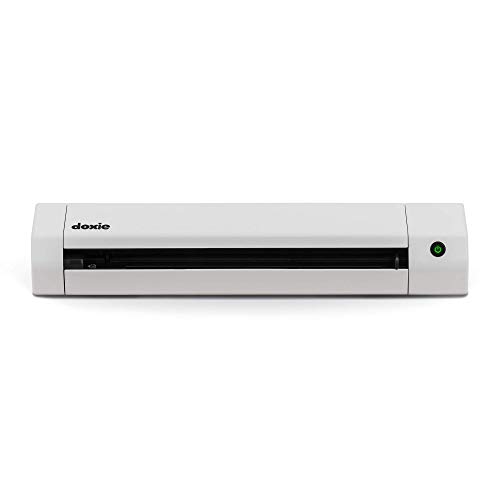
Doxie Go SE - The Intuitive Portable Document Scanner with Rechargeable Battery and Easy Software for Home, Office, or Work from Home
【Go Paperless】Doxie Go SE delivers smart, simple scanning that you can take anywhere – no computer required. Doxie's...
As an affiliate, we earn on qualifying purchases.

Canon Canoscan Lide 300 Scanner (PDF, AUTOSCAN, Copy, Send)
Scanner type: Document
As an affiliate, we earn on qualifying purchases.