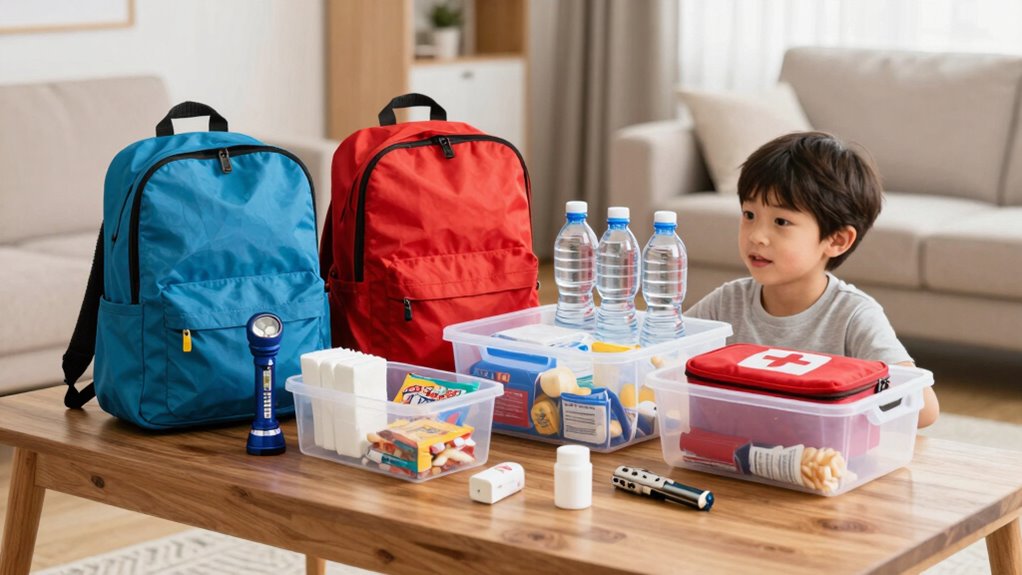
Single parents face unique challenges when preparing for emergencies, balancing safety with simplicity and portability. The best emergency preparedness kits for single parents should be easy to carry, quick to use, and contain essential supplies for both safety and comfort. The Ready America 72 Hour Deluxe Emergency Kit stands out as the overall best choice for its comprehensive gear and portability. The Everlit Complete 72 Hours Earthquake Bag offers great value for families looking for a full-spectrum kit, while the My Medic Recon PRO excels in first aid supplies for immediate medical needs. Choosing the right kit involves tradeoffs between size, price, and comprehensiveness—continue reading for a detailed breakdown to match your specific needs.

Get gifts for the two of you delivered free — and shop member deals
- Fast, free delivery on millions of items
- Access to Prime Big Deal Days deals on October 6–7
- Prime Video, Amazon Music and more included
Key Takeaways
- Top-ranking kits balance comprehensive supplies with portability, crucial for single parents on the go.
- First aid capabilities vary significantly; kits with extensive medical supplies provide faster care but may be bulkier.
- Price points differ based on the number of included items and durability; more expensive kits tend to last longer and include more features.
- Ease of use and quick access are vital; well-organized kits with clear labels save precious time during emergencies.
- Customization options allow parents to tailor kits for specific threats like earthquakes, floods, or power outages.
| QuakeHold! 70501 1-Person Disaster Evacuation Essentials Plus Kit |  | Best Overall for Solo Emergency Evacuations | Food: 400-calorie food bar | Water: 4.225-ounce water pouch | Lightstick: 12-hour emergency lightstick | VIEW ON AMAZON | See Our Full Breakdown |
| Ready America 72 Hour Deluxe Emergency Kit, 1-Person 3-Day Backpack, First Aid Kit, Survival Blanket, Power Station, Emergency Food, Portable Disaster Preparedness Go-Bag for Earthquake, Fire, Flood |  | Best for 3-Day Personal Preparedness with Portable Storage | Emergency Duration: 72 hours | Food Calories: 2,400 calories | Water Supply: Six pouches, 32 oz | VIEW ON AMAZON | See Our Full Breakdown |
| My Medic MyFak Mini First Aid Kit – Compact, Lightweight, 70 Items for Camping, Hiking, and Travel |  | Best for Compact, Outdoor-Ready First Aid | Items Included: 70+ supplies | Material: Hypalon | Weight: Lightweight | VIEW ON AMAZON | See Our Full Breakdown |
| MY MEDIC MyFAK Standard IFAK First Aid Kit & Medic Kit – Built in USA – Medical Supplies & First Aid Essentials for Home, Auto & Family Emergency Preparedness |  | Best for Serious Medical Emergencies and Home Use | Number of supplies: 123 | Built in: USA | FSA/HSA eligible: Yes | VIEW ON AMAZON | See Our Full Breakdown |
| Ready America 70280 2-Person 3-Day Emergency Survival Backpack |  | Best for Two-Person, Extended Emergency Preparedness | Food: 2 emergency bars, 4800 calories | Water: 12 pouches, 4.225 oz each | Shelter & Warmth: 2 ponchos, 2 blankets | VIEW ON AMAZON | See Our Full Breakdown |
| EVERLIT Complete 72 Hours Earthquake Bug Out Bag Emergency Survival Kit for Family |  | Best Overall for Family Disaster Preparedness | Number of Pieces: 200 | Included Components: Earthquake, Emergency Food, Flashlight | Set Name: STORM II Emergency Survival Kit | VIEW ON AMAZON | See Our Full Breakdown |
| My Medic Recon PRO HSA FSA First Aid Kit – 250+ Essentials, Portable Emergency Supplies, Black |  | Best for Extensive Medical Preparedness | Items Included: 250+ | Color Options: Red, Black, Coyote | Material: Heavy duty nylon Cordura | VIEW ON AMAZON | See Our Full Breakdown |
| 250-Piece Survival Gear First Aid Kit with Molle System Compatible Bag and Emergency Tent |  | Best for Outdoor and Disaster Survival | Number of Items: 250 | Bag Material: Water-resistant 1000D nylon | Bag Dimensions: 8” x 6.5” x 6” | VIEW ON AMAZON | See Our Full Breakdown |
| Ready America 72 Hour Emergency Kit, 1-Person, 3-Day Backpack with First Aid, Food, Water, and Survival Gear |  | Best Compact Kit for Solo Preparedness | Food: 2400 calorie emergency food bar | Water: 6 sealed water pouches | First Aid Kit: 18-piece | VIEW ON AMAZON | See Our Full Breakdown |
| Survival Kit, 262-Piece Emergency Gear with First Aid, Tent, Axe, Shovel, and Carrying Bag |  | Best for Multi-Scenario Family Survival | Number of Pieces: 262 | Included Items: First aid supplies, tent, axe, shovel, water container, fire starter, flashlight, glow sticks, multi-tool, blanket, rope, compass | Material: Sturdy carbon steel | VIEW ON AMAZON | See Our Full Breakdown |
More Details on Our Top Picks
QuakeHold! 70501 1-Person Disaster Evacuation Essentials Plus Kit
This kit is designed specifically for quick evacuation and survival for a single individual, making it an excellent choice for single parents who prioritize immediate, essential supplies. Compared to larger, more comprehensive kits like the Ready America 70280, it offers a focused package with food, water, lighting, and safety gear, but lacks the extended 72-hour capacity or additional shelter options. Its five-year shelf life ensures readiness without frequent replacement, yet the limited quantities of food and water mean it isn’t suited for prolonged emergencies. This pick is ideal for parents who want a compact, reliable, and ready-to-go solution for the first critical hours of an emergency.
Pros:- Comprehensive essentials for immediate evacuation and survival
- Long five-year shelf life reduces maintenance
- Includes food, water, lighting, and protective gear
Cons:- Limited to individual use, not suitable for families or multiple children
- Supplies are only enough for a short-term emergency, not extended survival
Best for: Single parents needing a compact, long-lasting evacuation kit for immediate survival.
Not ideal for: Parents seeking a multi-day supply for extended emergencies or for multiple children, as this is tailored for one person’s quick escape.
- Food:400-calorie food bar
- Water:4.225-ounce water pouch
- Lightstick:12-hour emergency lightstick
- Shelf Life:Five years
Our verdict“This kit is perfect for single parents who need a compact, reliable emergency pack for immediate evacuation and survival hours after a disaster.”
Ready America 72 Hour Deluxe Emergency Kit, 1-Person 3-Day Backpack, First Aid Kit, Survival Blanket, Power Station, Emergency Food, Portable Disaster Preparedness Go-Bag for Earthquake, Fire, Flood
This kit stands out for its comprehensive 72-hour survival provisions packed into a durable backpack, making it highly suitable for single parents who want a complete, portable solution for immediate needs. Unlike the QuakeHold! kit, which focuses on evacuation essentials, this offers shelter, hygiene, and more extended supplies, but some may find the included contents somewhat basic and requiring supplementation. The hand crank LED headlamp and survival blanket enhance its utility, yet the overall contents reflect a balance between portability and completeness, which might mean upgrading for longer-term needs. It’s a strong contender for parents who want a ready-to-go, all-in-one pack for the first critical days following a disaster.
Pros:- Comprehensive survival supplies for three days
- Includes shelter, hygiene, and lighting essentials
- Portable backpack for easy transport
Cons:- Limited to supplies for one person, not scalable for families
- Some contents may need supplementing for extended or more severe emergencies
Best for: Single parents looking for a portable, 3-day survival kit that covers food, shelter, and basic hygiene.
Not ideal for: Those needing a longer-term or larger capacity kit, or for families with multiple children, as it’s tailored for solo use and 72 hours only.
- Emergency Duration:72 hours
- Food Calories:2,400 calories
- Water Supply:Six pouches, 32 oz
- Lighting:Hand crank LED headlamp
- Shelter:Emergency poncho, survival blanket
- Included Components:First aid kit, power station, backpack
Our verdict“This kit makes sense for single parents who want a portable, all-in-one 3-day survival solution with basic shelter and hygiene items.”
My Medic MyFak Mini First Aid Kit – Compact, Lightweight, 70 Items for Camping, Hiking, and Travel
This lightweight, portable first aid kit provides over 70 supplies suited for outdoor activities, making it ideal for single parents who want quick access to medical tools during outdoor excursions or short-term emergencies. Compared to the more comprehensive MY MEDIC MyFAK, which covers serious medical needs for home or auto, the MyFak Mini prioritizes portability over extensive medical supplies, which limits its usefulness for prolonged emergencies. Its durable Hypalon construction and quick-access design are definite advantages, but the small size means it’s less suitable for treating multiple injuries or larger groups. It’s best for parents who want a reliable, compact medical kit for outdoor adventures or brief emergencies.
Pros:- Contains over 70 essential first aid supplies
- Lightweight and easy to carry
- Durable Hypalon construction with quick access
Cons:- Limited contents for severe or multiple injuries
- Size may be too small for comprehensive emergency care
Best for: Single parents seeking a lightweight, outdoor-ready first aid kit for camping, hiking, or quick outdoor responses.
Not ideal for: Families needing a comprehensive emergency first aid setup for home or extended disaster scenarios, as this is too small and basic.
- Items Included:70+ supplies
- Material:Hypalon
- Weight:Lightweight
- Approval:HSA/FSA
Our verdict“This kit is ideal for outdoor-focused single parents who need quick, portable medical supplies for minor injuries or outdoor emergencies.”
MY MEDIC MyFAK Standard IFAK First Aid Kit & Medic Kit – Built in USA – Medical Supplies & First Aid Essentials for Home, Auto & Family Emergency Preparedness
This comprehensive, medic-grade first aid kit offers a broad array of 123 supplies, making it suitable for parents who want a high-quality, all-encompassing medical resource for home or auto emergencies. Its organization with fold-out pages allows quick access to critical tools, surpassing smaller, basic kits like the MyFak Mini in scope and professionalism. While the extensive contents and professional-grade supplies make it ideal for serious incidents, they also make this kit bulkier and more expensive, which could be a downside for parents seeking a simple, lightweight option. It’s best for parents who prioritize preparedness for severe injuries or long-term emergencies at home or on the road.
Pros:- Contains 123 professional-grade medical supplies
- Organized with clear, fold-out, color-coded access
- Built in the USA with a lifetime warranty
Cons:- More expensive and bulkier than basic kits
- Contains many supplies, which may overwhelm casual users
Best for: Parents needing a full-featured, professional-grade first aid kit for home or auto preparedness, especially for serious injuries.
Not ideal for: Those looking for a compact, quick grab-and-go kit for outdoor adventures or brief emergencies, as this is designed for more serious use and is heavier.
- Number of supplies:123
- Built in:USA
- FSA/HSA eligible:Yes
- MOLLE-compatible:Yes
- Warranty:Lifetime
Our verdict“This kit is best for parents who want a serious, organized, and durable medical supply for long-term or severe emergency situations at home or on the road.”
Ready America 70280 2-Person 3-Day Emergency Survival Backpack
This kit provides a well-rounded 72-hour survival package designed for two people, making it suitable for parents with a partner or older child. Its inclusion of food, water, shelter, first aid, and signaling tools covers many basics, but it’s limited in capacity for larger families or longer-term emergencies. Compared with single-person kits like the QuakeHold!, this offers more space and supplies for two, though some reviews point out the small water pouches and the need for replenishment after use. It strikes a balance between portability and comprehensiveness, ideal for parents who want a ready-made, all-in-one pack for immediate response, but not for those needing a multi-week supply or for larger households.
Pros:- Complete 72-hour survival kit for two people
- Includes food, water, shelter, first aid, and signaling tools
- Lightweight and organized for quick access
Cons:- Limited to two people, not suitable for bigger households
- Small water pouches may require additional supplies for extended use
Best for: Single parents with a partner or older child who need a compact, two-person 3-day survival kit.
Not ideal for: Larger families or parents seeking longer-term solutions, as it’s limited to two people and short-term use.
- Food:2 emergency bars, 4800 calories
- Water:12 pouches, 4.225 oz each
- Shelter & Warmth:2 ponchos, 2 blankets
- First Aid:33-piece kit
- Lighting & Signaling:2 lightsticks, 1 whistle
Our verdict“This kit offers a solid, portable 72-hour survival solution for two people, best suited for parents with a partner or older child who want immediate, short-term preparedness.”
EVERLIT Complete 72 Hours Earthquake Bug Out Bag Emergency Survival Kit for Family
This kit stands out for its comprehensive coverage for three people over a 72-hour period, making it ideal for families seeking a complete emergency solution. Compared to the Ready America 72 Hour Emergency Kit, it offers a broader array of survival supplies, including water, food, and medical items, all housed in a durable tactical backpack. However, its weight could be a drawback for single parents who need portability, and some items may expire within five years, requiring ongoing replacement. Its focus on basic survival needs means it might not address every possible disaster scenario, but it covers the essentials for earthquakes, hurricanes, and floods.
Pros:- Contains survival supplies for 3 people for 72 hours, covering multiple needs
- Includes water, food, medical supplies, and survival tools in one package
- Packaged in a durable, water-resistant tactical backpack for rugged use
Cons:- Heavy weight may be cumbersome for some users to carry during evacuation
- Some items have a shelf life of around 5 years, necessitating replacement
Best for: Families or single parents who prioritize a comprehensive, all-in-one kit designed for multiple people and extended survival times
Not ideal for: Single parents with limited mobility or those needing a lightweight, easily portable kit for quick evacuation
- Number of Pieces:200
- Included Components:Earthquake, Emergency Food, Flashlight
- Set Name:STORM II Emergency Survival Kit
- Brand:EVERLIT
Our verdict“This kit is best suited for families or single parents seeking a robust, all-encompassing survival solution for prolonged emergencies.”
My Medic Recon PRO HSA FSA First Aid Kit – 250+ Essentials, Portable Emergency Supplies, Black
This kit excels in providing a broad spectrum of medical and survival tools, making it a top pick for single parents who want a versatile, portable first aid solution. Unlike the 250-Piece Survival Gear First Aid Kit, it emphasizes medical preparedness with over 250 carefully selected items and a modular, durable design that can be customized for various emergencies. Its bulkier form may be less convenient for quick access in high-stress situations, and its extensive contents might be more than necessary for casual home use. The kit’s HSA & FSA approval adds to its appeal for those planning comprehensive health readiness.
Pros:- Over 250 carefully selected first aid and survival items for diverse emergencies
- Modular, customizable design for easy organization and quick access
- Durable construction suitable for outdoor and emergency use with lifetime guarantee
Cons:- Bulkier and heavier, less suited for quick grab-and-go in urgent situations
- More than needed for simple, everyday first aid needs
Best for: Single parents who prioritize a highly organized, extensive first aid kit for home, car, or outdoor emergencies
Not ideal for: Casual users or those seeking a lightweight, minimal first aid solution for everyday minor injuries
- Items Included:250+
- Color Options:Red, Black, Coyote
- Material:Heavy duty nylon Cordura
- Design Features:Molle straps, Velcro patches, padded back panel
Our verdict“This kit is ideal for single parents seeking an extensive, customizable first aid solution for multiple scenarios without sacrificing durability.”
250-Piece Survival Gear First Aid Kit with Molle System Compatible Bag and Emergency Tent
This extensive kit is tailored for outdoor enthusiasts and parents who want a comprehensive survival setup for natural disasters or outdoor adventures. Its inclusion of survival tools like a folding shovel, axe, emergency tent, and first aid supplies, all stored in a rugged, water-resistant Molle-compatible bag, makes it stand out. Compared with the Ready America 72 Hour Kit, it offers more survival gear suited for prolonged outdoor situations, but the weight and extensive contents might be overwhelming for casual users or those prioritizing lightweight options. Designed by experts, it provides reliable gear for tough conditions but requires some familiarity with survival equipment to use effectively.
Pros:- Includes 250 survival items, from tools to first aid supplies, suitable for multiple emergency scenarios
- Durable, water-resistant Molle-compatible bag for attachment and portability
- Features survival gear like a fire starter, lantern, compass, and emergency tent
Cons:- Heavy weight and extensive contents can be cumbersome for some users
- Requires familiarity with survival gear for optimal use
Best for: Single parents who plan outdoor activities or want a versatile kit for outdoor emergencies and natural disasters
Not ideal for: Urban residents seeking a lightweight, quick-deploy kit for urban emergencies only
- Number of Items:250
- Bag Material:Water-resistant 1000D nylon
- Bag Dimensions:8” x 6.5” x 6”
- Includes:Survival tools, first aid supplies, emergency tent, blanket, whistle
Our verdict“This kit is best for outdoor-oriented single parents wanting a comprehensive, rugged survival package for various emergencies.”
Ready America 72 Hour Emergency Kit, 1-Person, 3-Day Backpack with First Aid, Food, Water, and Survival Gear
This kit offers essential survival supplies tailored for a single individual, making it a strong choice for single parents who want a compact, organized package. Its inclusion of 2400-calorie food, water pouches, a basic first aid kit, and signaling devices ensures readiness for a variety of disasters like earthquakes or storms. Unlike the larger, multi-person kits, this package prioritizes portability, but its weight and size could still be challenging for some to carry quickly. Its focus on a single person limits its utility for families or those needing supplies for more than one individual.
Pros:- Includes food, water, first aid, and signaling tools in a compact backpack
- Designed for quick evacuation and organized for efficient access
- Suitable for various disaster scenarios for one person
Cons:- Weight and dimensions may still be bulky for some users
- Limited to one person, not adaptable for family needs
Best for: Single parents seeking a lightweight, easy-to-carry kit for individual emergency preparedness
Not ideal for: Parents with multiple children or families needing supplies for several people
- Food:2400 calorie emergency food bar
- Water:6 sealed water pouches
- First Aid Kit:18-piece
- Lighting:12-hour lightstick
- Protection:Emergency blanket and poncho
- Backpack:Lightweight, organized
Our verdict“This kit is well-suited for single parents wanting a portable, all-in-one emergency package for individual use.”
Survival Kit, 262-Piece Emergency Gear with First Aid, Tent, Axe, Shovel, and Carrying Bag
This extensive kit offers a broad range of survival tools and supplies tailored for families or single parents who want readiness for both outdoor adventures and emergencies. Its inclusion of a tent, axe, shovel, and over 262 items makes it more versatile than the My Medic Recon PRO, which focuses mainly on medical supplies. The large, heavy design could pose a challenge for those with limited mobility or expecting to carry supplies during evacuation, and some items may be redundant for experienced survivalists. Still, it provides a well-rounded set of essentials for the first critical 72 hours.
Pros:- Includes 262 survival items, from tools to shelter gear, for multiple scenarios
- Heavy-duty tools like a 17-inch axe and shovel for protection and shelter building
- Portable crossbody bag with multiple compartments for organized access
Cons:- Large and heavy, less practical for frequent carrying or quick evacuation
- Some items may be redundant or overly complex for casual outdoor use
Best for: Single parents or families who want a comprehensive, outdoor-ready survival kit for a variety of emergencies
Not ideal for: Parents seeking a lightweight, compact kit primarily for urban or quick evacuation scenarios
- Number of Pieces:262
- Included Items:First aid supplies, tent, axe, shovel, water container, fire starter, flashlight, glow sticks, multi-tool, blanket, rope, compass
- Material:Sturdy carbon steel
- Bag Features:Crossbody, multiple compartments, MOLLE straps
Our verdict“This kit is ideal for parents wanting a thorough, outdoor-oriented survival setup capable of handling diverse emergencies.”
How We Picked
Products were evaluated based on their comprehensiveness, portability, ease of use, durability, and value for single parents. We prioritized kits that offer essential supplies without excessive bulk, recognizing that single parents need quick access and simplicity. The selection process favored items with high-quality materials, versatile gear, and clear organization to ensure readiness in diverse emergency scenarios. Our rankings reflect a balance between full coverage and practicality, focusing on products that serve the unique needs of single-parent households who must manage safety efficiently and confidently.Factors to Consider When Choosing Emergency Preparedness Kit For Single Parents
Choosing the right emergency preparedness kit involves understanding your specific needs as a single parent. Key considerations include the kit’s size and weight, scope of supplies, ease of access, and adaptability to different emergencies. It’s important to avoid overpacking bulky kits that are difficult to carry or under-equipping with essential medical and safety gear. Balancing cost with quality and ensuring the kit suits your typical emergency scenarios can make all the difference when seconds count. Here are some factors to guide your decision:Size and Portability
For single parents, a portable kit that can be easily carried in a backpack or shoulder bag is essential. Large, heavy kits may be comprehensive but can become burdensome if you need to evacuate quickly. Look for compact, lightweight options that fit into your daily routine or car trunk without sacrificing critical supplies. Remember, the best kit is one you can and will take with you when needed.
Scope of Supplies
A well-rounded kit should include food, water, first aid, sanitation, and basic tools. Consider kits that cover multiple days and include medical supplies tailored to common injuries or illnesses. Overly minimal kits might leave you unprepared, while overly extensive ones can be unwieldy. Think about your family’s specific needs, such as age-specific medical supplies or allergy considerations, when evaluating options.
Ease of Access and Organization
In emergencies, quick access to supplies can make a critical difference. Look for kits with clearly labeled compartments, quick-release zippers, or modular components. Avoid overly complicated setups that slow down retrieval. An organized kit reduces stress and saves time, which is especially important for single parents managing children during crises.
Durability and Quality
Durability matters since your kit may face rough handling, weather exposure, or frequent use. Choose high-quality, water-resistant bags with sturdy zippers and reinforced seams. Cheaper materials can fail when most needed, leaving you unprotected. Investing in a durable kit ensures it remains functional and reliable over time.
Customization and Special Needs
Every family has unique needs, especially single parents with children or specific health considerations. Look for kits that allow customization—adding extra medical supplies, comfort items, or specialized tools. This flexibility ensures your kit remains relevant and effective for your particular situation, whether you’re preparing for earthquakes, floods, or power outages.
Frequently Asked Questions
How often should I update my emergency kit?
It’s advisable to review and update your emergency kit at least once a year or after any major life changes, such as a move or a new medical condition. Regular checks ensure that food supplies are within their expiration dates, batteries are functional, and any items specific to your family’s needs are current. Keeping your kit up-to-date guarantees readiness when the unexpected occurs.
Should I include my children’s favorite comfort items in the kit?
Including comfort items like a favorite toy or blanket can help children feel secure during stressful situations. While the primary focus should be on essential supplies, a small comfort item can reduce anxiety and assist with emotional stability. Just ensure these items do not significantly increase the kit’s size or weight, maintaining portability.
What is the most overlooked component in emergency kits?
Many single parents overlook the importance of sanitation supplies and personal hygiene items, which are crucial during extended emergencies. Items like moist towelettes, hand sanitizer, and hygiene wipes help prevent illness and maintain dignity. Including these small but vital supplies can significantly improve your overall safety and comfort.
Can I customize a standard kit for my specific family needs?
Absolutely. Many kits are designed with modular or expandable features, allowing you to add medical supplies, special dietary foods, or child-specific gear. Customization ensures that your kit addresses your family’s unique health considerations and emergency scenarios. This tailored approach provides peace of mind, knowing you’re prepared for what matters most to your household.
What’s the best way to store my emergency kit?
Store your kit in a readily accessible, designated location such as a closet or car trunk, preferably in a cool, dry place. Ensure all family members know where it is and understand how to access it quickly. Regularly practicing quick retrieval can streamline your response during an actual emergency, reducing panic and confusion.
Conclusion
For single parents seeking a balanced mix of comprehensive supplies and portability, the Ready America 72 Hour Deluxe Emergency Kit makes a compelling choice as the best overall. Those on a tighter budget or needing a full-family solution may prefer the Everlit Complete 72 Hours Earthquake Bag for its value-packed content. If medical readiness is your priority, the My Medic Recon PRO offers extensive first aid supplies perfect for immediate medical needs. Beginners and parents new to preparedness will find the MyFak Mini First Aid Kit easy to start with, while those with specific threats in mind should consider kits that allow easy customization. Ultimately, selecting the right kit depends on your family’s unique needs, mobility, and the types of emergencies you are most concerned about.
Halloween Picks
halloween
As an affiliate, we earn on qualifying purchases.