After divorce, you should establish clear communication channels with the school, choosing primary contacts and agreeing on how updates are shared. Keep your messages respectful, focused on your child’s well-being, and avoid personal disagreements in school interactions. Stay consistent with updates and respect boundaries to prevent conflicts. Building a cooperative relationship and maintaining transparency helps create a stable environment for your child’s success. For practical tips to improve your approach, consider exploring the following insights.

Get gifts for the two of you delivered free with Prime
- Fast, free delivery on millions of items
- Prime Video, Amazon Music and more included
- Member-only deals all year
Key Takeaways
- Establish clear communication channels and designate primary contacts for school updates.
- Maintain respectful, factual, and child-focused messaging to foster trust with school staff.
- Create a shared plan for regular updates and coordinate responses to minimize confusion.
- Keep separate disagreements outside school interactions, using mediators if necessary.
- Prioritize consistency and stability by aligning on information sharing and respecting boundaries.
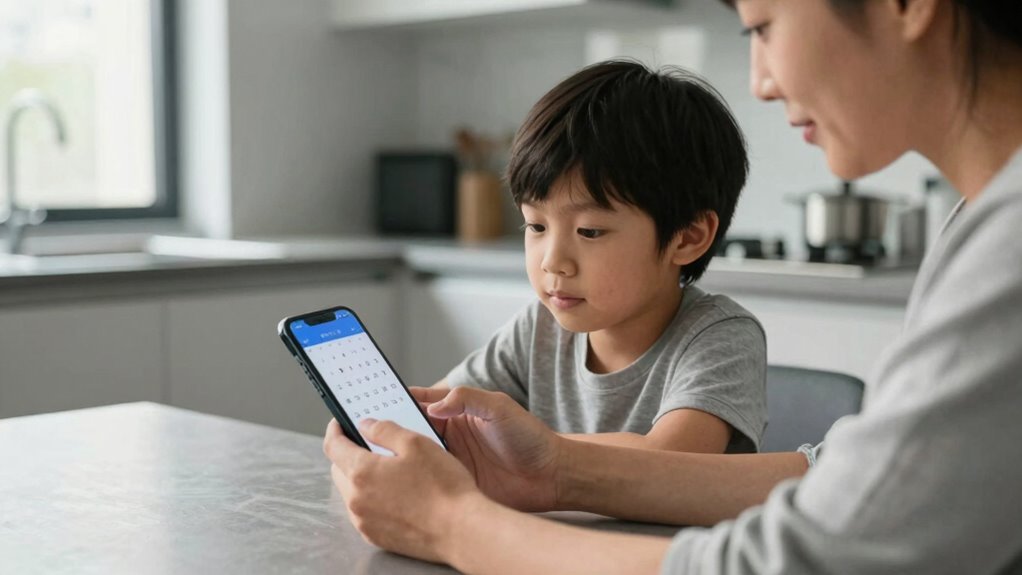
Divorce can complicate school communication, making it essential to establish clear and consistent channels. When you’re steering this new landscape, adopting effective co-parenting strategies is vital. The goal is to present a united front to the school, guaranteeing your child’s needs remain the priority. By collaborating with your ex-partner, you can develop a communication plan that minimizes confusion and prevents conflicts. Agree on who will be the primary contact for teachers, counselors, and administrators, and decide how updates will be shared. This approach not only streamlines interactions but also demonstrates stability for your child. Incorporating free floating elements like designated communication methods can help keep interactions organized and predictable.
Effective messaging is the backbone of maintaining a positive relationship with the school. You want all communication to be clear, respectful, and focused on your child’s well-being. Avoid sharing personal disagreements or criticisms, whether directly or indirectly, through school channels. Instead, keep your messages factual and centered on your child’s academic progress, social interactions, and emotional health. If issues arise, communicate privately and calmly with the relevant staff members, rather than involving the school in your personal disputes. Consistent and transparent communication helps build trust and understanding between you, the school, and your child. Being aware of co-parenting principles can further support smooth interactions and shared responsibilities.
Maintain respectful, focused communication with the school about your child’s progress and well-being, avoiding personal conflicts.
Building a parent-school relationship founded on mutual respect can also help facilitate effective communication and support your child’s educational journey.
Consistency is key when managing school communication after divorce. Both parents should stay aligned on what information is shared and how often updates occur. For example, agree on a schedule for checking emails or messages, and stick to it. If one parent receives important information, they should relay it promptly to the other, fostering transparency. Maintaining this consistency helps prevent misunderstandings and ensures your child’s needs are addressed promptly. Recognizing the importance of communication boundaries**** can prevent conflicts from spilling into your child’s educational environment. Additionally, establishing these boundaries can help protect your child’s privacy and emotional safety.
It’s also helpful to establish boundaries and respect each other’s roles. Remember, school staff are there to support your child’s education and well-being, not to mediate personal conflicts. Keep your communication professional and focused on your child’s best interests. If disagreements happen, handle them outside of school interactions, perhaps through a co-parenting counselor or mediator. This way, the school remains a stable environment for your child, free from parental conflicts. Respecting each other’s roles and maintaining a cooperative attitude can significantly improve your child’s experience at school. Developing a mutual understanding of each other’s needs and limits is crucial for ongoing cooperation.
Ultimately, managing school communication after divorce requires deliberate effort and cooperation. By implementing effective co-parenting strategies and making certain your messaging remains clear and respectful, you create a supportive environment that prioritizes your child’s educational experience. This approach fosters a sense of stability and security, helping your child succeed academically and emotionally despite the changes in family dynamics. Being proactive and intentional about communication can reduce stress and promote a healthier, more collaborative relationship between parents and school staff.
school communication planner for divorced parents
As an affiliate, we earn on qualifying purchases.
As an affiliate, we earn on qualifying purchases.
Frequently Asked Questions
How Can I Ensure My Child’s Privacy Is Protected During School Communication?
You can guarantee your child’s privacy during school communication by setting clear privacy boundaries with staff and requesting confidentiality agreements if needed. Always specify what information should remain private and remind teachers to respect your child’s confidentiality. Regularly check in to confirm that communication aligns with these boundaries. Staying proactive helps protect your child’s personal details and maintains their sense of security at school, promoting a respectful, confidential environment.
What Should I Do if Parents Disagree on Communication Protocols?
If parents disagree on communication protocols, you should first try to find common ground through open, respectful dialogue, applying co-parenting strategies that prioritize your child’s well-being. If disagreements persist, consider consulting a family mediator or legal advisor to understand legal considerations. Document all communications and decisions, ensuring both parents stay informed and involved, which helps prevent misunderstandings and fosters a cooperative approach for your child’s benefit.
How Can I Involve My Child in Communication Decisions?
You should involve your child in communication choices by asking for their preferences and encouraging open dialogue. Explain the importance of sharing their feelings about how they want to communicate with each parent. Allow them to express their needs and reassure them their voice matters. Child involvement in these decisions helps them feel empowered and comfortable, making communication smoother and more effective for everyone.
What Tools Are Best for Secure School-Parent Messaging?
Think of secure messaging tools as a fortress guarding your child’s information. For digital security, apps like ClassDojo and Seesaw offer encrypted communication channels. Always guarantee parental consent before sharing sensitive details, keeping your child’s privacy safe. These tools act as trusted bridges, allowing you to stay connected with teachers without risking data leaks. Choose platforms that prioritize encryption and transparency, so your messages stay secure and your child’s information remains protected.
How Do I Handle Communication if One Parent Is Uncooperative?
When one parent is uncooperative, you should set clear co-parent boundaries to guarantee consistent communication. Focus on maintaining emotional support for your child, and avoid arguing or sharing sensitive details through school channels. Use neutral language and direct the uncooperative parent to the appropriate communication tools or school officials. If needed, involve a mediator or counselor to facilitate respectful, effective communication, prioritizing your child’s well-being.
Conclusion
Maintaining open, respectful communication with your child’s school after divorce helps create a stable environment for your child. By staying involved and cooperative, you reinforce consistency and support their well-being. Some believe that a unified approach minimizes stress and confusion for your child, and research suggests that children fare better when parents work together post-divorce. Remember, your proactive efforts can foster a positive school experience and show your child that they’re loved and supported, no matter what.
Columbus Day / Indigenous Peoples' Day Picks
long weekend sales
As an affiliate, we earn on qualifying purchases.