To foster peaceful co-parenting, set clear boundaries with your ex by focusing on the child’s needs and maintaining consistent, respectful communication. Protect your emotional well-being by establishing limits on personal topics and managing interactions calmly, even during conflicts. Use designated channels like texts or emails to guarantee predictability and clarity. This helps create stability for your child and reduces stress. Keep in mind, maintaining these boundaries is key—discover more ways to navigate this challenging but rewarding journey.
Key Takeaways
- Establish clear communication preferences and stick to them to prevent misunderstandings.
- Focus discussions solely on the child’s needs, avoiding personal or emotional topics.
- Maintain emotional detachment to protect your well-being and promote calm interactions.
- Use respectful, consistent language and designated channels for communication.
- Prioritize a stable, cooperative environment that models healthy boundaries for your child.

When you’re steering through life after a breakup, setting clear boundaries with your ex is essential to protect your emotional well-being. This is especially true if you’re charting co-parenting, where maintaining a healthy relationship directly impacts your child’s happiness. One of the first steps is establishing emotional detachment. It doesn’t mean you stop caring; instead, it means you create a mental space where your ex’s opinions or actions no longer influence your mood or self-worth. Emotional detachment allows you to respond calmly rather than react impulsively, reducing unnecessary conflict. It helps you focus on what’s best for your child rather than getting tangled in unresolved feelings or past grievances. Remember, your priority is to foster a stable environment for your kid, not to fix or rehash the past. Incorporating emotional regulation techniques can further support your ability to maintain these boundaries and respond thoughtfully in challenging situations.
Consistent communication plays a pivotal role in setting boundaries. When you communicate regularly and predictably, it minimizes misunderstandings and prevents emotional chaos from creeping in. Keep conversations straightforward, focused solely on practical matters related to your child’s needs. Avoid unnecessary personal discussions or emotional exchanges that can blur the lines of your boundaries. Using clear, respectful language helps both of you stay on track and reduces the likelihood of misinterpretation. It’s also helpful to decide on communication methods—whether through texts, emails, or scheduled calls—and stick to these preferences to maintain structure and predictability. This consistency reassures your child that their needs are prioritized and that you and your ex are committed to a cooperative co-parenting relationship.
Furthermore, by practicing emotional detachment, you reinforce your boundaries and prevent your ex’s actions from triggering emotional reactions. This not only protects your mental health but also sets a healthy example for your child about handling relationships maturely. When your communication remains consistent and goal-oriented, it demonstrates stability and reliability. This consistency makes interactions less stressful and more productive, allowing you to address issues calmly and efficiently. Over time, these boundaries foster mutual respect and create a more peaceful co-parenting environment.

The Complete Child Custody Journal: Your Comprehensive Tool for Documenting Visitation, Communication, Spending, Child Support, and More | Child Custody Organizer | 8.5-inch X 11"-inch
As an affiliate, we earn on qualifying purchases.
As an affiliate, we earn on qualifying purchases.
Frequently Asked Questions
How Do I Set Boundaries Without Causing Conflict?
You can set boundaries without causing conflict by clearly communicating your needs and limits calmly, focusing on solutions rather than blame. Be aware of your emotional triggers and avoid reacting defensively to boundary violations. Consistently reinforce your boundaries with respectful assertiveness, and stay firm but empathetic. This approach helps prevent misunderstandings, reduces tension, and fosters a cooperative environment, making it easier to maintain peace and avoid unnecessary conflicts.
What Are the Best Ways to Communicate Boundaries?
You should communicate boundaries clearly and calmly, using effective listening to understand your ex’s perspective. Be specific about your needs and avoid ambiguity, so there’s no room for misinterpretation. Practice emotional regulation to stay composed during discussions, even if tensions rise. By remaining respectful and consistent, you create a safe environment for both of you to respect boundaries, fostering a healthier co-parenting relationship.
How Can I Enforce Boundaries Consistently?
You can enforce boundaries consistently by practicing boundary reinforcement daily and staying firm. When your ex oversteps, calmly remind them of your established limits and stick to your guns. Building emotional resilience helps you stay calm and clear-headed during difficult moments. Remember, consistency is key—by repeatedly reinforcing boundaries and maintaining your composure, you create a stable environment for your child and foster respectful co-parenting.
What if My Ex Ignores My Boundaries?
If your ex ignores your boundaries, stay calm and assertive to maintain boundary validation. Use emotional resilience to avoid reacting emotionally and reinforce your limits clearly. Consistently remind them of your boundaries and document any violations. Over time, this consistency helps your ex understand and respect your limits, fostering healthier co-parenting. Remember, your steady, respectful approach encourages mutual respect and reinforces the importance of boundary-setting.
How Do Boundaries Affect the Parent-Child Relationship?
Imagine boundaries as a guiding fence around your child’s heart, shaping trust and security. When you set clear limits, you foster a safe space, nurturing emotional impact and trust rebuilding. These boundaries create consistency, helping your child feel protected and understood. As trust deepens, your parent-child relationship strengthens, allowing love to flourish amid shared care. You build a foundation where emotional bonds grow stronger, even through life’s inevitable challenges.
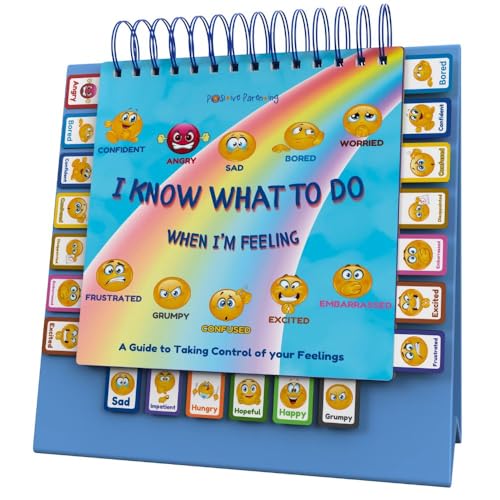
Thought-Spot I Know What to Do Flipbook | Emotions Wheel & Feelings Chart | Emotional Regulation Tool for Home, Class, or Calm Down Corner | Helps Kids Learn Coping Skills | Autism Must-Have
Understand & Express Everyday Feelings: Visually guides children ages 3–5 to recognize and name their emotions. This flipbook…
As an affiliate, we earn on qualifying purchases.
As an affiliate, we earn on qualifying purchases.
Conclusion
Remember, setting boundaries is like drawing clear lines in a peaceful garden. It helps you nurture a respectful space where trust can grow and wounds can heal. Imagine the boundaries as sturdy fences, protecting your peace while allowing your child to thrive inside. With gentle firmness, you create an environment of calm and cooperation. Keep those boundaries steady, and watch your co-parenting journey blossom into a more peaceful, harmonious landscape for everyone involved.
Setting Boundaries with Your Adult Children: Six Steps to Hope and Healing for Struggling Parents
As an affiliate, we earn on qualifying purchases.
As an affiliate, we earn on qualifying purchases.

The Promise of Mediation: The Transformative Approach to Conflict
Used Book in Good Condition
As an affiliate, we earn on qualifying purchases.
As an affiliate, we earn on qualifying purchases.