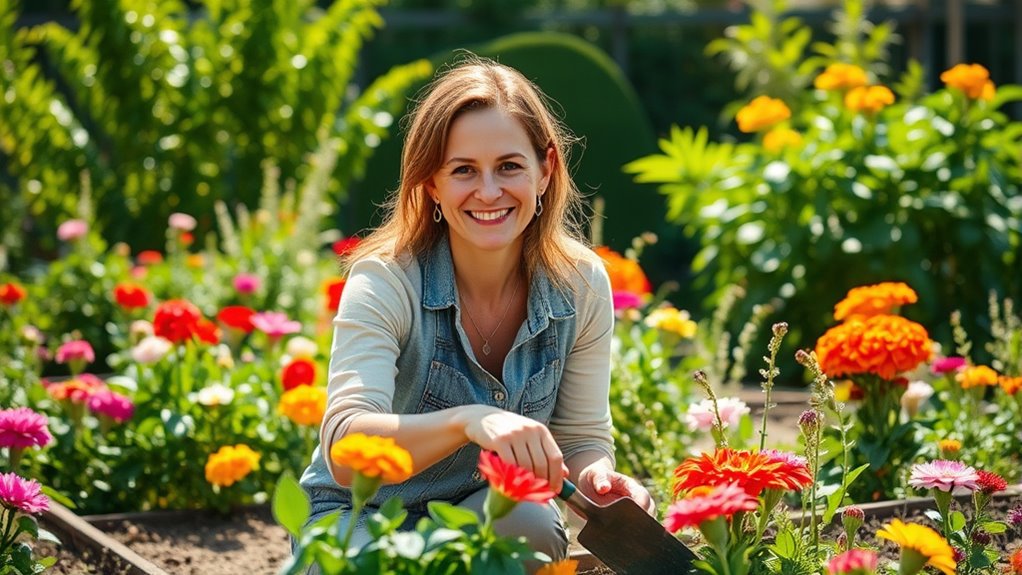

After divorce, volunteering can boost your confidence, help you reconnect with others, and give your life a fresh purpose. You might consider mentoring youth, helping at food banks, or supporting local shelters—these opportunities let you develop new skills and build meaningful relationships. Giving back not only shifts your focus from personal struggles but also fosters resilience and joy. Keep exploring the options available, and you’ll discover how community involvement can transform your healing journey.
Key Takeaways
- Volunteer in youth mentoring programs to foster personal growth and rebuild confidence post-divorce.
- Assist at local food banks or shelters to address community needs and find purpose.
- Engage in causes aligned with your values to create meaningful connections and support healing.
- Push outside your comfort zone by trying new volunteer roles to develop skills and resilience.
- Use community involvement as a self-care tool to gain perspective, boost emotional well-being, and foster renewal.
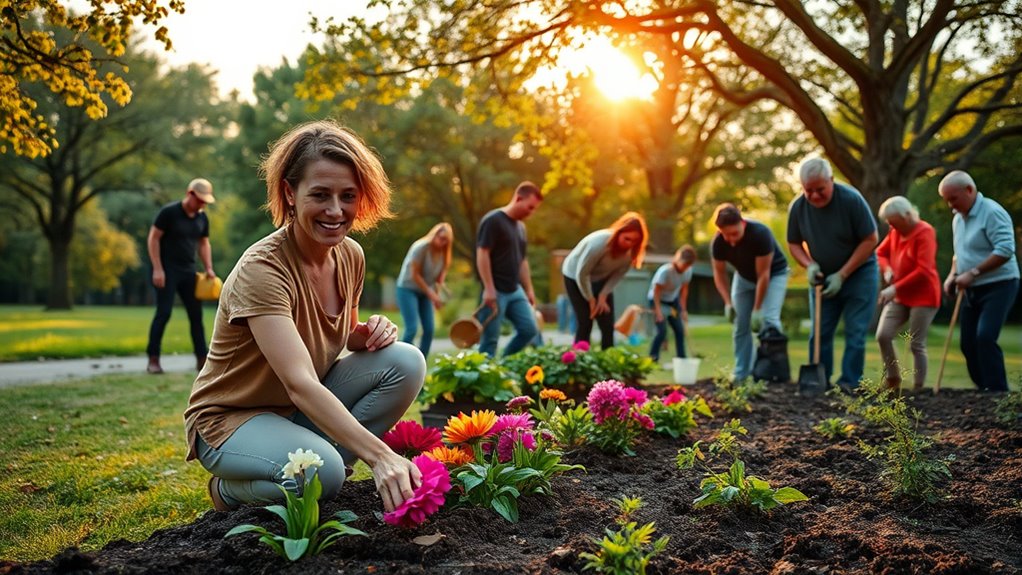
Going through a divorce can be a challenging and emotional experience, but it also opens the door to new opportunities for personal growth. One of the most fulfilling ways to move forward is by engaging in community activities that allow you to give back. Volunteering offers a chance to reconnect with others, rebuild your confidence, and discover new passions. When you participate in community engagement, you’re not only helping those in need but also creating a supportive environment for yourself to heal and grow. This involvement can serve as a powerful reminder that even in difficult times, you can make a positive impact on the world around you.
As you explore volunteer opportunities, you might find that focusing on causes you care about helps you regain a sense of purpose. Whether it’s mentoring youth, assisting at a food bank, or supporting local shelters, these activities foster personal growth by pushing you outside of your comfort zone. You’ll develop new skills, learn more about yourself, and build meaningful connections with diverse groups of people. These interactions can boost your confidence, help you develop empathy, and inspire a renewed sense of hope and resilience. Engaging with your community provides a structured way to channel your energy into something constructive, which can be especially important as you navigate the emotional landscape of divorce.
Furthermore, volunteering can serve as a form of self-care. It shifts your focus away from personal struggles and redirects it toward helping others. This outward focus often leads to increased feelings of gratitude and fulfillment. As you dedicate time to causes that resonate with your values, you’ll find that your perspective broadens, and your emotional well-being improves. Community engagement becomes a catalyst for personal transformation, enabling you to see beyond your own circumstances and recognize the broader human experience. The act of giving back not only benefits those you serve but also enriches your own life, creating a cycle of positivity that feeds your personal growth.
In addition, volunteering can open doors to new social circles, friendships, and even potential opportunities for the future. These connections can be especially meaningful as you rebuild your life post-divorce. The shared experiences and sense of purpose fostered through community involvement can help you develop a stronger sense of belonging. As you continue to participate, you’ll notice how your outlook shifts — from one of loss to one of possibility and renewal. Giving back becomes a essential part of your journey toward healing, helping you move forward with confidence, resilience, and a renewed sense of community engagement.

Note to Self: A Music Director’s Guide for Transitioning to a New School and Building a Thriving Music Program
As an affiliate, we earn on qualifying purchases.
As an affiliate, we earn on qualifying purchases.
Frequently Asked Questions
How Do I Choose the Right Volunteer Opportunity for Me?
To choose the right volunteer opportunity, consider what aligns with your passions and skills. Think about your desire for community involvement and how it can boost your career development. Reflect on causes that resonate with you and fit your schedule. You’ll find greater fulfillment when your volunteer work matches your interests, allowing you to make a meaningful impact while gaining valuable experience that benefits both your personal growth and professional future.
What Are the Emotional Benefits of Volunteering Post-Divorce?
Imagine volunteering at a local shelter, and you start to feel a sense of purpose and connection. This act fosters emotional healing, helping you process feelings of loss and loneliness. Volunteering post-divorce promotes personal growth by boosting self-esteem and providing new perspectives. You actively contribute to others’ lives, which can create a sense of fulfillment and optimism, making your emotional recovery stronger and more resilient over time.
Can Volunteering Help Me Rebuild My Social Life?
Yes, volunteering can help you rebuild your social life by boosting community engagement and increasing your social confidence. As you participate in group activities, you’ll meet new people who share your interests, creating meaningful connections. Engaging in volunteer work also gives you a sense of purpose and belonging, making social interactions more comfortable. Over time, these experiences help you develop lasting friendships and rebuild your social network after divorce.
Are There Specific Volunteer Roles Suited for Recent Divorcees?
Yes, there are volunteer roles suited for recent divorcees that help build support networks and develop skills. Consider volunteering at community centers, where you can connect with others facing similar life changes, or coaching youth sports to enhance leadership abilities. These roles provide social interaction and personal growth, making it easier to rebuild your confidence and expand your support system, all while giving back meaningfully.
How Do I Balance Volunteering With My New Personal Responsibilities?
To balance volunteering with your new responsibilities, prioritize your time management by setting clear boundaries and schedules. Incorporate self-care strategies like regular breaks and relaxation to prevent burnout. Be flexible—choose volunteer roles that fit your current availability and emotional capacity. Remember, volunteering should enrich your life, not add stress. Regularly reassess your commitments to guarantee you’re maintaining a healthy balance between giving back and caring for yourself.

Your Shopping Depot Snack Tote Charity Donation Kit, Makes 25 Kits, Assorted Snacks, 25 Pieces, Volunteer Activity
COMPLETE CHARITY KIT: Makes 10 individual snack tote kits perfect for homeless shelters, food banks, community outreach programs,…
As an affiliate, we earn on qualifying purchases.
As an affiliate, we earn on qualifying purchases.
Conclusion
Taking time to volunteer can truly transform your evolution. By giving back, you’re not just helping others—you’re healing yourself, creating connections, and cultivating confidence. Embrace the opportunity to rebuild your life with purpose and passion. Remember, small acts of service can spark significant self-discovery. So step into these opportunities with an open heart, and watch your world widen, welcoming wisdom, warmth, and a renewed sense of worth. Volunteering isn’t just giving—it’s growing.

Dog House shelter Shaped Charity Donation Coin Collection Money Piggy Bank Ballot Box Animal House Suggestion and Fundraising Box with Cam-Lock and 2 Keys (Blue)
house shaped donation boxes are perfect for charity and non-profit drives
As an affiliate, we earn on qualifying purchases.
As an affiliate, we earn on qualifying purchases.

Small Group Starter Kit (LifeGuide® Bible Studies)
As an affiliate, we earn on qualifying purchases.
As an affiliate, we earn on qualifying purchases.