
At a divorce mediation session, you can expect a structured, collaborative process where a neutral mediator guides you through discussing key issues like child custody, financial division, and support arrangements. The goal is to reach mutually acceptable agreements without going to court. You’ll be encouraged to share your concerns openly and honestly, with the mediator helping clarify disagreements. Keep in mind, understanding what to expect can make the experience smoother—if you keep exploring, you’ll uncover more helpful details.
Listen free for 30 days with Audible
Thousands of audiobooks and originals — cancel anytime.
As an affiliate, we earn on qualifying purchases.
Key Takeaways
- The mediator facilitates open dialogue, guiding discussions without making decisions.
- Both parties share financial information and concerns, promoting honesty and transparency.
- Custody, visitation, and parenting arrangements are discussed with a focus on the children’s best interests.
- Asset division and debts are reviewed to reach an equitable agreement.
- The session aims to develop mutually acceptable solutions, avoiding court battles.

Have you ever wondered how divorce mediation sessions work and whether they can help you reach a fair agreement? When you attend a mediation, you’re stepping into a structured environment designed to facilitate open dialogue and collaborative problem-solving. The mediator’s role isn’t to decide for you but to guide the conversation, ensuring both sides are heard and that discussions stay productive. As you begin, you’ll likely be asked to share your perspective on key issues, including child custody and financial disclosure. These are vital topics because they directly impact your future and your children’s well-being.
In the case of child custody, the mediator helps you and your spouse explore options that prioritize your children’s best interests. You might discuss physical custody arrangements, visitation schedules, and decision-making authority. The mediator encourages you to express your concerns and preferences honestly, fostering understanding and empathy. Instead of adversarial court battles, mediation provides a safe space to craft a custody plan that works for everyone involved. You’re encouraged to be flexible and creative, focusing on what will best serve your children’s needs.
Mediation helps you and your spouse create a custody plan that truly serves your children’s best interests.
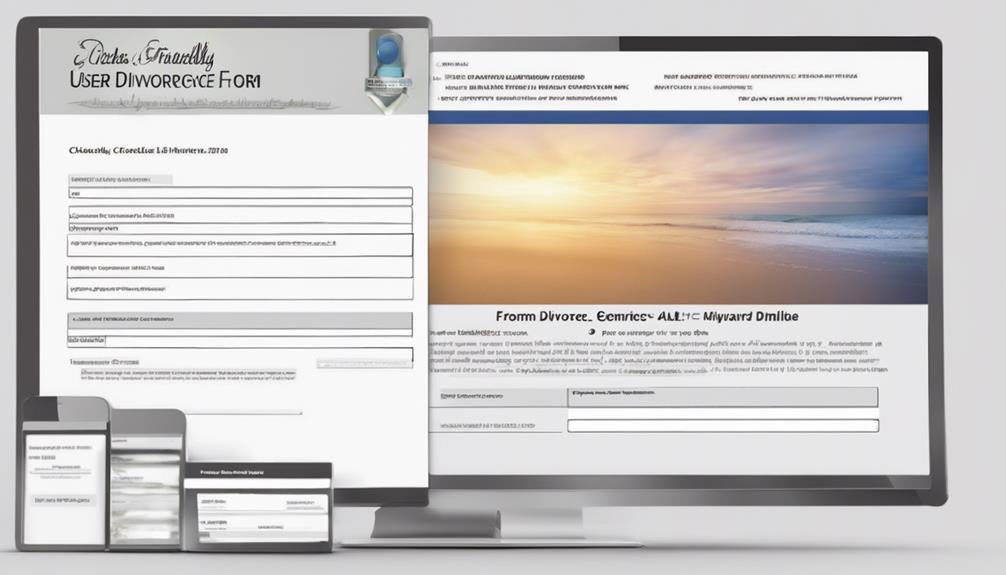
Financial disclosure is another key element in the process. During mediation, both parties are typically required to provide full and honest financial information. This transparency allows the mediator to help you develop a fair division of assets and debts, child support, and alimony arrangements. You won’t be able to hide assets or income, as the goal is to create an equitable agreement based on accurate data. The mediator may ask you to prepare financial statements ahead of time, making the process more efficient. If discrepancies or disagreements arise, the mediator can help clarify and resolve them, but the ultimate aim is to reach consensus without the need for court intervention. Additionally, understanding the role of a mediator can help you appreciate how the process is designed to promote cooperation rather than conflict.
Throughout the session, expect a series of conversations rather than a one-time negotiation. The mediator might suggest separate meetings if needed, especially when sensitive topics like financial disclosure or parenting concerns come up. You’ll have opportunities to ask questions, express your concerns, and propose solutions. Keep in mind that the tone is collaborative, not confrontational. You’re working towards an agreement that respects both your interests and those of your children.
divorce mediation financial disclosure forms
As an affiliate, we earn on qualifying purchases.
As an affiliate, we earn on qualifying purchases.
Frequently Asked Questions
How Long Does a Typical Mediation Session Last?
A typical mediation session lasts about 1 to 2 hours, but the mediation duration can vary depending on the complexity of your issues and cooperation levels. Session length is usually flexible, allowing your mediator to spend more time on difficult topics if needed. You should be prepared for multiple sessions if your case requires it. Ultimately, the goal is to reach an agreement efficiently while ensuring all concerns are addressed thoroughly.
Can I Bring an Attorney to the Mediation?
Yes, you can bring an attorney to the mediation. Having legal representation or attorney presence can help you better understand your rights and options during discussions. However, it’s crucial to check with the mediator beforehand, as some sessions prefer a more informal setting without attorneys to encourage open communication. Bringing an attorney can make the process more comfortable, but it might also influence the dynamics and cost of the mediation.
What if We Can’t Reach an Agreement?
If you can’t reach an agreement during mediation, don’t worry. You can explore alternative dispute resolution options like arbitration or litigation. Staying emotionally prepared helps you navigate setbacks calmly. Remember, mediation aims to find common ground, but if that doesn’t happen, other methods are available to resolve your dispute. Keep communication open, focus on your goals, and consult your attorney for guidance on next steps.
Are Mediation Sessions Confidential?
Yes, mediation sessions are confidential. Confidentiality rules guarantee that what you discuss stays private, encouraging open communication. The mediator maintains neutrality and doesn’t share information outside the session unless required by law or if there’s a safety concern. This confidentiality helps both parties feel comfortable expressing their true feelings and working toward an agreement without fear of information being used against them later.
How Much Does Divorce Mediation Usually Cost?
Divorce mediation costs typically range from $100 to $300 per hour, depending on your location and the mediator’s experience. Mediation fees are generally shared between both parties, making it more affordable than going to court. Keep in mind, the total cost varies based on the complexity of your case and how many sessions you’ll need. You can discuss payment options with your mediator to find a plan that works for you.
Conclusion
As you step into your divorce mediation session, remember it’s like steering a ship through calm waters—challenging but manageable. With open communication and a willingness to find common ground, you can steer toward a resolution that benefits both of you. Think of this moment as your own Odysseus journey—facing obstacles, but ultimately reaching a peaceful shore. Trust the process, stay focused, and you’ll find your way to a new beginning.
Fall Picks
fall essentials
As an affiliate, we earn on qualifying purchases.