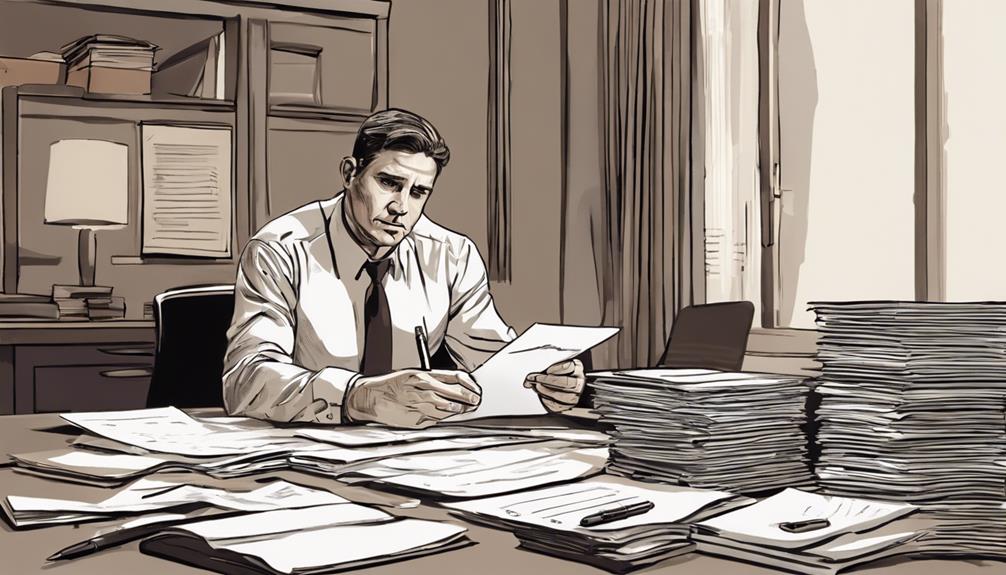
Choosing the right time to file for divorce means ensuring you’re emotionally and financially prepared. Don’t rush into proceedings during intense emotional distress, as impulsive decisions can lead to regrets. Wait until you’ve processed your feelings and achieved some financial stability to make more strategic choices. Proper timing can make the process smoother and improve outcomes. Keep exploring to discover how aligning your readiness with the right moment can set you up for success.
Key Takeaways
- Ensure emotional readiness to handle the process calmly and communicate effectively.
- Wait until you have achieved financial stability and organized necessary documentation.
- Consider timing the filing during periods of emotional clarity, not impulsive reactions.
- Choose a moment when both parties are less likely to escalate conflicts or legal complications.
- Strategically file when you are prepared to navigate negotiations and protect your rights confidently.

Deciding when to file for divorce can substantially impact the outcome of your case and your emotional well-being. Timing is essential because it influences not only how smoothly the legal process goes but also how you handle the emotional toll of ending a marriage. Before making a move, you should evaluate whether you’re emotionally ready to face the challenges ahead. Divorce can be draining, and acting impulsively during a period of intense anger or sadness may lead to decisions you’ll regret later. Take the time to process your feelings, guaranteeing you’re in a mental space where you can approach the situation with clarity and resilience. This emotional readiness helps you communicate more effectively with your partner, your lawyer, and the courts, reducing misunderstandings and potential conflicts. Additionally, understanding the ideal timing can help you leverage high-impact moments in negotiations or court proceedings to your advantage. Financial stability is another indispensable factor in choosing the right time to file. Divorce often involves financial upheaval, from dividing assets to determining support obligations. If you’re not financially prepared, you risk unnecessary stress and complications that can prolong the process. It’s wise to assess your financial situation thoroughly—know your income, debts, and assets—and have a plan for how you’ll support yourself during and after the divorce. Waiting until you have a stable income or savings can prevent additional hardship and make the transition smoother. It’s also essential to consider whether your spouse might have access to shared resources or if there are any legal or financial issues that need resolution before filing. Timing your divorce when you’re emotionally ready and financially stable allows you to approach the process more strategically. Rushing into divorce under emotional distress or financial uncertainty can lead to poor decisions, increased conflict, and longer legal battles. It’s often better to wait until you’ve achieved a certain level of emotional clarity and financial security, even if it means postponing your filing date. This approach gives you space to plan your next steps, gather necessary documentation, and guarantee your rights and interests are protected. Remember, divorce is a major life change, and taking the time to prepare emotionally and financially can make the entire process less overwhelming and more manageable. Ultimately, choosing the right moment isn’t just about timing; it’s about guaranteeing you’re in the best position to navigate this transition with strength and confidence.
Frequently Asked Questions
How Does Seasonal Timing Affect Divorce Proceedings?
Seasonal timing can greatly impact your divorce proceedings. During holidays, you might face delays due to court closures or reduced staff, leading to holiday court delays. Additionally, seasonal emotional impact can make it harder to make clear decisions or negotiate effectively. Planning your filing around calmer, less busy times can help you avoid unnecessary stress and ensure smoother progress in your divorce process.
Can Filing During a Holiday Impact Court Decisions?
Filing during a holiday can cast your case in a different light, like a ripple in still water. The holiday influence and calendar timing might sway court decisions, as judges could see your timing as strategic or insensitive. While courts aim for fairness, they also recognize emotional and logistical factors. So, consider how holiday influence might impact perceptions, and choose a moment when your case stands on steady ground, not holiday tides.
What Financial Considerations Should I Evaluate Before Filing?
Before filing, you should evaluate how asset division will impact your financial situation and consider potential tax implications. Review your assets and debts to understand what you’ll need to divide. Consult a financial advisor or attorney to assess how divorce might affect your taxes and future financial stability. Making informed decisions now can help you protect your interests and ensure a smoother process later.
Does the Time of Year Influence Divorce-Related Emotional Readiness?
Yes, the time of year can majorly influence your emotional readiness, especially around holiday stress. Seasonal emotional swings might make you feel overwhelmed or more vulnerable, impacting your decision to file. You could find yourself caught in a whirlwind of emotions, making it harder to think clearly. Consider waiting until after the holidays when you’re more emotionally stable, so you can approach this life-changing step with clarity and confidence.
Are There Legal Deadlines Linked to Specific Times of the Year?
Yes, seasonal legal deadlines and court holiday schedules can impact when you file for divorce. You might face delays if courts close for holidays or have limited hours during certain times of the year. It’s smart to verify your local court’s calendar to avoid missing important deadlines or facing processing delays. Planning your filing around these schedules ensures you stay on track and prevent unnecessary setbacks in your divorce process.
Conclusion
Ultimately, finding the best moment to file for divorce is like waiting for the perfect sunrise—it requires patience and intuition. Trust yourself to recognize when the time feels right, even if it’s just a gentle whisper rather than a loud call. Remember, this isn’t about rushing toward an ending but guiding yourself toward a brighter horizon. When the stars align, you’ll know it’s time to step forward, embracing a new chapter with hope and confidence.