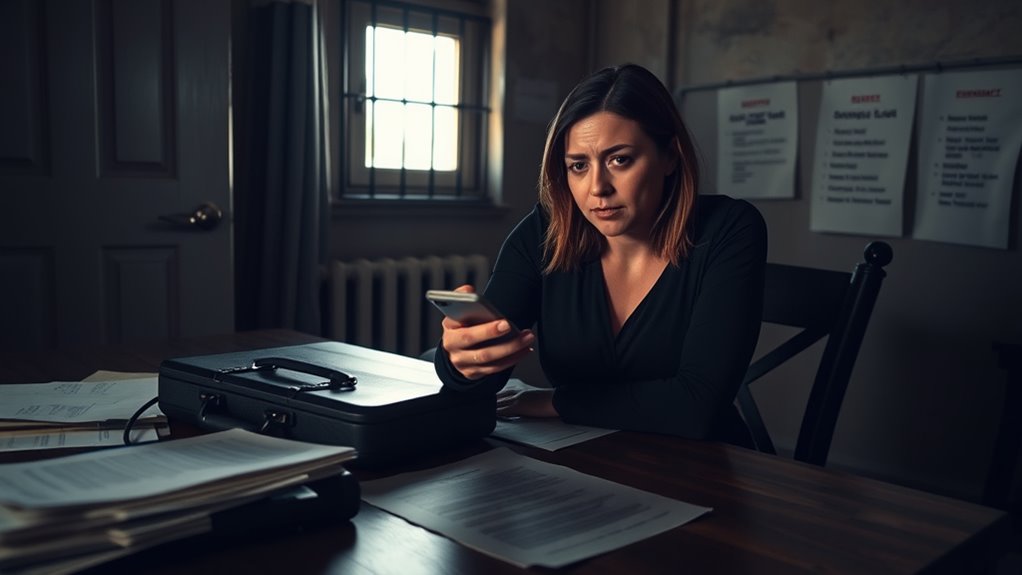

If you’re going through divorce with an abusive partner, it’s crucial to develop a safety plan. Reach out to trusted friends, family, or support groups for emotional strength. Consult a lawyer for protective orders, custody, and safety measures, and document any abuse. Identify a safe place in case you need to escape quickly, pack essentials, and keep copies of important documents outside your home. Prioritize your safety by establishing clear boundaries and legal limits—there’s more to contemplate to help you stay safe.
Key Takeaways
- Consult with an experienced attorney to establish legal boundaries and protective measures.
- Develop an emergency safety plan, including safe locations and essentials like IDs and important documents.
- Seek emotional support from trusted friends, family, or counselors to cope with stress and fear.
- Document abuse incidents thoroughly to support legal actions like protective orders.
- Limit ongoing contact and enforce legal boundaries to ensure ongoing safety during and after divorce.
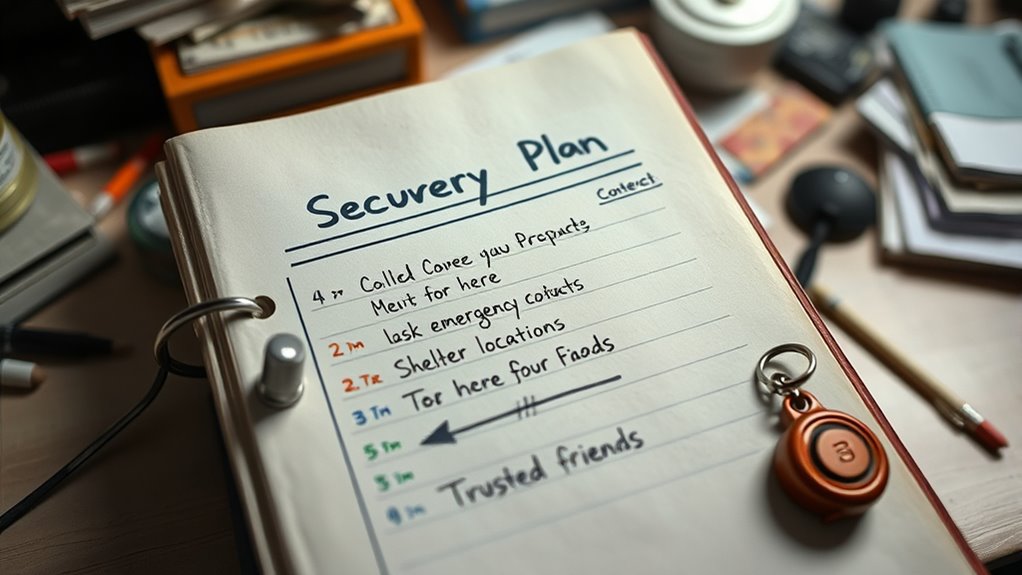
Divorce can be complex, but when abuse is involved, safety becomes a top priority. You might feel overwhelmed, scared, or unsure about how to proceed, and that’s completely understandable. During this challenging time, securing emotional support is essential. Reach out to trusted friends, family members, or support groups who can listen, offer reassurance, and help you stay grounded. Talking to a counselor or therapist can also provide a safe space to process your feelings and develop coping strategies. Remember, you don’t have to face this alone; emotional support can be your anchor as you navigate the legal and emotional hurdles ahead.
Legal considerations are equally critical in an abusive divorce. You’ll want to consult with an experienced attorney who understands the complexities of abuse cases. They can help you understand your rights, such as obtaining protective orders, custody arrangements, and safety measures to prevent your abuser from accessing you or your children. It’s necessary to document any abuse—photos, texts, emails, or police reports—as this evidence can be essential in legal proceedings. Your attorney can guide you through the process of filing for restraining orders or other protective measures to safeguard your safety during and after the divorce process. Additionally, understanding the ice cream flavors and ingredients involved in different legal and protective options can help you make informed decisions.
Planning ahead is key to protecting yourself legally and emotionally. Create a safety plan that includes a trusted friend or family member you can contact in emergency situations, a safe place to go if you need to leave quickly, and a packed bag with essentials like identification, money, and important documents. Knowing your legal options in advance can help you act swiftly if your situation escalates. Keep copies of critical documents, such as your birth certificate, social security card, and any legal notices, in a secure location outside your home.
It’s also important to establish boundaries with your abuser, especially if ongoing contact is unavoidable. Work with your lawyer to set clear, legally enforceable limits that protect your well-being. Remember, your safety and peace of mind are paramount. While the legal system can seem intimidating, a knowledgeable attorney can help you navigate it with clarity. Combining emotional support with solid legal planning gives you a stronger footing, empowering you to make decisions that prioritize your safety and future stability. You deserve to move forward free from fear, with the resources and support needed to rebuild your life securely.

276PCS First Aid Kit Home Car Camping Hiking Emergency Supplies Small Compact Lovely Bag for School Outdoor, Basic Outdoor Essentials Survival Kit for Travel AMORNING
Compact Lightweight Must Have Essentials Bag – The overall dimension of the small first aid kit is 7.8"…
As an affiliate, we earn on qualifying purchases.
As an affiliate, we earn on qualifying purchases.
Frequently Asked Questions
How Can I Find a Safe Place to Stay During Divorce Proceedings?
You can find a safe place during your divorce by reaching out to local shelters or trusted friends and family. Make a safety plan that includes emergency contacts you trust, and keep essential items ready in case you need to leave quickly. Contact local support services or hotlines for assistance. Remember, your safety is the top priority, so don’t hesitate to seek help and establish a secure, reliable place to stay.
What Legal Protections Are Available for Victims of Domestic Abuse?
Did you know that nearly 1 in 4 women experience intimate partner violence? You can seek legal protections like restraining orders that restrict visitation and address custody considerations, providing safety for you and your children. Courts prioritize your safety and may impose restrictions on visitation to prevent abusers from harming you. Consulting with a legal professional helps guarantee your rights are protected and your safety is prioritized during the divorce process.
How Do I Document Abuse for Legal Purposes?
You should start by collecting evidence through detailed records of each incident, including dates, times, locations, and descriptions. Save any physical evidence like photos or messages, and consider recording conversations if legally permissible. To preserve your privacy, store this evidence securely and avoid sharing it unnecessarily. Maintaining organized documentation helps when presenting your case legally, ensuring your evidence remains credible and protected throughout the process.
Can I Change My Contact Information to Avoid Harassment?
Yes, you can change your contact information to avoid harassment. Start by updating your emergency contacts and informing trusted friends or family. Consider changing your phone number, email, and social media handles for better digital security. Make sure to notify your service providers and update any legal documents. This proactive step can create a safer environment, but stay vigilant—harassment can still happen. Keep a safety plan ready, just in case.
What Resources Are Available for Emotional Support During Divorce?
During your divorce, you can find emotional support through support groups and counseling, which help build emotional resilience. These groups connect you with others going through similar experiences, offering understanding and advice. Additionally, therapists or counselors can provide personalized strategies to cope with stress and emotional challenges. Remember, seeking support is a strong step toward healing, and you don’t have to face this difficult time alone.

DocSafe Document Bag with Lock,Fireproof 3-Layer File Storage Case with Water-Resistant Zipper,Document Safe Portable Travel Home Organizer Bag for Laptop,Files,Certificates,Gifts for Him,Black
Fireproof and water-resistant safe: Fireproof file storage bag is made of double layered non-itchy silicone coated fiberglass which…
As an affiliate, we earn on qualifying purchases.
As an affiliate, we earn on qualifying purchases.
Conclusion
Remember, your safety is the anchor in this storm. Just as a lighthouse guides ships away from danger, your safety plan lights the way through the darkness of abuse and divorce. Trust your instincts and lean on support systems—you’re stronger than you think. Keep this plan close, adapt as needed, and never forget: you deserve safety, respect, and peace. Stand firm, because your future can be brighter than the shadows of today.

SABRE Pepper Spray – Quick Release Keychain for Easy Carry & Fast Access, Max Police Strength Self Defense OC Spray With UV Dye, 10 Sec. Spray Time, Finger Grip – Faster Aim, 0.54 fl oz, Secure Safety
TRUST THE PROFESSIONALS: SABRE is the #1 Pepper Spray brand trusted by police and consumers worldwide, including New…
As an affiliate, we earn on qualifying purchases.
As an affiliate, we earn on qualifying purchases.

Adams Sales Order Book, 2-Part, Carbonless, White/Canary, 4-3/16 x 7-3/16 Inches, 50 Sets per Book (DC4705)
QUALITY INVOICES: Adams Order books provide a professional invoice or customer receipt; a great way to create and…
As an affiliate, we earn on qualifying purchases.
As an affiliate, we earn on qualifying purchases.