To avoid negative coping mechanisms like alcohol and drugs, it’s important to recognize your triggers and find healthier ways to handle stress. Building skills such as talking to trusted people, practicing mindfulness, or staying active can help you manage emotions more effectively. Remember, replacing harmful habits takes time, but it benefits your mental and physical health in the long run. Keep exploring ways to strengthen your coping strategies to support lasting well-being.

Get gifts for the two of you delivered free with Prime
- Fast, free delivery on millions of items
- Prime Video, Amazon Music and more included
- Member-only deals all year
Key Takeaways
- Recognize and acknowledge your emotional struggles to address underlying issues instead of avoiding them.
- Develop healthy coping strategies like mindfulness, physical activity, and talking to trusted people.
- Seek professional support through therapy or support groups to learn constructive stress management techniques.
- Replace unhealthy habits gradually by engaging in hobbies or activities that promote well-being.
- Build awareness of triggers and patterns that lead to negative coping to prevent reliance on harmful behaviors.
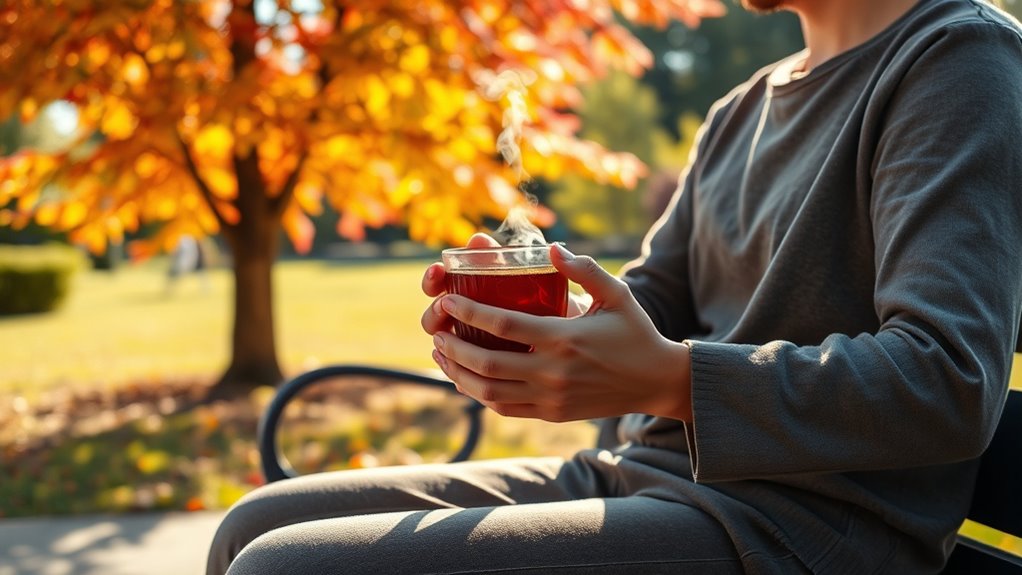
Many people turn to negative coping mechanisms—such as substance abuse, emotional avoidance, or self-harm—to manage stress and emotional pain. It’s a common response, with about 77% of Americans reporting that they use at least one unhealthy strategy, such as drinking excessively, gambling, binge eating, or excessive screen time, to handle their mental health struggles. Adolescents are particularly vulnerable; over a quarter of them have engaged in nonsuicidal self-injury (NSSI), and many turn to acting out or emotional fixation as a way to cope. These behaviors often seem to provide temporary relief, but they rarely solve the underlying issues. Instead, they tend to reinforce negative emotions and create a cycle that’s difficult to break. NSSI is often used as a method to regulate overwhelming psychological distress. You might find yourself using these coping methods because they feel immediate and accessible. For instance, turning to alcohol or drugs can numb emotional pain temporarily, and withdrawing from social interactions might seem easier than confronting difficult feelings. However, these strategies often lead to worse outcomes over time. Substance abuse can develop into addiction, and reckless behaviors—like risky driving or theft—can have serious consequences. Emotional suppression or avoidance may give you a break from distress in the short term, but they prevent you from addressing the root causes of your struggles, which only makes your mental health worse in the long run. Over time, persistent use of negative coping mechanisms can lead to increased anxiety, depression, and physical health issues, creating a feedback loop of worsening distress.
Many turn to harmful coping strategies like self-harm or substance use to deal with stress, often reinforcing negative feelings.
It’s important to recognize that negative coping doesn’t always mean you’re less resilient; it’s often a sign that you lack healthier alternatives or coping skills. Many people are aware that these behaviors are harmful but feel stuck because they lack support or knowledge of better strategies. Despite understanding that substance misuse or self-harm mask deeper problems, stopping these patterns can be incredibly challenging. Developing healthier coping strategies—such as talking to trusted friends, practicing mindfulness, or engaging in physical activity—can make a significant difference. These approaches help you process emotions more effectively and build resilience over time.
Avoiding negative coping isn’t about avoiding problems altogether; it’s about finding healthier ways to face them. If you recognize that your current habits aren’t helping, reaching out for support can be a vital step. Therapy, support groups, or educational resources can provide tools to manage stress without resorting to harmful behaviors. Remember, changing ingrained patterns takes time and effort, but choosing healthier coping mechanisms can lead to better mental and physical well-being. Your ability to adapt and seek help is key to breaking free from the cycle of negative coping and building a more resilient, fulfilling life.
mindfulness meditation for stress relief
As an affiliate, we earn on qualifying purchases.
As an affiliate, we earn on qualifying purchases.
Frequently Asked Questions
How Can I Identify if I’M Relying on Negative Coping Mechanisms?
You can tell you’re relying on negative coping mechanisms if you notice behaviors like turning to alcohol or drugs, overeating, self-harm, withdrawing from friends, or impulsive spending. Pay attention to feelings of increased anxiety, depression, mood swings, low energy, or making rash decisions. Recognizing these signs helps you understand when you’re avoiding problems and can motivate you to seek healthier strategies, like talking to someone or practicing mindfulness.
What Are Healthy Alternatives to Alcohol for Stress Relief?
Think of stress relief as a garden—you need the right tools to nurture it. You can walk or jog to release endorphins, shaping a vibrant bloom of mood. Practice mindfulness and deep breathing to calm your mind’s storm. Share moments with friends or immerse yourself in hobbies like painting or gardening, watering your emotional roots. Swap alcohol for adaptogenic drinks or herbal teas, letting natural remedies help your stress fade into the background.
How Do I Support Someone Struggling With Negative Coping Strategies?
You support someone struggling with negative coping strategies by listening without judgment, encouraging open communication, and offering emotional support. Suggest healthy activities like exercise, hobbies, or relaxation techniques, and help them connect with trusted friends or professionals. Set clear boundaries around harmful behaviors, and gently guide them toward seeking professional help if needed. Your consistent presence and understanding can boost their resilience and motivate positive changes over time.
Are There Professional Treatments for Dependency on Negative Coping Mechanisms?
Yes, there are professional treatments for dependency on negative coping mechanisms. You can seek behavioral therapies like cognitive-behavioral therapy (CBT), which helps change harmful thought patterns. Counseling services, medication-assisted treatment (MAT), and support groups also play essential roles in recovery. Working with healthcare professionals ensures personalized plans that address your specific needs, helping you develop healthier coping skills and build resilience for long-term well-being.
How Can I Build Resilience Without Turning to Harmful Habits?
You can build resilience by embracing healthy habits instead of harmful ones. Get moving with regular exercise, practice mindfulness or self-compassion, and nurture strong social connections. Engage in activities that bring joy and foster gratitude. Remember, facing challenges head-on with positive strategies not only strengthens your emotional muscles but also proves that avoiding harmful habits is the real way to grow stronger and more resilient over time.
Conclusion
Remember, choosing healthy ways to cope is like tending a delicate garden—each positive action plants seeds of resilience, while negative habits can be like weeds choking your growth. You hold the watering can, so nurture your mind and spirit with kindness and patience. When storms of stress roll in, stand firm like a sturdy tree, rooted in healthy habits. Your inner landscape flourishes when you tend it with care, guiding you toward brighter, more resilient days ahead.
Columbus Day / Indigenous Peoples' Day Picks
long weekend sales
As an affiliate, we earn on qualifying purchases.