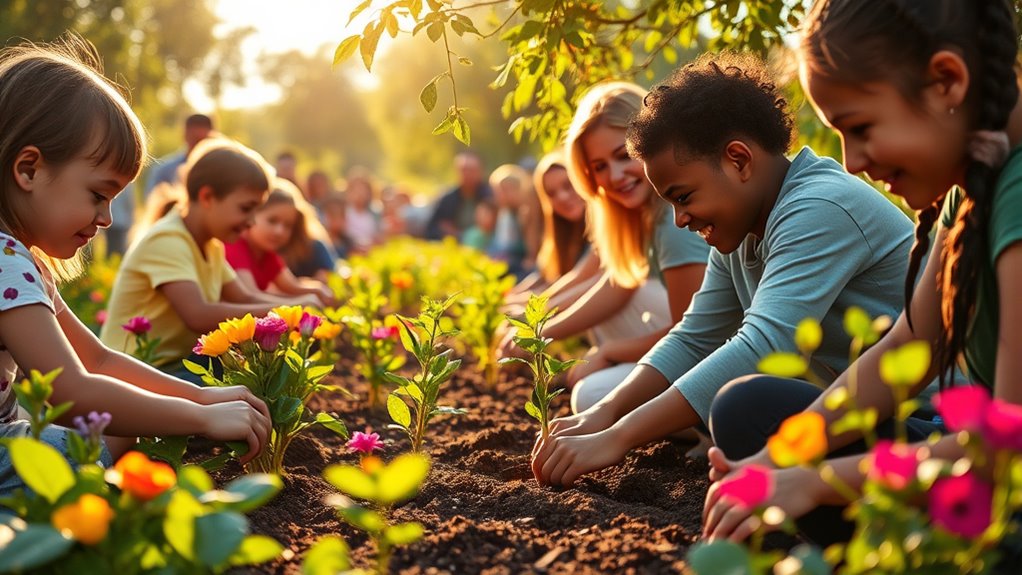

Volunteering and community work can be powerful ways to heal emotionally, physically, and socially. When you get involved, you’ll boost your mood by releasing feel-good chemicals like serotonin and dopamine, helping decrease anxiety and depression. These activities also foster meaningful connections, reduce feelings of loneliness, and give you a sense of purpose. Plus, they improve your physical health and build resilience over time. Keep exploring to discover how you can open even more benefits through community engagement.
Key Takeaways
- Volunteering boosts emotional well-being by releasing mood-enhancing chemicals like serotonin, dopamine, and endorphins.
- Engaging in community work fosters social connections, reducing loneliness and promoting a sense of belonging.
- Participating in volunteer activities provides purpose, enhances self-esteem, and encourages personal growth.
- Community involvement promotes physical activity and cognitive engagement, supporting overall health and resilience.
- Volunteering creates emotional buffers that help manage stress, anxiety, and daily challenges effectively.
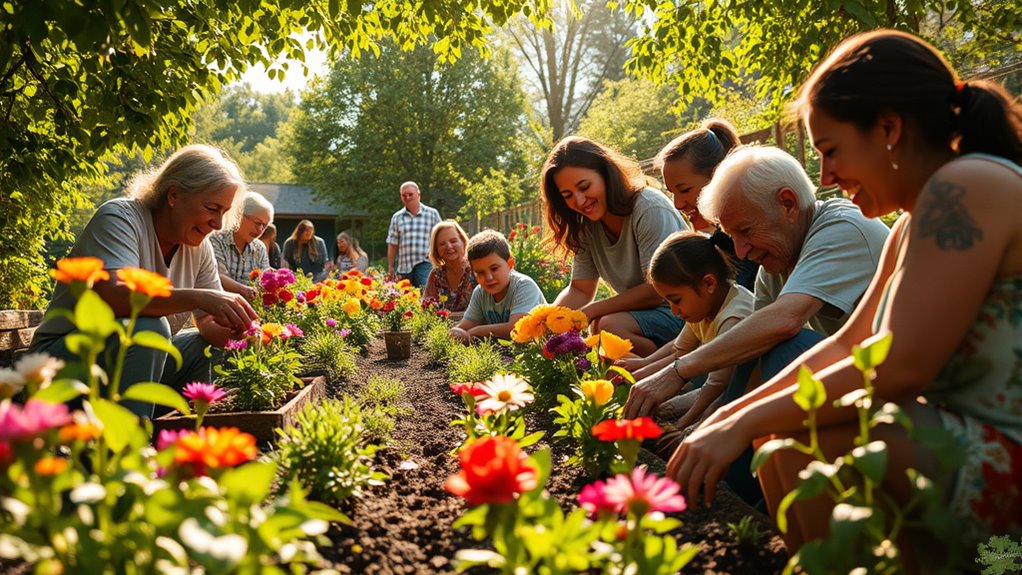
Have you ever wondered how volunteering can serve as a powerful tool for healing? When you dedicate your time to helping others, you’re not just making a difference in their lives—you’re also nurturing your own well-being. Engaging in community work has been shown to reduce depression, especially among older adults and women. While the effects vary across different groups, many volunteers report feeling less anxious, experiencing higher self-esteem, and feeling happier and more satisfied with their lives. This isn’t coincidental. Volunteering activates your brain’s reward system, releasing mood-boosting chemicals like serotonin, dopamine, and endorphins. These natural chemicals help you manage stress better and lift your spirits, creating an emotional buffer that makes daily challenges easier to handle. As you continue to volunteer, you might notice a decrease in feelings of depression and anxiety, particularly if you’re over 65, because the activity promotes emotional resilience and a sense of accomplishment. Additionally, engaging in activities that stimulate your mind and body, such as community service, can further enhance these benefits.
Volunteering boosts mood and resilience by activating the brain’s reward system and releasing feel-good chemicals.
Beyond emotional benefits, volunteering also offers tangible physical health advantages. If you’re an older adult, regular participation in community activities can lead to better overall health and even lower mortality rates. Staying active through volunteer work encourages movement and cognitive engagement, both essential for maintaining vitality. The stress reduction that comes with volunteering doesn’t just improve your mood—it also lowers risks associated with heart disease, stroke, and mental health issues like depression and anxiety. Many volunteers report feeling more energetic and lively, thanks to the social and physical activity involved. These health benefits often stem from behavioral reinforcement and stronger social connections, which motivate you to stay active and engaged.
Volunteering also helps foster social connection and a sense of belonging. By participating in community work, you build meaningful relationships that buffer against loneliness and social isolation. These interactions reinforce your sense of belonging and provide emotional support, which are key for mental and physical health. As you develop new friendships and become more involved in your community, you’ll find your social network expanding, strengthening your feeling of connectedness. This sense of social integration not only improves your psychological well-being but also contributes to your physical health, creating a positive cycle of support and engagement. Research indicates that social connections are crucial for overall health and longevity.
Finally, volunteering gives you a renewed sense of purpose and identity. Contributing to something larger than yourself fosters a feeling that you matter and can make a difference. This sense of purpose boosts self-efficacy and self-esteem, especially important as you age. Feeling valued through service reinforces your social role and can motivate healthier lifestyle choices. Additionally, volunteering offers opportunities to develop new skills and stimulate your mind. Whether learning new tasks or applying existing talents, you enhance your confidence and mental acuity, making community work a powerful avenue for personal growth and healing.
Frequently Asked Questions
How Does Volunteering Improve Mental Health?
You improve your mental health by volunteering because it reduces depression and anxiety, especially in older adults. When you volunteer, your brain releases mood-boosting chemicals like serotonin, dopamine, and endorphins, making you feel happier. It also helps you build social connections, giving you a sense of belonging and support. Plus, volunteering provides purpose, boosts self-esteem, and keeps your mind active, all of which contribute to better emotional well-being.
Can Community Work Help With Personal Trauma Recovery?
Community work can profoundly aid your personal trauma recovery. For instance, joining a peer support group allows you to share experiences, gain validation, and build trust. This mutual aid fosters resilience, reduces feelings of isolation, and helps you regain a sense of control. Engaging in community activities also connects you with resources and supportive relationships, which collectively promote healing and empower you to move forward from trauma.
What Types of Volunteering Are Most Therapeutic?
You’ll find that engaging in social, meaningful, and responsibility-filled volunteering roles are most therapeutic. Activities that connect you to your community, foster social bonds, and provide tangible results boost your mood and self-esteem. Physical or cognitively stimulating tasks, like caregiving or skill-based work, also promote healing. Consistent involvement helps you develop a sense of purpose, reduce loneliness, and improve overall mental well-being, making your volunteering experience truly transformative.
How Does Volunteering Influence Long-Term Emotional Well-Being?
You find that volunteering boosts your long-term emotional well-being by providing a sense of purpose and meaning, which enhances life satisfaction and self-esteem. Regularly engaging in altruistic activities helps you build social connections, reducing feelings of loneliness and stress. These positive effects foster emotional resilience, improve mood, and lower the risk of depression and anxiety over time, making volunteering a powerful tool for sustained psychological health.
Are There Age-Specific Benefits of Community Service?
You’ll find that community service offers age-specific benefits. For older adults, volunteering can slow biological aging, reduce mortality risks, and improve physical health and emotional well-being. Meanwhile, younger volunteers develop skills, build social connections, and adopt healthier behaviors that set a foundation for healthy aging. Each age group gains unique psychosocial and physical advantages, making community service a valuable activity throughout your life.
Conclusion
As you give back through volunteering, you not only help others but also find healing within yourself. Engaging in community work boosts your mental well-being and fosters a sense of purpose. Did you know that volunteers are 27% more likely to report feeling happier and less stressed? So, keep reaching out and making a difference—your efforts can transform lives, including your own. Embrace the healing power of community, and watch your life flourish.