

Yoga and mind-body exercises are powerful tools for healing, helping you reduce stress, ease chronic pain, and improve sleep quality. They boost emotional resilience, support mental clarity, and enhance physical health by building strength and flexibility. These practices also aid recovery from illness, manage conditions like diabetes, and foster overall well-being. As you explore further, you’ll discover how incorporating these techniques can bring lasting balance to your mind and body.
Key Takeaways
- Yoga and mind-body exercises reduce stress, anxiety, and depression, promoting emotional healing and resilience.
- These practices improve sleep quality and support neuroplasticity, enhancing cognitive function and mental clarity.
- They help manage chronic conditions like back pain, heart disease, and diabetes through physical and respiratory improvements.
- Yoga aids recovery from addiction, trauma, and chronic illnesses by supporting emotional stability and physical healing.
- Regular practice fosters mindfulness, self-awareness, and better lifestyle choices, contributing to overall well-being.
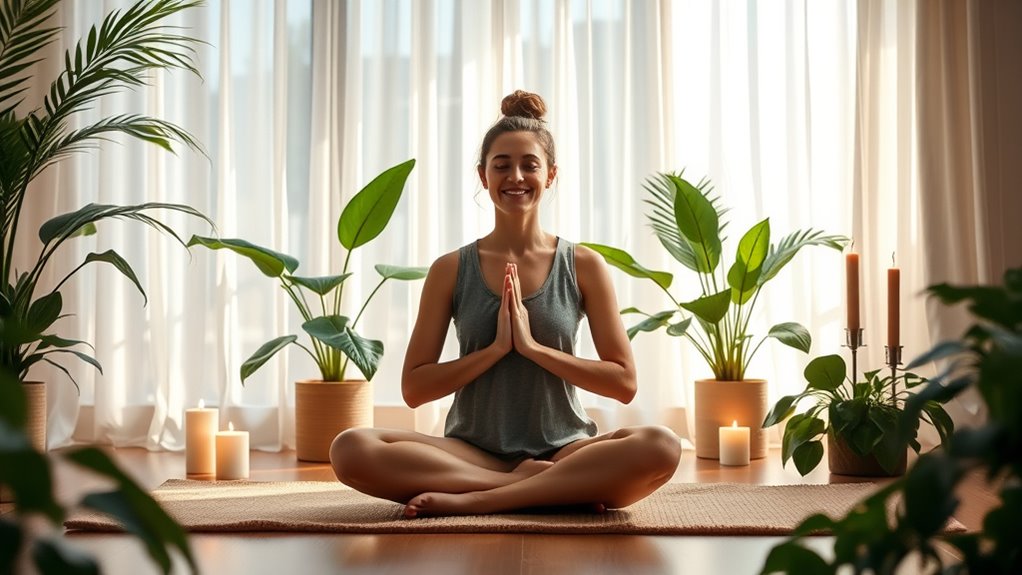
Yoga and mind-body exercises offer powerful tools for healing and enhancing overall well-being. When you incorporate these practices into your routine, you can experience a significant reduction in stress, anxiety, and symptoms of depression. Many practitioners find that yoga helps them manage daily pressures more effectively, fostering a sense of calm and emotional stability. Beyond mental health, yoga also strengthens social bonds and boosts your overall sense of happiness, creating a supportive community that encourages ongoing practice. The mindfulness and meditation components of yoga enhance your resilience and emotional regulation, enabling you to face challenges with greater clarity and composure. For those dealing with trauma or PTSD, especially in military populations, yoga offers promising benefits by helping manage symptoms and promoting recovery.
Yoga promotes healing and emotional stability, helping manage trauma, PTSD, and fostering community support for overall well-being.
Regular yoga practice also improves sleep quality, making it easier for you to fall asleep and stay asleep through the night. Many practitioners report reduced insomnia and waking feeling more rested, which positively impacts your daily energy and mood. On a cognitive level, yoga supports neuroplasticity—the brain’s ability to reorganize and adapt. MRI studies reveal increased gray matter in regions linked to memory and learning, helping you stay sharp as you age. Long-term practice appears to slow age-related shrinkage in the hippocampus and cerebral cortex, key areas involved in cognition, therefore supporting your mental agility over time. Yoga can also enhance executive functions like decision-making, attention, and reaction time, making you more alert and focused throughout your day. Even if your objective test scores don’t change dramatically, you might notice improvements in memory and mood that contribute to a more positive outlook on life.
Physically, yoga boosts muscular strength, flexibility, and cardiovascular health. It enhances your respiratory efficiency and lung capacity, making breathing easier and more efficient. Evidence suggests that yoga can help in managing chronic pain, especially back pain, by improving posture and muscle balance. Regular practice is linked to lower blood pressure and healthier lipid profiles, reducing your risk for heart disease. Yoga’s benefits extend to recovery from addiction and supporting rehabilitation for various health conditions, making it a versatile addition to your health toolkit. For managing chronic illnesses like diabetes, yoga can help reduce blood sugar levels, sometimes decreasing the need for medications. It’s also used in cardiac rehab programs to reduce stress and improve heart health. Emerging research indicates yoga’s potential to alleviate symptoms related to depression, arthritis, and even cancer, along with improving sleep patterns, which are essential for healing and managing chronic diseases. Recent studies show that yoga preserves gray-matter volume in multiple brain areas relevant for cognition, unlike decline observed in non-yoga groups. Incorporating mindfulness practices into your routine can further amplify these benefits by fostering greater awareness of your body and mind. Practicing yoga cultivates mindfulness, which encourages healthier eating habits and weight management. You become more aware of hunger and fullness cues, leading to healthier choices and lower BMI over time. Overweight individuals practicing yoga often experience measurable weight loss, partly because of reduced stress levels that can trigger overeating. Overall, yoga enhances your quality of life by improving mood, social connections, and self-awareness. It alleviates pain, increases mobility, and helps you perform daily activities with greater ease. When you make yoga a regular part of your routine, you invest in your mental, emotional, and physical health, paving the way for a more balanced, resilient, and fulfilling life.

Emotional Healing Through Yoga Nidra: 10 Guided Meditation Scripts for Anxiety Relief, Stress Management, and Deep Emotional Healing (Your Yoga Nidra Journey)
As an affiliate, we earn on qualifying purchases.
As an affiliate, we earn on qualifying purchases.
Frequently Asked Questions
Can Yoga Replace Traditional Medical Treatments?
You shouldn’t rely on yoga alone to replace traditional medical treatments. While yoga offers many benefits like pain relief, stress reduction, and improved sleep, it works best as a complementary therapy. It can enhance your overall well-being but isn’t a substitute for medications or medical procedures when necessary. Always consult your healthcare provider before making changes to your treatment plan, ensuring you get safe, effective care.
How Often Should Beginners Practice Yoga for Healing?
You should practice yoga 2-3 times a week as a beginner for healing benefits. This frequency helps improve your flexibility, balance, and mental wellness without overexerting yourself. Consistency is key, so establish a regular routine that fits your lifestyle. Even once a week can bring benefits like stress reduction and better posture. Adjust based on your goals, but stick with it to see steady progress over time.
Are There Specific Poses for Mental Health Improvement?
Poses like Child’s Pose, Downward Dog, and Bridge Pose target mental health by calming, calming, calming your nervous system and lifting your mood. Standing poses boost your confidence and energy, while Legs-Up-The Wall and Corpse Pose promote tranquility and total relaxation. Incorporating these specific, soothing poses into your routine can reduce stress, ease anxiety, and elevate emotional well-being, making yoga a powerful partner for mental health mastery.
Is Yoga Suitable for All Age Groups and Physical Conditions?
Yes, yoga suits all age groups and physical conditions when properly adapted. You can modify poses to match your abilities, whether you’re young or older, healthy or managing chronic issues. Gentle styles like Hatha or restorative yoga work well for seniors or those with mobility challenges. As you progress, you can explore more dynamic practices, ensuring safe, effective benefits tailored to your specific needs and limitations.
How Long Does It Take to See Healing Benefits From Yoga?
You can start noticing healing benefits from yoga in just a few weeks, but true transformation often takes months. While some improvements, like mood and flexibility, appear within 8 to 12 weeks, more profound effects—like enhanced brain health or chronic pain relief—may require consistent practice over years. The key is regularity; the longer you commit, the deeper and more lasting the benefits you’ll experience.

Meditations from the Mat: Daily Reflections on the Path of Yoga
As an affiliate, we earn on qualifying purchases.
As an affiliate, we earn on qualifying purchases.
Conclusion
Embrace yoga and mind-body exercises as your guiding light through healing’s journey. Like a gentle river carving new paths, these practices clear your mind and soothe your soul, revealing the resilience within. Let each breath be a seed of renewal, and every pose a stepping stone toward wholeness. Trust in this sacred flow, and watch as your inner garden blossoms, transforming pain into peace and strength into serenity. Your healing story begins with a single, mindful move.

Gaiam Yoga Block – Supportive Latex-Free Eva Foam – Soft Non-Slip Surface with Beveled Edges for Yoga, Pilates, Meditation – Yoga Accessories for Stability, Balance, Deepen Stretches
Yoga Block – The Gaiam yoga block is an essential yoga tool for aiding in poses and flexibility….
As an affiliate, we earn on qualifying purchases.
As an affiliate, we earn on qualifying purchases.

Chair Yoga For Pain Management: Senior’s Low Impact, Easy To Follow Seated Exercises To Help Manage Arthritis, Fibromyalgia, Back Aches, Shoulder … Minutes A Day (Chair Exercises for Seniors)
As an affiliate, we earn on qualifying purchases.
As an affiliate, we earn on qualifying purchases.