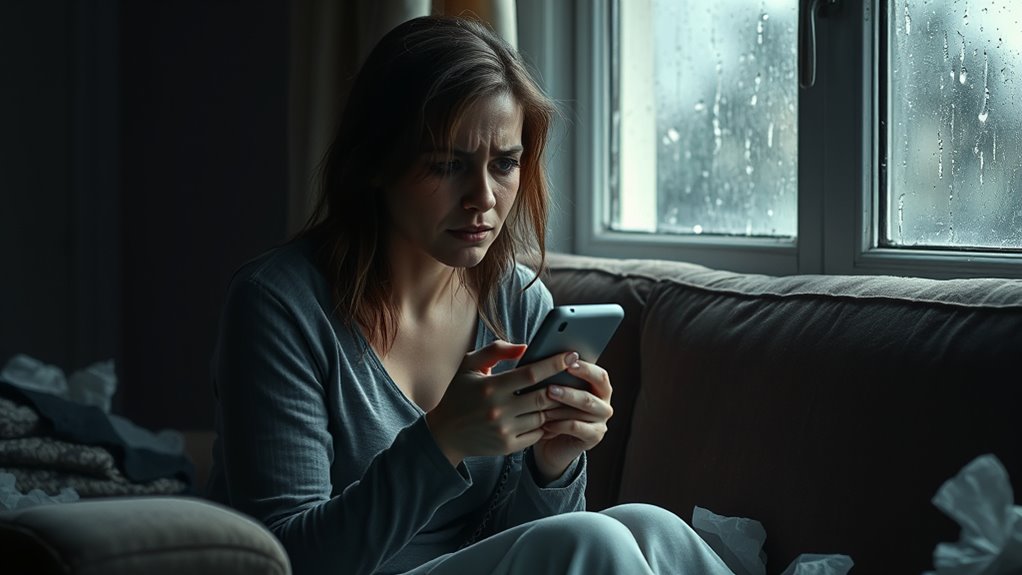

If you’re considering leaving an abusive marriage, it’s important to plan carefully and seek help from trusted resources. Reach out to domestic violence hotlines, local shelters, or support organizations—they’re there to guide you safely through this process. Make a safety plan, including packing essentials and securing important documents. Remember, you’re not alone, and help is available. If you want to learn more about how to protect yourself and find support, keep exploring your options.
Key Takeaways
- Develop a safety plan including trusted contacts, safe housing options, and emergency contacts before leaving.
- Reach out to local domestic violence hotlines and support organizations for guidance and resources.
- Seek legal assistance for protective orders, custody arrangements, and understanding your rights.
- Connect with mental health professionals for trauma support and emotional healing.
- Inform trusted friends or family about your plan to ensure additional safety and support.
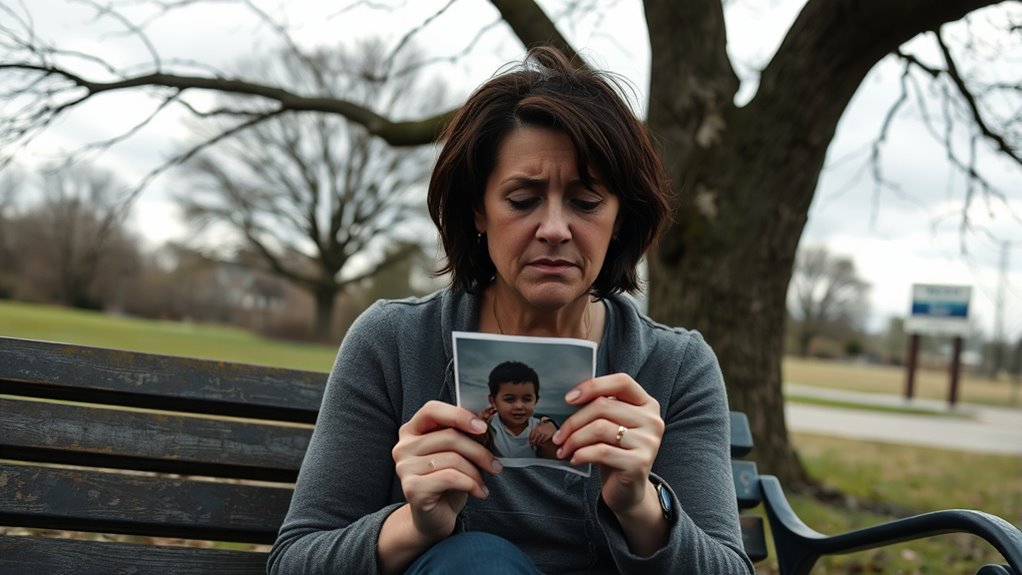
Have you ever wondered why so many victims of domestic abuse hesitate to seek help? It’s a complex issue rooted in fear, shame, and concern for safety. Every year, nearly 10 million people in the U.S. experience domestic violence, with the reality that every 9 seconds, a woman is assaulted or beaten. Despite these alarming statistics, only about half of these incidents are reported to law enforcement. Many victims feel trapped by financial dependence, worried about the safety of their children, or afraid of retaliation from their abuser. These barriers often prevent victims from reaching out for help, leaving them stuck in dangerous situations.
When you consider the emotional toll, the challenges become even clearer. Nearly half of all women and men report experiencing psychological aggression from their partners, which can lead to anxiety, depression, or PTSD. Survivors often carry trauma long after leaving an abusive relationship, and psychological abuse doesn’t end just because you leave the physical environment. It can continue subtly through controlling behaviors or emotional manipulation, making recovery feel overwhelming. Support services increasingly emphasize trauma-informed care, recognizing that healing requires understanding the profound psychological scars abuse leaves behind. Recognizing the importance of mental health support can be a vital step toward recovery.
The physical dangers are equally severe. Domestic violence accounts for about 15% of all violent crimes nationally, and firearms are often used in assaults. In fact, more women have died from intimate partner gun violence than U.S. troops in Iraq and Afghanistan combined from 2001 to 2012. The risk escalates during pregnancy and when trying to leave, as abusers often react with increased violence. Certain states report higher rates of fatal domestic violence, placing victims in even greater peril. This is why planning a safe exit is critical but difficult, especially when the threat of severe injury or death is real. Additionally, the presence of guns in the home significantly increases the lethality of domestic violence situations.
Financial dependence is a major obstacle, making it hard to leave without support. The economic toll of domestic violence is staggering, costing the U.S. over $8 billion annually in healthcare and lost productivity. Victims lose millions of days of work each year, which can hinder their ability to become financially independent. Without proper resources, victims often feel stuck, unable to afford safe housing or legal protection. However, help is available. National hotlines handle around 20,800 calls daily, offering guidance and support. Programs like the Family Violence Prevention and Services Act fund shelters and outreach, providing safe havens for those fleeing danger.
Seeking help takes courage, especially when systemic barriers and personal fears loom large. Remember, you don’t have to face this alone. There are resources, communities, and professionals ready to help you find safety, rebuild your life, and heal from abuse. Your safety and well-being are worth the effort it takes to reach out.

Vantamo Personal Alarm for Self Defense with Low Battery Notice, Strobe Light & Extra Loud 130 dB Double Speakers Safety Keychain Set for Women, Rechargeable Panic Button for Womens Self Defense
Be confident every time you leave the house with Vantamo compact yet powerful emergency keychain for women. Designed…
As an affiliate, we earn on qualifying purchases.
As an affiliate, we earn on qualifying purchases.
Frequently Asked Questions
How Can I Ensure My Safety During the Breakup Process?
To guarantee your safety during the breakup, develop a solid safety plan with escape routes, trusted contacts, and secure locations. Keep a charged phone nearby, and inform your workplace or school about your situation. Obtain legal protections like restraining orders, and collect evidence of abuse. Stay connected with support organizations, maintain confidentiality, and store important documents securely. Always coordinate with trusted people and authorities to minimize risks and respond swiftly to danger.
What Legal Protections Are Available After Leaving an Abusive Marriage?
After leaving an abusive marriage, you can access legal protections like restraining orders to keep your abuser away, custody arrangements prioritizing your children’s safety, and financial support to help rebuild your life. You might also qualify for legal aid and social services that provide counseling and resources. These measures help guarantee your safety, reduce the risk of retaliation, and support your journey to a safer, independent life.
How Do I Rebuild My Self-Esteem Post-Abuse?
Think of your self-esteem as a fragile seed that needs nurturing to bloom again. You can rebuild it by seeking supportive therapy focused on empowerment, practicing self-affirmation, and setting small, achievable goals. Surround yourself with caring people who uplift you, and remember, healing takes time. Each step you take helps restore your confidence, turning your inner garden into a vibrant space where self-worth can flourish anew.
Are There Support Groups Specifically for Domestic Abuse Survivors?
Yes, there are support groups specifically for domestic abuse survivors. These groups offer peer support, trauma-informed therapy, and counseling to help you heal. You can find them in shelters, community centers, online platforms, and other settings. Participating in these groups can boost your self-esteem, provide emotional support, and help you connect with others who understand your experience. Many survivors find these groups very helpful in their recovery journey.
What Financial Resources Are Accessible for Someone Leaving an Abusive Relationship?
You can access emergency financial aid from domestic violence shelters and local organizations that provide funds for housing, food, and transportation. Many programs offer grants, vouchers, or subsidies to help you find safe housing. Long-term, you might qualify for job training, credit counseling, and financial literacy programs. Legal aid can assist with protective orders and financial support. Additionally, government benefits like SNAP, TANF, and victims’ compensation can ease your financial burden.

SABRE Pepper Spray – Quick Release Keychain for Easy Carry & Fast Access, Max Police Strength Self Defense OC Spray With UV Dye, 10 Sec. Spray Time, Finger Grip – Faster Aim, 0.54 fl oz, Secure Safety
TRUST THE PROFESSIONALS: SABRE is the #1 Pepper Spray brand trusted by police and consumers worldwide, including New…
As an affiliate, we earn on qualifying purchases.
As an affiliate, we earn on qualifying purchases.
Conclusion
Just like a lighthouse guides a ship through stormy seas, seeking help lights your way to safety. Don’t let fear be the fog that clouds your path; reach out and find the support you need. Remember, you’re not alone on this voyage. With each step, you’re steering toward calmer waters, leaving the storm behind. Trust in your strength, and let hope be the steady beam that leads you home to peace and freedom.

Upeckaroo Brass Emergency Whistles 2 Pack with Tangle-Free Lanyard – Pealess Safety Whistle Survival Loud Blast for Kayak Life Vest, Boating, Camping Hiking, Hunting, Adults
Storm-Resistant 120dB survival Whistle: Single-tube design projects audible signals up to 600 yds (6 football fields) in windy…
As an affiliate, we earn on qualifying purchases.
As an affiliate, we earn on qualifying purchases.

GE Personal Security Window and Door Alarm, 2 Pack, DIY Protection, Burglar Alert, Wireless Chime/Alarm, Easy Installation, Home Security, Ideal for Home, Garage, Apartment and More, White, 45115
Safe and Secure – Ward off would-be intruders with a 120-decibel alarm triggered by a high-quality magnetic sensor,…
As an affiliate, we earn on qualifying purchases.
As an affiliate, we earn on qualifying purchases.