To help your school-aged children adjust to two homes, create a stable environment by maintaining consistent routines, rules, and expectations across both places. Communicate openly about their feelings and reassure them that both homes are safe and loving. Be flexible and adapt to setbacks or changes, supporting gradual adjustment. Spend quality time together to strengthen your bond and promote emotional security. If you want to learn more strategies, you’ll find helpful tips to support your children through this passage.
Key Takeaways
- Establish consistent routines and schedules across both homes to provide predictability and reduce anxiety.
- Maintain open communication and validate children’s feelings about the transition.
- Foster strong emotional bonds through quality time and attentive support during visits.
- Collaborate with your ex-partner to create a unified approach to rules and discipline.
- Be flexible and patient, allowing children time to adjust to their new family dynamics.

Adjusting to two homes can be challenging for children, but with the right support, they can steer this change smoothly. As a parent, your goal is to create a stable environment where your child feels secure, loved, and understood. One effective way to do this is by implementing strong co-parenting strategies. Consistency between homes is key, so working closely with your ex-partner to agree on rules, expectations, and discipline helps your child adapt more easily. When both of you show a united front and communicate openly, your child gains a sense of stability that extends beyond the physical spaces they occupy.
Establishing routines is another crucial element. Children thrive on predictability, especially during times of transition. Develop daily routines that are similar across both homes—such as consistent meal times, bedtimes, and homework schedules. This consistency helps your child know what to expect, reducing anxiety and confusion. When routines are familiar, your child can settle more quickly into new environments, making the transition smoother. It’s also helpful to maintain familiar rituals, like reading a story before bed or having a special snack after school, regardless of which home they’re in.
Consistent routines across both homes ease children’s transitions and reduce their anxiety.
Communication plays a vital role in helping children adjust. Keep open lines of dialogue with your child, encouraging them to share their feelings and concerns. Let them know it’s okay to feel upset or confused, and reassure them that both homes are safe and loving. Your consistent support shows your child that their feelings are valid and that they have a stable base to return to. Additionally, considering the importance of consistent routines, you can further support their adjustment by establishing a predictable schedule for activities and transitions.
Flexibility is equally important. While routines and co-parenting strategies provide stability, being adaptable when unexpected situations arise demonstrates resilience and understanding. If your child has a favorite activity or friend at one home, try to incorporate those elements into the other, maintaining continuity and comfort. Recognize that setbacks can happen, but with patience and cooperation, your child will gradually adjust to their new normal.
Finally, prioritize quality time when your child is with you. Engaging in activities they enjoy and giving them your full attention strengthens your bond and reassures them of your love. The combination of effective co-parenting strategies, consistent routines, open communication, and emotional support creates a nurturing environment where children feel secure and confident steering life in two homes.

2 in 1 Bedtime/Morning Routine Chart for Kids Toddlers, Magnetic Chore Chart for Kids, Cute Visual Schedule for Kids Schedule Board for Home, Kids Checklist to Do List ADHD Tools for Kids
2024 UPGRADED 2-IN-1 MORNING/BEDTIME ROUTINE CHART FOR KIDS – The easy-to-slide sliders make it simple for little hands,…
As an affiliate, we earn on qualifying purchases.
As an affiliate, we earn on qualifying purchases.
Frequently Asked Questions
How Can I Help My Child Maintain Friendships Across Homes?
You can help your child maintain friendships across homes by encouraging shared activities like playing sports or doing homework together, which keeps their connections strong. Keep routines consistent in both homes, so your child feels secure and knows how to manage their social life. Communicate with your child’s friends’ parents to coordinate plans, making it easier for your child to stay involved and foster lasting friendships regardless of where they are.
What Should I Do if My Child Feels Torn Between Parents?
Imagine your child standing at a crossroads, feeling torn between two worlds. To help, prioritize open parental communication and reassure your child that both parents love them equally. Offer consistent emotional support, listen without judgment, and validate their feelings. Remind them it’s okay to feel conflicted and that they’re not alone. Your steady presence and understanding will help them navigate these emotions with confidence and security.
How Can I Reduce Sibling Rivalry Between Two Homes?
You can reduce sibling rivalry by practicing strong co-parenting strategies that promote consistency and fairness. Encourage open communication and teach conflict resolution skills to your children, helping them understand and respect each other’s feelings. Create routines that foster stability in both homes, and avoid comparing siblings or taking sides. By working together with your co-parent, you set a positive example, reducing rivalry and helping your children develop healthier relationships.
When Is the Right Time to Introduce New Partners?
Research shows that children’s well-being improves when new partners are introduced thoughtfully. You should wait until both you and your child are emotionally ready, which varies individually. Look for signs of stability and open communication. Set clear dating boundaries, ensuring your child feels secure. The right time is when your child shows confidence and comfort, and you’ve established a consistent routine, fostering trust and security before introducing a new partner.
How Do I Handle Holidays and Special Occasions?
You should openly discuss holiday traditions and gift exchanges with your co-parent early on, creating a plan that respects everyone’s feelings. Coordinate to establish consistent routines for special occasions, ensuring your child feels secure and involved. Be flexible and prioritize your child’s happiness, blending traditions from both homes when possible. Clear communication and mutual respect help your child enjoy holidays without confusion or conflict, making these moments joyful and memorable.

6Pcs Communication Board for Non Verbal Adults Picture Symbol Communication Cards Speech Therapy Tools for Autism Toddlers Kids Aphasia Stroke Patients Hospital Care Home Use Talking Placemats
Package includes: This set includes 6 communication boards, each designed with different themes to help individuals express their…
As an affiliate, we earn on qualifying purchases.
As an affiliate, we earn on qualifying purchases.
Conclusion
Remember, with patience and understanding, you can help your child find their balance between two worlds. Every small step you take creates a bridge of reassurance and stability. Though the journey may have gentle twists and turns, your love and consistency will guide them smoothly through. Trust that, over time, they’ll grow more comfortable and confident, embracing both homes with a heart full of resilience and hope. Your support truly makes all the difference.

Bedtime Favorites (Storybook Collection)
As an affiliate, we earn on qualifying purchases.
As an affiliate, we earn on qualifying purchases.
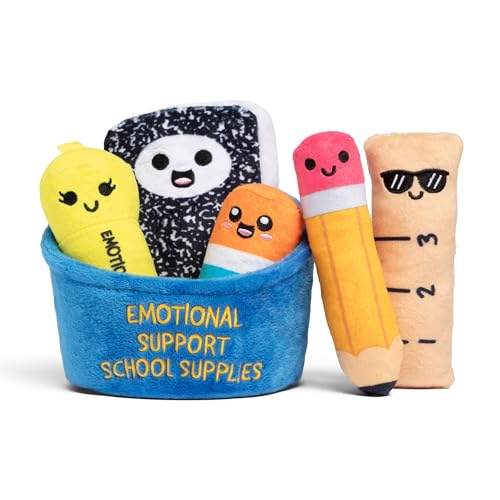
Emotional Support School Supplies Plush by Relatable – Cute Stuffed Animals and Squishy Toys, Fun Gift Ideas for All Ages, and Your Favorite Teacher – Includes 5 Plushies with Carrying Basket
Study Buddies: Emotional Support School Supply plush are soft, squishy versions of your favorite back to school supplies….
As an affiliate, we earn on qualifying purchases.
As an affiliate, we earn on qualifying purchases.