

When dividing debts like credit cards, loans, and mortgages, it’s important to communicate openly and create clear agreements based on each person’s ability to pay. You should review your financial situations and decide on a fair split, whether proportional to income or through fixed amounts. Keep track of payments and update your agreements if needed. Doing so helps prevent conflicts and keeps your finances stable—there’s more to contemplate for a smooth process.
Key Takeaways
- Clearly communicate and agree on debt responsibilities before sharing or taking on joint credit, loans, or mortgages.
- Divide debt proportionally based on income or usage, or assign fixed amounts for fairness.
- Understand legal liabilities, especially with joint accounts, to ensure proper responsibility for payments.
- Document debt division agreements in writing to promote transparency and accountability.
- Regularly review and adjust debt-sharing arrangements to maintain fairness and prevent conflicts.

Have you ever wondered how to fairly split debt between partners or family members? When it comes to managing shared financial responsibilities, understanding credit splitting and debt allocation is essential. These concepts help guarantee that everyone involved knows their obligations, reducing misunderstandings and potential conflicts. Whether you’re dealing with credit cards, personal loans, or mortgages, establishing clear boundaries and agreements makes the process smoother and equitable.
Credit splitting involves dividing the total amount owed on credit cards or other joint debts based on each person’s ability to pay or their agreed-upon share. For example, if two people share a credit card, they might decide to split the balance proportionally to their usage or income. This way, each person takes responsibility for their fair portion, making debt allocation transparent and manageable. When you approach debt allocation proactively, you avoid situations where one person feels unfairly burdened or unaware of their financial commitments.
Divide joint debt fairly based on income or usage for clear, transparent financial responsibility.
It’s essential to have open conversations early on about how you’ll handle debt sharing. Clearly define who is responsible for which debts and how payments will be made. If you’re sharing a mortgage, for instance, decide whether both will be listed on the loan, or if one will take primary responsibility, with the other contributing a set amount. This clarity helps prevent misunderstandings down the line and ensures that each partner fulfills their part. Remember, documenting these agreements—whether in writing or through shared financial tools—can provide extra security.
In cases where debts are already accumulated, it’s wise to review each person’s financial situation and agree on a fair division. Sometimes, one person might have more income or better credit, which could influence how the debt is split. You might opt for proportional sharing, where each person pays based on their income, or a fixed amount arrangement. Whatever you choose, the key is transparency. If disagreements arise, revisit your agreements and adjust as needed to keep things fair.
Managing debt allocation also involves knowing who is ultimately responsible for the debt legally. For example, if both partners are on a joint credit card, both are liable for the entire balance. Understanding the legal implications helps you protect yourself and avoid surprises. If only one person is on the mortgage or loan, that person bears the primary responsibility, but open communication about payments helps maintain trust. Staying organized and keeping track of payments ensures that everyone remains accountable, and you can avoid late fees or credit score damage. Understanding narcissistic tendencies can sometimes help in recognizing patterns of manipulation or dishonesty in financial dealings. Ultimately, fair credit splitting and thoughtful debt allocation foster healthier financial partnerships and peace of mind for everyone involved.

Undated Monthly Bill Payment – 48-Month Undated Financial Organizer with Income Tracker, Savings & Debt Management, Yearly Goals, Expense Tracking 8×10 In, Black
All-in-One Financial Organization:This planner is your ultimate financial management tool, combining sections to track income, monitor expenses, set…
As an affiliate, we earn on qualifying purchases.
As an affiliate, we earn on qualifying purchases.
Frequently Asked Questions
How Does Debt Division Affect Credit Scores?
Debt division can impact your credit report by affecting your credit utilization and payment history, both key factors in your credit score. If you split debts wisely and follow solid debt repayment strategies, you can improve your score over time. However, missed payments or high balances during division may temporarily lower your score. Staying organized and making consistent payments helps maintain a positive credit report impact.
Can Debt Division Impact Future Loan Eligibility?
Yes, debt division can impact your future loan eligibility. If you’re involved in inheritance planning or debt consolidation, lenders may view how you handle debt as a sign of financial stability. Properly dividing debt can improve your chances, but unresolved or uneven debt sharing might raise concerns. Make sure to communicate clearly and document agreements to avoid negative effects on your ability to secure new loans.
What Are the Legal Considerations in Debt Division?
Did you know that nearly 60% of debt disputes go to court? When dividing debt, you must follow legal procedures, ensuring compliance with court jurisdiction. You need clear documentation and proper legal representation to navigate court rules effectively. Understanding jurisdiction helps determine which court handles your case, making the process smoother. Ignoring these considerations can lead to delays or unfavorable outcomes, so always consult a legal expert before proceeding.
How Are Joint Debts Handled During Divorce?
During divorce, joint account debts usually get divided based on your state’s laws or court orders. You might agree on a debt settlement plan or have the court assign responsibility. Keep in mind, even if one person is assigned a debt, creditors can still pursue both of you. It’s important to review all joint debts and work out a clear plan to avoid surprises later.
What Strategies Minimize Tax Implications of Debt Division?
Did you know that improper debt allocation can increase your tax liability by up to 30%? To minimize tax implications, consider consulting a financial advisor to structure debt division strategically. Allocate debts based on each person’s ability to pay and tax situation, and make sure you document all agreements clearly. This approach helps you avoid unnecessary tax burdens and maintains a fair, manageable debt distribution during your divorce process.

Commercial Contracts : A Practical Guide to Deals, Contracts, Agreements and Promises
As an affiliate, we earn on qualifying purchases.
As an affiliate, we earn on qualifying purchases.
Conclusion
So, you’ve masterfully split your debts like a financial Picasso—credit cards, loans, mortgages—all neatly divided. Now, sit back and enjoy the chaos of your perfectly organized chaos. Because nothing says “responsible adult” quite like juggling bills with the grace of a circus performer. Just remember, if you ever forget which debt is which, you’ll have plenty of colorful reminders in your bank statements. Cheers to your debt-dividing masterpiece—may it bring you endless entertainment!

Calculated Industries 3405 Real Estate Master IIIx Residential Real Estate Finance Calculator | Clearly-Labeled Function Keys | Simplest Operation | Solves Payments, Amortizations, ARMs, Combos, More
Dedicated function keys means quickly and confidently providing financial answers and options for your clients, whether in the…
As an affiliate, we earn on qualifying purchases.
As an affiliate, we earn on qualifying purchases.
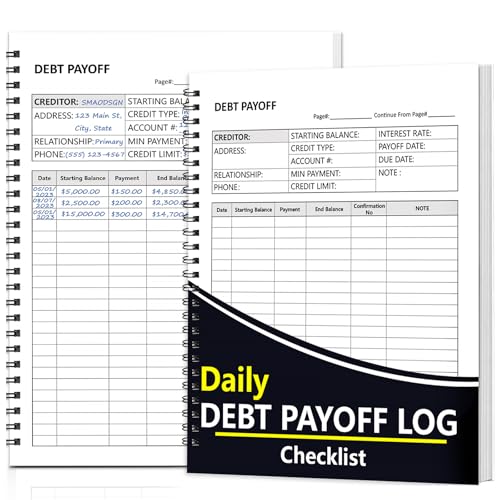
Debt Payoff Planner Spiral Bound Letter Size Debt Payoff Tracker 8.5×11 Inch Bill Payment Tracker Notebook Double Printed Financial Planner Monthly Expense Tracker for Credit Cards Payment 110 Pages
Comprehensive Debt Management Tool:The debt payoff planner log offers a detailed table design to help users manage debt…
As an affiliate, we earn on qualifying purchases.
As an affiliate, we earn on qualifying purchases.