

When managing joint bank accounts during separation, review your account terms and consult a legal professional to understand your rights. Decide whether to keep, close, or open new accounts, and transfer remaining funds carefully. Keep detailed records of all transactions and changes to protect your interests. Be aware that joint account funds may be considered shared property, so seeking legal guidance helps safeguard your assets. To learn more about handling these procedures effectively, continue exploring your options.
Key Takeaways
- Review joint account terms and consult legal professionals to understand ownership rights during separation.
- Decide whether to keep, close, or open a new account, and document all transactions accordingly.
- Transfer shared funds to individual accounts and update bill payments to ensure financial independence.
- Seek legal advice to formalize ownership changes and protect assets from future disputes.
- Maintain detailed records of account modifications and financial transitions for legal and personal reference.

Wondering how to handle a joint bank account during separation? It’s a common concern, and addressing it carefully can help prevent future complications. When you’re separating from a partner, managing shared finances becomes a critical step in your overall financial planning. You need to decide whether to keep the account active, close it, or perhaps open a new account in your name alone. Each choice carries legal considerations that can impact your financial stability and protect your assets. Before making any moves, it’s wise to understand the legal implications involved, especially if there’s a risk of dispute or if the account holds significant funds.
First, review the account’s terms and conditions. Some joint accounts have specific clauses about how they should be handled in the event of separation or divorce. If you’re unsure, consulting a legal professional can clarify your rights and responsibilities. It’s important to document your intentions, especially if you plan to close or modify the account. This documentation can serve as evidence should legal questions arise later. If you choose to keep the account open, consider setting clear boundaries with your partner about how it will be used moving forward. For example, agree on procedures for deposits, withdrawals, and bill payments to avoid misunderstandings.
Review joint account terms and document your intentions to protect your rights during separation.
Financial planning plays a crucial role here. Think about your future expenses, debts, and savings. If the joint account is used for shared bills or household expenses, you might want to transition those responsibilities to separate accounts. This helps you regain financial independence and ensures your cash flow isn’t dependent on ongoing cooperation. If you’re considering closing the account, do so carefully. Transfer remaining funds to accounts in your name and keep records of all transactions related to the closure. Be aware that closing a joint account might have tax implications or affect your credit report, so it’s essential to handle the process thoughtfully.
Legal considerations also include understanding how the law views joint accounts during separation. In some jurisdictions, the account’s funds are considered jointly owned, regardless of who deposited what. This means both parties could be held accountable for debts or withdrawals made after separation. To protect your interests, consult a legal expert on how to document or formalize any changes to account ownership or access. Additionally, understanding antioxidants in fruit juices can support your overall financial well-being by promoting health, which is an important aspect of self-care during stressful times. Ultimately, managing a joint bank account during separation requires a combination of careful financial planning and awareness of legal considerations. Taking proactive steps can help you safeguard your finances, prevent misunderstandings, and set a clear path toward financial independence.
joint bank account management kit
As an affiliate, we earn on qualifying purchases.
As an affiliate, we earn on qualifying purchases.
Frequently Asked Questions
Can I Close a Joint Account Without My Partner’s Consent?
You usually can’t close a joint account without your partner’s consent, as both of you have account access and shared rights. However, you can transfer funds or freeze the account if needed. To close it legally, you might need a court order, especially if your partner refuses. Always check your bank’s policies and consider consulting a legal professional to protect your financial interests during separation.
How Are Joint Account Debts Divided During Separation?
During separation, you share credit liability and debt responsibility for joint account debts. Both of you are typically equally responsible for paying off any debts incurred jointly, regardless of who used the account. If one person defaults, the other may still be liable. To protect yourself, consider paying off joint debts promptly, or consult a legal professional to determine how debts will be divided based on your specific situation.
Is It Necessary to Notify the Bank About Our Separation?
Think of your joint bank account as a shared garden—you need to tend to it carefully. You should notify the bank about your separation because, while not always legally required, it helps prevent unauthorized transactions and clarifies your intentions. Checking your bank’s policies and understanding legal requirements can protect both parties. A prompt bank notification guarantees your financial relationship is clear, avoiding misunderstandings during this shift.
What Happens to Joint Accounts if One Person Passes Away?
If one person passes away, the joint account usually passes directly to the surviving account holder, avoiding probate. This can impact inheritance implications and estate planning, so it’s vital to take into account your account’s ownership structure. You might want to think about updating your estate plan or designating beneficiaries to ensure your wishes are clear and your loved ones are protected. Consult with a financial advisor for personalized advice on managing your joint accounts.
Can I Change Account Ownership During Separation?
Think of your bank account as a garden that needs tending. You can initiate an account ownership transfer or request an account name change during separation, but you’ll need to visit the bank with proper documentation. The process involves filling out forms and possibly providing legal proof of your new status. Act promptly to guarantee your financial landscape reflects your current circumstances and safeguards your interests.
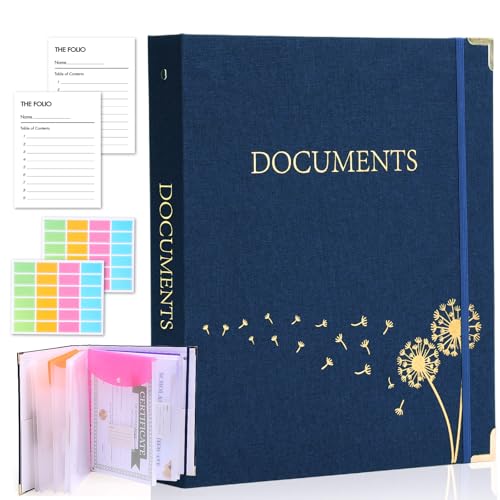
XKDOUS Document Organizer Linen Folio Folders with 9 Pockets, 3-Ring Accordion Storage Binders Expanding File Folder for Important Papers, End of Life Planner Book, in Case If I Die File Folder
Spacious Storage for Your Files: The pockets are 9.5×12.6 inches in size and have 3D expandable sides. Each…
As an affiliate, we earn on qualifying purchases.
As an affiliate, we earn on qualifying purchases.
Conclusion
Managing a joint bank account during separation can be tricky, but staying proactive helps protect your finances. For example, imagine Sarah and Tom separating; she closes the account after ensuring her funds are secure, avoiding future disputes. By understanding your options and communicating clearly, you can navigate this changeover smoothly. Remember, taking control now prevents headaches later—your financial peace of mind is worth the effort.

ZICOTO Easy to Use Accounting Ledger Book – The Perfect Expense Tracker Notebook for Your Small Business – Beautiful Personal Finance Checkbook, Income and Expense Log Book
Neatly Track & Organize Your Finances: The accounting ledger book is here for you to stay on top…
As an affiliate, we earn on qualifying purchases.
As an affiliate, we earn on qualifying purchases.

Digital Safety: Learn Safe, Smart and Secure Online Banking Practices
As an affiliate, we earn on qualifying purchases.
As an affiliate, we earn on qualifying purchases.