
TL;DR

Get gifts for the two of you delivered free with Prime
- Fast, free delivery on millions of items
- Prime Video, Amazon Music and more included
- Member-only deals all year
This article explains how a local, AI-powered system can process one video and produce all the assets needed for publishing across multiple platforms—without relying on cloud services. It boosts privacy, speeds up workflows, and reduces costs. You’ll learn how it works, its benefits, and what it takes to set up.
Imagine dropping a raw video on your desktop and watching a full suite of ready-to-publish assets roll out—titles, descriptions, clips, social posts—all without touching the cloud. Sounds like sci-fi? It’s becoming reality with local-first video automation tools. The magic lies in how these systems analyze your footage, understand its story, and craft everything you need to go live. You can learn more about similar workflows in this collection of quotes and tips.
In this article, I’ll show you how a single video can transform into a full publishing kit—fast, private, and without monthly fees. Whether you’re a content creator, a team managing private footage, or someone fed up with cloud vendor lock-in, this workflow might just change your game.
Key Takeaways
- Processing a video locally with AI can produce all necessary assets—titles, clips, descriptions, social posts—without relying on cloud services.
- A local workflow enhances security, speeds up production, and reduces recurring costs, especially for sensitive or high-volume content.
- Building your own system requires decent hardware and some setup, but it offers full control over your assets and process.
- Compared to cloud workflows, local processing minimizes data exposure and eliminates dependency on internet speed or vendor lock-in.
- While hardware costs and setup complexity are considerations, the benefits of privacy, speed, and control often outweigh these for many creators.
As an affiliate, we earn on qualifying purchases.
How Local AI Turns One Video Into a Complete Publishing Kit
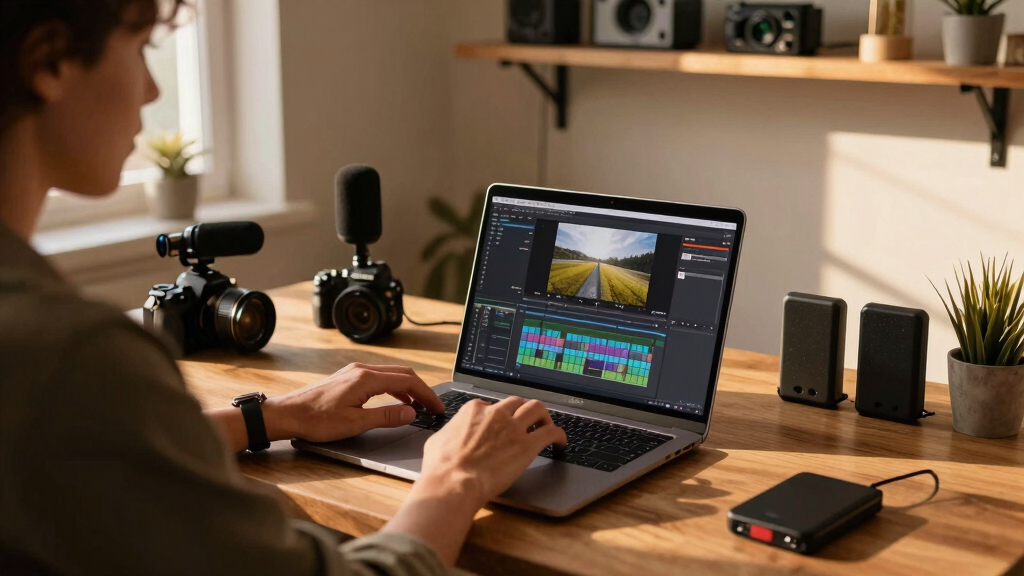
Local AI processes your video on your own hardware—no uploading, no waiting for cloud servers. It analyzes audio, visuals, and on-screen text to understand what your video is really about. Think of it as your own digital assistant that reads, tags, clips, and even suggests titles—all on your machine.
For example, imagine you shoot a tutorial. The local system detects when you mention a specific tool, highlights visual moments of that tool, and then drafts a catchy title and hashtags. All this happens instantly, with no data leaving your computer.
By understanding the video at four layers—audio, visuals, their fusion, and topic analysis—it creates a structured plan for every asset you need, from social snippets to blog drafts. This deep understanding matters because it allows the system to generate contextually relevant assets, reducing manual editing and ensuring consistency across platforms. The tradeoff is that the system’s accuracy depends on the quality of your footage and the sophistication of your models—poor audio or footage can lead to less precise outputs, meaning some manual refinement might still be necessary. However, investing in good input quality can significantly enhance the usefulness of the generated assets, making your workflow more efficient and reliable.
Step-by-Step: How to Turn a Raw Video Into a Publishing Package Locally
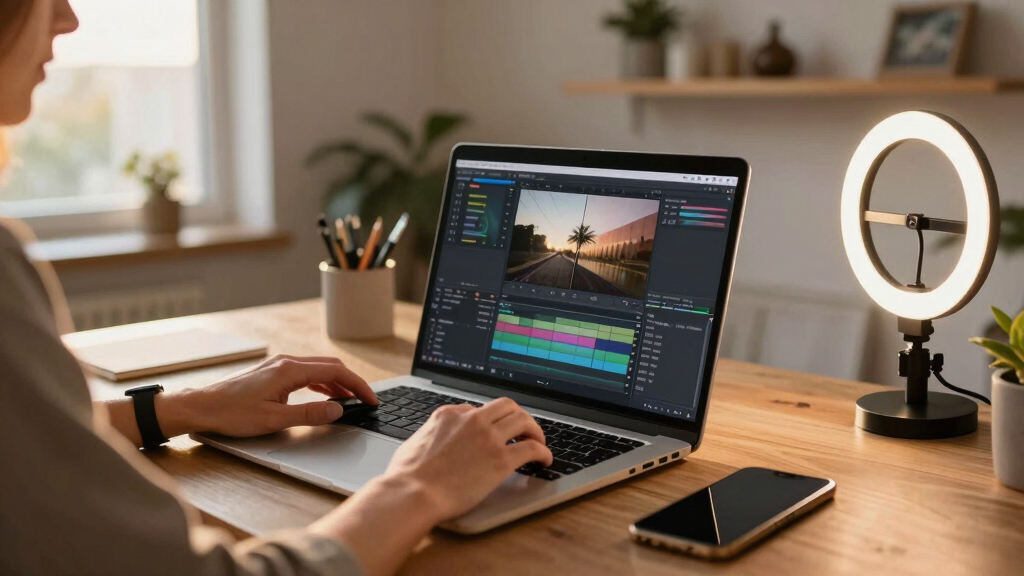
- Drop or paste: Upload your video file or share a link. The system automatically detects the source, like your YouTube channel or local folder.
- Analyze: Background workers transcribe, read visuals, and fuse data into a unified timeline, all on your hardware. This step is crucial because it lays the foundation for all subsequent asset generation. The accuracy and speed here directly impact your final output quality. Faster analysis means quicker turnaround, but it also requires optimized hardware and software configurations. The analysis stage’s depth—such as detailed transcription and visual tagging—determines how well the system understands your content, influencing the relevance of titles, descriptions, and clips produced later.
- Review: See the drafts for titles, descriptions, clips, and social posts. Edit directly in your local workspace, regenerating parts as needed. This step is where human judgment still plays a vital role—while AI can generate options, your insights ensure the assets truly match your intent. The ability to refine assets locally means you can maintain control over tone, branding, and accuracy without delays or data exposure.
- Apply: Once satisfied, prepare your assets for publishing. This includes formatting, final checks, and organizing files for deployment.
- Publish: Approve the assets, then dispatch them directly to your platforms—no cloud upload required. This direct publishing capability reduces the risk of data leaks and speeds up the distribution process, especially critical for time-sensitive content or sensitive material that needs to stay secure.
Throughout, a progress indicator shows which layers are finished, so you’re never left guessing. For related insights, visit this page about guidance and insights. This transparency helps you understand how the system’s comprehension improves over time and where manual intervention might be necessary. The detailed feedback loop ensures you can trust the outputs and adjust the process for better accuracy, ultimately making the entire workflow more robust and tailored to your specific needs.
Defining the Scope: What Can a Local Workflow Achieve?
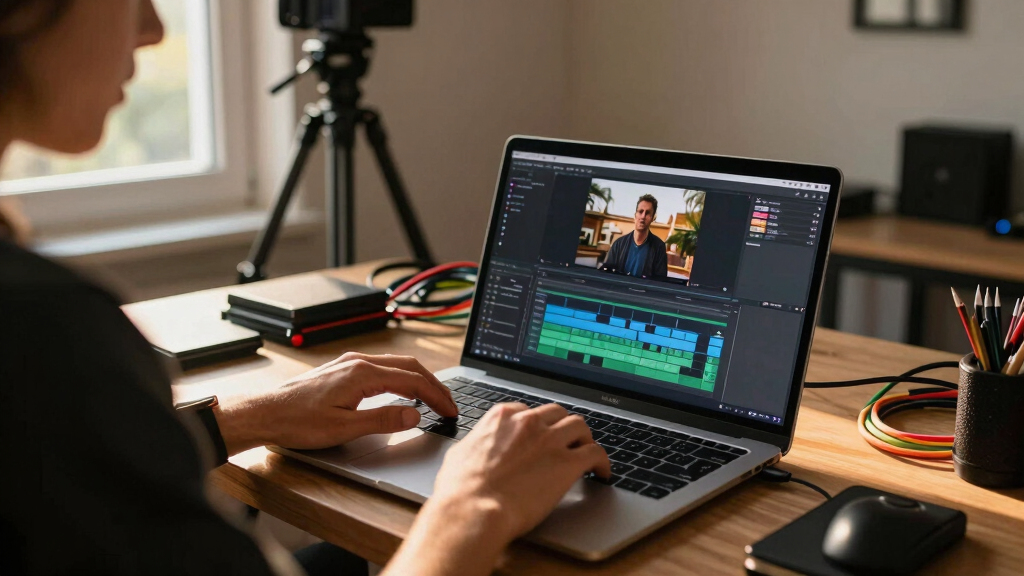
Before diving into setup, it’s important to understand the capabilities and limitations of a local-first system. These workflows excel at automating the generation of core assets—titles, descriptions, clips, social media posts—based on the analyzed content. They can handle a variety of formats and are highly customizable for specific niches or branding needs. Learn more about related tools at this site about publishing technology.
However, the scope is influenced by your hardware, the sophistication of your AI models, and your input quality. While these systems can produce a wide range of assets, complex editing, high-resolution processing, or real-time analysis of very large videos (like 8K or multiple streams) may require substantial hardware investments and optimization.
Understanding what is feasible helps set realistic expectations and guides your investment. Check out practical guides on publishing workflows. For most creators and small teams, a well-configured local workflow can replace many cloud services, offering faster turnaround, greater control, and enhanced privacy.

Compare Local and Cloud Video Publishing to Decide What’s Best for You
| Feature | Local-First Workflow | Cloud-Based Workflow |
|---|---|---|
| Data Privacy | All processing on your hardware. Full control. | Uploads to remote servers. Data exposure risk. |
| Speed | Instant analysis, no internet latency. | Dependent on upload/download speeds. |
| Cost | One-time hardware/software, no recurring fees. | Monthly subscriptions, often high. |
| Setup | Requires initial hardware setup but no ongoing internet dependency. | Quick setup, no local infrastructure needed. |
| Reliability | Works offline, no internet needed after setup. | Depends on internet quality and cloud service uptime. |
For creators handling sensitive footage or needing fast turnaround, local processing cuts down on delays and protects ownership. While cloud workflows can be more accessible initially, they often involve ongoing costs and potential privacy risks. Choosing between them depends on your priorities—security and speed favor local, while ease of setup and scalability might lean toward cloud solutions. The key is understanding the tradeoffs: local workflows demand upfront investment and some technical know-how but offer unmatched control, whereas cloud systems are more plug-and-play but compromise on data sovereignty and may incur ongoing expenses.
Frequently Asked Questions
What exactly does ‘one video in, a whole publishing kit out’ generate?
It produces titles, descriptions, tags, thumbnails, short clips, social media posts, and even drafts for blogs or newsletters—all tailored to your video. Everything is generated locally, ready for review and publishing.
How does it work without cloud processing?
The analysis, transcription, and asset creation happen entirely on your hardware. Modern local AI models, like those used in ChannelHelm, are powerful enough to handle these tasks without uploading your footage to remote servers.
What hardware do I need to run this?
A decent multi-core CPU, at least 16GB RAM, a dedicated GPU (like an NVIDIA RTX series), and fast SSD storage are recommended. This setup handles video processing efficiently and keeps everything local.
Is it faster than cloud-based tools?
Yes. Local analysis avoids upload/download delays, often completing tasks in seconds to a few minutes, compared to cloud solutions which depend on internet speed and server load.
Can I generate captions, clips, summaries, and social posts?
Absolutely. A local system can produce all these assets, often with higher privacy and faster turnaround, making your entire publishing pipeline more efficient and secure.
Conclusion
Turning a single video into a complete publishing kit without the cloud isn’t just a tech dream—it’s a practical reality. You get faster workflows, tighter control, and peace of mind knowing your content stays private.
Invest in the right hardware and tools, and you’ll build a self-sufficient pipeline that adapts to your needs. That’s the future of content creation—personal, private, and powerful.

Columbus Day / Indigenous Peoples' Day Picks
long weekend sales
As an affiliate, we earn on qualifying purchases.