

After a divorce, you need to understand that the custodial parent’s insurance usually becomes the primary coverage, but it’s not automatic. Check your custody agreement and communicate with the other parent to avoid gaps in healthcare. Explore options like employer plans, Medicaid, or CHIP, and verify provider networks to keep your child’s care uninterrupted. Staying informed about these choices will help you navigate the process smoothly—more helpful tips await to guarantee your child’s coverage stays secure.

Get gifts for the two of you delivered free with Prime
- Fast, free delivery on millions of items
- Prime Video, Amazon Music and more included
- Member-only deals all year
Key Takeaways
- Custodial parent’s insurance usually becomes primary but review custody agreements for specific coverage responsibilities.
- Explore Medicaid, CHIP, or employer plans to find affordable, comprehensive coverage options for your child.
- Confirm that your child’s healthcare providers are covered under new insurance plans to ensure continuity.
- Communicate with the other parent to coordinate health insurance responsibilities and avoid coverage gaps.
- Stay informed about healthcare topics and maintain organized records to advocate effectively for your child’s needs.
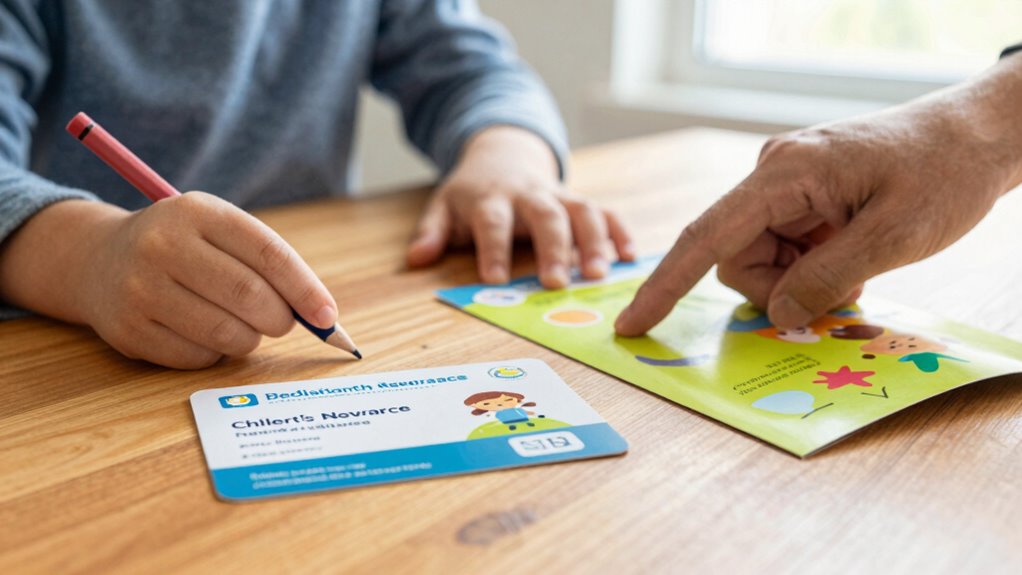
Have you ever wondered why having health insurance for your children is so important? When you’re steering through divorce, ensuring your child’s medical coverage remains intact can feel overwhelming. You may worry about how to coordinate insurance options or whether your child’s healthcare needs will be met without disruption. But understanding the essentials can help you make informed decisions that prioritize your child’s well-being.
After divorce, it’s vital to clarify who will provide your child’s medical coverage. Typically, the custodial parent’s insurance plan becomes the primary source of coverage, but this isn’t always automatic. You should review custody agreements or court orders to see if specific provisions address health insurance responsibilities. It’s also wise to communicate clearly with the other parent about maintaining consistent insurance coverage, especially if your child has ongoing medical needs.
Review custody agreements and communicate with the other parent to ensure consistent health insurance coverage for your child.
When considering insurance options, you’ll want to evaluate what plans are available through your employer, the other parent’s employer, or government programs like Medicaid or the Children’s Health Insurance Program (CHIP). These options can often be more affordable and inclusive, providing essential medical coverage for your child. If your child qualifies for Medicaid or CHIP, applying can be straightforward, and coverage usually continues regardless of changes in your employment status or household income. Understanding health insurance options can help you navigate potential gaps in coverage more effectively. Additionally, being aware of important healthcare programs can help you access resources designed specifically for children’s needs.
Sometimes, you may need to explore additional options such as private health insurance plans or special enrollment periods. Many insurers offer plans tailored for families, and these can be customized to include specific healthcare providers your child already sees. It’s essential to compare plans based on premiums, deductibles, copayments, and coverage limits to find the right fit for your family’s financial situation and your child’s health needs. Being aware of coverage options can make the selection process less overwhelming.
Another key point is to guarantee that your child’s current healthcare providers are covered under the new insurance plan. Switching plans can sometimes mean changing doctors or specialists, which might disrupt ongoing treatment. Always verify provider networks before enrolling in a new insurance option to prevent gaps in care.
Additionally, understanding the role of health insurance in providing comprehensive coverage can help you advocate more effectively for your child’s healthcare needs. Staying informed about emerging healthcare topics, such as genetic testing, can further empower you to make well-rounded decisions about your child’s health and future. Ultimately, maintaining consistent and inclusive medical coverage for your child after divorce requires proactive planning and open communication. By understanding your insurance options and ensuring your child’s healthcare needs are prioritized, you can help provide stability during this challenging changeover. Staying informed and organized will give you peace of mind, knowing your child’s health remains protected no matter what changes come with divorce.
children's health insurance plan
As an affiliate, we earn on qualifying purchases.
As an affiliate, we earn on qualifying purchases.
Frequently Asked Questions
How Does Divorce Affect a Child’s Health Insurance Coverage?
Divorce can impact your child’s health insurance coverage mainly through custody implications and insurance portability. If custody arrangements change, you might need to update the primary insurer or explore new options. Insurance portability helps guarantee your child stays covered when switching plans or providers. You should communicate with both parents and insurers to keep coverage consistent and avoid gaps, making sure your child’s health needs are always protected.
Can a Child’s Health Insurance Change if Custodial Arrangements Shift?
Imagine your child’s health insurance changing like a roller coaster after custodial responsibilities shift! When custody arrangements change, their insurance eligibility can definitely shift too. Custodial responsibilities often determine who covers the child, so if custody moves, insurance coverage might change or need updating. You need to stay proactive—contact the insurance provider to guarantee your child’s coverage remains seamless and secure, no matter the custody situation.
What Are the Options if a Child’s Insurance Is Denied After Divorce?
If your child’s insurance gets denied after divorce, you have several coverage options. You can explore alternative plans through your state’s health insurance marketplace or Medicaid if eligible. Additionally, you might consider employer-sponsored plans or COBRA coverage. If you believe the denial was unfair, you can file insurance appeals, providing necessary documentation to challenge the decision. Act quickly, and consult with a benefits specialist or legal expert for guidance.
How Do I Update Health Insurance Information After Divorce?
You should promptly update your health insurance information after divorce by reviewing your coverage options and contacting your insurer. Provide necessary documentation, such as the divorce decree, to initiate policy updates. This guarantees your child’s coverage options remain accurate and continuous. Check if you need to switch plans or add your child to your policy. Staying proactive ensures your child’s health needs are met without gaps in coverage.
Are There Specific Laws Protecting Children’s Health Coverage During Divorce?
Yes, custody agreements and insurance policies are designed to protect your child’s health coverage during divorce. Laws often require both parents to provide health insurance for their children, and custody arrangements specify who’s responsible. You should review these agreements and insurance policies carefully to guarantee continuous coverage. If disputes arise, courts can enforce health coverage provisions, safeguarding your child’s access to necessary healthcare regardless of divorce proceedings.
Conclusion
Steering your child’s health insurance after divorce can feel like guiding a boat through choppy waters, but remember, with each informed decision, you’re charting a course toward calmer seas. Think of it as planting a sturdy tree whose branches will shelter your child’s health needs for years to come. By understanding your options and staying proactive, you’re building a safety net as reliable and strong as an unbreakable anchor—ensuring your child’s well-being remains steadfast, no matter the storm.
Columbus Day / Indigenous Peoples' Day Picks
long weekend sales
As an affiliate, we earn on qualifying purchases.