

After a divorce, it’s vital to update your wills and beneficiaries to reflect your current wishes and prevent your ex-spouse from inheriting assets. Review and revise your estate documents, including trusts, powers of attorney, and healthcare directives, making certain your new intentions are clear. Updating beneficiary designations on insurance policies and retirement accounts is also imperative. Taking these steps now helps avoid disputes and legal complications later. Keep exploring to discover how to guarantee your estate plan is fully current.
Key Takeaways
- Review and update wills, trusts, powers of attorney, and healthcare directives to reflect current relationships and intentions.
- Explicitly remove or modify references to former spouses to prevent unintended inheritance or designation.
- Update beneficiary designations on life insurance, retirement accounts, and financial assets to ensure they align with current wishes.
- Appoint new decision-makers for healthcare and financial matters to avoid conflicts during incapacity.
- Regularly review and revise estate documents post-divorce to prevent disputes and ensure legal clarity.

Have you recently gone through a divorce and wondered how it affects your estate plan? Divorce can markedly alter your intentions regarding asset division and inheritance rights, making it crucial to review and update your estate documents. When a marriage ends, the legal landscape shifts, and previous estate plans may no longer reflect your current wishes. Failing to make timely updates could result in unintended beneficiaries receiving your assets or your ex-spouse maintaining rights you no longer want them to have.
One of the most critical steps after divorce is revisiting your will and other estate planning documents. If you don’t update these, your ex-spouse might still be designated as a beneficiary or executor, which could cause complications or disputes later. Divorce often automatically revokes certain provisions regarding your former spouse in some states, but it’s not a universal rule. To be safe, you should explicitly remove or modify any references to your ex in your will, trust, power of attorney, and healthcare directives. This ensures that your estate plan accurately reflects your current wishes, especially concerning who will inherit your assets and how they’re divided.
Revisit and update your estate documents after divorce to prevent unintended beneficiaries or disputes.
Asset division is another crucial aspect to consider. While divorce generally involves a court-ordered division of marital property, your estate plan should also clarify what happens to your assets after your death. If your previous plan designated your spouse as the primary beneficiary, you’ll need to change that designation to align with your new intentions. This might involve naming new beneficiaries, such as children, other relatives, friends, or charities. Be aware that in some cases, divorce may not automatically revoke beneficiary designations on life insurance policies or retirement accounts; you need to update these separately to avoid unintended inheritance rights passing to your ex-spouse. Additionally, reviewing beneficiary designations is essential, as they often bypass probate and can remain unchanged unless explicitly updated.
It’s also wise to review your power of attorney and healthcare directives. These documents appoint someone to make decisions on your behalf if you become incapacitated. If your ex-spouse remains named in these roles, you should consider appointing someone else to reflect your current relationships and wishes. Updating power of attorney and healthcare directives can help prevent any potential conflicts or legal issues during critical moments.

Estate Planning Kit Includes Last Will and Estate Kit, POA, Living Will and Medical POA and Detailed Instructions Live Legal Support
Comprehensive Estate Planning Kit: This all-in-one Estate Planning Kit includes essential legal documents such as Power of Attorney…
As an affiliate, we earn on qualifying purchases.
As an affiliate, we earn on qualifying purchases.
Frequently Asked Questions
How Soon Should I Update My Estate Plan After Divorce?
You should update your estate plan as soon as possible after your divorce. This guarantees that your marital assets are no longer designated to your former spouse and protects your inheritance rights. Waiting can lead to unintended consequences, like your ex still inheriting or controlling assets. Promptly revising your will and beneficiaries helps you clearly define your intentions, giving you peace of mind and safeguarding your assets for your new beneficiaries.
Can I Change Beneficiaries Without a New Will?
You can change beneficiaries without a new will through beneficiary designations on accounts like life insurance and retirement plans. This allows you to update who inherits assets without rewriting your estate document updates. Changing these designations is quick, straightforward, and gives you control, ensuring your wishes are clear. Remember, beneficiary designations override your will, so review and update them promptly after any life change to protect your estate.
What Happens if I Forget to Update My Estate Documents?
If you forget to update your estate documents, your retirement accounts and life insurance policies might still list your ex-spouse as the beneficiary. This means they could receive the benefits even after divorce, which might not reflect your current wishes. To avoid this, you should review and update your beneficiary designations regularly, especially after major life changes, ensuring your assets go to the people you truly want to benefit.
Do I Need a New Will if I Remarry After Divorce?
If you remarry after divorce, you generally need a new will to reflect your new spouse and update your estate plans. Without this, your current will may leave assets to your ex or not account for your new circumstances, potentially affecting estate tax considerations and charitable giving goals. Updating your will guarantees your estate is distributed according to your wishes, minimizes taxes, and supports your favorite causes.
How Can I Ensure My Ex-Spouse Is Removed From My Estate Plan?
Imagine you’re updating your estate plan. To guarantee your ex-spouse is removed, review your beneficiary designations on life insurance and retirement accounts first. For example, Jane remarried, and her ex was still listed as a beneficiary. She updated her estate plan and beneficiary updates, removing her ex from all accounts. Always draft a new will or trust if needed, and consult an estate planning attorney to prevent unintended inheritance.
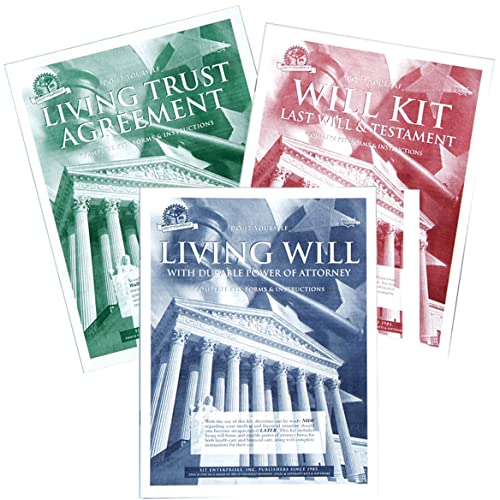
Do-It-Yourself Will Kit – Includes Last Will & Testament, Living Will and Living Trust Booklets
Three piece Do-it-yourself Will Kit – Prepares for the future without involving a costly lawyer – Set includes…
As an affiliate, we earn on qualifying purchases.
As an affiliate, we earn on qualifying purchases.
Conclusion
As you close this chapter and look ahead, think of your estate plan as a garden that needs tending. With each update—your will, beneficiaries, and assets—you’re planting seeds for your future peace of mind. Clearing out old arrangements allows new growth to flourish, ensuring your wishes are clear and your loved ones protected. Take charge now, and watch your legacy blossom, vibrant and secure, long after the final page is turned.

Transfer-on-Death Deed Form: TOD Document for Beneficiary Designation in Real Estate Transfer.
As an affiliate, we earn on qualifying purchases.
As an affiliate, we earn on qualifying purchases.

PlanNow Medical & Financial Power of Attorney Plus Advance Directive Forms – Easy Step-by-Step Instructions Legal Forms Advance Financial & Health Care – Attorney Approved – Live Support
Secure Your Future Health: PlanNow provides a Medical Power of Attorney form (living will) that lets you designate…
As an affiliate, we earn on qualifying purchases.
As an affiliate, we earn on qualifying purchases.