

To budget for transportation in two-household parenting, start by tracking your expenses and sharing responsibilities with the other parent to split costs fairly. Establish a schedule for carpooling, switch to fuel-efficient or electric vehicles, and use apps to monitor spending. Combine errands and explore public transit options to lower costs. By coordinating efforts, you’ll stay within your budget and guarantee reliable transportation for your kids. Learn more tips to optimize your transportation budget.

Get gifts for the two of you delivered free with Prime
- Fast, free delivery on millions of items
- Prime Video, Amazon Music and more included
- Member-only deals all year
Key Takeaways
- Establish a shared transportation budget based on combined household income and typical expenses.
- Track and categorize all transportation costs regularly to identify spending patterns and areas for savings.
- Coordinate carpool schedules and responsibilities to reduce individual driving and fuel expenses.
- Explore alternative transportation options like public transit or biking to lower overall costs.
- Use digital tools and shared calendars to plan trips efficiently and avoid unnecessary or duplicate trips.
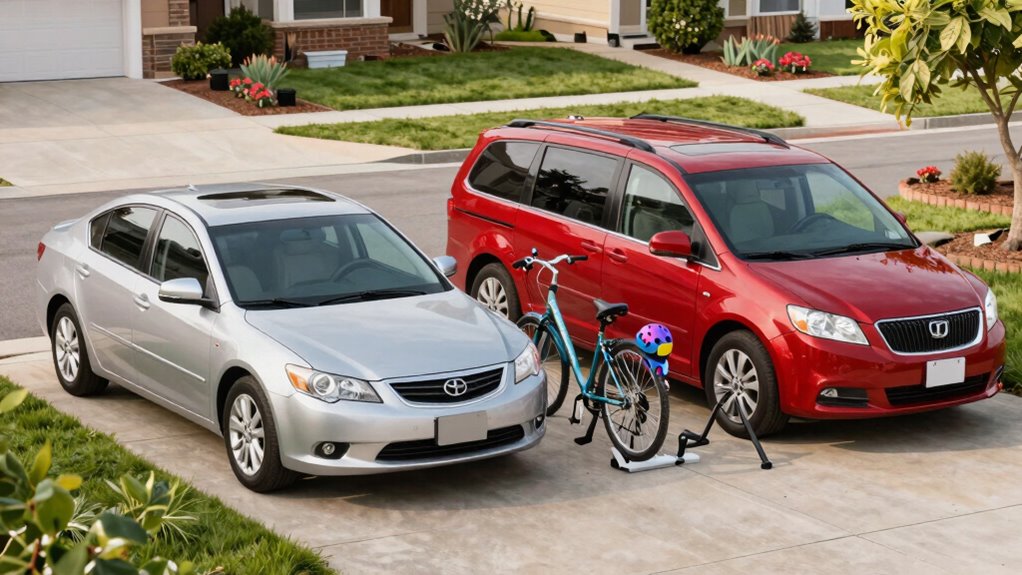
Ever wondered how to manage transportation costs effectively when two households are involved in parenting? It’s a common challenge, but with some strategic planning, you can reduce expenses and ease the logistical burden. One of the most effective ways to do this is through carpool coordination. By organizing regular rides with the other parent or caregiver, you cut down on multiple trips and shared driving responsibilities. You might set up a schedule that rotates the driving duties or aligns pickup and drop-off times to minimize your travel. This not only saves money on fuel but also reduces the wear and tear on your vehicle, ultimately lowering maintenance costs. Communication is key here; using shared calendars or group messaging apps can help everyone stay on the same page and avoid misunderstandings. Additionally, incorporating digital tools like ride-sharing apps or scheduling platforms can streamline coordination and make managing transportation even easier.
Fuel cost management is another essential aspect of budgeting for transportation. Fuel prices fluctuate, so keeping track of your fuel expenses can reveal patterns and opportunities for savings. Consider investing in a fuel app that monitors your spending or keeps a log of miles driven versus fuel purchased. When planning trips, combine errands to make the most of each outing, which helps limit unnecessary driving. If your schedule allows, carpooling with neighbors or other parents can further reduce individual fuel costs. Additionally, choosing the most fuel-efficient routes—like avoiding heavy traffic or construction zones—can make a noticeable difference in your monthly fuel bill. Regularly reviewing your vehicle maintenance schedule can also improve fuel efficiency and extend your vehicle’s lifespan, saving you money in the long run.
To maximize savings, you should also review your transportation options regularly. Sometimes, switching to a more fuel-efficient vehicle or an electric car becomes a practical choice, especially if your driving patterns involve frequent short trips or commuting. If public transportation is accessible and reliable in your area, it may be worth considering for some of your trips, especially those that don’t require a car. This can markedly cut down on fuel costs and vehicle depreciation.
Lastly, setting a clear transportation budget helps keep expenses predictable. Determine a monthly or quarterly limit based on your income and other household costs. Track your actual spending against this budget, and adjust your carpool arrangements or driving habits as needed. When both households work together to share responsibilities, coordinate schedules, and manage fuel costs, you create a more affordable and less stressful transportation system. This collaborative approach ensures that you’re not bearing the full burden, making parenting across two households smoother and more financially sustainable.
As an affiliate, we earn on qualifying purchases.
Frequently Asked Questions
How Do I Split Transportation Costs Fairly Between Two Households?
You should split transportation costs fairly by calculating each household’s use of the vehicle, considering expenses like insurance premiums and vehicle maintenance. Keep track of miles driven in each home to determine a proportional share. Discuss and agree on a fair method, such as dividing costs based on usage or income. Regularly review and adjust the split as circumstances change to make certain both households contribute equally and transparently.
What if One Household Has a Longer Commute Than the Other?
If one household has a longer commute, you should allocate transportation costs like vehicle maintenance and parking fees proportionally to the distance traveled. This way, the household with the longer commute bears a fairer share of expenses. Consider tracking these costs regularly, so each household contributes based on actual usage. Open communication helps guarantee both sides agree on the split, making budgeting more transparent and fair.
How Can We Reduce Transportation Expenses for Both Households?
Imagine harnessing the power of teamwork, like the legendary teammates of Hercules. You can reduce transportation expenses by setting up carpool arrangements with neighboring families or friends, sharing rides for school runs and activities. Additionally, explore public transit options like buses or trains, which are often more affordable than individual vehicles. Combining these strategies helps cut costs, minimizes wear and tear on your cars, and eases the financial burden on both households.
Should We Share the Cost of a Family Vehicle or Have Separate Cars?
Sharing a family vehicle often saves money on vehicle maintenance and insurance coverage, reducing overall costs for both households. It streamlines expenses and simplifies scheduling. However, having separate cars provides flexibility and individual independence, which might be necessary depending on your schedules. Weigh the costs of maintenance and insurance coverage against convenience, and consider your family’s specific needs before deciding whether to share a vehicle or keep separate cars.
How Do We Handle Transportation Costs During Holidays or Special Occasions?
During holidays or special occasions, you should plan ahead for seasonal travel and gift deliveries by splitting costs based on each household’s travel days or needs. Consider creating a shared fund for these expenses, ensuring both households contribute fairly. This way, you can handle seasonal travel smoothly and avoid last-minute financial surprises, making gift deliveries and holiday visits less stressful and more enjoyable for everyone involved.
Conclusion
By planning your transportation costs carefully, you’re anchoring your financial ship amidst choppy waters. Keep open communication with your co-parent, track expenses diligently, and explore shared solutions. Remember, a well-balanced budget isn’t just a number on paper; it’s the bridge that keeps your family’s journey smooth and steady. With each mindful decision, you’re crafting a future where transportation costs don’t weigh down your shared adventures but support them like sturdy pillars.
Fall Picks
fall essentials
As an affiliate, we earn on qualifying purchases.