

Divorce can impact your inheritance rights by changing how your assets are distributed and who inherits what. Without updating your estate plans, your ex-spouse might claim rights or benefit from your estate, contrary to your wishes. Laws vary by state, affecting how property is divided and inherited. To protect your wealth, review and revise your wills, trusts, and beneficiary designations after divorce. Continuing to explore these details helps guarantee your assets stay with the people you care about most.
Key Takeaways
- Divorce can revoke automatic inheritance protections; updating estate documents is essential to safeguard assets.
- State property division laws influence inheritance rights and should be considered in estate planning.
- Removing ex-spouse beneficiaries from wills, trusts, and accounts helps prevent unintended claims.
- Revising beneficiary designations ensures assets pass to intended heirs, not former spouses.
- Consulting an estate attorney ensures compliance with legal nuances and proper protection of family wealth.
When going through a divorce, many people overlook how it can affect their inheritance rights. You might think that your estate plan automatically protects your assets, but divorce can complicate these arrangements. It’s essential to review your estate planning documents and understand how property division laws might impact your future inheritance. During a divorce, the division of property becomes a central concern, and what you’re entitled to can change markedly depending on your state’s laws and your specific circumstances. If you don’t update your estate plan, your ex-spouse could potentially claim rights to your estate, or your assets might be distributed in ways you didn’t intend. That’s why it’s crucial to revisit your will, trust, and beneficiary designations promptly after filing for divorce.
Estate planning isn’t just about creating documents; it’s about safeguarding your assets are allocated according to your wishes, especially during and after a divorce. You need to consider how property division laws might affect inheritance rights. In community property states, for example, assets acquired during the marriage are generally split equally, which can impact what you leave behind. In equitable distribution states, the court looks at various factors to divide property fairly, but that doesn’t always mean equally. These legal nuances can influence what your heirs will ultimately receive, so it’s vital to work with an estate planning attorney to adjust your documents accordingly. Additionally, understanding how inheritance laws can impact your estate during divorce proceedings is crucial for comprehensive planning.
Updating your estate plan after divorce is a proactive step you shouldn’t delay. You’ll want to remove or change beneficiaries on life insurance policies and retirement accounts, as these designations often bypass your will and can be affected by divorce laws. If you have a trust, revisit its terms to ensure it reflects your current intentions. Additionally, consider whether you need to specify or exclude certain heirs, especially if your previous plans included your now-ex spouse. Proper estate planning helps protect your assets from unintended claims and guarantees that your wealth is passed on to your chosen beneficiaries.

The Gallery Collection, 25 Count, Blue, Estate Planning Documents Pocket Folders, Gold Foil Stamped, for Legal Professionals (9 x 12)
HIGH QUALITY: Thick and luxurious 97lb (14pt) matte card stock
As an affiliate, we earn on qualifying purchases.
As an affiliate, we earn on qualifying purchases.
Frequently Asked Questions
How Does Prenuptial Agreement Affect Inheritance Rights During Divorce?
A prenuptial agreement directly influences your inheritance rights during divorce by clearly defining the division of marital assets, which can include inherited property. It acts as an estate planning strategy, ensuring your inheritance remains protected and isn’t automatically shared. By establishing these terms upfront, you prevent disputes and safeguard your family’s wealth, giving you peace of mind and control over how your assets are distributed during divorce proceedings.
Can a Surviving Spouse Contest a Will After Divorce?
Yes, a surviving spouse can contest a will after divorce, especially if estate planning documents didn’t reflect the change in your relationship. Many assume divorce automatically nullifies inheritance rights, but laws vary. To protect your assets, you should update your estate plan and understand inheritance laws. Otherwise, your ex-spouse might still claim part of your estate, undermining your intentions and family wealth.
What Are the Legal Steps to Protect Inheritance Assets in Divorce?
To safeguard inheritance assets in divorce, you should update your estate planning documents, like wills and trusts, to specify your intentions. Understand inheritance laws in your state, as they can influence asset division. Consider establishing a prenuptial or postnuptial agreement to shield inherited property. Consulting a family law attorney helps ensure your inheritance remains protected and aligns with your overall estate plan.
How Are Inheritance Rights Divided if There Is No Will?
If there’s no will, inheritance rights are divided according to state laws, typically favoring spouses and children. Your estate planning can influence how family assets are distributed, but without a will, the court determines the allocation. To protect your family assets, consider creating a thorough estate plan. This guarantees your inheritance rights are clear and your assets are distributed as you intend, especially in cases of divorce or other life changes.
Does Divorce Impact Inheritance Rights of Children From Previous Marriages?
Divorce can considerably impact your children’s inheritance rights from previous marriages. Typically, marital property is divided during divorce, which may reduce the estate available to children from prior marriages. To safeguard their inheritance, you should update your estate planning documents, like wills or trusts. This ensures their rights are protected regardless of divorce, and helps prevent future disputes over family wealth.

Transfer-on-Death Deed Form: TOD Document for Beneficiary Designation in Real Estate Transfer.
As an affiliate, we earn on qualifying purchases.
As an affiliate, we earn on qualifying purchases.
Conclusion
So, you might think that once you’ve protected your assets through inheritance rights, divorce won’t threaten your family wealth. But irony strikes when, in the end, it’s often the very legal protections meant to secure your legacy that get tangled in the chaos of a breakup. You work tirelessly to safeguard your inheritance, only to find that, during a divorce, those protections can sometimes become your greatest vulnerability. Life’s little twists never cease to surprise.

Revocation of a Living Trust Kit: Prepare a Notice of Revocation of a Living Trust in Minutes….. (Updated 2025 U.S. Edition)
As an affiliate, we earn on qualifying purchases.
As an affiliate, we earn on qualifying purchases.
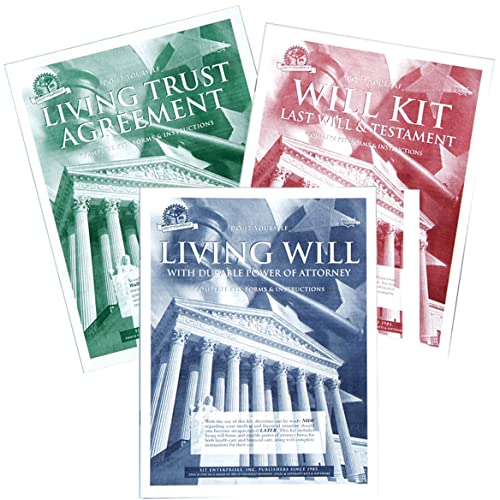
Do-It-Yourself Will Kit – Includes Last Will & Testament, Living Will and Living Trust Booklets
Three piece Do-it-yourself Will Kit – Prepares for the future without involving a costly lawyer – Set includes…
As an affiliate, we earn on qualifying purchases.
As an affiliate, we earn on qualifying purchases.