

During divorce, joint tax refunds are usually considered shared assets and are divided based on your state’s laws and your custody arrangements. If the refund stems from joint income or child-related credits, courts often see it as marital property to split fairly. Your custody setup can also impact who receives the refund, especially if it benefits your children. To understand how these specifics apply to your situation, keep exploring the details that could affect your refund division.
Key Takeaways
- Joint tax refunds are typically considered marital property and subject to division during divorce proceedings.
- Refunds linked to jointly earned income or child-related credits are often allocated based on custody and support needs.
- The timing of the refund, especially if from the year of separation, influences whether it’s shared or separate property.
- Courts evaluate contributions, custody arrangements, and applicable state laws to determine refund division.
- Proper documentation and legal guidance help ensure fair distribution of joint tax refunds during divorce.

Divorces can complicate the process of dividing financial assets, especially when it comes to joint tax refunds. When you and your spouse file jointly, the refund is a shared asset, and during divorce proceedings, questions naturally arise about who should receive that money. The key factors that influence this decision include child custody arrangements and how property division is handled. If you have children and are awarded primary custody, the court might consider this when determining the rightful recipient of the refund, especially if the refund was due to a child-related tax credit or deduction. Similarly, if the refund stems from joint contributions to property or joint income, it complicates the division process, requiring clear legal guidance. It’s also important to understand how tax laws can impact your case, especially since these laws can vary from state to state. Additionally, courts may examine the classification of assets to determine whether the refund should be considered separate or marital property, which can influence division decisions.
In terms of property division, the general rule is that assets acquired during the marriage are considered marital property and are subject to equitable distribution. This extends to tax refunds, which often reflect income earned jointly. If your divorce settlement specifies how to split such refunds, the process becomes straightforward. Otherwise, the courts will assess the circumstances, including who contributed more to the income that generated the refund and who needs the funds more for child support or other needs. If the refund was based on joint income during the year of separation, it’s typically seen as shared property, but you can negotiate a different arrangement if both parties agree.
Child custody plays a significant role in the division of tax refunds, especially when those refunds include benefits linked to children, such as Earned Income Tax Credits or Child Tax Credits. If you have primary custody, you might argue for keeping the refund since it directly benefits your children. Conversely, if your spouse has custody, the court may decide the refund should go to them, especially if it’s tied to minor children’s benefits. The court aims to ensure that the child’s best interests are prioritized, which can influence how the refund is divided or allocated. Additionally, understanding how tax credits impact refunds can help clarify these divisions, especially since credits like the Child Tax Credit can significantly increase the refund amount. Ultimately, the division of joint tax refunds during divorce hinges on the specifics of your property division agreement and child custody arrangements. It’s wise to consult with a legal professional who understands family law in your state to ensure your rights are protected. Clear documentation, such as filing status, income sources, and custody terms, can help streamline the process. Remember, courts aim for fairness, but what’s fair varies depending on each case’s unique circumstances.

Whoever Said Money Can't Buy Happiness – Funny Divorce Gift T-Shirt
Perfect gift idea as an anniversary prensent for happily divorced woman or man, ex wife or husband. Grab…
As an affiliate, we earn on qualifying purchases.
As an affiliate, we earn on qualifying purchases.
Frequently Asked Questions
Can a Spouse Claim the Entire Joint Refund After Divorce?
Yes, a spouse can claim the entire joint tax refund after divorce, but it depends on tax refund eligibility and divorce settlement negotiations. Typically, the IRS issues the refund based on how you filed—joint or separate—and who is legally responsible for the taxes. During negotiations, you can agree on who receives the refund, or a court might decide. Be sure to document your agreement to avoid future disputes.
How Does Filing Separately Affect Joint Tax Refunds?
Filing separately turns the tide on joint tax refunds, making tax refund allocation clearer but more complex. It impacts your filing status considerably, often reducing your overall refund due to limited credits and deductions. Think of it as trying to split a pie—each person gets their piece, but the size might shrink. So, if you’re divorced, your choice of filing status directly influences how much you get back and how refunds are divided.
What if One Spouse Is Delinquent on Taxes?
If one spouse is delinquent on taxes, the IRS can place a tax lien, which affects the joint refund. They may also issue a refund offset, redirecting the refund to cover the delinquent taxes. As a result, you might receive a reduced refund or none at all. It’s essential to address any tax debts before divorce proceedings to prevent unexpected refund issues and protect your financial interests.
Are Joint Refunds Divided if the Divorce Is Not Finalized?
If your divorce isn’t finalized, the tax refund allocation depends on your divorce settlement agreements. Typically, the IRS considers the refund as joint property, so it may be divided according to your agreement or state laws. Until the divorce is official, both of you might be entitled to a share, but it’s best to clarify this in your settlement to avoid disputes later. Always consult with a legal expert for specific guidance.
Can a Spouse Challenge the Division of a Joint Refund?
Did you know that over 30% of couples face disputes over tax refund allocation during divorce? Yes, a spouse can challenge the division of a joint refund, especially if they believe the refund was misallocated or unfair. Spouse refund challenges often involve legal arguments about fair distribution. To safeguard your rights, consult a family law attorney, who can help navigate the process and guarantee your refund is properly allocated.

Antitrust Law Guide – Legal Quick Reference Guide by Permacharts
Quick reference antitrust legal and law chart
As an affiliate, we earn on qualifying purchases.
As an affiliate, we earn on qualifying purchases.
Conclusion
Managing joint tax refunds during divorce can feel overwhelming, but understanding the process helps you stay ahead. Remember, “A problem shared is a problem halved,” so communicate openly with your ex and the IRS. Whether you’re dividing refunds or handling separate claims, staying informed guarantees a smoother shift. Staying proactive now can save headaches later—think of it as laying a solid foundation for your new chapter.

2-Pack Firefighter Multi-Tool – Credit Card-Sized Stainless Steel Pry Bar, EDC Survival Tool with Screwdriver, Bottle Opener, Ruler – Compact Emergency Gear for Firefighters, EMS, and First Responders
Compact & Wallet-Friendly – This ultra-thin credit card-sized multi-tool (3.37" x 2.125") fits perfectly in any wallet, pocket,…
As an affiliate, we earn on qualifying purchases.
As an affiliate, we earn on qualifying purchases.
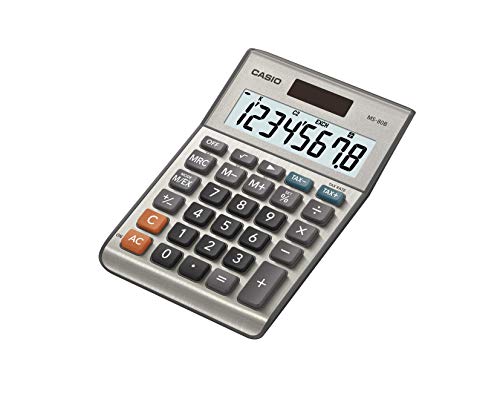
Casio MS-80B Calculator – Desktop Calculator with Tax & Currency Tools | General Purpose | Large Display | Ideal for Home, Office & Everyday Math
LARGE EIGHT-DIGIT DISPLAY – Clear and easy-to-read 8-digit display, perfect for everyday calculations and ensuring accurate results in…
As an affiliate, we earn on qualifying purchases.
As an affiliate, we earn on qualifying purchases.