
TL;DR

Get gifts for the two of you delivered free with Prime
- Fast, free delivery on millions of items
- Prime Video, Amazon Music and more included
- Member-only deals all year
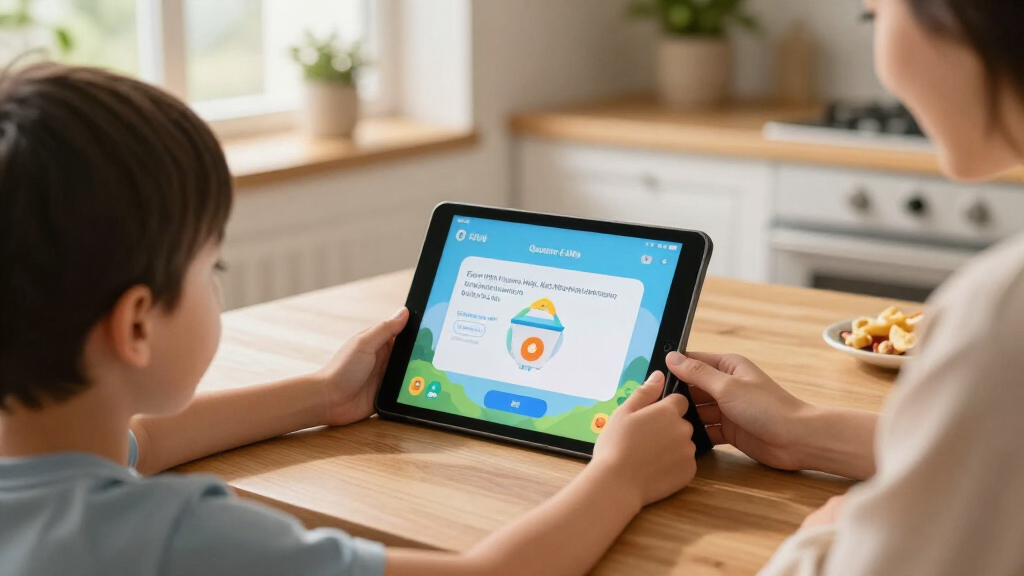
Studies indicate that even with adult support, children often lack the motivation to actively use AI tutors. The key question is how to enhance engagement to maximize learning benefits.
Recent research reveals that children still require significant motivation to actively engage with AI tutoring systems, even when they receive help from teachers or parents. This ongoing challenge affects the effectiveness of AI in education and raises questions about how to improve student engagement with these tools.
Multiple studies and surveys conducted over the past year indicate that children’s use of AI tutors remains inconsistent, with many children showing low levels of motivation to initiate or sustain engagement. Experts attribute this to factors such as lack of intrinsic interest, perceived relevance, or the novelty wearing off over time, despite the presence of adult support.
According to education technologists, human help alone does not guarantee active participation. Instead, motivation appears to be a critical factor that influences whether children fully utilize AI tutoring platforms. Teachers and parents often report that children need additional encouragement or incentives to use these systems regularly.
While AI tutors can personalize learning and provide immediate feedback, their success depends heavily on student willingness to participate. This has prompted researchers to explore strategies such as gamification, rewards, and social features to boost motivation, but definitive solutions are still under development.
Why Student Motivation Is Key to AI Tutoring Effectiveness
The fact that children need motivation to engage with AI tutors directly impacts their learning outcomes. If students do not actively participate, the potential benefits of personalized instruction and immediate feedback are diminished. This challenges educators and developers to rethink how AI tools are integrated into learning environments.
Understanding and addressing motivation gaps is essential for scaling AI in education effectively. Without increased engagement, the investment in AI tutoring systems may not yield the expected improvements in academic achievement, especially among students who are already disengaged or struggle with motivation.
Furthermore, this issue highlights the importance of combining technological solutions with pedagogical strategies that foster intrinsic interest and sustained participation, ensuring AI tools complement rather than replace human interaction.
As an affiliate, we earn on qualifying purchases.
The Ongoing Challenge of Engaging Kids with AI Learning Tools
The use of AI in education has been expanding rapidly, especially following the COVID-19 pandemic, which accelerated digital learning adoption. Despite this growth, research indicates that student engagement remains uneven. Historically, motivation has been a persistent challenge in educational technology, but recent focus has shifted to how AI can be made more compelling for children.
Previous studies show that while AI tutors can adapt to individual learning styles and provide tailored feedback, their success hinges on students’ willingness to participate actively. The current trend signals an increased interest in understanding the psychological and social factors influencing engagement, with some educators experimenting with gamified approaches and social features.
This rising attention coincides with broader concerns about screen time, digital fatigue, and the relevance of AI tools in supporting meaningful learning experiences. The recent spike in coverage reflects a broader societal interest in how to make AI-based education more effective and engaging for young learners.
Unclear Strategies for Sustaining Student Engagement
It remains uncertain which specific approaches will most effectively motivate children to use AI tutors consistently. While gamification and rewards show promise, there is no definitive evidence yet on their long-term effectiveness. Additionally, the impact of individual differences, such as age, personality, and learning style, on motivation strategies is still being studied.
Experts acknowledge that more research is needed to identify scalable, sustainable methods to motivate diverse student populations, and whether these methods can be integrated seamlessly into existing educational frameworks.
Next Steps in Enhancing AI Engagement for Students
Researchers and educators are expected to pilot new motivational strategies, including advanced gamification, social features, and personalized incentives, over the coming months. There is also an increasing push for longitudinal studies to assess the lasting impact of these approaches on student engagement and learning outcomes.
Educational technology companies are likely to refine their AI platforms to incorporate these motivational elements more effectively. Policymakers and school administrators may also develop guidelines to support the integration of engagement strategies alongside AI deployment.
Ultimately, the focus will be on creating AI tutoring systems that not only adapt to individual learning needs but also actively foster sustained motivation and participation among children.
Key Questions
Why do children need motivation to use AI tutors?
Children often lack the intrinsic motivation or interest to engage fully with AI tutoring systems, which can limit their learning benefits. Motivation influences whether they initiate and sustain use of these tools.
What strategies are being tested to improve motivation?
Strategies such as gamification, rewards, social features, and personalized incentives are being explored to make AI tutoring more engaging for children.
Does human help alone guarantee engagement?
No, research indicates that even with adult support, children still need additional motivation to actively use AI learning tools.
What are the main challenges in motivating kids for AI learning?
Key challenges include maintaining interest over time, addressing individual differences, and integrating motivational strategies into existing educational practices.
What will happen next in this area?
Future efforts will focus on testing new engagement techniques, conducting longitudinal studies, and refining AI platforms to better motivate diverse student populations.
Source: rss
Halloween Picks
halloween
As an affiliate, we earn on qualifying purchases.