
TL;DR

Get gifts for the two of you delivered free with Prime
- Fast, free delivery on millions of items
- Prime Video, Amazon Music and more included
- Member-only deals all year
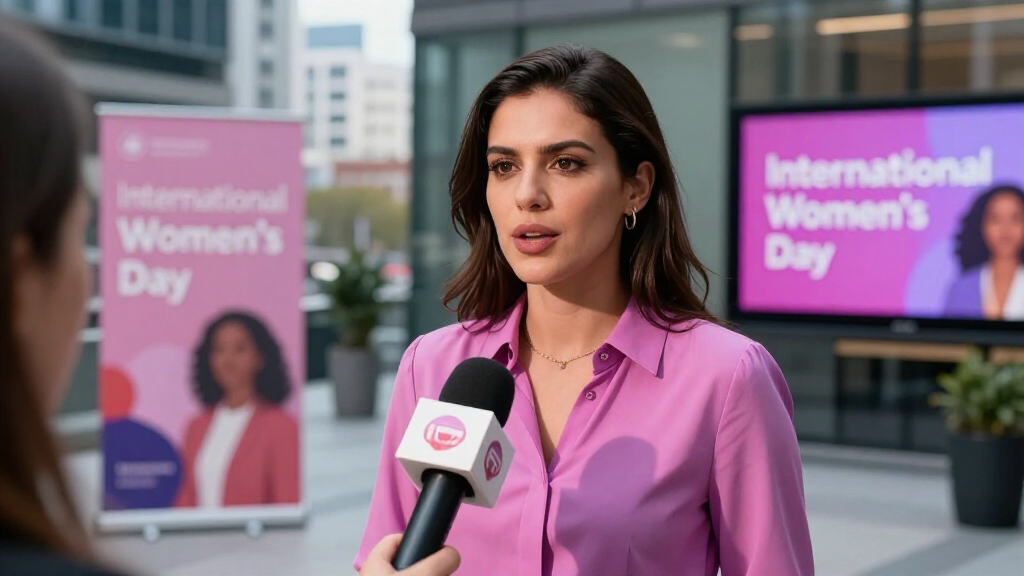
Media coverage of International Women’s Day has reached a new high, with 36 mentions in recent reports, reflecting growing global attention to gender equality. This surge underscores increasing societal focus on women’s rights and related issues.
Media outlets worldwide have significantly increased their coverage of International Women’s Day, with recent data showing 36 mentions within a specific reporting window. This surge underscores the event’s growing prominence in global discourse. This marks a notable rise compared to previous years and underscores the event’s growing prominence in global discourse. The surge in coverage highlights increased societal attention to issues of gender equality, women’s rights, and related social movements, making it a key moment for awareness and advocacy.
According to the latest analysis from GDELT, a media monitoring platform, there have been 36 mentions of International Women’s Day within a recent reporting period, representing a substantial increase from baseline levels. This data indicates a surge in media interest, spanning news outlets, social media, and international coverage, emphasizing the event’s rising visibility.
Experts suggest this heightened coverage reflects broader societal trends, including ongoing discussions about gender equality, recent legislative developments, and global movements such as #BreakTheBias. Many news outlets have featured stories on women’s achievements, ongoing challenges, and calls for policy change, contributing to the event’s increased prominence in public discourse.
While the precise reasons for this surge are still being analyzed, media analysts note that the timing coincides with recent global protests, policy debates, and anniversary reflections that have kept International Women’s Day in the spotlight. The increased attention is seen as part of a broader push for gender equality and social justice worldwide.
Why the Media Surge on International Women’s Day Matters
The spike in media coverage signals a growing societal focus on gender equality and women’s rights worldwide. It can influence public opinion, shape policy discussions, and motivate further activism. The increased visibility may also encourage more organizations and governments to prioritize gender-related issues, potentially leading to tangible social changes. For individuals, it reinforces the importance of ongoing efforts toward equality and recognition of women’s contributions across sectors.
International Women's Day themed apparel
As an affiliate, we earn on qualifying purchases.
As an affiliate, we earn on qualifying purchases.
Historical Trends and Recent Developments in Women’s Day Coverage
International Women’s Day has historically gained varying levels of media attention, often peaking during milestone anniversaries or in response to social movements. In recent years, coverage has generally increased as awareness of gender issues has expanded globally. The current surge, with 36 mentions in a recent window, appears to be one of the highest levels of media engagement in recent history.
Past coverage spikes have coincided with significant events, such as legislative reforms, international conferences, and global protests. The current trend suggests that media interest continues to grow, reflecting broader societal shifts and increased activism around women’s rights.
“Media plays a crucial role in amplifying women’s voices, and the current coverage surge helps to keep these issues in the public eye.”
— Maria Lopez, Gender Rights Advocate
Unclear Factors Behind the Coverage Increase
While the data shows a clear rise in mentions, the specific reasons for this surge are still being analyzed. It is not yet confirmed whether this increase is driven primarily by social movements, political developments, or other factors. Additionally, it remains to be seen if this trend will sustain or diminish in the coming months.
Future Media Trends and Potential Policy Impacts
Media analysts expect coverage to remain high through March, with possible peaks around International Women’s Day events and related anniversaries. The increased visibility could influence policymakers and organizations to prioritize gender equality initiatives. Monitoring upcoming campaigns, legislative debates, and social movements will help assess whether this surge translates into tangible change.
Key Questions
Why has media coverage of International Women’s Day increased?
The increase likely reflects broader societal focus on gender equality, recent social movements, and political developments that have kept the event in the public eye.
Will this surge in coverage lead to policy changes?
It is uncertain. While increased media attention can influence policymakers, concrete policy changes depend on multiple factors, including political will and activism.
Which regions are most contributing to this coverage increase?
Initial analysis suggests coverage is widespread, with notable increases in North America, Europe, and parts of Asia, but detailed regional data is still being compiled.
How does this year’s coverage compare to previous years?
This year’s mentions, with 36 identified, represent a significant rise compared to previous years, indicating a possible upward trend in media focus on International Women’s Day.
Source: gdelt
Fall Picks
fall essentials
As an affiliate, we earn on qualifying purchases.