
TL;DR

Get gifts for the two of you delivered free with Prime
- Fast, free delivery on millions of items
- Prime Video, Amazon Music and more included
- Member-only deals all year
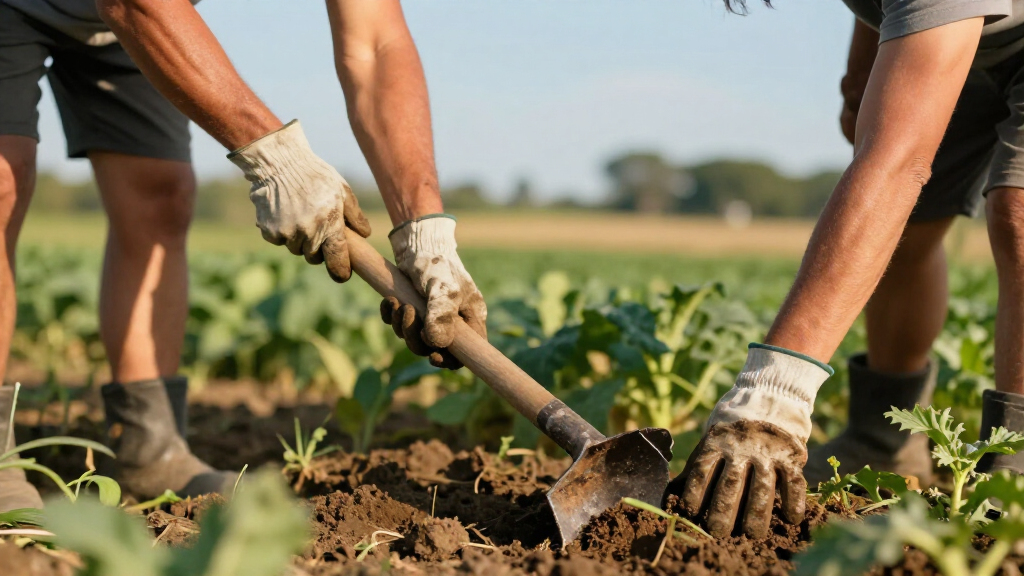
Farmworkers are the primary group at risk in the ongoing Cylcospora outbreak. Health officials confirm their heightened exposure, prompting urgent safety measures. The situation remains under investigation.
Farmworkers involved in harvesting crops are the most at risk in the ongoing Cylcospora outbreak, according to health officials. The outbreak has prompted urgent investigations into exposure risks and protective measures for those on the front lines.
Confirmed reports indicate that farmworkers handling contaminated crops or working in affected fields are experiencing higher rates of infection. The Centers for Disease Control and Prevention (CDC) has identified these workers as a vulnerable group due to their direct contact with the fungus.
Health authorities have issued safety guidelines urging farm operators to implement protective equipment protocols, including gloves and masks, and to enhance sanitation measures. The outbreak was first identified in late October 2023 in several agricultural regions, with cases rising among farmworker populations.
Preliminary investigations suggest that the fungus Cylcospora spreads through soil and plant matter, making farmworkers particularly susceptible during planting and harvesting activities. Officials are now prioritizing testing and monitoring in these high-risk environments.
Why Farmworkers Are Most Affected in the Outbreak
This outbreak highlights the heightened health risks faced by farmworkers, who are directly exposed to contaminated environments. Their vulnerability underscores the need for targeted safety protocols and health protections in agricultural settings.
Understanding the risks to these workers is crucial for preventing severe health outcomes and controlling the spread of Cylcospora. The situation also raises broader questions about occupational safety standards in the agricultural sector, especially during infectious disease outbreaks.
As an affiliate, we earn on qualifying purchases.
Background on the Cylcospora Outbreak and Worker Exposure
The Cylcospora outbreak was first detected in late October 2023 in several farming regions, with initial cases among farmworkers and agricultural staff. The fungus is known to thrive in soil and decaying plant matter, making farm environments particularly vulnerable.
Historically, similar fungi have caused health issues primarily among people with direct contact with contaminated soil or plant material. This outbreak marks a significant escalation, with authorities now focusing on occupational exposure as a primary transmission pathway.
Previous outbreaks of related fungi have led to increased awareness of occupational health risks, but this is the first time Cylcospora has been linked to widespread infections among farmworkers in recent years.
“Many of us are concerned because we handle the crops directly and have limited access to protective gear. We need urgent safety support.”
— Juan Ramirez, farmworker and union representative
Unanswered Questions About Exposure and Spread
It is still unclear how widespread the infection has become among farmworkers across different regions. The full extent of exposure and the long-term health effects remain under investigation.
Researchers are also working to determine whether certain farming practices or environmental factors increase risk, but definitive data has yet to be published.
Next Steps in Containing and Studying the Outbreak
Health authorities plan to expand testing among farmworker populations and enforce stricter safety protocols. Further research is expected to clarify the transmission pathways and long-term health impacts.
Farm organizations and government agencies are coordinating efforts to distribute protective gear and increase awareness of safety measures in affected regions. Monitoring and reporting will continue as the outbreak develops.
Key Questions
What is Cylcospora and how does it spread?
Cylcospora is a soil-borne fungus that can infect humans through contact with contaminated soil or plant material, especially during farming activities.
Who are most at risk from this outbreak?
Farmworkers involved in planting, harvesting, and handling crops are most at risk due to their direct contact with contaminated environments.
What safety measures are being recommended?
Authorities recommend using protective gear such as gloves and masks, practicing good sanitation, and minimizing contact with soil and plant debris in affected areas.
How many cases have been reported so far?
Exact numbers are still being compiled, but health officials confirm that cases are rising among farmworker populations in several affected regions.
What are the long-term health risks for exposed workers?
The long-term health effects are still under study, but initial concerns include respiratory issues and chronic infections related to fungal exposure.
Source: rss
Halloween Picks
halloween
As an affiliate, we earn on qualifying purchases.