
To find divorce forms, start with the Missouri Courts website, which offers a centralized portal for statewide forms like petitions and parenting plans. Some counties, such as St. Louis County, have their own form libraries and procedural guides. You can also contact local circuit clerks for certified copies or specific documents. If you keep exploring, you’ll discover detailed resources to help you navigate the process smoothly.
Key Takeaways
- Missouri Courts website serves as the primary source for statewide divorce forms and instructions.
- Many counties, such as St. Louis County, maintain their own court form libraries with specific requirements.
- Online directories like divorce-courts.com provide contact information for Missouri courthouses nationwide.
- Local court websites often include guidance on procedural rules and additional required documents.
- Contacting county clerks ensures access to certified copies and any county-specific forms or procedures.
Navigating divorce forms can be complicated, but fortunately, Missouri offers multiple resources to help you access the necessary paperwork. Whether you’re filing without an attorney or simply want to understand the process better, the state provides various online tools and directories to streamline your experience. The Missouri Courts website is your primary starting point. It features a centralized portal where you can find state-approved divorce forms, such as the Petition for Dissolution of Marriage, financial disclosure forms, and Parenting Plan templates. These forms are designed to meet the standards set by the Missouri Supreme Court and are suitable for self-represented litigants. However, it’s essential to check with your local circuit court because some counties, like St. Louis County, maintain their own form libraries, which may include additional or specific requirements.
Missouri offers online resources and local court forms to simplify your divorce paperwork process.
The Missouri Courts website is regularly updated to ensure compliance with current legal standards, and it provides the latest versions of divorce forms, including instructions for their proper completion. Local courts often have unique forms or procedural rules that aren’t available on the statewide website. For instance, St. Louis County provides a directory of forms specifically tailored to their jurisdiction, including petitions, child support modifications, and proof of divorce documents. To obtain certified copies of your divorce decree, you’ll need to contact the Circuit Clerk in the county where your divorce was granted. If you’re unsure of the county or if records are difficult to access, the Missouri Bureau of Vital Records in Jefferson City supplies certified statements containing limited divorce information, which can be useful in some cases. Additionally, digital court records are becoming more common, allowing for easier access and management of your documentation.
In addition to official court websites, several online directories can help you find courthouse contact information across Missouri. Websites like divorce-courts.com compile addresses and phone numbers for courts throughout the state, making it easier for you to reach the right office for your needs. These resources are especially helpful if you’re seeking guidance on filing procedures or need to confirm local requirements before submitting your forms. Some courts also provide helpful pamphlets, instructions, and booklets explaining divorce procedures, which you can review to better understand the process and prepare your paperwork accordingly.
For those involved with children or facing particular circumstances, courts such as St. Louis County also offer forms related to property division, mediation, and protective orders. County clerks at courthouses can guide you on additional documents you might need, such as compliance reports or orders for parent coordination. Overall, Missouri’s combination of state and local resources ensures you have multiple avenues to access and complete your divorce paperwork accurately. By exploring these online portals and directories, you can handle your case efficiently and ensure you meet all necessary requirements for your divorce process.

Adams Divorce Kit, Downloadable Forms and Instructions, Details on Packaging, Divorce Forms for All 50 States (K302)
State-specific divorce forms and divorce law information for all 50 states
As an affiliate, we earn on qualifying purchases.
As an affiliate, we earn on qualifying purchases.
Frequently Asked Questions
How Often Are Divorce Forms Updated on State Court Websites?
Divorce forms on state court websites are updated at varying intervals, depending on the state and jurisdiction. Some update annually, often after legal or procedural changes, while others revise forms less frequently, such as every few years. Local courts may also have independent schedules, leading to differences. You might find outdated forms if updates lag or if jurisdictions delay implementing changes, so always check for the most recent versions before filing.
Can I Fill Out Divorce Forms Online Without Visiting the Courthouse?
Yes, you can fill out divorce forms online without visiting the courthouse. Many states, including Ohio, offer interactive PDFs or Microsoft Word versions you can complete electronically. After filling out the forms at home, you’ll need to file them with the court, which may involve mailing or submitting them in person. Just make certain you meet your state’s residency and filing requirements, and consider seeking legal advice if needed.
Are There Any Fees to Access or Download Divorce Forms?
You won’t usually pay to access or download divorce forms, as most courts offer them for free online. You can often find these forms on official court websites without any charges. However, keep in mind that while downloading is free, filing fees or other costs may apply later, such as court fees or service charges. Always check your specific state’s rules to confirm whether any fees are involved at each step.
Do All States Require Notarization for Divorce Forms?
Not all states require notarization for divorce forms. While most states do, especially for financial affidavits and settlement agreements, some, like California, only require notarization for specific cases like default divorces with agreements. In uncontested cases, notarization might not be necessary. To avoid delays, check your state’s court website or consult a legal professional to confirm whether notarization is needed for your divorce documents.
Where Can I Find Legal Assistance for Completing Divorce Paperwork?
When facing the formidable task of completing divorce paperwork, you don’t have to do it alone. You can turn to legal aid organizations like Georgia Legal Services or Atlanta Legal Aid, offering free or low-cost assistance. Online resources such as GeorgiaLegalAid.org and court websites also provide forms and step-by-step guides. For personalized help, contact local clerks or find attorneys through the State Bar of Georgia.

The Great Divorce (Vintage Contemporaries)
As an affiliate, we earn on qualifying purchases.
As an affiliate, we earn on qualifying purchases.
Conclusion
By exploring this directory, you can easily find the divorce forms you need from your state’s court website. Did you know that over 80% of courts now offer online access to legal forms? This makes the process more convenient and accessible for you. Whether you’re filing today or just gathering information, these resources are here to help simplify your journey through divorce proceedings. Take advantage of these online tools to save time and reduce stress.

Adams File For Divorce CD, Manual and Forms on CD (ALC601)
For couples who have mutually agreed to end their marriage
As an affiliate, we earn on qualifying purchases.
As an affiliate, we earn on qualifying purchases.
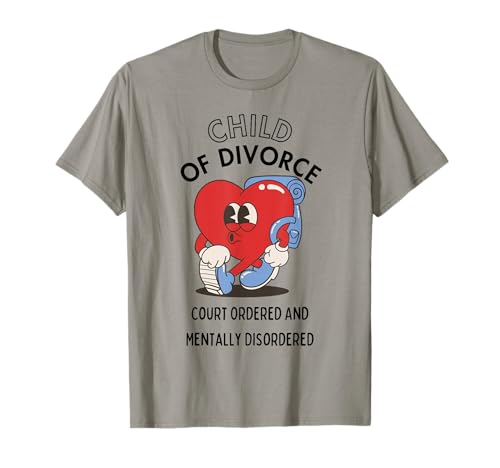
Child Of Divorce Court Ordered And Mentally T-Shirt
Divorce and custody design. This tee design aims to spark conversations and raise awareness about the challenges faced…
As an affiliate, we earn on qualifying purchases.
As an affiliate, we earn on qualifying purchases.