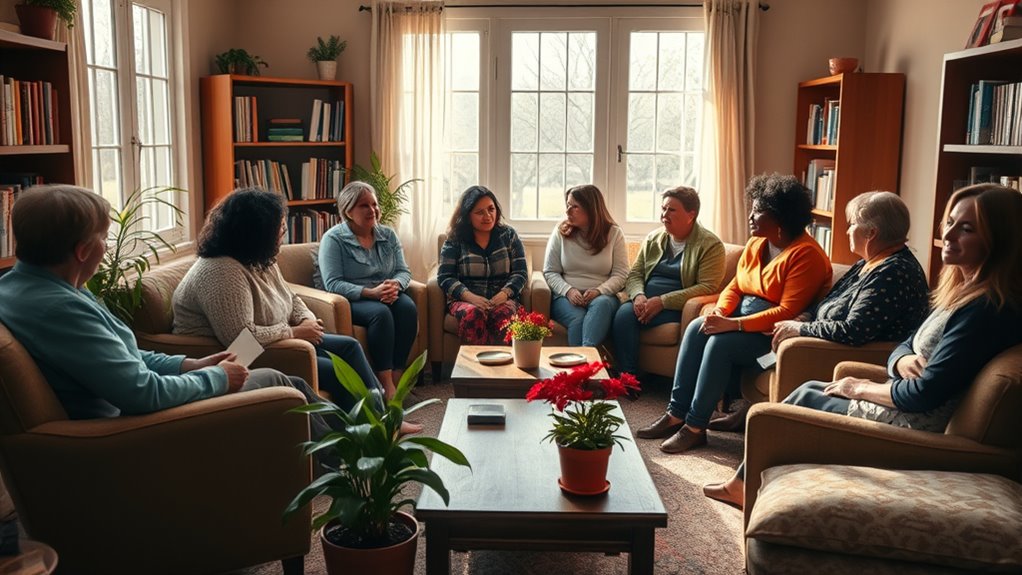

Women’s shelters and support services offer a safe place where you can find refuge, counseling, and ongoing assistance after experiencing domestic abuse. They provide 24-hour crisis lines, support groups, and advocacy to help you rebuild your life. Many shelters also address children’s needs and connect you to community resources. While barriers like stigma and housing issues exist, shelters are a crucial resource for escape and recovery. Discover how these services can make a difference for you.
Key Takeaways
- Women’s shelters provide immediate safety, crisis support, counseling, and advocacy for survivors of domestic abuse.
- Shelters offer family-centered programs to assist women and children, including support groups and ongoing empowerment.
- Access is often through advocates, police, or community networks; many survivors return multiple times before leaving permanently.
- Limited resources and funding shortages create a significant gap between shelter demand and capacity, leaving many requests unmet.
- Domestic violence is a leading cause of homelessness among women and children, with systemic barriers hindering access to housing and support.

When someone escapes an abusive situation, shelters play a crucial role in providing immediate safety and support. These facilities offer more than just a roof over your head; they provide 24-hour crisis lines, support groups, counseling, advocacy, and child programs designed to help you rebuild your life. Many survivors learn about shelters through domestic violence advocates, police, or friends, highlighting the importance of outreach and community connections in ensuring help reaches those who need it most. It’s common for survivors to return to shelters multiple times before they can permanently leave their abusive environment. In fact, about a quarter of survivors have stayed before, often over a year earlier, which underscores how difficult it can be to break free from abuse without ongoing support. Data from nationwide reports indicate that only a subset of shelters report their utilization, meaning that the actual number of people served may be higher, emphasizing the ongoing need for accessible shelter options. Shelters are instrumental in improving your social support network, reducing the chances of returning to abuse, boosting your self-esteem, and empowering you to make informed decisions about your future. They understand that leaving an abusive relationship isn’t a simple, one-time event—many survivors need repeated refuge and assistance. The Istanbul Convention emphasizes the importance of having enough shelter options and protective measures, like orders, to shield women and children from violence. Yet, despite their critical role, shelters face significant challenges. On just one day in 2015, over 31,500 adults and children sought emergency or transitional shelter due to domestic violence. Unfortunately, more than 12,000 requests went unmet that day alone because of limited resources, staffing, or funding. Housing remains the most urgent need, with about 63% of unmet requests related to shelter. Over the years, the gap has widened; in 2014, nearly 200,000 shelter requests went unanswered, marking a steady increase that shows just how crucial access to safe housing is for survivors. Limited resources and funding shortages continue to hinder the capacity of shelters to meet the growing demand. Access to shelters spans all demographics, with women, men, and children affected by domestic violence using these services across every state. Many survivors don’t disclose their abuse or seek help, with estimates suggesting that between 55% and 95% of victims remain silent. Barriers like stigma, lack of information, or immediate crisis conditions often prevent survivors from reaching out. When they do, they’re usually referred by advocates, police, or informal networks like family and friends. Children often accompany survivors, so shelters must provide family-centered programs to support entire households. Domestic violence is a leading cause of homelessness among women and children, with over half of homeless women citing abuse as the immediate reason for their homelessness. Many have experienced severe physical or sexual violence, and housing challenges—like rent problems, overcrowding, and high costs—only worsen their situation. Economic dependence on abusers, poor credit, or employment gaps caused by abuse further limit survivors’ ability to secure stable housing. Systemic barriers, including shortages of affordable housing and discrimination, compound these difficulties, making shelter and support services essential to help survivors regain safety, stability, and independence.
Frequently Asked Questions
How Can I Find a Shelter in a Different Country?
You can find a shelter in a different country by starting with online research and using local resources. Check international networks or regional organizations that connect shelters worldwide. Contact your embassy for guidance or referrals, and consider reaching out to local NGOs or community groups that support women. Joining online forums or social media groups focused on women’s rights can also provide valuable recommendations and connections. Remember to be cautious and culturally sensitive.
Are There Shelters Specifically for Lgbtq+ Survivors?
Yes, some shelters specifically serve LGBTQ+ survivors, but they’re limited in number. You should look for LGBTQ+-friendly organizations or centers in your area or online, as they often provide safe refuge and tailored support. Keep in mind, many shelters may not fully understand or accommodate your needs, so reaching out to specialized organizations or advocacy groups can help guarantee you find a safe, accepting space where your identity is respected.
What Legal Protections Do Shelters Offer to Survivors?
Shelters provide ironclad legal protections to keep you safe and secure. They guarantee your confidentiality is strictly maintained, sharing your information only with your written consent or when legally required. They also protect you from eviction and discrimination under laws like VAWA. Additionally, shelters assist with legal protections like restraining orders and help you access justice, making sure your rights are defended every step of the way.
Can Children Receive Separate Support Services?
Yes, children in shelters can receive separate support services. You’ll find specialized programs like counseling, educational tutoring, and recreational activities designed specifically for them. These services help children process trauma, stay engaged academically, and develop coping skills. Shelters also provide safe play areas and safety planning tailored to children’s needs. These supports guarantee kids have a safe space to heal, grow, and regain a sense of normalcy during their difficult time.
How Do Shelters Handle Confidentiality and Privacy Concerns?
You’re protected by strict confidentiality policies that shelter staff follow diligently. They keep survivor information secure through secure record-keeping, encrypted digital files, and undisclosed shelter locations. Staff are trained to avoid sharing personal details, and communication protocols prevent accidental disclosures. Your privacy is prioritized to guarantee your safety, so you have control over what information you share and who can access it, helping you feel safe and supported throughout your recovery.
Conclusion
Remember, these shelters are like safe harbors in a storm, guiding you toward calmer waters. Support services act as steady beacons, illuminating your path to healing and strength. No matter how dark the night feels, you’re not alone—each step forward is a lighthouse shining hope. Trust in these symbols of safety and resilience; they remind you that even in the deepest shadows, there’s a dawn waiting to break through.