

Creating a financial goals worksheet after divorce helps you regain control by clarifying your priorities and setting clear, achievable targets. It guides you in rebuilding savings, paying off debts, and planning for both short-term needs and long-term dreams like homeownership or retirement. Sharing this worksheet with your co-parent and reviewing it regularly keeps you accountable and ensures your financial plans stay aligned with your evolving life. Keep exploring how to make this tool work best for you.
Key Takeaways
- Create a detailed worksheet outlining short-term and long-term financial goals post-divorce for clarity and focus.
- Include specific deadlines and targeted amounts to track progress and stay accountable.
- Share the worksheet with co-parents or financial advisors to ensure transparency and collaboration.
- Regularly review and update goals to adapt to changing life circumstances and priorities.
- Use the worksheet to rebuild savings, pay off debts, and plan for future investments like home or education.

Are you steering the financial aftermath of divorce? Managing your finances during this challenging time can feel overwhelming, but creating a clear financial goals worksheet can help you regain control. Start by identifying your short-term goals, which typically cover the next six months to a year. These might include rebuilding your emergency fund, paying off specific debts, or establishing a new budget. Short-term goals should be realistic and specific so you can track progress and stay motivated. Once you’re clear on these priorities, shift your focus to long-term goals spanning one to ten years. These could involve saving for a new home, funding your children’s education, or preparing for retirement. Knowing where you want to go financially gives you a roadmap to allocate your resources effectively. Accurate expense disclosure at this stage helps ensure that your goals are based on a truthful picture of your current financial situation, making your planning more reliable.
In addition, choosing trustworthy financial tools can streamline your planning process and provide added confidence in your decisions. Your goals need to align with your current income and expenses, so it’s essential to be realistic about what’s achievable. Use a financial goal worksheet to list each goal clearly, along with a target deadline and the amount of money you’ll need. This helps prevent conflicts and misunderstandings, especially if you share financial responsibilities with an ex-spouse or co-parent. Regularly revisit and update your worksheet to reflect changes in your income, expenses, or priorities. Life circumstances evolve, and your financial plan should adapt accordingly. For example, if you receive a raise or your children’s needs change, adjusting your goals keeps you on track.
Negotiating your financial goals is also important. If you have a partner or co-parent involved, share your worksheet to foster transparency and collaboration. This process can help you reach mutual agreements on priorities and support strategies. Using a worksheet also makes it easier to communicate your needs with legal counsel, ensuring your plans align with legal and support obligations. Remember, your goals may include rebuilding credit, saving for future investments, or establishing an independent retirement fund. These long-term objectives require consistent effort and periodic review to stay feasible.
Your financial goals worksheet becomes a powerful tool for guiding your post-divorce financial life. It provides clarity, encourages accountability, and keeps you focused on what matters most. By setting specific, realistic goals and revisiting them regularly, you’ll find it easier to navigate your new financial landscape. Over time, your disciplined approach will help you rebuild financial stability, achieve independence, and secure your future. Remember, your financial well-being is a journey—use your worksheet as a roadmap to stay focused and motivated along the way.

Divorce Financial Planning: Building a Successful Business Niche – Companion Workbook
As an affiliate, we earn on qualifying purchases.
As an affiliate, we earn on qualifying purchases.
Frequently Asked Questions
How Soon Should I Update My Financial Goals After Divorce?
You should update your financial goals as soon as your divorce is finalized and you’ve reassessed your income, expenses, assets, and liabilities. Early updates are vital, especially for retirement planning and emergency funds. Take immediate steps like reviewing insurance policies, creating a new budget, and evaluating your housing situation. The sooner you adjust your goals, the better you can manage your finances and guarantee long-term stability.
Can I Use a Generic Worksheet for Post-Divorce Finances?
Yes, you can use a generic worksheet for post-divorce finances as a starting point. It helps organize your income, expenses, and assets, making it easier to see your financial picture. However, you’ll want to customize it to fit your specific situation, including separating marital and personal assets, accounting for child support or alimony, and considering jurisdiction-specific requirements. Always review it with a financial professional for accuracy and completeness.
What if I Have Multiple Income Sources Post-Divorce?
If you have multiple income sources post-divorce, you should track each one carefully. Keep detailed records of all income, including taxes and expenses, to stay transparent and organized. Prioritize your income based on stability and growth potential, and plan your budget accordingly. Diversify your savings and investments across sources, and consult a financial advisor to optimize your tax strategies and guarantee long-term financial security.
How Do I Prioritize Debt Repayment in My Goals?
You should prioritize paying off high-interest debt, like credit cards, first to cut down on interest costs. Refinance joint debts into individual accounts if possible, and create a repayment plan that balances reducing debt with rebuilding savings. Track all your debts carefully, including hidden or unexpected balances. Seek professional advice if needed, and stay disciplined to meet your goals, ensuring your financial stability and credit health post-divorce.
What Resources Are Available for Financial Planning After Divorce?
Imagine having a treasure map guiding your financial future—you’ve got plenty of resources to explore. You can access divorce financial planning articles, calculators, and worksheets that help organize your assets and goals. Online platforms and community forums offer peer advice, while webinars from certified experts provide in-depth knowledge. Don’t forget legal and tax professionals who guarantee your plans are sound. These tools empower you to rebuild confidently and secure your financial independence.
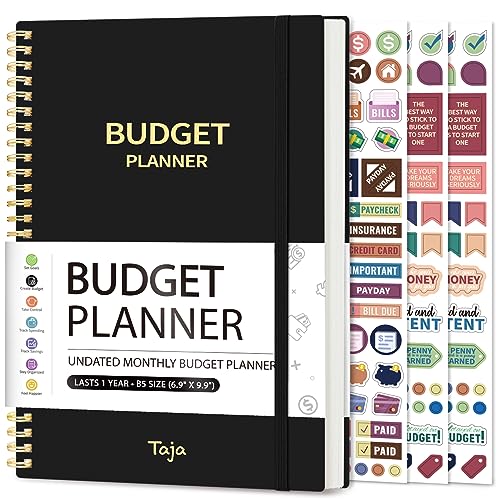
Budget Planner – Monthly Budget Book with Expense Tracker Notebook, Undated Bill Organizer & Finance Planner to Take Control of Your Money, Account Book to Manage Your Finances-Black
Effective Budget Planning – Take control of your finances with the budget account book. This comprehensive planner allows…
As an affiliate, we earn on qualifying purchases.
As an affiliate, we earn on qualifying purchases.
Conclusion
Creating a financial goals worksheet after divorce helps you regain control and build a secure future. Did you know that nearly 50% of divorced individuals experience financial stress within the first year? By setting clear, achievable goals now, you can reduce that stress and move forward confidently. Keep reviewing and adjusting your plan as life changes—your financial stability depends on it. Take charge today and turn your fresh start into lasting success.

Basic Emergency Funds for Beginners: How to Build a Safety Buffer — Even If You’re Starting from Zero (Everyday Financial Fixes for Beginners Book 4)
As an affiliate, we earn on qualifying purchases.
As an affiliate, we earn on qualifying purchases.

Debt Payoff Calculator
As an affiliate, we earn on qualifying purchases.
As an affiliate, we earn on qualifying purchases.