Creating a savings plan worksheet for post-divorce life starts with listing your current income sources, expenses, and debts. Use a simple template to track your monthly cash flow and identify areas to cut costs. Set realistic savings goals, prioritize building an emergency fund, and plan for future expenses like education or healthcare. Keep your documents organized to stay on track. If you keep exploring, you’ll discover effective strategies to rebuild your financial stability and achieve your goals.
Key Takeaways
- Gather recent bank statements and legal documents to assess current financial standing and identify savings opportunities.
- Set clear, achievable savings goals based on post-divorce income and essential expenses.
- Use a detailed savings worksheet to track progress, prioritize emergency funds, and plan for future financial stability.
- Include categories for short-term and long-term savings, such as retirement, education, or new living arrangements.
- Regularly review and update the worksheet to adjust for income changes, expenses, and financial priorities.

Creating a savings plan worksheet is an essential step in managing your finances after a divorce. It helps you gain clarity on your income, expenses, and savings goals during this transitional period. Start by evaluating all your sources of income, including your salary after taxes, unemployment benefits, welfare payments, child support, and any alimony or spousal support detailed in your legal documents. Review recent bank statements for checking, savings, and investment accounts to verify income flow and identify irregular payments or expected changes. Summarize your total monthly income clearly to understand your cash flow and determine how much you can allocate toward savings. Recognizing the importance of knowing your financial situation is essential for effective planning. Next, identify and categorize your expenses. Break down your costs into key areas like housing—mortgage or rent, insurance, utilities, property taxes—and communication services such as internet, cable, landline, and cell phone bills. Include essential living expenses like groceries, clothing, transportation (car payments, gas, insurance), and medical costs. Be sure to separate child-related expenses from your personal costs to clarify your financial responsibilities, especially if your children live with you or have different arrangements. Don’t forget recurring debts like credit card payments, personal loans, or child-related bills, which impact your available funds. Using a budget worksheet tool can simplify this process. Many free templates are available in Excel or Google Sheets, designed to help you input income and expense details with auto-calculations for totals. These templates are customizable to fit your unique situation, whether you have irregular income or specific expense categories. A simple, straightforward worksheet helps you focus on fundamental budgeting without the complexity of advanced software. It can also require you to list your typical monthly expenses, which is useful for legal financial disclosures and planning. Utilizing these tools can streamline the budgeting process and improve accuracy. Some worksheets include sections to compare projected budgets with actual spending, enabling you to identify deviations and adjust accordingly. Tracking your debts is equally important. Maintain a debts worksheet that lists amounts owed on mortgages, vehicle loans, credit cards, personal loans, and any child-related debts. Assign debts related to shared assets to the appropriate party, and recognize that debts tied to children are usually split between spouses. Regularly update your debt balances and payments to avoid surprises and prevent default risks. Also, account for potential unexpected liabilities like medical bills that might arise during or after the divorce process. Finally, gather all relevant documentation—recent pay stubs, legal settlement papers, bank statements from the past three months—to support your budget planning. Organizing these records ensures you have a clear picture of your financial position, making it easier to set realistic savings goals and stick to your plan. A detailed savings worksheet helps you stay focused, make informed decisions, and rebuild your financial stability after divorce.

Budget Planner – Monthly Budget Book with Expense Tracker Notebook, Undated Bill Organizer Finance Planner with Pockets, 7" x 10" Budgeting Journal to Take Control of Your Money – Black
Manage Your Money Effectively to Achieve Your Financial Goals: This budget plan contains personal finances, savings, budgets, debts,…
As an affiliate, we earn on qualifying purchases.
As an affiliate, we earn on qualifying purchases.
Frequently Asked Questions
How Often Should I Update My Savings Plan After Divorce?
You should update your savings plan immediately after your divorce is finalized to reflect your new financial situation. Then, review it every 1 to 2 years or after major life events, like changing jobs, receiving an inheritance, or experiencing a significant income shift. Regular check-ins help you stay on track with your goals, adjust contributions, and rebalance investments, ensuring your plan remains aligned with your current circumstances and future objectives.
What Are the Best Accounts to Use for Post-Divorce Savings?
You should consider opening a high-yield savings account with no monthly fees for your post-divorce savings. A separate, easily accessible checking account also helps manage daily expenses and prevent financial entanglements. Look for accounts with minimal requirements and good interest rates. Using tax-advantaged options like Roth IRAs or Health Savings Accounts can boost your long-term savings. Updating beneficiaries and ensuring proper insurance coverage are also essential steps to protect your new financial future.
How Can I Prioritize Savings With Limited Income?
Did you know that saving even 10% of your income can markedly boost financial security? To prioritize savings with limited income, focus on essential expenses first—housing, utilities, groceries. Cut unnecessary costs like dining out or entertainment. Set small, achievable savings goals each month, and automate transfers to your savings account. Track your spending regularly, adjusting where needed, and look for additional income streams to strengthen your financial stability over time.
Should I Include Child-Related Expenses in My Savings Plan?
Yes, you should include child-related expenses in your savings plan. Doing so helps you allocate funds for essentials like housing, food, clothing, medical costs, and education, ensuring your child’s needs are met. By tracking these expenses and planning ahead, you can manage costs more effectively, avoid surprises, and maintain financial stability. This approach also encourages fairness and coordination with the other parent, reducing potential conflicts.
How Do I Adjust My Savings Plan for Unexpected Expenses?
To adjust your savings plan for unexpected expenses, start by increasing your emergency fund to cover at least six months of living costs. Regularly review and update your budget to reflect new expenses like moving, medical bills, or home repairs. Set aside a small amount each month specifically for surprises, and prioritize building this buffer before focusing on long-term goals. This approach helps you stay prepared and reduces financial stress during uncertain times.
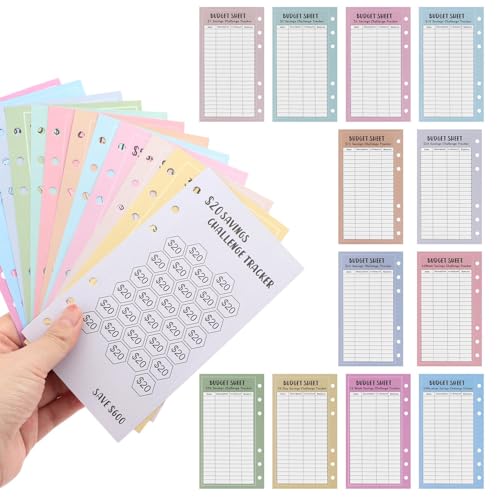
48Sheets Money Saving Challenge Binder Trackers for 6 Ring A6 Binders,Reusable Cash Savings Tracker Sheets,Money Saving Binder Challenge For Savings Journey Planner
【PACKAGE CONTENT】You will receive 48pcs USD version assorted money saving challenge tracker sheets, 12 colors and styles, each…
As an affiliate, we earn on qualifying purchases.
As an affiliate, we earn on qualifying purchases.
Conclusion
Now that you’ve mapped out your savings plan, are you ready to embrace this new chapter with confidence? By taking these steps, you’re building a stronger financial future for yourself post-divorce. Remember, every small contribution adds up to big security. So, why not start today? Your fresh beginning deserves a solid foundation—one that lets you face tomorrow’s possibilities with peace of mind. You’ve got this; your brighter future starts now.

Let’s Talk Finances: Divorce Edition | Your Financial + Emotional Reset, Conversation Cards for Newly Divorced Adults, Fun + Empowering Money Game for Solo Growth | Divorce Gift for Women & Men
💡 50 Insightful Prompts: Unlock meaningful conversations with 50 carefully crafted questions by Certified Financial Therapist Erika Wasserman,…
As an affiliate, we earn on qualifying purchases.
As an affiliate, we earn on qualifying purchases.

Bill Tracker Notebook, Monthly Bill Payment Checklist, 6" x 8.5", Bill Organizer with Back Pocket for Personal Budgeting Financial, 128 Pages
Simple Bill and Expense Tracking – The bill payment checklist is designed to help you stay on top…
As an affiliate, we earn on qualifying purchases.
As an affiliate, we earn on qualifying purchases.