

Relationship communication tools span two broad camps: structured workbooks that guide couples through daily or weekly exercises, and skills-based books that teach the underlying language of connection. After comparing ten popular options, The Ultimate Relationship Workbook for Couples stands out as the best overall pick because it balances accessible exercises with real depth, making it work for both new couples and long-term partners. Couples wanting a time-boxed commitment should look at the Couples Communication Workbook, which asks for just 20 minutes a day over 12 days, while Nonviolent Communication remains the deepest single resource for anyone who wants to understand why conversations go wrong in the first place. The main tradeoff in this category is structure versus flexibility: highly structured programs produce faster results but can feel like homework, while skill-building books offer lasting frameworks with less accountability. Price differences are minor across the lineup, so your decision should hinge on format and time commitment rather than cost. Keep reading for the full breakdown of which tool fits which relationship.

Get gifts for the two of you delivered free — and shop member deals
- Fast, free delivery on millions of items
- Access to Prime Big Deal Days deals on October 6–7
- Prime Video, Amazon Music and more included
Key Takeaways
- Structured, time-boxed workbooks (the 12-day and 8-week programs) deliver the fastest visible results, but they demand both partners to buy in — a one-sided purchase rarely works.
- Nonviolent Communication is the only pick in this lineup that translates beyond romantic relationships, making it the strongest value per dollar even though it is not couple-specific.
- Conflict-focused tools like Love More, Fight Less and Communicate Your Feelings outperform general workbooks for couples stuck in recurring arguments, but feel less useful for couples who rarely fight.
- Duplicate titles exist in this space — two identical ‘Emotional Intimacy for Couples’ listings appeared in the comparison, so check editions and sellers carefully before buying.
- Books costing under $15 covered 80% of what the pricier guided toolkits offered, meaning the premium options only justify themselves through therapy-adjacent extras like repair scripts and intimacy exercises.
| The Ultimate Relationship Workbook for Couples | 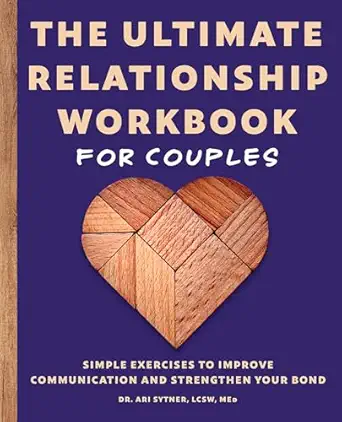 | Best Overall | Format: Paperback workbook | Focus: Communication exercises and emotional bonding | Structure: Standalone exercises, flexible pacing | VIEW LATEST PRICE | See Our Full Breakdown |
| 8-Week Couples Therapy Workbook |  | Best Structured Program | Format: Spiral-bound workbook | Program Length: 8 weeks | Focus: Connection, communication, relationship dynamics | VIEW LATEST PRICE | See Our Full Breakdown |
| Practical At-Home Couples Therapy Workbook |  | Best for Repair After Conflict | Format: Workbook | Focus: Honest communication, intimacy, conflict repair | Structure: Guided exercise toolkit | VIEW LATEST PRICE | See Our Full Breakdown |
| Couples Communication Workbook: 20 Minutes a Day for 12 Days |  | Best for Busy Couples | Format: Workbook | Daily Time Commitment: 20 minutes | Program Length: 12 days | VIEW LATEST PRICE | See Our Full Breakdown |
| Communicate Your Feelings (Without Starting a Fight) |  | Best for Individual Readers | Format: Book (advice-based, not workbook) | Focus: Expressing feelings, conflict avoidance, phrasing | Participants Required: One | VIEW LATEST PRICE | See Our Full Breakdown |
| Emotional Intimacy for Couples: Communication Skills, Trust-Building Habits, and Practical Tools to Deepen Connection and Strengthen Your Relationship |  | Best for Trust Rebuilding | Format: Paperback / digital book | Primary focus: Emotional intimacy and trust-building | Approach: Habit-based communication skills | VIEW LATEST PRICE | See Our Full Breakdown |
| Nonviolent Communication: A Language of Life |  | Best Foundational Classic | Format: Paperback / ebook / audiobook | Primary focus: Compassionate communication framework | Approach: Four-step NVC method (observation, feeling, need, request) | VIEW LATEST PRICE | See Our Full Breakdown |
| Love More, Fight Less: Communication Skills Every Couple Needs | 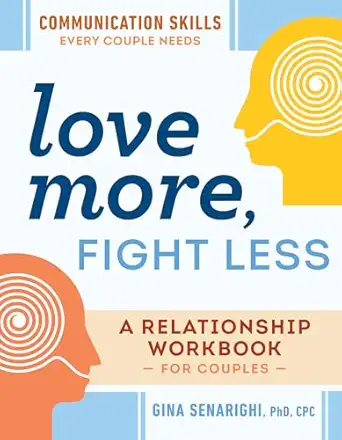 | Best for Conflict Resolution | Format: Paperback workbook / ebook | Primary focus: Conflict resolution and de-escalation | Approach: Guided exercises and communication scripts | VIEW LATEST PRICE | See Our Full Breakdown |
| The Talk Book: With Six Prize-Winning Talk Tools That Strengthen Relationships and Repair Communication Breakdowns |  | Best for Repairing Breakdowns | Format: Paperback / digital book | Primary focus: Repairing communication breakdowns | Approach: Six named talk tools | VIEW LATEST PRICE | See Our Full Breakdown |
| Emotional Intimacy for Couples: Communication Skills, Trust-Building Habits, and Practical Tools to Deepen Connection and Strengthen Your Relationship |  | Best Budget Alternative | Format: Paperback / digital book | Primary focus: Emotional intimacy, communication, and trust | Approach: Practical tools and actionable strategies | VIEW LATEST PRICE | See Our Full Breakdown |
| relationship communication tool | Format | Skill Level | Approach | Structure |
|---|---|---|---|---|
| The Ultimate Relationship Work | Paperback workbook | Beginner-friendly | Activity-based, self-guided | Standalone exercises, flexible pacing |
| 8-Week Couples Therapy Workboo | Spiral-bound workbook | Intermediate | Self-guided therapy-style exercises | Week-by-week guided program |
| Practical At-Home Couples Ther | Workbook | Intermediate to advanced | Therapy-inspired, self-guided | Guided exercise toolkit |
| Couples Communication Workbook | Workbook | Beginner | — | Daily exercises |
| Communicate Your Feelings | Book (advice-based, not workbook) | Beginner | Practical communication strategies | Guidance and scripts, no formal program |
| Emotional Intimacy for Couples | Paperback / digital book | Beginner-friendly | Habit-based communication skills | Practical tools and strategies chapters |
| Nonviolent Communication: A La | Paperback / ebook / audiobook | Beginner to intermediate | Four-step NVC method (observation, feeling, need, request) | — |
| Love More | Paperback workbook / ebook | — | Guided exercises and communication scripts | Workbook with exercises |
| The Talk Book: With Six Prize- | Paperback / digital book | Beginner-friendly | Six named talk tools | Tool-based chapters |
| Emotional Intimacy for Couples | Paperback / digital book | Beginner-friendly | Practical tools and actionable strategies | — |
More Details on Our Top Picks
The Ultimate Relationship Workbook for Couples
This workbook earns the top spot because it keeps things simple and actionable without demanding a big time commitment up front. Compared with the 8-Week Couples Therapy Workbook, which asks couples to commit to a two-month program, this option works more like a menu of exercises — you pick the activity that fits your week. That flexibility is exactly what most couples need when schedules clash and motivation dips.
The tradeoff is depth. Because it skews toward simpler exercises, couples dealing with deeper conflict patterns may find it too lightweight, and those wanting a rigorous week-by-week structure will prefer the 8-week format instead. Still, for the widest range of couples at different stages, this is the most balanced entry point on the list.
Pros:- Simple exercises that are easy to start without preparation
- Flexible format — no rigid schedule to follow
- Strengthens emotional connection alongside communication skills
- Approachable for couples new to relationship work
Cons:- Lighter structure may feel insufficient for couples with entrenched conflict patterns
- Limited feedback available from other readers compared with more established titles
Best for: Couples who want flexible, low-pressure exercises they can dip in and out of rather than follow a rigid program
Not ideal for: Couples in serious crisis who need a structured, longer-term program or professional support — the exercises here are too light for deep-seated conflict
- Format:Paperback workbook
- Focus:Communication exercises and emotional bonding
- Structure:Standalone exercises, flexible pacing
- Skill Level:Beginner-friendly
- Primary Audience:Couples at any relationship stage
- Approach:Activity-based, self-guided
Our verdict“The safest all-around pick for couples who want practical communication exercises without committing to a full program.”
8-Week Couples Therapy Workbook
Where The Ultimate Relationship Workbook offers flexibility, this one bets on structure and discipline. The eight-week framework gives couples a clear timeline, which matters because communication habits change through repetition, not one-off exercises. The spiral-bound format is a quiet but real advantage — it lies flat while you write, unlike standard paperbacks, which makes paired exercises far less awkward.
The catch is commitment. This is the most demanding pick in the lineup besides the full Practical At-Home Couples Therapy Workbook, and couples who miss a week or two often abandon programs entirely. If your schedules are unpredictable, the 20-minute-a-day format of Couples Communication Workbook is a more forgiving alternative. But if you can commit, the structure here produces more durable results than scattered exercises.
Pros:- Structured eight-week program builds habits through repetition
- Spirar-bound design lies flat for easy paired writing
- Step-by-step progression prevents overwhelm
- Covers connection as well as communication skills
Cons:- Requires sustained commitment across two months
- Less flexible — skipping weeks undermines the program’s logic
Best for: Motivated couples who thrive on schedules and want a clear week-by-week path to change
Not ideal for: Busy or chaotic households — the eight-week commitment is easy to abandon if you can’t carve out consistent time
- Format:Spiral-bound workbook
- Program Length:8 weeks
- Focus:Connection, communication, relationship dynamics
- Structure:Week-by-week guided program
- Approach:Self-guided therapy-style exercises
- Skill Level:Intermediate
Our verdict“The right choice for disciplined couples who want a true program rather than occasional exercises.”
Practical At-Home Couples Therapy Workbook
This pick stands apart because it targets the hardest part of communication: repairing damage after it’s done. Most workbooks in this roundup, including the 8-Week Couples Therapy Workbook, focus on building skills going forward. This one explicitly addresses conflict repair and restored intimacy, making it better suited to couples who have already drifted or repeatedly fight over the same issues.
The tradeoff is weight — it demands more emotional honesty and regular practice than lighter options like The Ultimate Relationship Workbook, and couples who aren’t ready for vulnerable conversations may stall out. It’s also not a substitute for professional therapy, despite the title’s framing. Compared with Communicate Your Feelings, which teaches phrasing skills, this goes deeper into rebuilding trust once it’s been strained.
Pros:- Explicitly addresses conflict repair, not just prevention
- Guided exercises encourage honest, supportive interaction
- Covers intimacy restoration alongside communication
- Works well as a supplement to couples counseling
Cons:- Demands real emotional commitment and regular practice
- Not a replacement for professional therapy despite the framing
Best for: Couples recovering from repeated conflict or emotional distance who want guided repair work, not just skill-building
Not ideal for: Couples wanting quick tips — the exercises require emotional openness and consistent practice that casual users won’t sustain
- Format:Workbook
- Focus:Honest communication, intimacy, conflict repair
- Structure:Guided exercise toolkit
- Approach:Therapy-inspired, self-guided
- Best Use Case:Rebuilding after conflict or distance
- Skill Level:Intermediate to advanced
Our verdict“The strongest option for couples whose communication problems have already caused damage they want to actively repair.”
Couples Communication Workbook: 20 Minutes a Day for 12 Days
The genius of this pick is realistic time budgeting. Twenty minutes a day for 12 days is a total commitment of four hours — something even the busiest couples can finish, unlike the 8-Week Couples Therapy Workbook, which stretches over two months. That short runway creates momentum: finishing a program at all is half the battle for most couples.
The tradeoff is obvious — depth. Twelve days is enough to build listening habits and basic conflict skills, but couples with deeper issues will exhaust this quickly and may want to move on to the Practical At-Home Couples Therapy Workbook afterward. Compared with Communicate Your Feelings, this is hands-on rather than reading-based, which suits couples who learn by doing rather than studying.
Pros:- 20-minute daily format fits into almost any schedule
- Finite 12-day timeline creates a finishable goal
- Focuses on listening and conflict resolution fundamentals
- Active exercises rather than passive reading
Cons:- Short program limits depth and long-term skill building
- Thin supplementary material compared with longer workbooks
Best for: Time-strapped couples — parents, shift workers, dual-career pairs — who need a program short enough to actually finish
Not ideal for: Couples seeking deep therapeutic work — 12 days builds habits but can’t address entrenched relationship wounds
- Format:Workbook
- Daily Time Commitment:20 minutes
- Program Length:12 days
- Focus:Listening, conflict resolution, relationship strengthening
- Structure:Daily exercises
- Skill Level:Beginner
Our verdict“The most realistic entry point for busy couples who have failed at longer programs before.”
Communicate Your Feelings (Without Starting a Fight)
Every other pick in this roundup requires two willing participants. This one doesn’t — and that’s its whole value. It teaches one person what to say and what not to say, which is often the only realistic option when a partner won’t do a workbook with you. Compared with the Couples Communication Workbook, it trades paired exercises for scripted language and phrasing strategies you can apply immediately in real conversations.
The tradeoff is that one-sided change has limits. If your partner’s communication is the core problem, reading this alone won’t fix the dynamic — a joint workbook or therapy does that. Its conflict-avoidance emphasis also means it spends less time on repair work than the Practical At-Home Couples Therapy Workbook. Still, as a low-barrier starting point, it’s the most accessible title here.
Pros:- Requires only one motivated partner to get started
- Concrete scripts for what to say and what to avoid
- Immediately applicable in everyday conversations
- Lowest barrier to entry in the roundup
Cons:- One-sided effort has limited impact on the relationship dynamic
- Reading-based format lacks the hands-on practice of workbooks
Best for: Individuals whose partner won’t participate in couples exercises but who want to change the conversation dynamic on their own
Not ideal for: Couples ready to work together — paired workbooks will produce faster, more mutual results than solo reading
- Format:Book (advice-based, not workbook)
- Focus:Expressing feelings, conflict avoidance, phrasing
- Participants Required:One
- Structure:Guidance and scripts, no formal program
- Skill Level:Beginner
- Approach:Practical communication strategies
Our verdict“The smartest pick for one partner acting alone to defuse conflict through better phrasing.”
Emotional Intimacy for Couples: Communication Skills, Trust-Building Habits, and Practical Tools to Deepen Connection and Strengthen Your Relationship
Where most entries in this roundup lean on workbook exercises, this title goes after the deeper layer: trust-building habits that make communication feel safe in the first place. That framing sets it apart from Love More, Fight Less, which centers on defusing active conflict — here the emphasis is on the quieter, daily behaviors that prevent distance from forming. Compared with The Ultimate Relationship Workbook for Couples, this pick trades structured prompts for habit-based guidance, which suits couples who already talk regularly but feel emotionally flat. The tradeoff is real, though: readers who want fill-in-the-blank exercises will find fewer of them, and results depend on both partners genuinely committing to the habits over weeks, not days.
Pros:- Frames communication around emotional intimacy rather than tactics
- Habit-based structure fits naturally into daily routines
- Addresses trust as a foundation, not an afterthought
- Actionable advice rather than abstract theory
Cons:- Fewer guided exercises than dedicated workbooks in this roundup
- Requires sustained commitment from both partners to see results
- Limited reader feedback available to gauge real-world outcomes
Best for: Couples who communicate functionally but feel emotionally distant and want habit-based intimacy work
Not ideal for: Couples in active crisis who need immediate conflict-resolution scripts — the habit-building approach works slowly
- Format:Paperback / digital book
- Primary focus:Emotional intimacy and trust-building
- Approach:Habit-based communication skills
- Audience:Committed couples
- Structure:Practical tools and strategies chapters
- Skill level:Beginner-friendly
- Time commitment:Ongoing habit practice
Our verdict“This is the pick for couples whose conversations work fine on the surface but who miss feeling genuinely close.”
Nonviolent Communication: A Language of Life
This is the book nearly every other title in this roundup quietly borrows from. Marshall Rosenberg’s framework — observations, feelings, needs, requests — has shaped a generation of relationship guides, including the conflict scripts in Love More, Fight Less. What makes it the foundational pick is scope: unlike the couple-specific workbooks here, it teaches a communication method that carries into workplace friction, parenting, and friendships. That breadth is also its tradeoff. There are no couples exercises, no prompts to fill out together, and the language can feel formal at first — partners may find the four-step structure stilted until it becomes second nature. Compared with The Talk Book, it builds a philosophy rather than handing over a short toolkit, so it rewards readers willing to practice.
Pros:- Decades of proven framework with wide professional adoption
- Skills transfer beyond romantic relationships
- Teaches root-cause communication rather than surface scripts
- Widely available with extensive editions and translations
Cons:- No couple exercises or prompts to complete together
- The formal structure feels unnatural until well practiced
- Not tailored specifically to romantic conflict patterns
Best for: Readers who want a proven, transferable communication framework that improves every relationship, not just romantic ones
Not ideal for: Couples wanting a done-together workbook with exercises — this is a method book to learn and practice individually first
- Format:Paperback / ebook / audiobook
- Primary focus:Compassionate communication framework
- Approach:Four-step NVC method (observation, feeling, need, request)
- Audience:General — personal and professional
- Skill level:Beginner to intermediate
- Practice requirement:Ongoing repetition to internalize
- Legacy:Long-established classic with global reach
Our verdict“If you want to understand how communication actually works before fixing your relationship, start here.”
Love More, Fight Less: Communication Skills Every Couple Needs
Of the workbook-style options in this lineup, this one is the most directly aimed at the fight itself. Where The Ultimate Relationship Workbook for Couples spreads its energy across bonding exercises, Love More, Fight Less concentrates on conflict-resolution skills: what to say mid-argument, how to de-escalate, and how to repair afterward. That narrow focus is its strength and its limit. Couples stuck in repeating argument loops will get more from this than from Nonviolent Communication, which teaches the philosophy but not couple-specific scripts. On the flip side, partners looking for emotional intimacy work will find less of it here than in Emotional Intimacy for Couples. The exercises demand real participation — skimming it solo while your partner skips it undermines the whole design.
Pros:- Tightly focused on the argument patterns couples actually struggle with
- Practical exercises rather than abstract advice
- Concrete language scripts for heated moments
- Structured progression that builds skills week by week
Cons:- Light on emotional intimacy and trust-building content
- Effectiveness collapses if only one partner participates
- Requires genuine time commitment to work through exercises
Best for: Couples trapped in recurring arguments who want targeted exercises to fight more productively
Not ideal for: One partner working alone — the exercises are built for two, and solo readers get a fraction of the value
- Format:Paperback workbook / ebook
- Primary focus:Conflict resolution and de-escalation
- Approach:Guided exercises and communication scripts
- Audience:Couples in recurring conflict
- Structure:Workbook with exercises
- Participation:Designed for both partners
- Time commitment:Regular exercise sessions
Our verdict“The most direct answer in this roundup for couples who love each other but keep fighting the same fights.”
The Talk Book: With Six Prize-Winning Talk Tools That Strengthen Relationships and Repair Communication Breakdowns
Most books in this roundup aim to prevent communication problems; this one specializes in fixing what’s already broken. The premise — six named, memorable tools for repairing communication breakdowns — makes it the most surgical option here, and that focus is exactly why it earns its spot. Compared with Nonviolent Communication, which asks you to internalize an entire framework, this book hands you a short toolkit you can deploy in specific moments of rupture. The tradeoffs are honest ones: it’s an older title with little supporting material, no reader ratings to verify, and a narrower scope than Love More, Fight Less. Couples wanting daily intimacy maintenance will find it too repair-focused, but pairs recovering from a serious rupture will value its targeted approach.
Pros:- Small, memorable toolkit rather than an overwhelming system
- Specifically targets repairing breakdowns, not just prevention
- Tools are easy to recall during actual conversations
- Focused scope keeps the book digestible
Cons:- Older title with little reader feedback or ratings available
- Narrow scope — weak on general intimacy and prevention
- Dated presentation compared with newer workbooks in this roundup
Best for: Couples recovering from a specific communication breakdown who want a small, memorable set of repair tools
Not ideal for: Buyers who rely on reviews and recent editions — it’s an older title with minimal feedback and dated presentation
- Format:Paperback / digital book
- Primary focus:Repairing communication breakdowns
- Approach:Six named talk tools
- Audience:Couples in communication crisis
- Structure:Tool-based chapters
- Edition status:Older title, limited current availability data
- Skill level:Beginner-friendly
Our verdict“A targeted repair manual for couples whose communication has already fractured and who want tools they can actually remember mid-conversation.”
Emotional Intimacy for Couples: Communication Skills, Trust-Building Habits, and Practical Tools to Deepen Connection and Strengthen Your Relationship
This edition covers the same territory as the other Emotional Intimacy for Couples listing — communication skills, trust habits, connection tools — and that makes it a direct swap candidate rather than a distinct buy. Its role here is simple: if pricing or availability favors this edition, it delivers the same actionable, couples-first guidance without forcing you to overpay. Compared with Communicate Your Feelings (Without Starting a Fight), it’s broader — that title is script-driven, while this covers trust and connection alongside communication. The drawbacks mirror its sibling: minimal customer feedback, no detailed contents listing, and advice that only works if both partners practice it. Buyers wanting a proven track record should lean toward Nonviolent Communication instead.
Pros:- Covers communication, trust, and intimacy in one affordable package
- Actionable advice aimed at real couples rather than theory
- Broader scope than script-only communication books
- Good value if priced below comparable titles
Cons:- Duplicated content with another edition in this roundup — buy one, not both
- No customer reviews or ratings to verify quality
- Sparse publisher detail on actual contents
Best for: Budget-conscious couples who want the emotional-intimacy approach and are choosing based on price or format availability
Not ideal for: Buyers who want verified social proof — with no reviews or detailed contents, it’s a leap of faith compared with established titles
- Format:Paperback / digital book
- Primary focus:Emotional intimacy, communication, and trust
- Approach:Practical tools and actionable strategies
- Audience:Committed couples
- Skill level:Beginner-friendly
- Feedback availability:No customer reviews or ratings listed
- Note:Content overlaps with alternate edition (B0H21PNYV5)
Our verdict“A reasonable value pick for the emotional-intimacy approach, but check pricing against its sibling edition and buy only one.”

How We Picked
I evaluated each tool against four buyer-relevant criteria. Practical structure came first: does the tool give couples a clear path with exercises, prompts, or scripts, or does it only explain theory? Tools with day-by-day or week-by-week frameworks scored higher for beginners because ambiguity is the number one reason couples abandon these programs. Second, I weighed skill transferability — whether the communication techniques would hold up during a real argument, not just during a calm worksheet session. Third, I judged accessibility for one partner, since many of these get bought by one person hoping to bring the other along; tools readable solo and applied indirectly ranked differently than those requiring full joint participation.
Finally, I considered value relative to couples therapy, which runs $100–250 per session. A $15 workbook that meaningfully shifts communication patterns represents enormous value, but only if its depth matches the couple’s problem severity. Rankings favor tools whose promise matches their format: quick programs for motivated couples, deep books for analytical readers, and repair-focused kits for couples in active conflict. Tools that overpromise — claiming therapy-level outcomes from thin content — were ranked lower regardless of popularity.
| relationship communication tool | Focus | Skill Level | Primary focus | Audience |
|---|---|---|---|---|
| The Ultimate Relationship Work | Communication exercises and emotional bonding | Beginner-friendly | — | — |
| 8-Week Couples Therapy Workboo | Connection, communication, relationship dynamics | Intermediate | — | — |
| Practical At-Home Couples Ther | Honest communication, intimacy, conflict repair | Intermediate to advanced | — | — |
| Couples Communication Workbook | Listening, conflict resolution, relationship strengthening | Beginner | — | — |
| Communicate Your Feelings | Expressing feelings, conflict avoidance, phrasing | Beginner | — | — |
| Emotional Intimacy for Couples | — | Beginner-friendly | Emotional intimacy and trust-building | Committed couples |
| Nonviolent Communication: A La | — | Beginner to intermediate | Compassionate communication framework | General — personal and professional |
| Love More | — | — | Conflict resolution and de-escalation | Couples in recurring conflict |
| The Talk Book: With Six Prize- | — | Beginner-friendly | Repairing communication breakdowns | Couples in communication crisis |
| Emotional Intimacy for Couples | — | Beginner-friendly | Emotional intimacy, communication, and trust | Committed couples |
Factors to Consider When Choosing Relationship Communication Tools
Choosing a relationship communication tool is less about finding the ‘best’ book and more about matching the format to your relationship’s actual problem. These are the factors that separate a purchase that changes your dynamic from one that sits on a nightstand unread.Match the Tool to Your Actual Problem
Couples buy communication books for very different reasons, and using the wrong tool for your situation is the most common mistake I see. Recurring conflict calls for repair-focused tools with de-escalation scripts, while emotional distance responds better to intimacy and vulnerability exercises. A couple that fights well but feels like roommates will get nothing from a conflict-resolution workbook, and a volatile couple will find gentle intimacy prompts frustrating. Before buying, name your single biggest pain point in one sentence — if you can’t, a general-purpose workbook covering multiple areas is the safer first purchase. Also be honest about severity: books supplement therapy for serious issues like contempt or betrayal, but they do not replace it.
Structure vs. Freedom: The Accountability Tradeoff
Time-boxed programs (12-day or 8-week formats) create momentum because they convert vague intentions into a calendar commitment. The catch is that structure becomes a liability when one partner resists — a workbook that feels like homework can itself become a source of conflict. Skills-based books flip this tradeoff: you can read them alone, apply ideas gradually, and let your partner notice changes without feeling pressured to participate. If only one of you is currently motivated, start with a book you can absorb solo. If both partners have agreed to work on the relationship, a structured program will produce results faster than casual reading ever will.
Who Has to Participate (and What If Only One of You Does)
Most workbooks are designed for two people, which sounds obvious but trips up a surprising number of buyers. If you’re purchasing hoping to fix a reluctant partner, choose tools built for one-person application — communication skills, self-awareness prompts, and language frameworks that change the dynamic even when only one person uses them. Nonviolent Communication is the strongest example: its methods work because one speaker can change a conversation unilaterally. Joint workbooks, by contrast, can backfire when handed to a defensive partner, reading as an accusation. A useful rule: buy the joint workbook only after your partner has verbally agreed to do it with you.
Time Commitment and Realistic Follow-Through
Be realistic about how much weekly time you and your partner will actually dedicate, because abandoned programs can feel worse than none at all. Short formats (10–20 minutes daily for two weeks) suit busy couples and build a completion habit; longer 8-week programs allow deeper processing but carry higher dropout risk. Look at your last month honestly — if you couldn’t sustain a shared 20-minute routine, a daily workbook will join the pile of unfinished self-improvement projects. One workaround is starting with the shortest effective program, completing it, then graduating to something deeper. Completion of a modest tool beats 30 pages of an ambitious one.
Price, Duplicates, and Edition Pitfalls
This category is inexpensive — most options run $10–20 — so price should be one of your smallest concerns, but a few purchasing pitfalls exist. Duplicate and near-identical titles are rampant in the self-publishing world; my comparison even surfaced the same book listed twice under different sellers, and several workbooks share near-identical subtitles and cover designs. Check the author, publication date, and page count before clicking buy, since thin 60-page knockoffs imitate the look of established bestsellers. Older classics like Nonviolent Communication have multiple editions; newer ones include updated exercises and workshops. When in doubt, a slightly pricier edition from a known author beats an unreviewed imitation.
When a Book Isn’t Enough
Communication tools work best for couples whose problems are about how they talk, not what they’re facing. If arguments involve contempt, stonewalling, infidelity, addiction, or any form of abuse, a workbook is not the right instrument — a licensed couples therapist is. Books also underperform when one partner has already decided the relationship is over; both people need at least minimal investment for exercises to land. That said, books are excellent preparation for therapy: couples who arrive already familiar with concepts like reflective listening and ‘I’ statements often make faster progress in sessions. Think of these tools as the front line for ordinary friction, with therapy as the escalation path when patterns don’t budge after genuine effort.
Frequently Asked Questions
Can a workbook actually improve our communication, or do we need therapy?
For most couples dealing with ordinary friction — recurring arguments, feeling unheard, drifting apart — a well-designed workbook can produce genuine change because it forces structured practice that casual conversation never gets around to. The exercises work by slowing interactions down, adding prompts neither partner would raise spontaneously, and building a shared vocabulary for feelings. Therapy becomes the better choice when problems involve contempt, betrayal, addiction, or when you’ve already made honest attempts with books and the patterns persist. Workbooks also serve as a low-cost first step: many couples discover that a $15 book resolves the issue, while others learn enough to make therapy sessions more productive. The real risk isn’t choosing a book over therapy — it’s choosing neither and hoping things improve on their own.
What if my partner won’t do a couples workbook with me?
This is one of the most common situations, and the good news is that several tools in this lineup are built for it. Skills-based books like Nonviolent Communication and Communicate Your Feelings can be read and applied by one person, because communication dynamics shift when even one speaker changes their language and listening behavior. Your partner may notice the difference and grow curious on their own, which is far more effective than handing them a workbook they never asked for. Avoid buying a joint program and announcing it — that framing often reads as criticism and triggers defensiveness. A better sequence is to work on your own communication for a month, then invite participation based on the changes they’ve observed.
Should I start with a short program or a comprehensive one?
Start short unless both partners are already highly motivated and have a track record of finishing things together. A 12-day, 20-minutes-a-day format like the Couples Communication Workbook builds the completion habit and gives you a visible win, which builds momentum for deeper work. Comprehensive 8-week programs offer more depth and better long-term results, but their dropout rates are much higher among couples new to this kind of exercise. The exception is couples in serious distress who are fully committed — for them, jumping straight into a thorough program makes sense because a light introduction may feel insufficient. For everyone else, finish something modest first and reassess.
Is Nonviolent Communication too abstract for everyday couple fights?
It’s more abstract than couple-specific workbooks, yes — you’ll be translating general principles to your relationship rather than following tailored prompts. What you gain in exchange is a durable framework that works in the moment of conflict, not just during scheduled exercise time. The core method (observations instead of judgments, feelings instead of blame, needs, then requests) can genuinely defuse arguments when one partner applies it mid-conversation. Couples who want step-by-step guidance may find the early chapters slow, but the payoff is a skill set that generalizes to parenting, work, and family relationships. Many readers pair it with a couples workbook to get both the framework and the practice.
How do I avoid buying a duplicate or low-quality knockoff?
This category is flooded with lookalike titles, and my comparison even found the exact same book listed twice under different product pages. Before buying, check three things: the author’s name and credentials, the page count (avoid anything under 80 pages masquerading as a comprehensive program), and the publication date for the most current edition. Established bestsellers like Nonviolent Communication have imitators with near-identical covers and subtitles, so read the actual table of contents rather than relying on the title. Reviews help, but skim for specific mentions of exercises rather than generic praise. Spending an extra two minutes on verification reliably separates the original from the knockoff.
Conclusion
The right pick depends on who’s buying and why. For best overall, The Ultimate Relationship Workbook for Couples earns the top spot because it works for the widest range of relationships without assuming a specific problem or commitment level. For best value, Nonviolent Communication is unbeatable — a proven framework at mass-market paperback pricing that extends beyond your romantic relationship. The 8-Week Couples Therapy Workbook serves as the best premium-style choice for committed couples wanting the most thorough structured program, while the Couples Communication Workbook is the clear best for beginners thanks to its low-pressure 12-day, 20-minute format. For specific needs: couples stuck in recurring fights should reach for Love More, Fight Less or Communicate Your Feelings, partners drifting toward roommate status will get more from the Emotional Intimacy toolkit, and anyone whose partner won’t participate should start with a solo-readable skills book. Whatever you choose, the deciding factor isn’t the book — it’s finishing it. Pick the one you’ll actually complete, and start this week.
Halloween Picks
halloween
As an affiliate, we earn on qualifying purchases.