

Finding effective relationship communication tools can transform how couples connect, resolve conflicts, and deepen intimacy. The best options balance ease of use, proven techniques, and adaptability to different relationship styles. The top pick, Love More, Fight Less, stands out for its practical approach to reducing conflict, while Nonviolent Communication offers a mindful language framework for lasting change. However, choosing the right tool involves tradeoffs—some focus on structured exercises, others on emotional awareness. Continue reading for a detailed breakdown of the best relationship communication tools in 2026.
Key Takeaways
- The most effective tools combine practical exercises with emotional insight.
- Structured workbooks tend to foster consistent progress over quick fixes.
- Methods emphasizing empathy and active listening outperform those with purely technical focus.
- Higher-priced options often include personalized guidance or coaching components.
- No single tool fits all couples; personal compatibility and approach matter most.




| relationship communication tool | Format |
|---|---|
| Love More | Printed/Downloadable |
| Communication Skills for Coupl | Print/E-book |
| The Couples Communication Hand | Printed or digital |
| 8-Week Couples Therapy Workboo | Printed or digital |
| The Couples Therapy Flip Chart | Physical flip chart |
| Effective Communication [3-in- | — |
| Nonviolent Communication: A La | — |
| Healthy Communication Skills f | — |
| Talk to Me Like I’m Someone Yo | — |
| 4 Essential Keys to Effective | — |
| Couples Communication Workbook | Workbook |
More Details on Our Top Picks
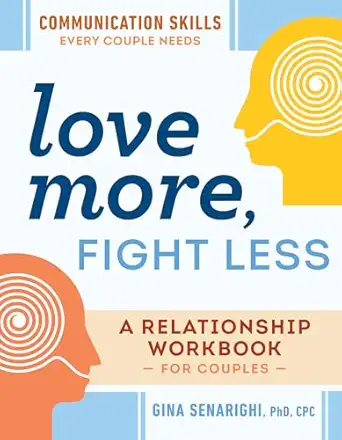
Love More, Fight Less: Communication Skills Every Couple Needs
This relationship workbook stands out for its focus on actionable communication exercises that couples can implement immediately. Compared with books like ‘Communication Skills for Couples,’ it emphasizes practical activities over theory, making it ideal for partners who want tangible tools. However, it lacks detailed specifications or accompanying materials, which may leave some users wanting more structure. The content requires active engagement, so it’s best suited for couples willing to invest time into practice. This pick makes the most sense for couples seeking a hands-on approach to better understanding and resolving conflicts.
Pros:- Provides practical communication exercises that promote real change
- Helps couples develop deeper understanding and empathy
- Suitable for couples eager to strengthen their bond through active practice
Cons:- No detailed specifications or extra materials provided
- Requires active engagement, which may be challenging for some couples
Best for: Couples committed to practicing communication skills through structured exercises and willing to actively participate.
Not ideal for: Those who prefer theoretical advice or quick fixes without engaging in exercises, as it demands active involvement.
- Type:Workbook
- Focus:Communication exercises
- Format:Printed/Downloadable
- Duration:Self-paced
- Intended Audience:Couples seeking practical tools
Our verdict“This workbook is ideal for couples who want practical, step-by-step exercises to improve their communication and resolve conflicts effectively.”
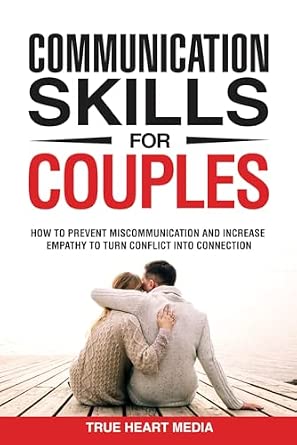
Communication Skills for Couples: Guide to Improve Communications, Resolve Conflict, Deepen Intimacy, Strengthen Marriage and Create a Healthy Relationship
This guide offers practical advice targeting multiple facets of a relationship, from conflict resolution to intimacy. Unlike the more structured ‘8-Week Couples Therapy Workbook,’ it provides broader strategies, making it better suited for couples who want a comprehensive overview rather than step-by-step exercises. The lack of detailed content depth and author credentials means some readers might find it superficial or less authoritative. It is best for those who prefer reading and contemplating rather than active exercises. This book makes the most sense for couples looking for a broad understanding of relationship communication rather than intensive practice.
Pros:- Offers practical advice across multiple relationship areas
- Focuses on conflict resolution and intimacy enhancement
- Accessible for couples seeking a comprehensive overview
Cons:- Lacks detailed content or structured exercises
- No information on author credentials or content depth
Best for: Couples interested in an all-in-one, advice-based approach to improving communication and intimacy without structured exercises.
Not ideal for: Couples who prefer detailed, guided activities or therapy-oriented tools, as it leans more on advice than practice.
- Type:Book
- Focus:Communication, conflict, intimacy
- Format:Print/E-book
- Target Audience:Couples seeking general relationship advice
- Content Depth:Moderate
Our verdict“This guide suits couples wanting broad, practical advice for strengthening their relationship, rather than intensive exercises or therapy-based tools.”
The Couples Communication Handbook: The Skills You Never Learned for the Marriage You Always Wanted
This handbook emphasizes straightforward communication strategies that many couples may have missed learning. Compared with ‘Love More, Fight Less,’ it offers easy-to-understand advice that is accessible for those new to relationship skills, but it might lack the depth or structured exercises that more engaged couples seek. Its simplicity is a strength for beginners but could be a limitation for couples needing more comprehensive tools. The focus on fundamental skills makes it ideal for couples just starting to explore better communication. This makes it perfect for individuals or couples seeking clear, practical guidance without complexity or extensive content.
Pros:- Provides easy-to-understand communication techniques
- Helps foster understanding and connection quickly
- Ideal for beginners or couples seeking straightforward advice
Cons:- Limited content depth and advanced strategies
- Lacks detailed features or supplementary materials
Best for: New couples or those who want a clear, simple introduction to essential communication skills.
Not ideal for: Couples who desire in-depth exercises, detailed content, or advanced techniques, as it prioritizes clarity over complexity.
- Type:Guide/Handbook
- Focus:Basic communication skills
- Format:Printed or digital
- Level:Beginner-friendly
- Approach:Straightforward
Our verdict“This handbook is best for couples new to relationship skills who need clear, simple guidance to start improving their communication.”
8-Week Couples Therapy Workbook: Essential Strategies to Connect, Improve Communication, and Strengthen Your Relationship
This workbook provides a clear, structured plan over eight weeks to enhance connection and communication. Compared with ‘Love More, Fight Less,’ it offers a step-by-step progression, ideal for couples seeking a disciplined approach. Its main drawback is the lack of detailed content descriptions, making it hard to gauge the depth of exercises beforehand. The commitment required over eight weeks might be a challenge for busy couples or those unsure about sticking with a program. Nonetheless, it’s a strong choice for couples committed to a guided, time-bound process to improve their relationship systematically.
Pros:- Provides a step-by-step, structured program
- Focuses on building connection and communication systematically
- Suitable for couples committed to consistent effort
Cons:- No detailed content specifications or reviews available
- Requires a weekly commitment over two months
Best for: Couples willing to commit to an 8-week structured program to improve communication and connection.
Not ideal for: Those looking for quick solutions or preferring flexible, self-paced learning, as it involves a fixed timeframe.
- Type:Workbook
- Duration:8 weeks
- Focus:Connection, communication
- Format:Printed or digital
- Target:Committed couples
Our verdict“This workbook is ideal for couples ready to dedicate eight weeks to a guided, systematic approach to strengthening their relationship.”
The Couples Therapy Flip Chart: A Psychoeducational Tool to Help Couples Identify Patterns of Disconnection, Manage Relationship Conflict, and Create a Thriving Partnership
This flip chart offers a visual, interactive approach to understanding disconnection and conflict patterns, making it especially useful in therapy settings or for self-guided exploration. Unlike ‘Love More, Fight Less,’ which is more text-based, this tool emphasizes quick reference and practical exercises through visual cues. Its lack of detailed instructions or supplementary materials may limit its effectiveness outside a therapeutic context, and it likely benefits from a facilitator or therapist for best results. It’s most suited for couples therapy or motivated individuals seeking a visual, easy-to-use resource to recognize and change harmful patterns.
Pros:- Provides practical, visual tools for identifying disconnection patterns
- Easy to use in therapy or self-help contexts
- Interactive format encourages engagement
Cons:- Lacks detailed instructions or comprehensive content
- May require a therapist for optimal use
Best for: Therapists or couples willing to engage with visual tools for understanding disconnection and conflict management.
Not ideal for: Couples seeking in-depth, comprehensive guides or those without access to a therapist, as it functions best as a supplementary or session-based tool.
- Type:Flip Chart
- Use:Therapy or self-help
- Format:Physical flip chart
- Approach:Psychoeducational
- Target:Couples and therapists
Our verdict“This flip chart is best for therapists or motivated couples who want a visual, interactive way to understand and manage relationship patterns.”
Effective Communication [3-in-1]: 115 Techniques to Connect With People by Mastering the Power of Words
: 115 Techniques to Connect With People by Mastering the Power of Words” image=”https://m.media-amazon.com/images/I/41BaDuXlizL._SY445_SX342_ML2_.jpg” link=”0″]Best Practical Techniques for Clearer Conversations
View Latest PriceThis book stands out for its straightforward approach to enhancing everyday communication through 115 specific techniques. Unlike more theoretical options like Nonviolent Communication, it emphasizes practical methods that can be applied immediately, making it ideal for those seeking quick results. However, the lack of detailed content descriptions and absence of ratings mean I need to rely on its promise of clarity and eloquence. It’s best suited for readers who prefer actionable tips over abstract principles. The main tradeoff is that without customer feedback, it’s harder to gauge real-world effectiveness. If you want a hands-on guide to improving conversation skills, this book offers tangible tools that can make a difference.
Pros:- Provides a wide range of practical communication techniques
- Helps improve clarity, eloquence, and connection quickly
- Easy to implement in daily interactions
Cons:- Lacks detailed content explanation or background information
- No customer reviews or ratings to verify effectiveness
Best for: Individuals looking for a concise, technique-focused guide to improve everyday communication quickly and practically.
Not ideal for: Readers seeking in-depth theory or scientific approaches, as this book offers limited conceptual background and no reviews to validate its methods.
- Number of Techniques:115
Our verdict“This book is best for readers who want actionable, quick-to-apply communication tools without needing detailed theory.”
Nonviolent Communication: A Language of Life
This book is a cornerstone for fostering empathy and understanding through compassionate language, making it ideal for those who want to deepen their relationships beyond surface-level interactions. Compared with Healthy Communication Skills for Couples, it emphasizes emotional awareness and connection, which can lead to more meaningful bonds. While it offers practical tools, it doesn’t include specific editions or supplementary features, and the absence of reviews makes it harder to assess real-world impact. This pick makes the most sense for people committed to transforming their communication style into one rooted in compassion. The tradeoff is that it requires a mindset shift, which may be challenging for those seeking quick fixes.
Pros:- Provides practical tools for compassionate communication
- Enhances understanding and emotional connection
- Applicable in both personal and professional contexts
Cons:- Lacks specific edition or supplementary content details
- No customer reviews or ratings available
Best for: Individuals interested in developing empathetic, compassionate communication skills for personal or professional relationships.
Not ideal for: Readers looking for quick, straightforward techniques without a focus on emotional awareness or who prefer more structured, step-by-step guides.
Our verdict“This book is ideal for those committed to cultivating empathy and understanding in their communication style.”
Healthy Communication Skills for Couples: How to Prevent Miscommunication, Increase Empathy & Effective Listening to Turn Conflict into Connection & Deepen Intimacy in 5 Minutes a Day
This book makes the list by offering quick, daily exercises designed specifically for couples aiming to improve empathy, listening, and intimacy. Unlike more comprehensive guides like Talk to Me Like I’m Someone You Love, it emphasizes short, manageable routines, which can be easier to stick with for busy partners. However, the lack of detailed content length or format details might leave some readers wondering about the depth of each exercise. It’s best suited for couples who want a practical, low-effort way to strengthen their bond regularly. The main tradeoff is that it may not provide enough depth for those seeking more extensive relationship repair strategies.
Pros:- Offers practical daily exercises tailored for couples
- Focuses on empathy, listening, and intimacy
- Easy to integrate into busy schedules
Cons:- No details on content depth or structure
- No customer ratings or reviews for validation
Best for: Couples who want simple, daily communication exercises to deepen intimacy without overwhelming time commitments.
Not ideal for: Individuals or couples looking for in-depth relationship therapy content or comprehensive guides that cover all aspects of conflict resolution.
Our verdict“This book is perfect for couples seeking quick, effective daily routines to improve communication and connection.”
Talk to Me Like I’m Someone You Love, Revised Edition: Relationship Repair in a Flash
This revised edition offers straightforward advice for repairing relationships rapidly, making it a good choice for those who want immediate tools rather than lengthy programs. Compared with 4 Essential Keys to Effective Communication, it places a greater emphasis on swift, actionable strategies that can be used in moments of conflict. However, the lack of detailed content descriptions and the need for some prior relationship knowledge might make it less accessible for absolute beginners. It’s best suited for people who need practical, quick-fix solutions to reconnect with loved ones. The main tradeoff is that it may oversimplify complex issues, requiring readers to seek additional resources for deeper understanding.
Pros:- Provides practical, actionable strategies for quick repair
- Focuses on immediate connection and understanding
- Updated with recent insights
Cons:- Limited content detail and depth
- May assume prior knowledge of relationship basics
Best for: Individuals seeking fast, practical advice to repair and strengthen relationships in urgent situations.
Not ideal for: Readers looking for comprehensive, in-depth relationship development or those unfamiliar with basic relationship concepts.
Our verdict“This book is best for those who need rapid, practical solutions for repairing and reconnecting with loved ones.”
4 Essential Keys to Effective Communication in Love, Life, Work–Anywhere!: Including the 12-Day Communication Challenge
This book offers a versatile approach to communication, applicable across love, work, and personal growth, with the added feature of a 12-day challenge to reinforce skills. Unlike the more relationship-specific Healthy Communication Skills for Couples, this guide aims to provide broad strategies that can be adapted to various contexts. Its structured challenge makes it appealing for those who prefer a step-by-step process, but the lack of information about content depth or ratings means I can’t fully assess how comprehensive the material is. It’s best suited for readers who want a flexible yet guided approach to improving their overall communication. The tradeoff involves potentially less focus on relationship nuances compared to more targeted books.
Pros:- Provides practical strategies applicable to all areas of life
- Includes a structured 12-day challenge for implementation
- Flexible for different relationship and personal contexts
Cons:- No detailed info about content depth or length
- Lacks specific ratings or reviews for validation
Best for: Individuals seeking to enhance their communication across multiple areas of life with a structured, challenge-based process.
Not ideal for: Readers wanting in-depth relationship-specific techniques or those who prefer quick, bite-sized advice without a longer-term commitment.
Our verdict“This book is ideal for those looking for a comprehensive, challenge-driven approach to improving overall communication skills.”
Couples Communication Workbook: 20 Minutes a Day for 12 Days to Improve Listening, Resolve Conflicts, and Strengthen Your Relationship
This workbook stands out for its well-organized 12-day program that guides couples through focused, daily 20-minute exercises, making it ideal for those who prefer a step-by-step approach. Unlike the more comprehensive 8-Week Couples Therapy Workbook, this option offers bite-sized, manageable tasks that fit into busy schedules, but it lacks extensive customization or ongoing support. The practical focus on listening and conflict resolution helps partners develop essential skills without overwhelming them, though it doesn’t include detailed content on deeper emotional work or long-term planning. Its structured format makes it particularly suitable for couples new to intentional communication exercises, but those seeking more in-depth therapy tools might find it too limited. Overall, this pick makes the most sense for couples who want a straightforward, short-term boost in communication skills without a large time investment.
Pros:- Structured 12-day program provides clear daily goals
- Focuses on improving listening and conflict resolution skills
- Practical exercises are easy to incorporate into busy routines
- Encourages consistent, manageable communication practice
Cons:- Limited content depth; lacks long-term strategies
- No customer ratings or price info available, making value assessment difficult
- Content details are minimal, which may leave some couples wanting more guidance
Best for: Couples who prefer a clear, guided daily routine to gradually improve communication over a short period.
Not ideal for: Couples seeking a comprehensive or long-term therapy program, or those looking for personalized coaching and deeper emotional work.
- Duration:12 days
- Daily Commitment:20 minutes
- Format:Workbook
- Focus Areas:Listening, Conflict Resolution
- Target Audience:Couples seeking structured, short-term communication improvement
- Content Type:Practical exercises
Our verdict“This workbook offers an accessible, step-by-step approach ideal for couples new to intentional communication exercises who want quick, practical results.”

How We Picked
Each product was selected based on its practical relevance for improving relationship communication, ease of integration into daily life, and evidence of effectiveness. We prioritized tools that offer clear strategies, whether through exercises, frameworks, or psychoeducational content, and considered their accessibility for different relationship stages. The ranking reflects a balance of value, comprehensiveness, and user-friendliness, ensuring options suitable for beginners as well as those seeking more advanced techniques.| relationship communication tool | Format |
|---|---|
| Love More | Printed/Downloadable |
| Communication Skills for Coupl | Print/E-book |
| The Couples Communication Hand | Printed or digital |
| 8-Week Couples Therapy Workboo | Printed or digital |
| The Couples Therapy Flip Chart | Physical flip chart |
| Effective Communication [3-in- | — |
| Nonviolent Communication: A La | — |
| Healthy Communication Skills f | — |
| Talk to Me Like I’m Someone Yo | — |
| 4 Essential Keys to Effective | — |
| Couples Communication Workbook | Workbook |
Factors to Consider When Choosing Relationship Communication Tools
Choosing the right relationship communication tool depends on your specific goals, comfort level, and relationship dynamics. Consider whether you prefer structured guides, interactive exercises, or more conceptual frameworks. It’s also important to evaluate how much time you can dedicate to practicing new skills and whether you’re seeking self-guided resources or something more personalized. Being aware of common pitfalls, like over-reliance on one approach or choosing tools that don’t match your communication style, can help you make a more informed decision.Goals and Focus
Determine whether you want to address conflicts, deepen emotional connection, or improve daily communication. Some tools are designed specifically for conflict resolution, while others focus on building empathy or active listening. Clarifying your primary aims helps narrow down options that align with your relationship priorities, avoiding tools that may be less relevant or too broad for your needs.
Ease of Use and Commitment
Consider how much time and effort each tool requires. Quick exercises or short daily practices can fit into busy schedules, but more comprehensive programs might demand a larger commitment. Assess your and your partner’s willingness to engage regularly, as consistency often determines success. Avoid tools that feel overwhelming or incompatible with your lifestyle to prevent dropout or frustration.
Format and Accessibility
Decide whether you prefer written workbooks, interactive apps, or audio/video resources. Each format offers different advantages in engagement and flexibility. For example, workbooks suit those who like self-paced reflection, while apps can provide reminders and real-time prompts. Matching the format to your learning style increases the likelihood of sustained use and meaningful progress.
Evidence and Proven Techniques
Look for tools grounded in established communication theories or therapeutic models, such as Nonviolent Communication or active listening frameworks. Evidence-based methods tend to produce more reliable results. Be cautious of overly generic or untested programs that promise quick fixes without addressing underlying relationship patterns.
Cost and Support
Evaluate whether the price aligns with the value offered, especially if personalized guidance or coaching is included. Some tools are free or low-cost but may lack depth, while premium options often provide tailored feedback. Consider whether ongoing support or community features are important for your motivation and accountability.
Frequently Asked Questions
Can these tools replace couples therapy?
While many relationship communication tools can significantly improve understanding and reduce conflicts, they are not substitutes for professional therapy when deep-seated issues or mental health concerns are involved. These tools work best as supplementary resources or for ongoing maintenance between therapy sessions. If serious problems persist, consulting a licensed therapist remains the most effective course of action.
How long does it take to see results using these tools?
The timeline for noticeable improvements varies based on the tool, consistency, and the couple’s starting point. Some may observe quicker changes in communication patterns within a few weeks, especially with daily practice, while others might need several months for deeper shifts. Patience and regular engagement are key to making lasting progress.
Are these tools suitable for all types of couples?
Most tools are designed to be adaptable, but some may work better for certain relationship styles or issues. For example, couples dealing with specific conflicts might benefit more from structured conflict resolution guides, while those seeking emotional connection might prefer empathy-focused frameworks. It’s important to select a tool aligned with your unique needs and communication preferences.
Do I need both partners to use these tools?
While many relationship communication tools are most effective when both partners participate, some can be used individually to improve self-awareness and emotional regulation. Engaging both partners often accelerates progress and creates a more collaborative environment, but starting with one person can still foster positive changes and set a foundation for joint work later.
What are common mistakes to avoid when choosing a relationship communication tool?
One common mistake is selecting a tool based solely on marketing claims rather than content relevance. Another is expecting immediate results without consistent practice. Additionally, ignoring your and your partner’s preferences can lead to disengagement. Focusing on a tool that aligns with your specific goals and practicing patience will yield better long-term outcomes.