
For couples seeking practical communication tools, I’d choose Love More, Fight Less as the best overall pick, while Fight Right stands out for handling conflict and Attached for understanding relationship patterns. The right relationship self-help book depends on whether you want exercises to try together, research-based explanations, or guidance for personal healing. A couples workbook may prompt useful conversations, but it may not address deeper individual concerns; a reflective guide can offer insight without giving both partners a shared plan. I compared these 12 books by their focus, accessibility, and how directly they translate ideas into action. Read on for the full breakdown and a guide to choosing the book that fits your situation.

Get gifts for the two of you delivered free — and shop member deals
- Fast, free delivery on millions of items
- Access to Prime Big Deal Days deals on October 6–7
- Prime Video, Amazon Music and more included
Key Takeaways
- Practical exercises separate the most immediately usable picks: Love More, Fight Less and The Set Boundaries Workbook offer structured activities, while several other books lean more on explanation and reflection.
- Conflict has two distinct angles in this lineup: Fight Right focuses on turning disagreements into connection, while Communicate Your Feelings centers on what to say and how to say it.
- Not every relationship book is meant for a couple to read together: Adult Children of Emotionally Immature Parents and Attached can help readers examine personal patterns that affect relationships.
- The Seven Principles for Making Marriage Work is the clearest marriage-specific choice; broader guides may suit dating, partnerships, or personal growth better.
- Simple frameworks can be approachable but incomplete: The 5 Love Languages offers an easy conversation starter, while books on listening, boundaries, and mindful loving address more specific skills.
| Love More, Fight Less: Communication Skills Every Couple Needs: A Relationship Workbook for Couples | 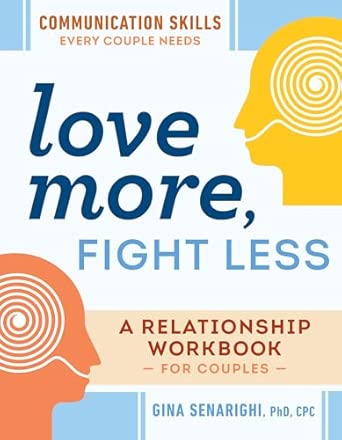 | Best for Couples Who Want Structured Practice | Format: Relationship workbook | Intended audience: Couples | Primary focus: Communication skills | VIEW LATEST PRICE | See Our Full Breakdown |
| Fight Right: How Successful Couples Turn Conflict Into Connection |  | Best for Couples Working Through Conflict | Format: Book | Primary focus: Conflict in couples | Central premise: Turning conflict into connection | VIEW LATEST PRICE | See Our Full Breakdown |
| Adult Children of Emotionally Immature Parents: How to Heal from Distant, Rejecting, or Self-Involved Parents |  | Best for Understanding Family-of-Origin Patterns | Format: Book | Primary subject: Emotionally immature parents | Intended audience: Adult children | VIEW LATEST PRICE | See Our Full Breakdown |
| Attached: The New Science of Adult Attachment and How It Can Help You Find—and Keep—Love |  | Best for Understanding Attachment Patterns | Format: Book | Primary subject: Adult attachment | Relationship focus: Romantic relationships | VIEW LATEST PRICE | See Our Full Breakdown |
| The Mastery of Love: A Practical Guide to the Art of Relationship |  | Best for Readers Open to Toltec Wisdom | Format: Book | Stated perspective: Toltec wisdom | Primary subject: Relationships | VIEW LATEST PRICE | See Our Full Breakdown |
| Communicate Your Feelings (Without Starting a Fight): What to Say and What Not to Say to Your Partner |  | Best for Conflict-Aware Communication | Format: Book | Subject: Communicating feelings with a partner | Focus: What to say and what to avoid saying | VIEW LATEST PRICE | See Our Full Breakdown |
| Why Men Love Bitches: From Doormat to Dreamgirl—A Woman’s Guide to Holding Her Own in a Relationship |  | Best for Self-Respect and Independence | Format: Not specified | Intended audience: Women | Subject: Relationships | VIEW LATEST PRICE | See Our Full Breakdown |
| How to Be an Adult in Relationships: The Five Keys to Mindful Loving |  | Best for Mindful Relationship Growth | Format: Book | Subject: Adult relationships | Approach: Mindful loving | VIEW LATEST PRICE | See Our Full Breakdown |
| The Seven Principles for Making Marriage Work: A Practical Guide |  | Best for Married Couples Seeking a Practical Framework | Subject: Making marriage work | Format descriptor: Practical guide | Framework: Seven principles | VIEW LATEST PRICE | See Our Full Breakdown |
| The 5 Love Languages: The Secret to Love That Lasts |  | Best for Understanding Different Expressions of Love | Subject: Expressions and experiences of love | Framework: Five love languages | Stated aim: Understanding a partner’s needs | VIEW LATEST PRICE | See Our Full Breakdown |
| The Set Boundaries Workbook: Practical Exercises for Understanding Your Needs and Setting Healthy Limits |  | Best for Boundary-Setting Practice | Product type: Workbook | Primary focus: Understanding personal needs | Relationship skill: Setting healthy boundaries | VIEW LATEST PRICE | See Our Full Breakdown |
| How to Listen, Hear, and Validate: Break Through Invisible Barriers and Transform Your Relationships | 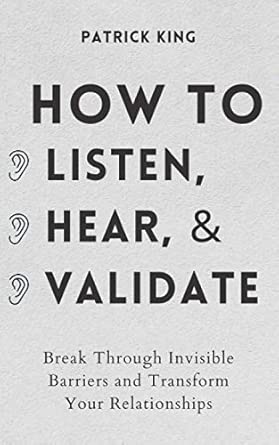 | Best for Improving Listening and Validation | Product type: Book | Series: How to be More Likable and Charismatic | Primary focus: Communication skills | VIEW LATEST PRICE | See Our Full Breakdown |
| relationship self-help book | ASIN | Format |
|---|---|---|
| Love More | 0593196651 | Relationship workbook |
| Fight Right: How Successful Co | 0593579658 | Book |
| Adult Children of Emotionally | 1626251703 | Book |
| Attached: The New Science of A | 1585429139 | Book |
| The Mastery of Love: A Practic | 1878424424 | Book |
| Communicate Your Feelings | B08TB41C9C | Book |
| Why Men Love Bitches: From Doo | 1580627560 | Not specified |
| How to Be an Adult in Relation | 1611809541 | Book |
| The Seven Principles for Makin | 0553447718 | — |
| The 5 Love Languages: The Secr | 080241270X | — |
| The Set Boundaries Workbook: P | 0593421485 | — |
| How to Listen | B08WK8L2FD | — |
More Details on Our Top Picks
Love More, Fight Less: Communication Skills Every Couple Needs: A Relationship Workbook for Couples
This is the most directly hands-on pick in this group: its workbook format and focus on couples’ communication skills point toward practicing together rather than only reading about relationship patterns. That makes it a closer fit for partners who want a shared activity than Attached, which centers on understanding attachment styles, or Fight Right, which focuses specifically on conflict. The tradeoff is that the available description gives no detail about its exercises, scope, or approach, so I can’t tell how guided or in-depth the work is. It is best approached as a practical starting point for a couple willing to talk and practice together, not as a substitute for specialized support when conflicts feel unsafe or entrenched.
Pros:- Workbook format suggests active practice rather than advice alone.
- Focuses directly on communication skills between partners.
- Written for couples, making it a potential shared activity.
- Addresses communication broadly rather than only one relationship pattern.
Cons:- The available description provides no specifics about exercises or chapter structure.
- Its broad communication focus may feel less targeted than Fight Right for conflict.
- No information is provided about the approach’s evidence base or intended level of support.
Best for: Couples who want to work through communication skills together using a relationship workbook.
Not ideal for: Readers looking for a detailed, research-focused account of attachment or conflict; the available product information does not specify the workbook’s methods or depth.
- Format:Relationship workbook
- Intended audience:Couples
- Primary focus:Communication skills
- Relationship topic:Couple communication
- Title:Love More, Fight Less: Communication Skills Every Couple Needs: A Relationship Workbook for Couples
- ASIN:0593196651
Our verdict“Choose this workbook if you and your partner want a shared, practice-oriented starting point for communication skills.”
Fight Right: How Successful Couples Turn Conflict Into Connection
Fight Right earns a distinct place for readers who want to focus on conflict as a relationship skill, not just communication in general. Its premise is that couples can turn disagreements into connection, making it a more targeted choice than Love More, Fight Less, whose described focus covers communication skills broadly. It also differs from Attached: attachment patterns may help explain recurring reactions, while this book is framed around how couples handle conflict. The available information does not describe its methods, exercises, or intended level of detail, so readers seeking a step-by-step workbook may prefer the explicitly workbook-oriented Love More, Fight Less. This is a focused fit for partners ready to examine how they argue, with limited detail available to judge the practical format.
Pros:- Keeps conflict and its effect on connection at the center.
- Addresses couples rather than relationship skills in isolation.
- Offers a distinct focus from broad communication workbooks.
- Frames disagreements as an area couples can work on.
Cons:- The provided information does not describe specific strategies or exercises.
- Its conflict-centered focus may not suit readers seeking broader relationship guidance.
- No format details beyond the book title are supplied.
Best for: Partners who want a relationship self-help book centered on handling disagreements and turning conflict into connection.
Not ideal for: Readers who want a clearly described workbook with specified exercises, or who need guidance focused on attachment patterns rather than conflict.
- Format:Book
- Primary focus:Conflict in couples
- Central premise:Turning conflict into connection
- Intended audience:Couples
- Title:Fight Right: How Successful Couples Turn Conflict Into Connection
- ASIN:0593579658
Our verdict“Pick this if your main goal is to understand and improve how you and your partner handle conflict.”
Adult Children of Emotionally Immature Parents: How to Heal from Distant, Rejecting, or Self-Involved Parents
This is the lineup’s clearest choice for readers whose relationship questions begin with their upbringing, rather than a current couple’s communication habits. It addresses the impact of emotionally immature parenting and focuses on healing from distant, rejecting, or self-involved parents. That makes it a different kind of relationship self-help book from Attached, which applies attachment concepts to romantic relationships, and Fight Right, which centers on conflict between partners. The tradeoff is its specific scope: it is not presented as a guide to improving a couple’s communication or resolving disagreements. Readers who want to work on a present-day partnership may find Love More, Fight Less more directly applicable. This pick is most relevant when family experiences are the main relationship pattern a reader wants to understand.
Pros:- Directly addresses the impact of emotionally immature parenting.
- Focuses on healing and recovery.
- Covers distant, rejecting, and self-involved parenting patterns.
- Offers a family-of-origin focus distinct from the couple-centered books in this roundup.
Cons:- Its focus is on parent-child history rather than practical couple communication.
- Readers seeking conflict strategies for a current partnership may need a more targeted book.
- The provided description does not specify exercises or the format of its healing guidance.
Best for: Adults trying to make sense of the lasting effects of distant, rejecting, or self-involved parenting.
Not ideal for: Couples seeking shared communication exercises or a focused guide to handling disagreements in their current relationship.
- Format:Book
- Primary subject:Emotionally immature parents
- Intended audience:Adult children
- Parenting patterns covered:Distant, rejecting, and self-involved
- Focus:Understanding effects and healing
- Title:Adult Children of Emotionally Immature Parents: How to Heal from Distant, Rejecting, or Self-Involved Parents
- ASIN:1626251703
Our verdict“Choose this book if understanding and healing from difficult parental relationships is your main relationship goal.”
Attached: The New Science of Adult Attachment and How It Can Help You Find—and Keep—Love
Attached is the strongest fit here for readers who want a framework for how adult attachment styles shape romantic relationships. Rather than treating conflict as the main subject like Fight Right, it focuses on understanding patterns that can affect how people build and maintain intimacy. That makes it useful for readers seeking insight into dating or an ongoing partnership, and more romance-specific than Adult Children of Emotionally Immature Parents, which centers on family history. The limitation is that the supplied description promises explanation and insight, but does not specify exercises or a step-by-step plan for changing behavior. Readers wanting practice they can complete with a partner may find Love More, Fight Less a more direct format. This is a framework-led choice, not a described workbook.
Pros:- Explains adult attachment styles.
- Applies attachment concepts to romantic relationships.
- Connects self-understanding with building and maintaining relationships.
- Offers a romance-focused perspective distinct from the family-history pick.
Cons:- The available description does not specify practical exercises or a structured action plan.
- Its attachment focus may not address a reader’s immediate communication or conflict needs.
- No details are provided about the book’s format beyond its designation as a book.
Best for: Readers who want to understand how their attachment patterns may affect dating, closeness, and long-term romantic relationships.
Not ideal for: Couples seeking a clearly described workbook or a conflict-specific guide with stated exercises and methods.
- Format:Book
- Primary subject:Adult attachment
- Relationship focus:Romantic relationships
- Stated application:Building and maintaining fulfilling relationships
- Title:Attached: The New Science of Adult Attachment and How It Can Help You Find—and Keep—Love
- ASIN:1585429139
Our verdict“Choose this if you want an attachment-based framework for understanding patterns in your romantic relationships.”
The Mastery of Love: A Practical Guide to the Art of Relationship
This book stands apart through its stated foundation in Toltec wisdom, giving it a different lens from the more specific relationship frameworks in Attached and Fight Right. Its title presents it as a practical guide to relationships, but the supplied description offers no further detail about its lessons, exercises, or intended audience. That makes it a less clearly defined choice for readers who want to work on a particular challenge, such as attachment patterns or couple conflict. Compared with Adult Children of Emotionally Immature Parents, it also has no specified focus on family history or a particular relationship dynamic. I would place it with readers interested in a wisdom-based approach, while noting that the available information makes its day-to-day usefulness harder to judge.
Pros:- Offers a stated Toltec wisdom perspective.
- Positions itself as a practical relationship guide.
- Provides an alternative lens to attachment- and conflict-focused books.
- Has a broad relationship focus rather than a stated focus on one couple problem.
Cons:- The provided description gives no detail about its specific guidance or methods.
- Its broad scope may be less useful for readers with a clearly defined relationship challenge.
- No exercises, structure, or intended audience are specified in the product information.
Best for: Readers curious about a relationship guide grounded in Toltec wisdom and open to a less specifically described approach.
Not ideal for: Readers who want a clearly defined framework, detailed exercises, or a book targeted to couple conflict, attachment, or family-of-origin issues.
- Format:Book
- Stated perspective:Toltec wisdom
- Primary subject:Relationships
- Guide type:Practical guide
- Title:The Mastery of Love: A Practical Guide to the Art of Relationship
- ASIN:1878424424
Our verdict“Pick this if you want a broad relationship guide rooted in Toltec wisdom and do not need a clearly specified method.”
Communicate Your Feelings (Without Starting a Fight): What to Say and What Not to Say to Your Partner
This is the most focused choice here for readers who know what they feel but struggle to raise it without escalating a disagreement. Its emphasis on what to say—and what to avoid saying gives it a practical, conversation-level angle, unlike How to Be an Adult in Relationships, which centers on mindful loving more broadly. That narrow focus can help couples looking for wording guidance rather than a wide relationship framework. The tradeoff is that the supplied description gives no detail about exercises, examples, or how the advice handles recurring or serious conflict, so I would not treat it as a complete substitute for couples therapy or a broader communication workbook. Choose it for a specific conversation need; skip it if you want a detailed, evidence-based program or coverage of many relationship concerns.
Pros:- Directly addresses communicating feelings to a partner
- Focuses on both helpful wording and phrases to avoid
- Narrow scope makes its purpose easy to identify
- Targets conflict prevention during conversations
Cons:- Available product information does not describe exercises or sample scripts
- Its focused subject may leave other relationship skills unaddressed
- The supplied details do not establish how it approaches serious or recurring conflict
Best for: Partners who want focused guidance on raising feelings and choosing less inflammatory wording during everyday conversations
Not ideal for: Readers seeking a broad relationship framework, structured practice exercises, or detailed support for persistent high-conflict problems
- Format:Book
- Subject:Communicating feelings with a partner
- Focus:What to say and what to avoid saying
- Intended context:Partner conversations
- Stated aim:Discuss feelings without starting a fight
- ASIN:B08TB41C9C
Our verdict“Choose this for targeted help finding calmer ways to express feelings, but pick a broader guide if you want a fuller relationship program.”
Why Men Love Bitches: From Doormat to Dreamgirl—A Woman’s Guide to Holding Her Own in a Relationship
Where The 5 Love Languages focuses on recognizing how partners express and receive love, this book puts the emphasis on a woman’s independence and self-respect within a relationship. That makes it a distinct pick for someone who feels she is over-accommodating or losing sight of her own needs. The title signals a provocative, gender-specific approach, which may appeal to readers looking for assertive relationship advice rather than a neutral couples framework. But the available product details offer no further information about its methods or scope, so I can’t recommend it as a guide to mutual communication or relationship repair. Its framing may also feel too prescriptive for readers who want advice not organized around gender roles. I’d choose it for its stated focus, not as an all-purpose relationship manual.
Pros:- Clearly foregrounds independence and self-respect
- Addresses the experience of over-accommodating in a relationship
- Offers a different emphasis from books centered on couple communication
- Its stated audience and subject are easy to identify
Cons:- The gender-specific framing may not suit every reader or relationship
- The supplied product information gives no detail about its advice or methods
- Its focus does not establish coverage of shared communication or conflict repair
Best for: Women who feel they routinely put a partner’s preferences first and want a guide centered on personal independence and self-respect
Not ideal for: Readers seeking gender-neutral advice, mutual communication tools, or a clearly described method for repairing relationship conflict
- Format:Not specified
- Intended audience:Women
- Subject:Relationships
- Stated focus:Independence and self-respect
- Subtitle:From Doormat to Dreamgirl—A Woman’s Guide to Holding Her Own in a Relationship
- ASIN:1580627560
Our verdict“Pick this if you want a woman-focused guide to holding onto your independence, and skip it if you want a gender-neutral couples resource.”
How to Be an Adult in Relationships: The Five Keys to Mindful Loving
For readers who want to reflect on how they show up in a relationship, this book offers a mindfulness-centered framework organized around five keys to loving. That broader orientation sets it apart from Communicate Your Feelings (Without Starting a Fight), which targets the wording of difficult conversations rather than adult relationship habits as a whole. The five-key structure also gives readers a clear organizing idea, though the available details don’t identify the keys or describe exercises. That limits how specifically I can judge its practical format before purchase. It makes the most sense for someone open to reflection and mindful practice, not a reader who mainly wants scripts for a particular argument or concrete, couple-specific troubleshooting. Compared with The Seven Principles for Making Marriage Work, it is framed around mindful loving rather than marriage-focused guidance.
Pros:- Makes mindful loving the central subject
- Organizes its approach around five key ideas
- Offers a broader focus than advice about a single conversation
- May suit readers drawn to reflective relationship work
Cons:- The supplied details do not name the five keys
- No exercises or practical tools are described in the provided information
- Its broad framing may be less direct for readers with one urgent communication issue
Best for: Readers who want to examine their relationship habits through a mindfulness-oriented framework rather than focus only on one communication problem
Not ideal for: Couples looking for specific conversation scripts, a marriage-only guide, or clearly described exercises before choosing a book
- Format:Book
- Subject:Adult relationships
- Approach:Mindful loving
- Framework:Five keys
- Subtitle:The Five Keys to Mindful Loving
- ASIN:1611809541
Our verdict“Choose this if mindful reflection is your preferred route to relationship growth; choose a communication-focused title for immediate wording help.”
The Seven Principles for Making Marriage Work: A Practical Guide
This is the clearest fit in the group for readers focused specifically on strengthening a marriage. Its practical-guide framing and seven-principle structure offer a more marriage-centered route than How to Be an Adult in Relationships, which is presented as a mindfulness guide for adult relationships more broadly. The description also identifies relationship expert John Gottman as its author, giving the book a defined expert-led framing. That focus is useful if both partners want to work on their marriage rather than read a general guide to love. The tradeoff is its narrower audience: dating partners or readers focused on individual boundaries may find other titles more relevant. The supplied information does not detail the principles or exercises, so I would not assume a particular activity format from the title alone.
Pros:- Directly targets building and maintaining a strong marriage
- Uses a seven-principle structure
- Described as a practical guide
- Names relationship expert John Gottman as the author
Cons:- Its marriage focus may be less relevant to dating or other relationship contexts
- The provided description does not list the seven principles
- No details about specific exercises or how couples use the guide are supplied
Best for: Married readers who want a practical, marriage-specific guide organized around principles for building and maintaining their relationship
Not ideal for: Dating readers, people primarily seeking individual boundary work, or buyers who need details about the book’s exercises before choosing
- Subject:Making marriage work
- Format descriptor:Practical guide
- Framework:Seven principles
- Author:John Gottman
- Stated aim:Building and maintaining a strong marriage
- ASIN:0553447718
Our verdict“Choose this for a marriage-focused, principle-based guide; readers seeking broader mindful relationship growth may prefer How to Be an Adult in Relationships.”
The 5 Love Languages: The Secret to Love That Lasts
This book is the most directly focused on how partners express and experience love. Its five-language framework gives couples a shared way to discuss what makes each person feel cared for, a different task from Communicate Your Feelings (Without Starting a Fight), which centers on avoiding conflict while talking about feelings. That makes this a natural choice when the problem is feeling unseen or mismatched in expressions of affection, rather than needing help with a tense conversation. The tradeoff is that a framework for discussing love needs cannot, on its own, address every source of relationship strain. The supplied description does not specify how the five categories are taught or what exercises are included. I’d choose it for a focused conversation about care, not as a substitute for broader conflict or marriage guidance.
Pros:- Centers on how people express and experience love
- Offers a five-part framework for discussing partner needs
- Has a clear focus on building a lasting relationship
- Addresses a different concern from books focused mainly on conflict
Cons:- The supplied description does not name or explain the five languages
- Its stated focus does not cover every cause of relationship difficulty
- No details about practical exercises or application are provided
Best for: Partners who care about each other but want a shared framework for discussing how they express and receive love
Not ideal for: Readers seeking detailed conflict-resolution methods, marriage-specific guidance, or a described set of exercises before buying
- Subject:Expressions and experiences of love
- Framework:Five love languages
- Stated aim:Understanding a partner’s needs
- Relationship focus:Building a lasting relationship
- Subtitle:The Secret to Love That Lasts
- ASIN:080241270X
Our verdict“Choose this when you want a shared vocabulary for expressing care, but look elsewhere for a focused guide to conflict or marital problems.”
The Set Boundaries Workbook: Practical Exercises for Understanding Your Needs and Setting Healthy Limits
I’d choose this workbook when the relationship problem is less about understanding a partner’s communication style and more about identifying what feels acceptable to me. Its practical exercises are intended to help readers clarify personal needs and set limits, giving it a hands-on focus that differs from Love More, Fight Less, which is aimed at couples working on communication together. That makes this a better fit for individual reflection before or alongside a relationship conversation. The tradeoff is that the supplied information does not specify the exercises, intended audience beyond boundary-setting, or how much guidance the workbook provides. Readers seeking a broad relationship framework like How to Be an Adult in Relationships may find its stated focus narrower. I’d pick it for structured boundary work, not as a general guide to every relationship challenge.
Pros:- Practical exercises offer an active alternative to reading advice alone
- Centers reflection on understanding personal needs
- Focuses directly on setting healthy limits
- Its workbook format suits readers who want to work through material at their own pace
Cons:- The available product details do not describe the exercises or their structure
- Its boundary-setting focus may not address wider relationship concerns
- The supplied information does not establish whether it is designed for individual or couple use
Best for: Readers who want exercises to clarify their needs and practice setting healthier limits in personal relationships
Not ideal for: Couples seeking a joint communication program or readers who want a broad relationship guide rather than a boundary-focused workbook
- Product type:Workbook
- Primary focus:Understanding personal needs
- Relationship skill:Setting healthy boundaries
- Format emphasis:Practical exercises
- Intended use:Boundary-setting practice
- ASIN:0593421485
Our verdict“Choose this workbook if you want hands-on prompts for clarifying your needs and setting boundaries, rather than a broad or couple-focused relationship guide.”
How to Listen, Hear, and Validate: Break Through Invisible Barriers and Transform Your Relationships
I’d point readers here when conversations break down because one person does not feel heard. The book focuses on active listening and validation, skills that can help readers respond with understanding instead of rushing to defend a position. Compared with Communicate Your Feelings (Without Starting a Fight), which centers on expressing feelings, this title’s stated emphasis is on receiving and acknowledging what another person says. That makes the two potentially complementary, though this book’s scope also includes personal and professional relationships, so it is less specifically tailored to couples than Love More, Fight Less. The supplied details describe practical strategies but do not name specific methods or provide evidence about their effectiveness. I’d choose it for a communication-skills focus, while readers wanting a couple-specific conflict guide may prefer a more targeted title.
Pros:- Focuses on active listening, a distinct counterpart to advice centered on expressing feelings
- Highlights validation as a relationship communication skill
- Aims to offer practical communication strategies
- Applies to personal as well as professional interactions
Cons:- The supplied details do not describe the specific strategies or exercises
- Its wider interpersonal scope may feel less tailored to couples than dedicated relationship guides
- May overlap with other titles in its likability and charisma series
Best for: Readers who want practical guidance on listening and validating others in romantic, personal, or professional conversations
Not ideal for: Couples looking specifically for a relationship workbook or a detailed guide to resolving recurring partner conflict
- Product type:Book
- Series:How to be More Likable and Charismatic
- Primary focus:Communication skills
- Listening approach:Active listening
- Relationship skill:Validation
- Intended applications:Personal and professional relationships
- ASIN:B08WK8L2FD
Our verdict“Choose this book if your main goal is to listen more attentively and help others feel understood across different kinds of relationships.”

How We Picked
I compared the books by the problem they address, how clearly they explain their ideas, and whether readers can turn those ideas into useful conversations or individual reflection. I also considered the intended audience: couples working together, people seeking a personal framework, readers focused on marriage, and those examining family patterns or boundaries. A book’s usefulness depends on that fit; a focused workbook may help a couple practice skills but have less reach for readers seeking deeper context.
The ranking favors books with a clear purpose and practical relevance across common relationship needs, while preserving distinct roles for specialized titles. The top picks serve different kinds of readers rather than claiming one approach suits everyone. I placed broader or more accessible frameworks alongside targeted guides, while noting tradeoffs such as a narrow focus, exercises that require both partners’ participation, or concepts that may need more context than one book can provide.
| relationship self-help book | Format |
|---|---|
| Love More | Relationship workbook |
| Fight Right: How Successful Co | Book |
| Adult Children of Emotionally | Book |
| Attached: The New Science of A | Book |
| The Mastery of Love: A Practic | Book |
| Communicate Your Feelings | Book |
| Why Men Love Bitches: From Doo | Not specified |
| How to Be an Adult in Relation | Book |
| The Seven Principles for Makin | — |
| The 5 Love Languages: The Secr | — |
| The Set Boundaries Workbook: P | — |
| How to Listen | — |
Factors to Consider When Choosing Relationship Self-help Books
Before choosing among relationship self-help books, start with the change you want to make. A book for shared communication practice serves a different purpose from one about attachment, family history, or personal boundaries. These factors can help you choose for your actual situation instead of buying based only on a promising title.
Choose the problem before choosing the framework
Name the issue you want to address in plain language: recurring arguments, feeling unheard, uncertainty about relationship patterns, or difficulty setting limits. Then look for a book whose central topic matches that issue rather than one that claims to improve every part of a relationship. A broad guide can provide useful context, but a narrow book may give you more focused tools. A common mistake is choosing a popular framework first and trying to fit every conflict into it. If the problem has several layers, pick one starting point and treat further reading as a next step, not a substitute for a single all-purpose answer.
Decide whether the book is for one reader or two
Couples workbooks and conversation guides can be more useful when both partners are willing to participate, while books about attachment or family history may be read privately. Talk together about whether you want shared exercises, separate reflection, or a mix. If your partner is not ready to read, a book that depends on joint activities may leave you with ideas you cannot practice as written. That does not make it useless, but it changes what you can expect from it. Avoid treating a reluctant partner’s participation as proof that they do not care; the format may simply not suit them.
Match the format to how you learn
Some readers want prompts, written exercises, or scripts; others prefer explanations that help them understand why patterns repeat. A workbook can make the next step concrete, but it asks for time and active effort beyond reading. A narrative or conceptual guide may be easier to finish, though you may need to create your own practice plan. Check whether you are likely to use the book alone, with a partner, or in brief sessions between other commitments. Choosing a format you will return to is often more useful than choosing the most ambitious one.
Look for a framework that invites discussion, not labels
Relationship books often use categories or models to explain behavior, and these can give partners a shared vocabulary. The risk is turning a label into a verdict about yourself or someone else. Treat a framework as a way to generate questions, not as a diagnosis or a complete account of a person. When comparing books, look for ideas that leave room for context, change, and differences between partners. If a model makes every disagreement seem to have one simple cause, pair it with a more specific communication or listening resource rather than relying on it alone.
Know when a self-help book is not enough
A book can support reflection and skill practice, but it cannot assess a relationship or respond to safety concerns. If conflict includes fear, coercion, threats, or physical harm, prioritize confidential support and safety planning over joint exercises. Ongoing distress or entrenched conflict may also call for a qualified professional who can respond to the people and circumstances involved. One common mistake is using a workbook as a test of whether a relationship can be repaired. Treat it as a resource for learning, not a guarantee of change or a replacement for personalized help.
Choose for the next useful step, not the whole relationship
Readers often expect one book to solve communication, intimacy, trust, and long-standing personal patterns at once. That sets an unrealistic standard and can make a focused book seem inadequate. Instead, choose the next skill or question you want to work on, then decide whether you need an accessible starting point or a more targeted guide. A simple framework can help open a conversation; a workbook may support practice; a specialized book can address a recurring concern in greater depth. If your needs change as you read, that is a reason to choose a second resource deliberately, not evidence that the first choice failed.
Frequently Asked Questions
Should my partner and I read the same relationship self-help book?
Reading the same book can give you shared language, but it is not a requirement for making progress. Choose a joint title when both of you want prompts or exercises to complete together; choose separate books when you are working on different concerns or one person is not ready to participate. Agree on a small reading goal, such as discussing one idea, rather than expecting both people to finish at the same pace. If a chapter turns into an argument, pause and return to it when you can talk more calmly. The book should support communication, not become a scorecard.
Can a relationship self-help book help if only one partner is willing to read?
Yes, an individual reader can use a book to reflect on their own communication, boundaries, and expectations. You can practice listening, express a need more clearly, or notice a pattern without requiring your partner to complete the same chapters. But one person cannot carry out exercises that depend on mutual participation or control how the other person responds. Choose a book with tools you can use independently if your partner is not involved. If the relationship feels unsafe or distress remains severe, seek support suited to the situation rather than relying on a book alone.
Should I start with a workbook or a book that explains relationship patterns?
Start with a workbook if you already know the skill you want to practice and prefer prompts that turn reading into action. Choose an explanatory book if you first need language for a pattern or want to understand what may be shaping your reactions. Workbooks ask for more effort and may be less useful when you are not ready to discuss the topic with a partner. Explanatory books can feel clearer at first, but insight alone may not change everyday habits. If you are uncertain, choose the format you are more likely to finish and use.
Are relationship self-help books appropriate for serious or recurring conflict?
They can offer ideas for reflection and more constructive conversations, but a book cannot evaluate the history or intensity of a couple’s conflict. If disagreements repeatedly escalate, either partner feels afraid, or there is coercion or harm, do not treat joint exercises as a substitute for specialized support. Some books may be useful alongside professional help when a qualified provider agrees they fit your circumstances. For less severe recurring conflict, choose a focused resource and set a modest goal, such as practicing one listening skill. Measure progress by changed behavior over time, not by how much you have read.
How do I choose between an easy-to-read framework and a more specialized relationship book?
An accessible framework can help you start talking when you do not yet have a shared vocabulary. A specialized book is a better fit when you can name the issue and want guidance on that particular need, such as conflict, boundaries, or family influences. Simple models can be memorable, but they may flatten differences between people if treated as complete explanations. Specialized guides can offer a closer match but may not address other parts of the relationship. Pick based on the question you want answered now, and leave room to seek another perspective if the first framework does not fit.
Conclusion
For most readers seeking a practical couples resource, I recommend Love More, Fight Less as the best overall starting point. Readers who want a focused guide to disagreements can choose Fight Right, while The Set Boundaries Workbook is a strong fit for hands-on personal practice. For beginners, The 5 Love Languages offers a familiar, accessible way to start a conversation, though its framework is narrower than books focused on broader relationship skills. Readers seeking a marriage-specific guide should look to The Seven Principles for Making Marriage Work; those exploring attachment or family patterns may find Attached or Adult Children of Emotionally Immature Parents more relevant. There is no single best book for every relationship, so choose the one that matches your next concrete need and the way you are willing to work on it.
Fall Picks
fall essentials
As an affiliate, we earn on qualifying purchases.