

The best divorce support books meet you where you are, whether you need emotional steadiness, help protecting your children, or a clearer view of legal and financial decisions. I’d make Crazy Time: Surviving Divorce and Building a New Life my best overall pick for broad, practical support, while The 7 Principles for Healing After an Unwanted Divorce stands out for personal recovery and Nolo’s Essential Guide to Child Custody and Support for custody-focused information. The main tradeoff is between a book that helps you cope day to day and one aimed at a specific need, such as high-conflict divorce, later-life finances, or talking with children. A general guide may feel less relevant when your situation is specific, while a narrowly focused book may leave other questions unanswered. Read on for the full breakdown and a guide to choosing the right fit.

Get gifts for the two of you delivered free with Prime
- Fast, free delivery on millions of items
- Prime Video, Amazon Music and more included
- Member-only deals all year
Key Takeaways
- Broad emotional support and targeted advice serve different jobs: Crazy Time offers a wide-ranging starting point, while the custody, financial, and high-conflict titles focus on narrower problems.
- Healing books vary in their framework: The 7 Principles centers on recovery after an unwanted divorce, while Conscious Uncoupling offers a defined five-step approach and the biblical guides bring faith into the process.
- Children’s books should match the reader’s age: It’s Never Your Fault is aimed at ages 6–11, while How To Deal With Divorce For Teens speaks to older children dealing with more complex feelings.
- Some books are for helpers, not people seeking personal guidance: The Transcending Divorce Support Group Guide is designed for facilitators planning group meetings.
- Practical and emotional guidance are not substitutes for professional advice: The legal and financial titles can help readers prepare questions, but they do not replace advice specific to a case.
| Nolo’s Essential Guide to Child Custody and Support |  | Best for Custody and Support Questions | Title: Nolo’s Essential Guide to Child Custody and Support | ASIN: 1413331092 | Subject: Child custody and support | VIEW LATEST PRICE | See Our Full Breakdown |
| The 7 Principles for Healing After an Unwanted Divorce: Practical Guide to Find Yourself and Reclaim Your Life |  | Best for Reclaiming a Sense of Self | Title: The 7 Principles for Healing After an Unwanted Divorce: Practical Guide to Find Yourself and Reclaim Your Life | ASIN: B0GKXPY93H | Stated framework: Seven principles | VIEW LATEST PRICE | See Our Full Breakdown |
| The Breakup Bible: The Smart Woman’s Guide to Healing from a Breakup or Divorce |  | Best for Women Rebuilding Confidence | Title: The Breakup Bible: The Smart Woman’s Guide to Healing from a Breakup or Divorce | ASIN: B01CPKDNGK | Stated audience: Women | VIEW LATEST PRICE | See Our Full Breakdown |
| The Transcending Divorce Support Group Guide: Guidance and Meeting Plans for Facilitators |  | Best for Support Group Facilitators | Title: The Transcending Divorce Support Group Guide: Guidance and Meeting Plans for Facilitators | ASIN: 1879651564 | Intended user: Support group facilitators | VIEW LATEST PRICE | See Our Full Breakdown |
| Crazy Time: Surviving Divorce and Building a New Life, Third Edition |  | Best for Broad Divorce Recovery | Title: Crazy Time: Surviving Divorce and Building a New Life, Third Edition | ASIN: 0062337408 | Edition: Third edition | VIEW LATEST PRICE | See Our Full Breakdown |
| Divorce Care: Hope, Help, and Healing During and After Your Divorce |  | Best for Broad Emotional Support | Format: Book | Title focus: Hope, help, and healing during and after divorce | Primary audience: Individuals experiencing divorce | VIEW LATEST PRICE | See Our Full Breakdown |
| Conscious Uncoupling: 5 Steps to Living Happily Even After |  | Best for a Step-Based Personal Reset | Format: Book | Framework: Five steps | Title focus: Living happily after a relationship ends | VIEW LATEST PRICE | See Our Full Breakdown |
| The Parent’s Guide to Divorce: How to Protect Your Child’s Mental and Emotional Health During Breakup or Separation |  | Best for Parents Putting Children First | Format: Book | Primary audience: Parents experiencing divorce or separation | Child focus: Mental and emotional health | VIEW LATEST PRICE | See Our Full Breakdown |
| Divorcing a Narcissist: Prepare for a High-Conflict Divorce, Succeed in Family Court, Recover from Emotional Abuse, and Embrace a New Beginning Without Your Toxic Ex |  | Best for High-Conflict Divorce | Format: Book | Primary situation: High-conflict divorce | Relationship context: Divorcing a partner described as narcissistic | VIEW LATEST PRICE | See Our Full Breakdown |
| I Just Want This Done: How Smart, Successful People Get Divorced Without Losing Their Kids, Money, and Minds |  | Best for Practical Divorce Priorities | Format: Book | Title audience: Smart, successful people getting divorced | Child-related focus: Avoiding harm to children | VIEW LATEST PRICE | See Our Full Breakdown |
| Divorce After 50: A Guide to the Unique Legal and Financial Challenges of Your Divorce |  | Best for Later-Life Divorce Planning | Format: Book | Title: Divorce After 50: A Guide to the Unique Legal and Financial Challenges of Your Divorce | ISBN-10 / ASIN: 1413332331 | VIEW LATEST PRICE | See Our Full Breakdown |
| Surviving an Unwanted Divorce: A Biblical, Practical Guide to Letting Go While Holding Yourself Together |  | Best for Faith-Based Emotional Support | Format: Book | Title: Surviving an Unwanted Divorce: A Biblical, Practical Guide to Letting Go While Holding Yourself Together | ISBN-10 / ASIN: 1400250129 | VIEW LATEST PRICE | See Our Full Breakdown |
| How To Deal With Divorce For Teens: A Kind Guide to Understanding Family Changes, Coping with Big Emotions and Feeling Whole Again |  | Best for Teen Readers | Format: Book | Title: How To Deal With Divorce For Teens: A Kind Guide to Understanding Family Changes, Coping with Big Emotions and Feeling Whole Again | ISBN-10 / ASIN: 1964737613 | VIEW LATEST PRICE | See Our Full Breakdown |
| It’s Never Your Fault: A Kid’s Divorce Survival Guide for Ages 6-11 | 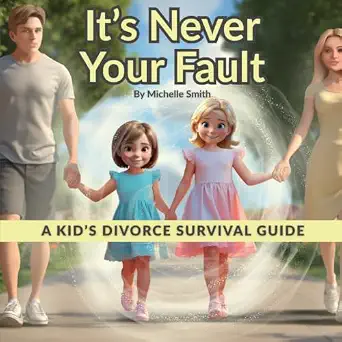 | Best for Younger Children | Format: Book | Title: It’s Never Your Fault: A Kid’s Divorce Survival Guide for Ages 6-11 | ASIN: B0FX7934QK | VIEW LATEST PRICE | See Our Full Breakdown |
| divorce support book | ASIN | Title | Format |
|---|---|---|---|
| Nolo’s Essential Guide to Chil | 1413331092 | Nolo’s Essential Guide to Child Custody and Support | — |
| The 7 Principles for Healing A | B0GKXPY93H | The 7 Principles for Healing After an Unwanted Divorce: Practical Guide to Find Yourself and Reclaim Your Life | — |
| The Breakup Bible: The Smart W | B01CPKDNGK | The Breakup Bible: The Smart Woman’s Guide to Healing from a Breakup or Divorce | — |
| The Transcending Divorce Suppo | 1879651564 | The Transcending Divorce Support Group Guide: Guidance and Meeting Plans for Facilitators | — |
| Crazy Time: Surviving Divorce | 0062337408 | Crazy Time: Surviving Divorce and Building a New Life, Third Edition | — |
| Divorce Care: Hope | 0785212469 | — | Book |
| Conscious Uncoupling: 5 Steps | B0CZ4FKRTV | — | Book |
| The Parent’s Guide to Divorce: | 168268976X | — | Book |
| Divorcing a Narcissist: Prepar | B0DGLN2KRG | — | Book |
| I Just Want This Done: How Sma | B09PX6HCLK | — | Book |
| Divorce After 50: A Guide to t | — | Divorce After 50: A Guide to the Unique Legal and Financial Challenges of Your Divorce | Book |
| Surviving an Unwanted Divorce: | — | Surviving an Unwanted Divorce: A Biblical, Practical Guide to Letting Go While Holding Yourself Together | Book |
| How To Deal With Divorce For T | — | How To Deal With Divorce For Teens: A Kind Guide to Understanding Family Changes, Coping with Big Emotions and Feeling Whole Again | Book |
| It’s Never Your Fault: A Kid’s | B0FX7934QK | It’s Never Your Fault: A Kid’s Divorce Survival Guide for Ages 6-11 | Book |
More Details on Our Top Picks
Nolo’s Essential Guide to Child Custody and Support
I’d place this book first for readers whose divorce concerns center on parenting arrangements and financial support for children. Its legal guidance and practical family-court advice address a different need from The Breakup Bible, which focuses on women’s emotional recovery rather than custody questions. That distinction makes this a useful choice for parents who want to understand their options before seeking legal help or making decisions about a case. The tradeoff is its narrower scope: it is not presented as a guide to emotional healing or rebuilding life after divorce. The supplied information also gives no edition or publication date, so readers seeking current legal guidance should verify that the material suits their jurisdiction and situation.
Pros:- Focuses directly on child custody and support issues
- Explains legal rights and options for parents
- Offers practical guidance related to family-court processes
Cons:- The supplied information does not identify an edition or publication date
- Its legal focus may leave emotional and personal recovery needs unmet
- No supplemental materials or additional formats are specified
Best for: Divorcing parents who want practical guidance on child custody, support, and family-court processes.
Not ideal for: Readers seeking emotional recovery exercises or broad guidance for rebuilding life after divorce.
- Title:Nolo’s Essential Guide to Child Custody and Support
- ASIN:1413331092
- Subject:Child custody and support
- Primary focus:Parents’ rights and options
- Guidance type:Practical legal guidance
- Court-related content:Family-court processes
Our verdict“Choose this for practical custody and support guidance, but pair it with an emotional recovery book if you need help beyond legal questions.”
The 7 Principles for Healing After an Unwanted Divorce: Practical Guide to Find Yourself and Reclaim Your Life
This is the most explicitly self-focused choice in this group: its seven principles are framed around healing after an unwanted divorce, finding yourself, and reclaiming personal happiness. I’d choose it over Crazy Time when the immediate need is a personal recovery framework rather than broad guidance on divorce and rebuilding a life. Its practical, growth-oriented emphasis may give readers a way to focus on their own needs after a painful separation. The limitation is that the available description does not explain what the principles involve, how they are organized, or how much detail they offer. Readers looking for legal, parenting, or clearly described exercises will find those needs unsupported by the information provided, and it is not positioned as a quick fix.
Pros:- Centers recovery after an unwanted divorce
- Connects emotional healing with self-discovery
- Frames the guidance around practical principles
- Addresses reclaiming personal happiness
Cons:- The supplied description does not explain the seven principles in detail
- Format and length are not specified
- Its personal-growth focus may not meet legal or parenting needs
Best for: Readers grieving a divorce they did not want who want a practical, self-discovery-oriented recovery guide.
Not ideal for: Readers who need legal or custody guidance, or who want a clearly detailed program before choosing a book.
- Title:The 7 Principles for Healing After an Unwanted Divorce: Practical Guide to Find Yourself and Reclaim Your Life
- ASIN:B0GKXPY93H
- Stated framework:Seven principles
- Primary audience:People healing after an unwanted divorce
- Main focus:Emotional healing and self-discovery
- Recovery aim:Reclaiming personal happiness
Our verdict“Pick this if your main aim is to rebuild your identity after an unwanted divorce and you are comfortable with limited detail about the book’s approach.”
The Breakup Bible: The Smart Woman’s Guide to Healing from a Breakup or Divorce
Among these picks, The Breakup Bible speaks most directly to women who want emotional support and practical steps for rebuilding confidence after relationship loss. Its scope includes both breakups and divorce, making it less specific to unwanted divorce recovery than The 7 Principles for Healing After an Unwanted Divorce, but potentially a better fit for someone whose loss does not fit neatly into one category. The focus on moving forward and restoring self-belief gives it a clear role as a personal recovery guide, not a legal handbook or facilitator resource. Its defining tradeoff is its gender-specific framing; readers looking for an inclusive guide for all genders, or detailed legal and custody advice, should choose elsewhere.
Pros:- Addresses recovery from both breakups and divorce
- Offers practical emotional-healing guidance
- Focuses on rebuilding confidence
- Has a clear audience and personal-recovery purpose
Cons:- Its framing is specifically for women
- The supplied description does not provide a detailed overview of its guidance
- It is not presented as a legal or custody resource
Best for: Women seeking practical emotional support and confidence-building guidance after a breakup or divorce.
Not ideal for: Readers who want gender-neutral guidance, legal advice, or a book focused specifically on parenting after divorce.
- Title:The Breakup Bible: The Smart Woman’s Guide to Healing from a Breakup or Divorce
- ASIN:B01CPKDNGK
- Stated audience:Women
- Situations covered:Breakup or divorce
- Primary focus:Emotional healing
- Personal goal:Moving forward and rebuilding confidence
Our verdict“Choose this if you are a woman seeking confidence-focused support after a breakup or divorce, rather than legal or parenting guidance.”
The Transcending Divorce Support Group Guide: Guidance and Meeting Plans for Facilitators
This guide has the clearest specialist role in the roundup: it is designed for people leading divorce support groups, not primarily for an individual reading alone. Structured meeting plans can help facilitators give sessions direction and make space for shared emotional healing. That sets it apart from Crazy Time, which is framed as guidance for a person facing divorce and rebuilding a new life. The group format is its strength, but also its main limitation: someone seeking private, self-paced advice may find little direct fit. The supplied details do not describe the number or length of meetings, the group setting, or the specific activities, so facilitators may want more information before relying on it to plan a program.
Pros:- Written for divorce support group facilitators
- Provides structured meeting plans
- Addresses emotional challenges and healing in a group setting
- Offers a distinct practical role beyond individual recovery books
Cons:- May not suit readers seeking personal, self-paced guidance
- The supplied information does not specify session count or meeting length
- Specific activities and group requirements are not described
Best for: Counselors, peer leaders, and community facilitators preparing structured support meetings for people experiencing divorce.
Not ideal for: Individuals seeking a self-guided book to read privately or facilitators who need specified session counts and activity details before planning.
- Title:The Transcending Divorce Support Group Guide: Guidance and Meeting Plans for Facilitators
- ASIN:1879651564
- Intended user:Support group facilitators
- Subject:Divorce support groups
- Content type:Guidance and meeting plans
- Stated purpose:Support emotional healing during divorce
Our verdict“Choose this to plan facilitated divorce support meetings; choose an individual-focused guide such as Crazy Time for personal reading.”
Crazy Time: Surviving Divorce and Building a New Life, Third Edition
Crazy Time earns its place as the broadest individual recovery pick here: it covers divorce, marriage crises, separation, and building a new life. Compared with The Breakup Bible, which is aimed at women and emphasizes confidence after relationship loss, this book is described more broadly and follows the path from crisis toward rebuilding. That makes it a plausible fit for readers who want support across more than one stage of divorce rather than a guide centered on a single recovery theme. The description, however, does not spell out its methods or specific topics in detail. It also offers no stated legal or custody focus, so parents handling court or support questions may be better served by Nolo’s guide.
Pros:- Covers several stages from marriage crisis to rebuilding
- Combines practical advice with emotional support
- Focuses on creating a new life after divorce
- Identifies itself as the third edition
Cons:- The supplied description does not detail its specific methods or topics
- No custody or family-court guidance is identified
- The scope may feel broad to readers seeking a narrowly focused recovery guide
Best for: Adults seeking broad emotional and practical guidance from the marriage crisis through separation and rebuilding.
Not ideal for: Readers who need detailed custody or family-court guidance, or who prefer a book with a clearly outlined method before selecting it.
- Title:Crazy Time: Surviving Divorce and Building a New Life, Third Edition
- ASIN:0062337408
- Edition:Third edition
- Subject:Divorce recovery
- Topics:Marriage crises, separation, and rebuilding
- Guidance type:Practical advice and emotional support
Our verdict“Choose this for a broad personal guide to surviving divorce and rebuilding, but look to Nolo’s book for custody and support questions.”
Divorce Care: Hope, Help, and Healing During and After Your Divorce
Divorce Care is the broadest emotional-recovery pick in this group, aimed at people who want support both during divorce and after it. Its focus on hope, help, and healing gives it a wider remit than Conscious Uncoupling, which is framed around a step-based approach to ending a relationship and personal growth. That breadth may suit readers who are not looking for one specific legal, parenting, or relationship dynamic.
The tradeoff is that the available description does not identify specific exercises, tools, or a detailed method, so I would choose it for general encouragement rather than targeted problem-solving. Readers seeking help with children’s emotional needs may get a closer fit from The Parent’s Guide to Divorce, while those facing high-conflict circumstances should look at a more specialized option.
Pros:- Addresses emotional support during divorce as well as recovery afterward.
- Keeps healing and hope central to its purpose.
- Has a broad focus that can suit readers whose needs are not limited to one divorce issue.
Cons:- The available information does not describe specific exercises or a step-by-step method.
- Its general scope may be less useful than a specialized book for parenting or high-conflict concerns.
Best for: Readers seeking general emotional encouragement and recovery guidance during and after divorce, without a narrow focus on parenting or conflict.
Not ideal for: Readers who need specific legal, financial, co-parenting, or high-conflict strategies, since the available description does not identify detailed tools in those areas.
- Format:Book
- Title focus:Hope, help, and healing during and after divorce
- Primary audience:Individuals experiencing divorce
- Main subject:Emotional recovery
- Timing:During and after divorce
- Approach described:Supportive guidance and healing strategies
- ASIN:0785212469
Our verdict“Choose this for broad emotional support across the divorce process, but pick a more targeted guide if you need concrete help with a specific challenge.”
Conscious Uncoupling: 5 Steps to Living Happily Even After
Conscious Uncoupling is the clearest choice here for readers who want a defined framework for ending a relationship and looking ahead. Its five-step structure gives the subject a more guided shape than Divorce Care, whose description emphasizes broad emotional support without naming a method. The focus on personal growth and well-being may help readers who want to make sense of the breakup as more than a legal process.
That approach has limits: the description centers on ending a relationship amicably, so it may feel less suited to a hostile or unsafe separation. It also does not specify legal, financial, or parenting guidance. For readers whose main concern is a child’s adjustment, The Parent’s Guide to Divorce is more directly focused; this book fits better when the reader’s own emotional reset is the priority.
Pros:- Uses a five-step framework rather than presenting only general encouragement.
- Connects the end of a relationship with personal growth and future well-being.
- Is oriented toward amicable separation, which may fit readers seeking a less adversarial process.
Cons:- Its amicable framing may not fit a high-conflict divorce.
- The available description does not specify legal, financial, or parenting tools.
Best for: Readers who want a structured, personal-growth-oriented approach to ending a relationship amicably and building emotional well-being afterward.
Not ideal for: People dealing with high-conflict or unsafe separation, or readers who need detailed legal, financial, or child-focused guidance.
- Format:Book
- Framework:Five steps
- Title focus:Living happily after a relationship ends
- Primary subject:Amicable uncoupling
- Additional focus:Personal growth
- Well-being focus:Emotional well-being
- ASIN:B0CZ4FKRTV
Our verdict“Pick this if you want a step-based route toward personal growth after an amicable split, not a guide to contentious divorce logistics.”
The Parent’s Guide to Divorce: How to Protect Your Child’s Mental and Emotional Health During Breakup or Separation
The Parent’s Guide to Divorce earns its place by centering a need that broad recovery books may leave to the side: protecting children’s mental and emotional health during family change. Its attention to family stability makes it a more direct fit for parents than I Just Want This Done, which also addresses children but frames them alongside finances and the adult’s mental well-being.
This child-focused scope is also its main boundary. The description promises practical advice but does not name particular tools, and it acknowledges that individual circumstances vary. A parent seeking personal emotional recovery may prefer Divorce Care; someone facing a highly contentious split may need guidance tailored to conflict. I’d choose this when a child’s adjustment is the central concern, rather than expecting it to serve as a complete divorce manual.
Pros:- Makes children’s mental and emotional health the primary focus.
- Offers practical advice for parents during divorce or separation.
- Addresses family stability as well as the immediate breakup.
Cons:- The available description does not identify specific tools or exercises.
- Its advice may not cover every family circumstance or specialized conflict scenario.
Best for: Parents who want guidance centered on their child’s emotional health and maintaining family stability during separation.
Not ideal for: Readers seeking a broad personal recovery guide or specialized advice for high-conflict proceedings, since the book’s stated focus is children’s well-being.
- Format:Book
- Primary audience:Parents experiencing divorce or separation
- Child focus:Mental and emotional health
- Family focus:Maintaining healthy family dynamics
- Situation covered:Breakup or separation
- Guidance described:Practical advice for parents
- ASIN:168268976X
Our verdict“Choose this when supporting your child through separation matters more than getting a broad guide to your own recovery.”
Divorcing a Narcissist: Prepare for a High-Conflict Divorce, Succeed in Family Court, Recover from Emotional Abuse, and Embrace a New Beginning Without Your Toxic Ex
Divorcing a Narcissist is the most specialized pick in this batch: it speaks to readers expecting conflict, court involvement, and recovery from emotional abuse. That makes it a sharper match for a particular situation than Divorce Care, which addresses healing more broadly. Its combination of high-conflict preparation, family-court guidance, and recovery also gives it a wider set of stated concerns than Conscious Uncoupling, whose description emphasizes an amicable ending.
Specialization is the tradeoff. Readers whose divorce is cooperative may find its framing too focused on toxic or adversarial dynamics, while the description does not spell out specific legal tools or explain the scope of its court guidance. I’d treat it as a situation-specific support book, not a substitute for advice from a qualified legal professional.
Pros:- Directly addresses preparation for high-conflict divorce.
- Includes recovery from emotional abuse among its stated aims.
- Covers both family-court concerns and starting over afterward.
Cons:- Its strongly specialized framing may not fit amicable or lower-conflict divorces.
- The available description does not detail specific court strategies or tools.
- It should not be treated as a replacement for individualized legal advice.
Best for: Readers anticipating a high-conflict divorce who want emotional-abuse recovery support alongside guidance related to family court.
Not ideal for: People having a cooperative separation or those seeking neutral, general-purpose divorce support rather than a guide framed around narcissism and conflict.
- Format:Book
- Primary situation:High-conflict divorce
- Relationship context:Divorcing a partner described as narcissistic
- Court focus:Family court
- Recovery focus:Emotional abuse recovery
- Additional focus:Starting a new life after divorce
- ASIN:B0DGLN2KRG
Our verdict“Choose this for support tailored to a high-conflict split, while seeking professional legal advice for case-specific court decisions.”
I Just Want This Done: How Smart, Successful People Get Divorced Without Losing Their Kids, Money, and Minds
I Just Want This Done is aimed at readers who want to keep several practical stakes in view at once: children, finances, and mental well-being. That makes it a broader logistics-minded option than The Parent’s Guide to Divorce, which puts children’s emotional health first, and less narrowly conflict-focused than Divorcing a Narcissist. Its appeal is the promise of a grounded approach for people trying to manage the consequences of divorce without losing sight of their overall well-being.
The description does not explain the strategies or the depth of coverage, so I would not choose it expecting a detailed financial or legal handbook. Its framing around smart, successful people may also feel less tailored to readers who do not identify with that audience. For child-centered emotional guidance, the parent-focused guide is the clearer match; this one suits readers balancing several concerns.
Pros:- Addresses children, money, and mental well-being in one book.
- Frames divorce around practical priorities rather than emotional recovery alone.
- May suit readers seeking to manage several parts of a separation at once.
Cons:- The available description does not specify the strategies or depth of coverage.
- Its audience framing may not feel tailored to every reader.
- It is not described as a detailed legal or financial reference.
Best for: Readers who want divorce guidance that considers children, finances, and their own mental well-being together.
Not ideal for: People looking for detailed legal or financial instruction, or parents seeking a book focused specifically on children’s emotional adjustment.
- Format:Book
- Title audience:Smart, successful people getting divorced
- Child-related focus:Avoiding harm to children
- Financial focus:Protecting money during divorce
- Well-being focus:Protecting mental well-being
- Guidance described:Practical advice and strategies
- ASIN:B09PX6HCLK
Our verdict“Choose this if you want one practical overview of children, finances, and mental well-being, but look elsewhere for detailed specialist instruction.”
Divorce After 50: A Guide to the Unique Legal and Financial Challenges of Your Divorce
For readers over 50, divorce can raise practical questions about finances and legal choices that differ from those faced earlier in life. This book focuses on those age-specific legal and financial challenges, making it a more targeted choice than Crazy Time: Surviving Divorce and Building a New Life, which is framed around coping with divorce and rebuilding. Its practical guidance is intended to help readers understand their options and make informed decisions, so it may suit someone who wants a planning-oriented resource alongside emotional support. The tradeoff is its narrower focus: it is not described as a broad guide to grief, relationships, or family communication, and the available information does not specify its chapters or coverage. Readers should treat it as general guidance, not advice tailored to their individual circumstances.
Pros:- Targets the concerns of people divorcing after 50.
- Centers legal and financial issues that may be especially relevant later in life.
- Offers practical guidance intended to support informed decisions.
Cons:- Its specialized focus may leave broader emotional and family concerns less addressed.
- The available description does not identify specific topics, chapters, or tools.
- General guidance cannot account for each reader’s legal and financial circumstances.
Best for: Adults over 50 who want a divorce-support book focused on age-related legal and financial decisions.
Not ideal for: Readers seeking primarily emotional healing guidance, or people who need advice tailored to a specific legal or financial situation.
- Format:Book
- Title:Divorce After 50: A Guide to the Unique Legal and Financial Challenges of Your Divorce
- ISBN-10 / ASIN:1413332331
- Intended audience:Individuals over 50 facing divorce
- Primary focus:Legal and financial challenges
- Guidance type:Practical decision-making guidance
Our verdict“Choose this if you are over 50 and want practical, later-life divorce guidance rather than a broad emotional recovery book.”
Surviving an Unwanted Divorce: A Biblical, Practical Guide to Letting Go While Holding Yourself Together
This pick is aimed at people who did not want the divorce and want support that combines biblical perspective with practical coping guidance. That makes it distinct from The Breakup Bible: The Smart Woman’s Guide to Healing from a Breakup or Divorce: this book explicitly frames its support through faith, while the other title signals a different audience and approach. Its focus on letting go while holding yourself together speaks to the immediate emotional strain of an unwanted split, with resilience and healing as stated aims. That faith-centered lens is also its main limitation. Readers who prefer secular guidance, or who need detailed legal, financial, or co-parenting instruction, may find it too narrow. The available description gives no chapter breakdown or specific exercises, so buyers should not assume a particular format of practical support.
Pros:- Combines biblical framing with practical coping guidance.
- Directly addresses the emotional experience of an unwanted divorce.
- Emphasizes healing, resilience, and maintaining a sense of steadiness.
Cons:- Faith-centered guidance may not suit readers who prefer a secular approach.
- The available description does not specify exercises, chapters, or supplementary materials.
- Its stated focus does not promise detailed legal or financial guidance.
Best for: Readers facing an unwanted divorce who want emotional coping guidance grounded in biblical faith.
Not ideal for: People seeking secular support or a detailed guide to legal, financial, custody, or co-parenting decisions.
- Format:Book
- Title:Surviving an Unwanted Divorce: A Biblical, Practical Guide to Letting Go While Holding Yourself Together
- ISBN-10 / ASIN:1400250129
- Intended audience:People coping with an unwanted divorce
- Perspective:Biblical and practical
- Primary focus:Emotional coping, healing, and resilience
Our verdict“Pick this for faith-based support through the emotional shock of an unwanted divorce, but look elsewhere for secular or technical advice.”
How To Deal With Divorce For Teens: A Kind Guide to Understanding Family Changes, Coping with Big Emotions and Feeling Whole Again
Teens need language for family changes and strong emotions that does not talk down to them. This book is described as an empathetic guide to understanding feelings, coping with stress, and rebuilding a sense of wholeness, giving it a clearer teen focus than It’s Never Your Fault: A Kid’s Divorce Survival Guide for Ages 6-11. That age distinction matters: a teenager may want help making sense of complex reactions rather than the reassurance aimed at younger children. The book’s described strengths are emotional understanding and practical coping, not legal guidance or advice for parents. Its tradeoff is limited available detail: there is no stated chapter outline, activity list, or specific age range beyond the teen audience in the title. A parent or caregiver may want to preview it for fit with the teen’s needs.
Pros:- Addresses teenagers directly rather than adapting advice for adults.
- Focuses on understanding emotions and coping with stress.
- Aims to help teens regain a sense of wholeness amid family change.
Cons:- The available description does not detail exercises, chapters, or reading level.
- It is not presented as a legal, custody, or parent-guidance resource.
- Its teen focus may not fit younger children or readers seeking adult-centered support.
Best for: Teenagers who want age-relevant help understanding divorce-related emotions and coping with changes at home.
Not ideal for: Younger children, parents seeking a guide to supporting their child, or families looking for legal and custody information.
- Format:Book
- Title:How To Deal With Divorce For Teens: A Kind Guide to Understanding Family Changes, Coping with Big Emotions and Feeling Whole Again
- ISBN-10 / ASIN:1964737613
- Intended audience:Teenagers
- Primary focus:Family changes and emotional coping
- Guidance type:Empathetic, practical support
Our verdict“Choose this for a teen who needs emotional language and coping support, rather than a younger child’s reassurance guide.”
It’s Never Your Fault: A Kid’s Divorce Survival Guide for Ages 6-11
For children ages 6-11, reassurance that the divorce is not their fault can address a worry they may struggle to express. This guide is presented as age-specific emotional support, with help understanding feelings and changes at home. Compared with How To Deal With Divorce For Teens, it is aimed at younger readers and places its emphasis on reassurance rather than teen-focused emotional processing. That makes the audience distinction especially useful for caregivers choosing a book to read together or offer directly to a child. The limitation is the sparse product information: no activities, illustrations, reading format, or chapter details are provided. It is also not described as a parent handbook, so adults looking for advice on custody conversations or co-parenting will need a separate resource.
Pros:- Specifies an intended age range of 6-11.
- Directly addresses the reassurance that a child’s parents’ divorce is not their fault.
- Helps children understand feelings and changes associated with divorce.
Cons:- The available information does not describe activities, illustrations, or reading format.
- It is not presented as a guide for parents or caregivers.
- Its younger-child focus makes it less suitable for teens.
Best for: Children ages 6-11 whose caregivers want an age-targeted book that offers reassurance and helps name divorce-related feelings.
Not ideal for: Teenagers, adults seeking their own divorce support, or parents who need detailed guidance on custody and family communication.
- Format:Book
- Title:It’s Never Your Fault: A Kid’s Divorce Survival Guide for Ages 6-11
- ASIN:B0FX7934QK
- Intended audience:Children ages 6-11
- Primary focus:Reassurance and emotional support
- Guidance type:Help understanding feelings and family changes
Our verdict“Choose this for a child ages 6-11 who needs reassurance and simple emotional support, not for teen or parent-focused guidance.”

How We Picked
I compared these 14 divorce support books by the problem each one is built to address, how clearly its intended reader can identify themselves, and whether its approach appears practical for that need. I separated emotional recovery from legal and financial guidance, parenting support, books for children and teens, and material for support-group facilitators. That matters because a book can be strong for one reader and a poor match for another.
The ranking gives priority to usefulness across common divorce needs and a clear role, then accounts for how specialized a book is and what it leaves outside its scope. Broad support leads the list for readers who are unsure where to begin; focused titles rank higher for readers with a defined question or audience. I also treated faith-based approaches, age-specific books, and facilitator materials as distinct choices rather than assuming they suit everyone. These books can offer perspective and preparation, but legal, financial, and mental-health needs may call for qualified professional help.
Factors to Consider When Choosing Divorce Support Books
Before choosing a title, match the book to the decision or feeling you want help with now. A useful selection process looks beyond the word “divorce” on the cover: the book’s audience, approach, scope, and practical role matter just as much as its subject.
Start With the Need You Have Today
List the question you want the book to help answer, such as how to cope with an unwanted split, support a child, or prepare for a custody discussion. A broad recovery guide can provide structure when several concerns feel tangled together, but it may not address a pressing legal question in enough detail. A specialized book can be more useful when one issue is dominating your attention. A common mistake is buying several books for problems you may not need to solve yet. Choose the title that fits the next step, then add another subject area only if it becomes relevant.
Check Who the Book Is Written For
Some titles speak to adults going through divorce, others to parents, children, teens, or group facilitators. These audiences need different language and kinds of guidance, so a parent’s resource is not automatically a good book for a child to read alone. Age labels matter because a younger child may need direct reassurance while a teenager may want help understanding stronger, more layered feelings. If you are choosing for someone else, think about whether they will read independently or with a trusted adult. A mismatch in audience can make a well-intended book feel confusing or impersonal.
Choose an Approach You Can Actually Use
Divorce support books may use a step-by-step recovery framework, practical checklists, reflective prompts, faith-based guidance, or discussion plans. A defined structure can help readers who want a sequence to follow, while a more open-ended book may suit someone who prefers to read selectively. Faith-centered titles can be comforting when that perspective fits the reader, but they may not resonate with someone seeking secular guidance. Do not choose an approach just because it sounds reassuring on the cover. Consider whether its language and assumptions feel like a fit for the person who will use it.
Separate General Guidance From Case-Specific Advice
Books about custody, family court, and divorce finances can help you learn vocabulary and prepare questions, but they cannot account for every jurisdiction or personal circumstance. This matters especially when deadlines, property, support, or child arrangements are involved. Treat a guide as a way to become better prepared for a conversation with a lawyer or financial professional, not as a final ruling on what to do. A common mistake is using general information to make a decision that depends on local rules. If the stakes are high or the facts are complex, seek advice tailored to your case.
Look at Scope Before Choosing a Specialist
A narrowly focused title can deliver more relevant help than a general guide, but its limited scope may leave other parts of divorce untouched. A book about high-conflict separation, later-life financial concerns, or custody may fit a particular challenge without offering much support for grief or parenting conversations. Decide whether you want one starting-point book or a resource for a specific task. Buying several overlapping books can lead to repeated advice rather than a clearer plan. For a complex situation, a small set of complementary resources may be more useful than a stack covering the same ground.
Consider Whether You Need a Personal Book or a Shared Resource
Most readers want guidance they can use privately, but some situations call for a resource meant to be shared with a child or used in a group. A facilitator guide, for example, is built around running meetings rather than helping one person process divorce on their own. A child-focused book may work best when an adult is available to answer questions and offer reassurance. Before buying, ask where and how the book will be used: at home, in a support group, or as part of a parent-child conversation. That simple distinction can prevent a useful resource from being put to the wrong job.
Frequently Asked Questions
Should I start with an emotional support book or a legal guide?
Start with the issue that needs attention first. If distress is making it hard to think clearly, an emotional support book may help you find steadier footing before tackling practical decisions. If you have an immediate custody, court, or financial question, a focused guide can help you prepare and identify what to ask a qualified professional. You do not need one book to cover both jobs. Many readers will benefit from keeping emotional support and case-specific advice as separate needs.
Can a divorce book replace a lawyer or therapist?
No. A book can explain common ideas, offer coping tools, or help you organize questions, but it cannot evaluate the full details of your case or provide individualized mental-health care. Legal requirements vary by location, and family circumstances can change what advice applies. Use practical guides to prepare for conversations with a lawyer or financial professional, rather than treating them as a final answer. If emotional distress feels hard to manage, a qualified mental-health professional can offer personal support that a book cannot.
How do I choose a divorce book for my child?
Choose by age, reading ability, and the kind of reassurance your child needs, rather than by the adult’s preferred approach to divorce. The list includes one guide for ages 6–11 and a separate title written for teens, reflecting how differently children at those ages may process family change. Consider reading together if your child wants company or has questions while reading. Avoid using a book to pressure a child to take sides, explain adult disputes, or manage a parent’s feelings. A trusted adult should remain available for conversation.
Are faith-based divorce support books a good choice if I am uncertain about my beliefs?
They may be helpful if biblical language and faith-based reflection feel supportive to you, but they are not the only route to emotional recovery in this roundup. The list also includes practical and step-based healing titles without the same explicitly biblical framing. Read a sample or description when possible to check whether the book’s assumptions match your outlook. You do not need to choose a faith-based resource simply because it promises comfort. A good fit is one you can engage with honestly, not one that makes you feel judged.
Is one general divorce book enough, or should I buy a specialized guide too?
One general book may be a reasonable starting point if your needs are broad and you are still sorting out what kind of support would help. A specialized guide makes more sense when you have a specific concern, such as custody, later-life finances, high conflict, or helping a child understand the separation. Before adding another book, check whether it offers a different kind of help rather than repeating familiar advice. For legal or financial decisions, a specialist book still cannot replace guidance tailored to your circumstances. Let the next question you need answered determine whether another resource is useful.
Conclusion
For broad emotional and practical support, I’d choose Crazy Time as the best overall starting point; for readers seeking a structured recovery focus, The 7 Principles for Healing After an Unwanted Divorce is the best value-oriented pick among the focused options. Best for beginners is Divorce Care, which is framed around hope, help, and healing during and after divorce. This lineup does not establish a best premium choice on price or format, so I would choose the most relevant specialist rather than pay more for a label: Nolo’s guide for custody and support, Divorce After 50 for later-life legal and financial questions, and Divorcing a Narcissist for high-conflict concerns. For parents, children, teens, and facilitators, match the title to its intended reader; The Parent’s Guide to Divorce, It’s Never Your Fault, How To Deal With Divorce For Teens, and The Transcending Divorce Support Group Guide each serve a distinct purpose. Choose the book that fits your immediate need, and bring professional support into decisions that require personal legal, financial, or clinical advice.
Halloween Picks
halloween
As an affiliate, we earn on qualifying purchases.