

Relationship communication tools come in three main formats — structured workbooks, reference books, and card-based conversation prompts — and the right format matters more than the brand name. For most couples, The Couples Communication Workbook stands out as the best overall pick because its 12-day, 20-minute structure builds skills without demanding a huge time commitment. Couples recovering from repeated blowout arguments will get more from The Skin Deep Healing Edition, whose 199 question cards bypass defensive routines entirely, while readers who want deep theory should choose Nonviolent Communication by Marshall Rosenberg. The core tradeoff in this category: structured programs demand consistency but deliver real skill-building, while card decks and easy-read books feel lighter but rarely change long-term habits. Read on for the full breakdown of all 15 options.
Key Takeaways
- Format determines outcome: workbooks with daily time commitments (the 12-day and 10-minute-a-day options) build lasting habits, while card decks and easy-read books work better as icebreakers or crisis interventions.
- The strongest tools name a specific problem — post-fight silence, neurodivergent mismatch, recurring blame patterns — rather than promising to fix communication generally.
- Couples in active conflict consistently benefit more from card-based tools like The Skin Deep Healing Edition, because answering a printed question feels safer than improvising a difficult conversation.
- Nonviolent Communication remains the category’s theory anchor, but its language-first approach requires practice; couples wanting scripts and phrases instead should pick Communicate Your Feelings (Without Starting a Fight).
- Neurodivergent couples are badly underserved by most general tools — You, Me & AuDHD is the only pick in the lineup built specifically for autism and ADHD relationship dynamics.
| You, Me & AuDHD: Relationship Tools for Adults with Autism & ADHD |  | Best for Neurodivergent Couples | Format: Book | Primary Focus: Neurodivergent relationship communication | Target Audience: Adults with Autism and ADHD and their partners | VIEW LATEST PRICE | See Our Full Breakdown |
| Nonviolent Communication: A Language of Life |  | Best Foundational Framework | Format: Book | Primary Focus: Empathetic, judgment-free communication | Core Method: Observation, feeling, need, request framework | VIEW LATEST PRICE | See Our Full Breakdown |
| Communication Cards for Couples Relationship After Fight, Conflict, Silence |  | Best for Reconnecting After Conflict | Format: Card deck | Number of Cards: 54 | Intended Use: Conflict resolution, emotional connection, relationship rebuilding | VIEW LATEST PRICE | See Our Full Breakdown |
| Communication Skills for Couples: Guide to Improve Communications, Resolve Conflict, Deepen Intimacy, Strengthen Marriage and Create a Healthy Relationship |  | Best Broad-Strokes Primer | Format: Book | Primary Focus: General couples communication | Core Topics: Conflict resolution, intimacy, marriage, trust | VIEW LATEST PRICE | See Our Full Breakdown |
| The CBT Couples Toolbox: Over 45 Exercises to Improve Communication, Navigate Problems and Build Strong Relationships | 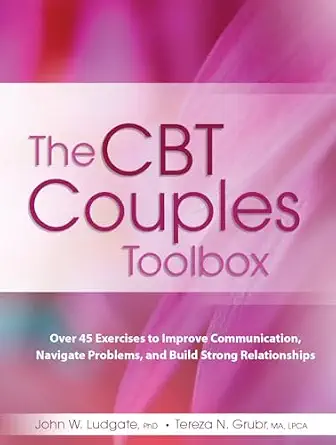 | Best Exercise-Based Program | Format: Book (exercise workbook) | Number of Exercises: Over 45 | Primary Focus: Communication, problem-solving, relationship strength | VIEW LATEST PRICE | See Our Full Breakdown |
| The Talk Book: With Six Prize-Winning Talk Tools That Strengthen Relationships and Repair Communication Breakdowns |  | Best Classic Reference | Format: Book (print/digital) | Core Framework: Six talk tools | Primary Focus: Repairing communication breakdowns | VIEW LATEST PRICE | See Our Full Breakdown |
| Love More, Fight Less: Communication Skills Every Couple Needs | 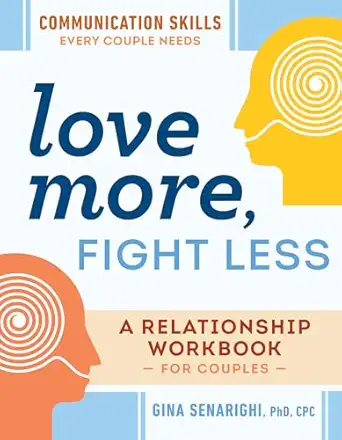 | Best for Conflict-Heavy Couples | Format: Relationship workbook | Primary Focus: Conflict reduction and communication skills | Approach: Practical exercises | VIEW LATEST PRICE | See Our Full Breakdown |
| Couples Communication Workbook: 20 Minutes a Day for 12 Days to Improve Listening, Resolve Conflicts, and Strengthen Your Relationship |  | Best Structured Program | Format: Guided workbook | Program Length: 12 days | Daily Time Commitment: 20 minutes | VIEW LATEST PRICE | See Our Full Breakdown |
| Communication Skills for Couples Made Simple: 7-Step Workbook to Build Trust, Resolve Conflicts, Master Active Listening, and Create a Fulfilling Relationship in Just 10 Minutes a Day |  | Best Low-Commitment Option | Format: Step-by-step workbook | Program Structure: 7 steps | Daily Time Commitment: 10 minutes | VIEW LATEST PRICE | See Our Full Breakdown |
| The Skin Deep Healing Edition – 199 Question Cards to Heal Strained Relationships |  | Best for Reconnecting Without a Workbook | Format: Question card deck | Number of Cards: 199 | Purpose: Heal strained relationships, improve communication | VIEW LATEST PRICE | See Our Full Breakdown |
| Communication Miracles for Couples: Easy and Effective Tools to Create More Love and Less Conflict |  | Best for Quick Daily Fixes | Format: Paperback book | Primary focus: Conflict reduction and daily communication habits | Approach: Short, easy-to-implement tools | VIEW LATEST PRICE | See Our Full Breakdown |
| Relationship Communication Skills: Talk Without Fighting, Rebuild Trust, and Deepen Intimacy with Solutions to Reconnect |  | Best for Post-Conflict Recovery | Format: Self-help book | Primary focus: Trust rebuilding, conflict reduction, intimacy | Approach: Practical strategies with reflection, not exercises | VIEW LATEST PRICE | See Our Full Breakdown |
| Communicate Your Feelings (Without Starting a Fight): What to Say and What Not to Say to Your Partner |  | Best for Script Lovers | Format: Paperback/ebook advice book | Primary focus: Expressing feelings without triggering conflict | Approach: Scripts: what to say and what not to say | VIEW LATEST PRICE | See Our Full Breakdown |
| Healthy Communication With Your Partner: Discover the Benefits of Communicating with Emotional Intelligence, Empathy & Effective Listening Skills to Turn Conflict into Connection |  | Best for the Self-Awareness Route | Format: Self-help book | Primary focus: Emotional intelligence, empathy, active listening | Approach: Skills-based reading and reflection | VIEW LATEST PRICE | See Our Full Breakdown |
| Practical At-Home Couples Therapy Workbook |  | Best Hands-On Repair Program | Format: Guided workbook | Primary focus: Communication, conflict repair, intimacy restoration | Approach: At-home therapy-style exercises | VIEW LATEST PRICE | See Our Full Breakdown |
| relationship communication tool | Format | Approach | Primary Focus |
|---|---|---|---|
| You | Book | Strategy-based guidance for AuDHD dynamics | Neurodivergent relationship communication |
| Nonviolent Communication: A La | Book | Language and mindset training | Empathetic, judgment-free communication |
| Communication Cards for Couple | Card deck | — | — |
| Communication Skills for Coupl | Book | Broad practical strategies | General couples communication |
| The CBT Couples Toolbox: Over | Book (exercise workbook) | Cognitive-behavioral therapy principles | Communication, problem-solving, relationship strength |
| The Talk Book: With Six Prize- | Book (print/digital) | Reference framework, not exercise-based | Repairing communication breakdowns |
| Love More | Relationship workbook | Practical exercises | Conflict reduction and communication skills |
| Couples Communication Workbook | Guided workbook | Daily structured exercises | Listening, conflict resolution, relationship strengthening |
| Communication Skills for Coupl | Step-by-step workbook | Guided daily exercises | Trust building, conflict resolution, active listening |
| The Skin Deep Healing Edition | Question card deck | Guided conversation prompts | — |
| Communication Miracles for Cou | Paperback book | Short, easy-to-implement tools | Conflict reduction and daily communication habits |
| Relationship Communication Ski | Self-help book | Practical strategies with reflection, not exercises | Trust rebuilding, conflict reduction, intimacy |
| Communicate Your Feelings | Paperback/ebook advice book | Scripts: what to say and what not to say | Expressing feelings without triggering conflict |
| Healthy Communication With You | Self-help book | Skills-based reading and reflection | Emotional intelligence, empathy, active listening |
| Practical At-Home Couples Ther | Guided workbook | At-home therapy-style exercises | Communication, conflict repair, intimacy restoration |
More Details on Our Top Picks
You, Me & AuDHD: Relationship Tools for Adults with Autism & ADHD
Most relationship communication books assume a neurotypical baseline, which is exactly why this one earns its spot. You, Me & AuDHD addresses the specific friction points — misread tone, executive dysfunction, sensory overload — that generic guides like Nonviolent Communication tend to gloss over. Where Marshall Rosenberg’s framework asks partners to name feelings and needs, this book acknowledges that identifying emotions in the moment can itself be a challenge for AuDHD adults, and it builds workarounds for that reality.
The tradeoff is narrowness. Couples without autism or ADHD in the mix will find more broadly applicable strategies elsewhere in this roundup, and the book functions best as a companion volume rather than a complete communication curriculum. Sparse publisher details also make it harder to preview before buying.
Pros:- Tailored specifically to AuDHD relationship dynamics rather than generic advice
- Addresses real friction points like emotional identification difficulty and sensory overload
- Helps neurotypical partners understand neurodivergent communication styles
- Fills a gap almost no mainstream couples book covers
Cons:- Too specialized to serve as a couple’s only communication resource
- Limited edition and author information makes pre-purchase research difficult
Best for: Couples where one or both partners are autistic, have ADHD, or identify as AuDHD and keep hitting the same communication breakdowns mainstream advice doesn’t fix
Not ideal for: Neurotypical couples seeking a general-purpose communication guide — the specialized focus will feel beside the point
- Format:Book
- Primary Focus:Neurodivergent relationship communication
- Target Audience:Adults with Autism and ADHD and their partners
- Core Topics:Communication, understanding, connection
- Approach:Strategy-based guidance for AuDHD dynamics
- Best Use:Standalone resource or companion to general couples books
Our verdict“A niche but valuable pick for couples whose communication struggles trace back to neurodivergence rather than bad habits.”
Nonviolent Communication: A Language of Life
This is the book nearly every other title in this roundup is quietly borrowing from. Nonviolent Communication lays out the observation-feeling-need-request method that underpins countless derivative works, including Love More, Fight Less and several of the workbooks here. Reading the source material means getting the full reasoning behind the framework rather than a condensed highlights version, and its lessons transfer beyond romance into workplaces, friendships, and family disputes.
The tradeoff is that it isn’t couple-specific. There are no partner exercises, no conflict scripts tailored to romantic arguments, and no workbook pages — readers who want a structured, do-it-together program will get more from The CBT Couples Toolbox. The prose can also feel idealistic, and applying the method under real emotional pressure takes sustained practice.
Pros:- The original source framework that many other couples books draw from
- Applies to all relationships, not just romantic ones
- Builds genuine empathy and de-escalation skills rather than surface-level scripts
- Widely referenced by therapists and communication professionals
Cons:- Not couple-focused, so it lacks shared exercises and relationship-specific scenarios
- The method requires consistent real-world practice before it feels natural
Best for: Readers who want to understand the underlying psychology of healthy communication rather than just memorize couple-specific scripts
Not ideal for: Couples wanting a hands-on workbook to complete together — this is theory and language training, not exercises
- Format:Book
- Primary Focus:Empathetic, judgment-free communication
- Core Method:Observation, feeling, need, request framework
- Target Audience:General readers; applicable to couples
- Scope:Personal and professional relationships
- Approach:Language and mindset training
Our verdict“The deepest roots in the category — buy it for the framework, not for date-night activities.”
Communication Cards for Couples Relationship After Fight, Conflict, Silence
Where every other pick in this roundup demands reading and reflection, these cards solve a narrower, more urgent problem: what to say in the hours after a fight when pride and hurt make words hard to find. With 54 prewritten honest messages, the deck acts as a pressure release valve — hand over a card instead of stumbling through an apology. Compared with The Skin Deep Healing Edition, which uses open-ended question cards for deeper conversations, this deck is built for repair, not exploration, and its pocket size makes it viable for long-distance couples or travel.
The limitations are real. Predefined messages can’t cover every situation, and a card is a starting point, not a resolution — couples with recurring serious conflict need a book like The CBT Couples Toolbox alongside it. Material and durability details are unspecified, which matters for something meant to be handled during emotional moments.
Pros:- Removes the hardest step — finding words — right after a fight
- Portable format works for long-distance relationships and travel
- Encourages emotional vulnerability through low-pressure prompts
- No reading commitment required, unlike full-length books
Cons:- Limited to 54 fixed messages that won’t fit every situation
- Not a substitute for therapy or structured communication work
- No material or durability information provided
Best for: Couples who go silent or freeze after arguments and need a low-effort, physical way to reopen the conversation
Not ideal for: Couples dealing with deep or recurring conflict — the cards open doors but can’t do the repair work themselves
- Format:Card deck
- Number of Cards:54
- Intended Use:Conflict resolution, emotional connection, relationship rebuilding
- Suitable For:Couples, long-distance relationships, newlyweds
- Portability:Compact and travel-friendly
- Material:Not specified
Our verdict“A smart supplemental tool for breaking post-argument silence, not a standalone fix for relationship problems.”
Communication Skills for Couples: Guide to Improve Communications, Resolve Conflict, Deepen Intimacy, Strengthen Marriage and Create a Healthy Relationship
This title covers the full checklist — conflict resolution, intimacy, trust — in one accessible sweep, making it a reasonable first book for couples who haven’t read anything on communication before. Compared with Nonviolent Communication, it trades depth for breadth: instead of mastering one framework thoroughly, readers get a tour of many topics, which is friendlier for reluctant readers or partners who won’t commit to a dense psychology text.
That breadth is also its weakness. Couples who’ve already read Love More, Fight Less or a structured workbook will find overlapping ground covered with less rigor, and the absence of author credentials or detailed content descriptions makes it hard to verify the expertise behind the advice. It works best as an entry point, with something like The CBT Couples Toolbox as the follow-up once specific problems surface.
Pros:- Covers the full range of common relationship issues in one volume
- Accessible for reluctant or first-time readers of self-help
- Practical, plain-language strategies rather than dense theory
- Affordable entry point into couples communication reading
Cons:- Overlaps heavily with better-known titles without a distinct method
- No author information or customer reviews to gauge credibility
Best for: Couples new to relationship books who want one affordable, wide-ranging introduction covering conflict, intimacy, and trust
Not ideal for: Readers who already know the basics or want evidence-based exercises — this repeats common ground without added depth
- Format:Book
- Primary Focus:General couples communication
- Core Topics:Conflict resolution, intimacy, marriage, trust
- Target Audience:Couples and married partners
- Approach:Broad practical strategies
- Experience Level:Beginner-friendly
Our verdict“A fine first book for communication beginners, but couples past the primer stage should skip it.”
The CBT Couples Toolbox: Over 45 Exercises to Improve Communication, Navigate Problems and Build Strong Relationships
The distinguishing feature here is structure: over 45 exercises rooted in cognitive-behavioral therapy, rather than chapters to passively read. That puts this book closer to working with a therapist’s homework assignments than to narrative guides like Communication Miracles for Couples. Compared with the Couples Communication Workbook, which spreads its program across twelve short daily sessions, this toolbox is modular — couples can pull out the exercise that matches their current problem, whether that’s stonewalling, misinterpretation, or resentment, and work it directly.
The CBT grounding means results depend on actual completion, and some exercises feel clinical rather than warm for couples hoping for a romantic shared activity. It rewards motivated pairs who will sit down and do the work; anyone wanting light reading should pick the cards or a narrative book instead.
Pros:- Over 45 discrete exercises allow a problem-by-problem approach
- Grounded in cognitive-behavioral therapy principles with a real evidence base
- Modular structure lets couples skip to relevant chapters
- Closer to guided therapy homework than typical self-help reading
Cons:- Results require sustained effort and consistent completion of exercises
- Clinical tone may feel unromantic for couples wanting a softer approach
Best for: Motivated couples who want a structured, therapist-style exercise program they can work through problem by problem
Not ideal for: Couples seeking casual or romantic shared reading — the clinical exercise format demands genuine commitment
- Format:Book (exercise workbook)
- Number of Exercises:Over 45
- Primary Focus:Communication, problem-solving, relationship strength
- Approach:Cognitive-behavioral therapy principles
- Target Audience:Couples committed to structured work
- Structure:Modular exercises selectable by issue
Our verdict“The most workbook-like pick in the roundup — ideal for couples ready to do actual work rather than just read about it.”
The Talk Book: With Six Prize-Winning Talk Tools That Strengthen Relationships and Repair Communication Breakdowns
Long before the current wave of couples workbooks, this book was distilling conversation repair into six repeatable talk tools. Unlike the exercise-driven format of Love More, Fight Less, this is a reference-style read you return to when a specific breakdown happens — say, a conversation that spiraled into defensiveness. The tools are meant to be memorized and deployed in the moment, which gives it a longer shelf life than a one-time program like the Couples Communication Workbook. The tradeoff is age: the framing and examples feel dated compared to newer releases, and there’s no structured daily practice for couples who need external accountability. This pick makes the most sense for readers who want a durable framework rather than a 12-day sprint, and who are willing to tolerate an older writing style to get it.
Pros:- Six memorable tools you can apply mid-conversation, not just in exercises
- Specifically targets repairing breakdowns, not just general improvement
- Functions as a long-term reference rather than a one-time read
- Framework-based approach works across many conflict types
Cons:- Older book with dated examples and tone compared to modern workbooks
- No guided exercises or structured program for couples who need accountability
- Limited availability of reviews makes quality hard to verify before buying
Best for: Couples who keep hitting the same recurring argument patterns and want a reference they can return to rather than a one-off program
Not ideal for: Couples who want structured daily exercises and modern examples — the reference format lacks the guided practice of newer workbooks
- Format:Book (print/digital)
- Core Framework:Six talk tools
- Primary Focus:Repairing communication breakdowns
- Approach:Reference framework, not exercise-based
- Best Use:Recurring argument patterns
- Audience:Couples and individuals
Our verdict“A durable framework pick for couples who want tools they can pull out during real arguments, provided they don’t mind an older, reference-style format.”
Love More, Fight Less: Communication Skills Every Couple Needs
Where The Talk Book teaches tools you deploy mid-argument, this workbook flips the priority: its whole structure is built around reducing conflict frequency before it starts. The exercises push couples to practice skills during calm moments so the skills hold under pressure. Compared with the Couples Communication Workbook, it’s less rigidly scheduled — there’s no 12-day clock ticking — which suits couples whose schedules don’t allow nightly sit-downs. The tradeoff is that both partners have to actively participate; this is not a book one person reads alone and secretly applies. Compared with Nonviolent Communication, which is heavier on theory, this stays practical and exercise-first. Content details are thin in listings, so buyers are trusting the publisher’s reputation here, but for couples stuck in a fight-repeat-apologize loop, that structure is exactly the intervention shape that tends to help.
Pros:- Conflict-reduction focus targets the most urgent relationship pain point
- Exercise-based format builds skills through practice, not just reading
- Flexible pacing works for couples with unpredictable schedules
- Established publisher backing suggests editorial quality control
Cons:- Requires buy-in and active participation from both partners
- Limited content details and reviews available before purchase
- Broader focus means less depth on any single skill than specialized workbooks
Best for: Couples who fight frequently and want a big-publisher workbook both partners will actually work through together
Not ideal for: Couples where only one partner is willing to do the work — the exercises lose most of their value solo
- Format:Relationship workbook
- Primary Focus:Conflict reduction and communication skills
- Approach:Practical exercises
- Pacing:Self-paced
- Participation:Both partners
- Publisher:Major trade publisher
Our verdict“The right choice for a couple whose main symptom is frequent fighting and who can commit to doing the exercises together.”
Couples Communication Workbook: 20 Minutes a Day for 12 Days to Improve Listening, Resolve Conflicts, and Strengthen Your Relationship
This is the most disciplined option in the lineup: twelve days, twenty minutes each, done. That structure is its whole selling point. Couples who buy Love More, Fight Less and never finish it often do better with a hard stop date — a program you can complete before motivation fades. The listening-first sequencing also matters: instead of jumping to conflict resolution, it front-loads the skill that makes resolution possible. Compared with the 7-Step Workbook‘s ten-minute sessions, the extra ten minutes per day allows deeper exercises, though it also raises the bar for consistency. The honest tradeoff: a 12-day streak demands a twelve-day window where both partners show up, which is precisely what busy or crisis-mode couples struggle to protect. There’s also little review history to lean on given its recent release. But if your problem isn’t knowing what to do — it’s actually doing it — this format solves that better than any theory book here.
Pros:- Defined 12-day endpoint creates momentum and a finish line
- 20-minute sessions are long enough for real exercises but still manageable
- Sequenced to build listening skills before conflict resolution
- Daily repetition builds habits better than occasional deep dives
Cons:- Requires 12 consecutive days of commitment from both partners
- New release with few reviews to validate quality
- Once finished, couples need a plan to maintain the habits
Best for: Couples who need external structure and a hard deadline to actually complete communication work together
Not ideal for: Couples in active crisis or with chaotic schedules who can’t protect a daily 20-minute window for 12 straight days
- Format:Guided workbook
- Program Length:12 days
- Daily Time Commitment:20 minutes
- Primary Focus:Listening, conflict resolution, relationship strengthening
- Approach:Daily structured exercises
- Participation:Both partners
Our verdict“The best pick for couples who finish structured programs but abandon open-ended books — the deadline is the feature.”
Communication Skills for Couples Made Simple: 7-Step Workbook to Build Trust, Resolve Conflicts, Master Active Listening, and Create a Fulfilling Relationship in Just 10 Minutes a Day
Ten minutes a day is the lowest barrier to entry in this entire roundup, and that’s not a small thing. Plenty of couples buy the 12-day, 20-minute Couples Communication Workbook with good intentions and abandon it by day four. This 7-step format trades depth for adherence — a micro-habit almost no schedule can excuse. The trust-building angle also distinguishes it: where the Couples Communication Workbook leads with listening, this one treats trust repair as an explicit outcome, which matters for couples recovering from a breach rather than just bickering. The tradeoff is compression. Ten minutes is barely enough to introduce a concept, let alone practice it, so couples with deep-seated conflict will likely outgrow it quickly. With no ratings and a thin description, there’s also quality uncertainty that bigger-title alternatives don’t carry. This option makes the most sense as an on-ramp: start here, build the habit, graduate to something heavier if it sticks.
Pros:- 10-minute daily format is the easiest commitment in the category
- Explicit trust-building focus suits post-conflict recovery
- Simple 7-step structure removes decision fatigue
- Good starter program before tackling deeper workbooks
Cons:- Sessions are too short for meaningful practice on heavy topics
- No customer ratings and minimal content details to verify quality
- Couples with entrenched problems will outgrow it fast
Best for: Busy or skeptical couples who have failed longer programs before and need the smallest possible daily commitment to get started
Not ideal for: Couples dealing with serious conflict or trust damage — 10 minutes a day won’t go deep enough to move the needle
- Format:Step-by-step workbook
- Program Structure:7 steps
- Daily Time Commitment:10 minutes
- Primary Focus:Trust building, conflict resolution, active listening
- Approach:Guided daily exercises
- Participation:Both partners
Our verdict“An on-ramp workbook for couples who need to prove to themselves they can stick with daily practice before investing in something deeper.”
The Skin Deep Healing Edition – 199 Question Cards to Heal Strained Relationships
Every other product here asks couples to work. This one asks them to talk — through 199 question cards — and that difference matters for strained relationships where “workbook” itself feels exhausting or accusatory. The card format removes the homework framing that makes partners defensive, which is why it works when a book like Love More, Fight Less would get rejected at the suggestion stage. Compared with the Communication Cards for Couples After a Fight, this set casts a wider net: it’s usable with friends and family too, not just romantic partners, and its “healing” orientation suits relationships in a quiet, damaged place rather than an active blow-up. The tradeoff is depth of method. There’s no skills training, no conflict-resolution framework — the cards open doors but don’t teach you how to walk through them. And the format only works if both people are willing to be vulnerable; one guarded participant stalls the whole deck.
Pros:- Card format feels like connection, not homework — easier to get a resistant partner on board
- 199 questions provide long-term reuse value
- Works beyond romantic partners, including friends and family
- Healing-oriented prompts suit quietly strained relationships
Cons:- Requires genuine willingness to open up from everyone playing
- No skills training or conflict-resolution method behind the questions
- Physical card format is less portable than digital workbook alternatives
Best for: Couples or family members in a strained, distant relationship who resist ‘therapy homework’ but would sit down with a deck of conversation cards
Not ideal for: Couples who need actual skills training and conflict-resolution frameworks — the cards spark conversations but teach no techniques
- Format:Question card deck
- Number of Cards:199
- Purpose:Heal strained relationships, improve communication
- Suitable For:Couples, friends, family
- Approach:Guided conversation prompts
- Skills Training:None — prompts only
Our verdict“The best choice when the real obstacle is getting a hesitant partner or family member to participate at all — just don’t expect it to teach techniques.”
Communication Miracles for Couples: Easy and Effective Tools to Create More Love and Less Conflict
Among the books in this roundup, Communication Miracles for Couples stands out for its low-effort, high-frequency approach: short tools you can apply in the middle of an ordinary Tuesday rather than a program you have to schedule. Where The CBT Couples Toolbox asks couples to work through structured exercises together, this one hands readers individual micro-skills — phrasing changes and small habits — that don’t require a partner’s cooperation to start. That’s a genuine advantage when only one person is motivated to change the dynamic. The tradeoff is depth: compared with Nonviolent Communication, the framework here is lighter and less systematic, so couples with entrenched conflict patterns may find the tools too gentle to move the needle. Still, for lowering daily friction quickly, this pick earns its place.
Pros:- Tools are simple enough to apply mid-argument, not just in theory
- Works even if only one partner reads it
- Focuses on reducing conflict rather than analyzing its origins
- Short format suits low-attention readers
Cons:- Too lightweight for deep-rooted conflict patterns
- Less rigorous framework than Nonviolent Communication
Best for: Busy couples or motivated individuals who want small, immediately usable tools to reduce everyday friction without committing to a workbook program
Not ideal for: Couples in serious conflict who need a structured, therapist-style program like the Practical At-Home Couples Therapy Workbook instead of quick tips
- Format:Paperback book
- Primary focus:Conflict reduction and daily communication habits
- Approach:Short, easy-to-implement tools
- Partner participation required:No — usable by one partner
- Time commitment:Minimal; tools applied in daily life
- Best use case:Everyday friction and recurring small arguments
- Depth level:Light; practical over theoretical
Our verdict“Buy this if you want fast, practical phrases and habits that soften daily tension; skip it if your relationship needs structured repair work.”
Relationship Communication Skills: Talk Without Fighting, Rebuild Trust, and Deepen Intimacy with Solutions to Reconnect
What separates this title from the pack is its explicit emphasis on rebuilding trust after damage — a stage most communication books treat as a footnote. Books like Love More, Fight Less teach skills to prevent fights; this one assumes the fight already happened and the connection needs repair, pairing conflict de-escalation with reconnection strategies. Compared with the Practical At-Home Couples Therapy Workbook, it’s more of a reading-and-reflecting experience than a hands-on exercise program, which makes it gentler for couples where one partner resists “homework.” The drawback: without exercises to force practice, insights can stay on the page, and readers who already own a general couples communication guide may find some overlapping generic advice in the early chapters.
Pros:- Directly addresses trust repair, not just conflict prevention
- Readable format that doesn’t require partner participation
- Covers both fighting less and reconnecting more
- Gentler entry point than structured therapy workbooks
Cons:- Early chapters overlap with generic communication advice
- Few exercises means less forced practice than workbook alternatives
Best for: Couples recovering from repeated fights or broken trust who want guidance on reconnecting, especially if one partner won’t do workbook exercises
Not ideal for: Readers who already own a broad couples communication guide and want fresh, non-overlapping content
- Format:Self-help book
- Primary focus:Trust rebuilding, conflict reduction, intimacy
- Approach:Practical strategies with reflection, not exercises
- Partner participation required:No
- Best use case:Post-conflict recovery and reconnection
- Exercise content:Minimal compared to workbook-style guides
- Depth level:Moderate; strategy-focused
Our verdict“This is the pick for couples whose problem isn’t learning to talk — it’s finding their way back to each other after things went wrong.”
Communicate Your Feelings (Without Starting a Fight): What to Say and What Not to Say to Your Partner
This book wins on specificity. Rather than teaching broad frameworks, it delivers literal scripts — what to say and, just as usefully, what not to say — which is exactly what many readers freeze up without in heated moments. Compared with Communication Miracles for Couples, which offers similar everyday tools but in a broader inspirational register, this one functions more like a phrasebook for hard conversations. That makes it the better fit for someone who understands communication theory already and just needs the words. The flip side is real: scripts can feel formulaic, and couples whose dynamic doesn’t match the book’s assumed scenarios — say, neurodivergent partnerships better served by You, Me & AuDHD — may find the phrasing awkward or inauthentic.
Pros:- Concrete phrasing instead of abstract theory
- Covers harmful phrases to avoid, not just good ones
- Easy to reference quickly before difficult conversations
- Low commitment — pick a chapter, apply tonight
Cons:- Scripts can feel formulaic if your dynamic differs from the examples
- Light on underlying causes of communication breakdown
Best for: People who know what they want to express but blank on the words during emotional conversations and want concrete phrasing
Not ideal for: Couples with neurodivergent communication styles or those who find scripted phrases unnatural
- Format:Paperback/ebook advice book
- Primary focus:Expressing feelings without triggering conflict
- Approach:Scripts: what to say and what not to say
- Partner participation required:No
- Best use case:Emotional conversations that habitually escalate
- Reference style:Quick-lookup phrase guidance
- Depth level:Practical; minimal theory
Our verdict“Choose this if you need actual sentences to say, not more theory about why communication matters.”
Healthy Communication With Your Partner: Discover the Benefits of Communicating with Emotional Intelligence, Empathy & Effective Listening Skills to Turn Conflict into Connection
Where most entries in this roundup teach techniques, this one builds inner skills — emotional intelligence, empathy, and listening — as the foundation everything else rests on. That makes it a natural complement to script-based books like Communicate Your Feelings (Without Starting a Fight): the scripts give you words, this gives you the awareness to know which words fit the moment. Its conflict-to-connection reframing also distinguishes it from prevention-focused titles like Relationship Communication Skills. The honest tradeoff is maturity: as a newer title with little established review history, it carries more purchase risk than proven classics like Nonviolent Communication, and readers wanting structure will miss the exercise-driven format of a workbook.
Pros:- Targets root skills (empathy, EQ, listening) rather than surface tactics
- Reframes conflict as a pathway to connection
- Useful solo — no partner buy-in needed
- Pairs well with script-based or workbook guides
Cons:- Limited review history makes it a riskier purchase than established classics
- No structured exercises to reinforce the concepts
Best for: Reflective readers who suspect their own emotional patterns are the bottleneck and want to build awareness before tactics
Not ideal for: Readers who want proven, well-reviewed guidance or hands-on exercises rather than skills-based reading
- Format:Self-help book
- Primary focus:Emotional intelligence, empathy, active listening
- Approach:Skills-based reading and reflection
- Partner participation required:No
- Best use case:Building self-awareness to improve partner dialogue
- Core concept:Turning conflict into connection
- Depth level:Moderate; inner-skills focused
Our verdict“Pick this if you want to work on yourself first; pair it with a script or workbook title for the complete toolkit.”
Practical At-Home Couples Therapy Workbook
This is the most demanding and most immersive option in the roundup — a workbook built around guided therapy-style exercises rather than reading. Compared with the Couples Communication Workbook, which uses a light 20-minutes-a-day structure, this goes deeper into conflict repair and intimacy restoration, making it closer to a DIY therapy experience than a habits primer. That depth is its whole value: couples who actually do the work get something a book like Communication Miracles for Couples can’t provide — structured confrontation of the issues driving disconnection. But the requirement is genuine. Both partners must participate and commit, so if one person has checked out, this workbook will sit unused on a shelf. Newer and lighter on detailed content information than established rivals, it rewards motivated couples and frustrates everyone else.
Pros:- Therapy-style structure without the therapist’s price tag
- Guided exercises force practice, not just reading
- Explicitly targets conflict repair and intimacy restoration
- Deeper than habit-based or time-boxed workbook rivals
Cons:- Requires commitment and active participation from both partners
- Less content transparency and track record than established workbooks
Best for: Committed couples who can’t access or afford therapy but will genuinely do exercises together week after week
Not ideal for: Couples where only one partner is willing to participate — the exercises require full buy-in from both people
- Format:Guided workbook
- Primary focus:Communication, conflict repair, intimacy restoration
- Approach:At-home therapy-style exercises
- Partner participation required:Yes — both partners
- Time commitment:Substantial; ongoing exercise completion
- Best use case:Serious repair work between willing partners
- Depth level:Deep; the most intensive option in this roundup
Our verdict“If both of you are all-in on repairing the relationship at home, this is the deepest tool in the lineup — otherwise it’s a shelf-decoration risk.”

How We Picked
I evaluated each tool on four buyer-relevant factors. Ease of adoption came first: a communication tool only works if both partners actually use it, so I favored options with clear, low-friction entry points — short daily commitments, grab-and-go cards, or plainly structured chapters — over dense theory that languishes on a nightstand. Method credibility was next: tools grounded in established frameworks like CBT, the Gottman research tradition, or Nonviolent Communication ranked higher than vague positivity advice.
I then scored fit for specific situations, because this category splits sharply between prevention, skill-building, and post-conflict repair — a tool that excels at one often performs poorly at another. Finally, I weighed value for money: books and card decks in this space are inexpensive, but a $15 workbook that gets finished beats a $25 deck that gets played once. The ranking rewards tools whose format genuinely matches the problem they claim to solve, and flags the tradeoffs honestly — including the weaker picks lower down the list.
Factors to Consider When Choosing Relationship Communication Tools
Before picking a specific product, it helps to understand how this category actually works — and where couples commonly go wrong when shopping for it.Match the Format to Your Real Problem
The most common buying mistake is grabbing a general-purpose communication book when the actual problem is specific. Recurring conflict patterns respond best to structured workbooks with CBT or skills-based exercises, because patterns are habits that need repetition to change. Post-argument silence and emotional distance respond better to question cards, which give both partners a low-risk way back into conversation without either person having to initiate vulnerably. Theoretical curiosity — wanting to understand why you and your partner miscommunicate — suits reference-style books. A couple who buys a workbook when what they really need is a repair tool will abandon it within a week, then conclude that communication tools don’t work. Be honest about whether you’re building skills, repairing damage, or understanding dynamics, and buy for that stage.
Honest Time Budget Beats Ambitious Programs
Every structured program in this category advertises a time commitment, and most couples overestimate what they’ll sustain. A 12-day program at 20 minutes a day sounds modest until work stress, kids, and fatigue intervene — which is why 10-minute-a-day formats consistently get finished at higher rates. The pattern I see across this category: completion matters more than depth. A lighter program both partners finish builds more goodwill than an ambitious one abandoned at day four, because quitting a couples program carries an emotional sting of its own. If either partner has ADHD or an unpredictable schedule, card decks and dip-in-and-out formats will outperform any fixed-schedule curriculum. Buy for the schedule you actually have in March, not the idealized January version.
One Partner Buying for Two Rarely Works
This is the category’s quiet failure mode: one partner, usually the one reading articles like this, purchases a tool and presents it to a reluctant spouse as homework. Tools framed as therapy assignments trigger defensiveness in a partner who feels diagnosed or blamed. Card decks sidestep this better than workbooks because they resemble a game rather than a treatment plan — several decks in this space are explicitly designed to be introduced casually. If you’re the sole motivated partner, look for tools that can be used independently first, such as books that change how you communicate regardless of participation, like the Nonviolent Communication tradition. And be suspicious of any product marketed with the implication that your partner is the problem; effective tools ask both people to adjust something.
Neurodivergence and Trauma Change the Equation
Standard couples communication advice assumes two neurotypical brains with typical emotional processing speeds — and it quietly fails when that assumption doesn’t hold. Neurodivergent couples often need tools that account for different processing styles, sensory limits, and executive-function demands, which is why a niche pick like You, Me & AuDHD can outperform better-selling general books for those pairs. Similarly, couples dealing with betrayal, grief, or long-standing resentment should treat self-help tools as complements to actual therapy, not substitutes; several workbooks here explicitly reference therapist-designed exercises for that reason. If a conversation about the relationship itself triggers shutdowns or flooding, scripted tools — cards, fill-in-the-blank exercises, written prompts — will feel safer than open-ended discussion guides. Paying attention to this single factor prevents the most expensive mistake in the category: buying the bestseller instead of the right fit.
Price, Durability, and Reusability
Almost everything here costs between $12 and $30, so price should barely influence the decision — but reusability should. Books are essentially single-use: once you’ve read and worked through them, they sit on a shelf. Card decks, by contrast, can be revisited for years, work well on vacations and date nights, and can be rotated with different questions each session, which makes their cost-per-use far lower. Workbooks sit in between — some couples redo exercises annually as a check-in ritual. Physical quality matters more for cards than books since decks get shuffled, traveled with, and handled repeatedly; flimsy card stock is a real complaint in this category. If you’re deciding between a similarly-ranked book and deck, and both fit your situation, the deck usually wins on long-term value.
Frequently Asked Questions
Do couples communication workbooks actually work, or are they just self-help fluff?
They work when two conditions are met: both partners participate, and the format fits your actual problem. Structured programs grounded in cognitive-behavioral techniques — like the CBT-based options in this roundup — have a reasonable track record for changing argument patterns because they teach specific, repeatable skills rather than vague connection talk. The catch is that a workbook is homework, and completion rates drop sharply when the format demands more time than a couple realistically has. If one partner is unmotivated, a lighter entry point such as a question card deck usually produces better results than forcing a 12-day curriculum. Think of workbooks as skill trainers, not crisis interventions — they prevent future conflict more reliably than they resolve current ones.
Card deck or workbook — which is better for a couple that fights constantly?
For a couple in active, frequent conflict, I’d point toward a repair-oriented card deck before any workbook, and the comparison in this roundup reflects that. When arguments are heated and habitual, both partners are usually in a defensive loop where any attempt to ‘talk about how we communicate’ becomes another fight. A printed question on a card carries no tone of voice, no accusation, and no demand for an immediate vulnerable response — it slows the interaction down mechanically. Workbooks shine later, once the temperature has dropped and you’re building skills to prevent the next cycle. Ideally, use the deck to re-establish safety first, then move to a structured program within a few weeks. Couples who try to start with homework during peak conflict tend to abandon both.
Can these tools replace actual couples therapy?
For mild to moderate communication friction — interrupting, avoidance, recurring petty arguments — a good workbook or structured book is often genuinely sufficient, and far cheaper than a session of therapy. The tools in this roundup become risky as substitutes when the relationship involves betrayal of trust, contempt, addiction, or any form of abuse; those situations need a professional, and several of the workbooks here say so explicitly in their introductions. A useful middle path many couples take: use a self-guided tool for a defined period, such as six to eight weeks, and treat lack of progress as a signal to escalate to a therapist rather than buying another book. Also note that self-help tools work best when both partners are voluntarily engaged — therapy has advantages precisely when motivation is lopsided. Used as a complement, these tools can also make therapy more productive by giving you shared vocabulary.
My partner won’t do couples exercises with me. Is any of this still useful?
Yes, but choose carefully, because most two-person tools become a source of resentment when one partner refuses them. Your best options are the single-reader formats: books in the Nonviolent Communication tradition and script-focused books like Communicate Your Feelings (Without Starting a Fight) teach you to change your own side of the dynamic — how you phrase complaints, when you raise issues, and how you respond to defensiveness. This is not a consolation prize; communication patterns are systems, and when one person changes their inputs consistently, the interaction often shifts. What I’d avoid is the passive-aggressive route of leaving a workbook on the coffee table or quoting exercises at your partner mid-argument. If the refusal itself is the recurring fight, that’s a topic for a therapist rather than a product.
Which format is best for neurodivergent couples, specifically ADHD or autism?
Generic communication advice tends to assume both partners process emotions at conversational speed, regulate tone intuitively, and remember agreed-upon changes — none of which is a safe assumption with ADHD or autism in the mix. For these couples, written and visual tools consistently outperform discussion-based ones: question cards give processing time, fill-in exercises externalize memory, and explicit scripts replace implied social conventions. Within this roundup, You, Me & AuDHD is the only tool built for this population, and it addresses things general books ignore, like sensory-driven irritability and asynchronous emotional processing. If that specific pick doesn’t appeal, the fallback is any structured, written, self-paced format rather than open-ended conversation prompts. Fixed daily schedules are the biggest risk for ADHD partners — flexible, dip-in formats get finished far more often.
Conclusion
After comparing all 15 tools, the lineup separates cleanly by buyer type. For best overall, The Couples Communication Workbook earns the top spot: its 12-day, 20-minute structure is demanding enough to build real skills but short enough to finish, and it covers listening and conflict in one coherent program. The best value picks are Love More, Fight Less and Communication Miracles for Couples — inexpensive, accessible skill-builders that suit couples testing whether structured communication work is for them. For best premium-style investment, The Skin Deep Healing Edition delivers the most repeatable long-term tool in the category, with 199 cards that remain useful for years, and The CBT Couples Toolbox justifies its place for couples wanting exercise depth over quick reads.
Beginners — or couples where one partner is skeptical — should start with a card deck or a light script-based book like Communicate Your Feelings (Without Starting a Fight), since low-friction formats get used. For specific needs: neurodivergent couples should go straight to You, Me & AuDHD; theory-minded readers will get the most from Nonviolent Communication; and couples specifically repairing post-fight silence will find the Conflict, Silence, and Healing Edition cards built exactly for that moment. Whatever you choose, the deciding factor is honesty about your situation and your schedule — the best relationship communication tool is simply the one both of you will actually open twice.