

Searching for effective relationship communication tools? The best options help couples express feelings, resolve conflicts, and deepen intimacy, but they vary widely in approach and complexity. The Relationship Communication Skills program stands out as the top overall pick for its comprehensive method, while the Questions for Couples Journal offers a simple, engaging way to foster connection. Other standout options like the Love More, Fight Less book focus on practical skills, but each comes with tradeoffs—some require more time, others more emotional effort. Keep reading for a detailed breakdown of these tools to find the right fit for your relationship.

Get gifts for the two of you delivered free — and shop member deals
- Fast, free delivery on millions of items
- Access to Prime Big Deal Days deals on October 6–7
- Prime Video, Amazon Music and more included
Key Takeaways
- Top tools balance practical exercises with emotional depth, helping couples develop both skills and intimacy.
- Journals and card decks are excellent for ongoing engagement, but may lack structured conflict resolution techniques found in workbooks.
- Higher-priced options often include guided therapy or expert input, suited for couples seeking a more comprehensive approach.
- Tools that focus on emotional intelligence tend to foster long-term growth, but require consistent practice to see results.
- Choosing the right tool depends on your relationship stage, commitment level, and whether you prefer structured programs or casual activities.




More Details on Our Top Picks
Relationship Communication Skills: Talk Without Fighting, Rebuild Trust, and Deepen Intimacy with Solutions to Reconnect
This self-help book stands out for providing actionable communication techniques that focus on rebuilding trust and deepening intimacy, making it a valuable resource for couples facing recurring conflicts. Compared with the Love More, Fight Less workbook, it emphasizes long-term relationship rebuilding rather than immediate conflict resolution. Its straightforward approach offers tangible solutions but might lack the interactive exercises some couples prefer for skill-building. While effective for couples willing to invest time, it doesn’t include interactive tools or structured activities. This pick makes the most sense for couples seeking a guide to improve their emotional connection without relying on external tools or games.
Pros:- Provides practical communication strategies that are easy to implement
- Focuses on rebuilding trust and deepening emotional intimacy
- Useful for couples seeking long-term relationship improvement
Cons:- No detailed content previews or reviews available for validation
- Requires time and effort to see meaningful results
- Lacks interactive exercises or structured activities
Best for: Couples looking for practical, trust-focused communication strategies to reconnect and rebuild intimacy.
Not ideal for: Those seeking an interactive or game-based approach, as this book offers primarily written guidance without engaging activities.
- Format:Self-help book
- Pages:Not specified
- Focus:Communication, Trust, Intimacy
Our verdict“This book is best suited for couples dedicated to applying practical strategies for trust and intimacy without relying on external tools.”
Questions for Couples Journal: 400 Questions to Enjoy, Reflect, and Connect with Your Partner, Grow Closer & Build a Strong Partnership
This journal makes the list for its extensive collection of 400 questions designed to spark meaningful dialogue and foster emotional closeness. Unlike the BestSelf Intimacy Deck, which emphasizes real-time conversations through cards, this journal encourages ongoing reflection and deeper understanding through written prompts. Its strength lies in facilitating thoughtful conversations over time, but it might lack the immediacy or spontaneity that some couples seek in a quick, engaging activity. Since it doesn’t include structured activities beyond questions, it’s ideal for couples who enjoy reflective dialogue rather than game-like interactions. This makes it perfect for long-term relationship growth through honest, ongoing reflection.
Pros:- Offers a large number of questions for ongoing engagement
- Encourages meaningful reflection and dialogue
- Suitable for couples at any stage of their relationship
Cons:- Limited to written questions without additional activities
- May not appeal to couples seeking structured or playful interaction
- Lack of information on usability or specific format
Best for: Couples who enjoy reflective, written conversations and want to deepen their understanding of each other over time.
Not ideal for: Couples seeking quick, playful activities or those who prefer physical game-based tools.
- Number of Questions:400
- Material:Not specified
- Designed in:Not specified
Our verdict“This journal is ideal for couples who prefer reflective conversations and want to deepen their emotional connection gradually.”
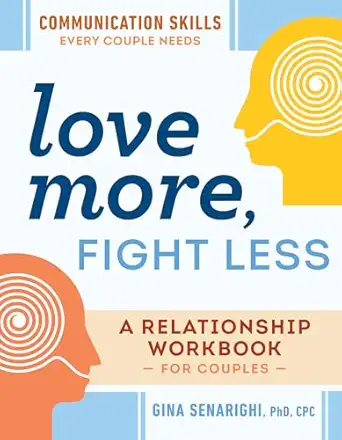
Love More, Fight Less: Communication Skills Every Couple Needs
This workbook earns its spot for offering concrete communication exercises and guidance on resolving conflicts constructively, making it a good choice for couples who want hands-on tools. Compared with the Questions for Couples Journal, which promotes reflection through questions, this book emphasizes activity and skill-building through exercises. Its focus on resolving conflicts and fostering healthier communication is valuable, but the absence of detailed specifications or reviews may leave some couples uncertain about its effectiveness. It targets couples committed to practicing new skills regularly, but those just seeking casual reading might find it less engaging. Overall, it’s a practical resource for couples ready to actively improve their relationship dynamics.
Pros:- Provides practical communication exercises
- Focuses on conflict resolution and healthier interactions
- Helps couples develop lasting communication habits
Cons:- No detailed specifications or customer reviews available
- Requires active participation, which might be demanding
- Limited information on content depth
Best for: Couples committed to practicing specific communication exercises and resolving conflicts more effectively.
Not ideal for: Those looking for a light or purely reflective approach, as this requires active participation in exercises.
- Format:Workbook
- Pages:Not specified
- Focus:Conflict resolution, Communication skills
Our verdict“This workbook is well-suited for couples seeking structured exercises to improve conflict management and communication skills.”
Communicate Your Feelings (Without Starting a Fight): What to Say and What Not to Say to Your Partner
This guide offers practical advice for expressing emotions healthily and avoiding conflicts, making it ideal for couples who struggle with emotional expression. Unlike the Love More, Fight Less workbook, which emphasizes exercises, this book concentrates specifically on language and communication strategies. Its focus on what to say and what to avoid helps couples communicate feelings without escalation, but the lack of detailed features or reviews might leave some unsure of its depth or applicability. It’s best suited for partners who need clear guidance on emotional expression but don’t require extensive interactive content. This makes it a good choice for couples seeking straightforward, emotion-focused communication tips.
Pros:- Provides practical strategies for expressing feelings
- Focuses on emotional wellness and relationship health
- Easy-to-understand advice for everyday communication
Cons:- No detailed specifications or user reviews available
- Limited to communication tips without interactive components
- May not address deeper relationship issues
Best for: Couples who want clear guidance on expressing feelings effectively and avoiding fights.
Not ideal for: Those seeking comprehensive conflict resolution strategies or interactive exercises, as this is primarily a language guide.
- Format:Guide
- Pages:Not specified
- Focus:Emotional expression, Conflict avoidance
Our verdict“This book is best for couples needing straightforward guidance on expressing feelings without conflict escalation.”
BestSelf Intimacy Deck – 170 Conversation Cards for Couples
The BestSelf Intimacy Deck stands out for offering a vibrant, physical way to foster deeper connection through 170 conversation cards. Compared with the Questions for Couples Journal, which relies on written reflection, these cards promote real-time dialogue and playful engagement, making them ideal for date nights or long-distance couples seeking variety. The high-quality card stock and attractive packaging add to its appeal, but it might not satisfy couples looking for light-hearted or casual games, since the focus is on meaningful conversations. Additionally, it requires both partners to be open and active, which could be a barrier for some. This deck makes the most sense for couples who enjoy interactive, conversation-based activities and want a durable, engaging tool for emotional growth.
Pros:- Encourages honest and meaningful conversations
- Suitable for various relationship stages and long-distance couples
- High-quality, durable design with attractive packaging
Cons:- Limited to conversation-based interaction, no physical game elements
- Requires active participation and openness from both partners
- May not appeal to couples seeking casual or non-serious activities
Best for: Couples who enjoy playful, real-time conversations and want a tangible tool to deepen their connection.
Not ideal for: Those seeking casual or purely fun, light-hearted games without a focus on meaningful dialogue.
- Number of Cards:170
- Material:Card stock
- Designed in:Austin, TX
- Brand:BestSelf Co.
- Age Range:204 months and up
- Model Number:INTIMACY01
Our verdict“This deck is ideal for couples wanting an engaging, conversation-driven experience to foster emotional intimacy and fun.”
The 5 Love Languages® Card Game
This card game stands out for transforming core relationship concepts into engaging activities. Its variety of 300 prompt cards—questions, date ideas, and quizzes—encourages couples to explore their love languages in a playful way, fostering deeper understanding and connection. Compared to the more structured approach of the Couples Therapy Workbook, this game offers spontaneity and fun, though it may feel repetitive for long-term users. Its reliance on partner participation makes it ideal for couples who enjoy interactive activities, but solo players or those in less communicative phases might find it less effective. The game’s focus on romance and fun makes it an excellent starting point for couples seeking lighthearted yet meaningful exchanges.
Pros:- Encourages meaningful conversations and deeper connection
- Includes a variety of card types to keep the game engaging
- Fun way to explore love languages and improve communication
Cons:- May require a partner to fully enjoy the game
- Some users might find the prompts repetitive over time
Best for: Couples looking for a playful, engaging way to deepen their understanding of love languages and enhance communication through fun activities.
Not ideal for: Singles or couples who prefer in-depth structured exercises, as the game lacks detailed techniques for resolving complex conflicts.
- Number of Cards:300
- Card Types:Questions, Date Ideas, Quizzes
- Recommended Age:16+
- Based on:The 5 Love Languages book by Dr. Gary Chapman
Our verdict“This game is perfect for couples seeking a lively, interactive approach to understanding each other’s love languages and boosting communication.”
Emotional Intimacy for Couples: Communication Skills, Trust-Building Habits, and Practical Tools to Deepen Connection and Strengthen Your Relationship
This book is a solid choice for couples who want actionable steps to enhance emotional intimacy beyond surface-level conversation. Unlike the Communication Skills for Couples book, which offers broad strategies, this guide emphasizes trust-building habits and practical tools that can be integrated into daily life. It’s best suited to couples willing to practice new behaviors regularly, but it lacks specific exercises or interactive components. The focus on emotional depth makes it a good fit for partners committed to long-term growth, although those seeking quick fixes might find it too detailed or slow-paced. Its strength lies in translating relationship theories into everyday habits that foster genuine closeness.
Pros:- Provides practical tools for improving emotional intimacy
- Focuses on communication and trust-building
- Suitable for couples seeking to deepen connection through everyday habits
Cons:- No specific price information available
- No customer ratings provided
- Content may require active engagement and practice
Best for: Couples seeking practical, habit-forming tools to build emotional trust and intimacy over time.
Not ideal for: Couples looking for quick, easy-to-implement solutions or those preferring structured exercises without much reading.
Our verdict“This book is ideal for couples committed to developing lasting emotional trust through practical, everyday habits.”
Communication Skills for Couples: Guide to Improve Communication, Resolve Conflict, Deepen Intimacy, and Strengthen Marriage
This book offers a comprehensive set of practical strategies for couples aiming to improve their communication and resolve conflicts effectively. Compared with the Couples Therapy Workbook, which provides guided exercises, this guide emphasizes actionable advice that can be applied directly to daily interactions. It’s well-suited for couples willing to dedicate time to improving their dialogue, but without specific content details, some may find it too broad or generic. Its focus on both conflict resolution and intimacy makes it a versatile tool, though it may require patience and effort to see meaningful changes. This pick is best for couples ready to actively work on their communication skills in everyday situations.
Pros:- Provides practical communication strategies for couples
- Helps resolve conflicts and deepen intimacy
- Aids in strengthening marriage and building healthier relationships
Cons:- No specific content details or reviews provided
- May require time and effort to see results
Best for: Couples wanting to enhance their communication skills to resolve conflicts and deepen intimacy with practical, straightforward advice.
Not ideal for: Couples seeking detailed, structured exercises or those not prepared to commit time to implementing new strategies.
Our verdict“This guide suits couples dedicated to improving their day-to-day communication and resolving conflicts with practical advice.”
Couples Therapy Workbook: 30 Guided Conversations to Re-Connect Relationships
This workbook is a practical resource for couples seeking guided, structured conversations to reconnect and improve communication. Its 30 exercises are designed to foster understanding and intimacy, making it more interactive than the Nonviolent Communication book, which offers broader principles without specific prompts. However, the workbook’s effectiveness depends heavily on the couple’s commitment to completing exercises regularly. It’s best suited to those who prefer a tangible, step-by-step approach rather than abstract concepts. While it lacks advanced tools or techniques, its straightforward format can be especially helpful for couples in need of practical conversation starters and exercises to rebuild trust.
Pros:- Provides structured conversations to enhance communication
- Helps couples reconnect and strengthen their relationship
- Practical exercises for better understanding
Cons:- No specific features or tools mentioned
- May require commitment to see results
Best for: Couples looking for a structured, guided approach to improve communication and reconnect through focused conversations.
Not ideal for: Couples who prefer self-directed reading or are not willing to commit to completing exercises regularly.
Our verdict“This workbook is ideal for couples seeking structured, guided conversations to rebuild intimacy and communication.”
Nonviolent Communication: A Language of Life
This book introduces a gentle yet powerful approach to communication that emphasizes empathy and understanding. Compared with the more interactive The 5 Love Languages Card Game, it offers foundational principles applicable in many contexts, from personal relationships to professional settings. Its focus on nonviolent language makes it suitable for individuals and couples willing to practice mindful dialogue, but it requires a time investment to master the techniques. While specific tools are not as immediately accessible as a game or workbook, the techniques foster long-term, respectful interactions. It’s especially useful for those who want to develop a more compassionate communication style that extends beyond romantic relationships.
Pros:- Provides practical tools for better communication
- Helps improve relationships and understanding
- Suitable for personal and professional growth
Cons:- No detailed specifications or content overview provided
- May require time to fully implement techniques
Best for: Individuals or couples interested in cultivating empathy and respectful dialogue in all areas of life, willing to engage with deeper principles.
Not ideal for: People seeking quick fixes or structured exercises—this requires time and practice to implement effectively.
Our verdict“This book is best for those committed to developing a compassionate, respectful communication style that benefits all relationships.”
8-Week Couples Therapy Workbook: Essential Strategies to Connect, Improve Communication, and Strengthen Your Relationship
This workbook stands out for its structured, step-by-step approach to deepening emotional intimacy over eight weeks, making it ideal for couples committed to consistent effort. Unlike the more interactive Where Should We Begin? Card Game, which emphasizes spontaneous conversation, this workbook offers tangible exercises designed for sustained growth. The main tradeoff is that it requires active participation over a set period without immediate feedback or social engagement. Its focus on practical activities makes it a strong choice for couples who prefer guided, self-paced work rather than casual play. However, the absence of detailed materials or reviews could leave some unsure about its effectiveness before starting.
Pros:- Provides clear, structured exercises for relationship enhancement
- Focuses on emotional connection and communication skills
- Suitable for couples committed to ongoing growth
Cons:- Requires significant time and active participation over eight weeks
- Lacks detailed descriptions of materials or user feedback
Best for: Couples seeking a structured, long-term program to improve communication and emotional connection.
Not ideal for: Partners looking for quick fixes or casual conversational tools, as this requires commitment and active involvement over eight weeks.
- Duration:8 weeks
- Focus:Communication, Emotional intimacy
- Format:Workbook with exercises
- Suitable for:Couples seeking structured growth
Our verdict“This workbook is best suited for couples dedicated to a disciplined, long-term approach to improving their relationship through guided exercises.”
Where Should We Begin? Card Game by Esther Perel, for Couples & Friends
This card game excels at fostering spontaneous, meaningful conversations, making it ideal for date nights or casual gatherings. Compared with the Reconnect workbook, which offers guided exercises, this game prioritizes fun and vulnerability in a portable format, perfect for on-the-go conversations. The main tradeoff is that it may not suit couples or groups seeking structured or long-term relationship development. Its design by Esther Perel ensures a focus on emotional honesty, but it requires openness from players, which might be a barrier for some. The limited number of cards and focus on immediate interaction make it less suitable for those preferring in-depth, sustained dialogue.
Pros:- Encourages meaningful, vulnerability-driven conversations
- Portable and easy to use anywhere
- Designed by a renowned relationship expert
Cons:- May not appeal to those seeking casual or light-hearted gameplay
- Requires active participation and openness from players
Best for: Couples and friends who want to spark honest conversations during date nights or social gatherings.
Not ideal for: Individuals seeking structured exercises or long-term relationship plans, as this is more about casual, spontaneous dialogue.
- Number of Cards:200
- Players:2-6
- Edition:2nd Edition
- Intended Use:Couples, Friends, Date Night
Our verdict“This game is perfect for those looking to deepen bonds through spontaneous, honest dialogue in a fun, portable format.”
Reconnect: A Marriage Counseling Workbook
This workbook provides practical, guided conversations designed to strengthen and sustain long-term marriages, making it a solid choice for couples who want ongoing improvement. Unlike the 8-Week Couples Therapy Workbook, which offers a fixed timeline, Reconnect emphasizes continual growth and understanding. Its main drawback is that it lacks detailed descriptions or reviews, which could leave potential users uncertain about its specific impact. It’s ideal for couples who are committed to working through issues gradually, but less suited for those seeking immediate or quick fixes due to its reliance on sustained effort and commitment.
Pros:- Offers structured activities for ongoing relationship growth
- Focuses on communication and understanding
- Suitable for long-term relationship improvement
Cons:- Lacks detailed context or reviews to gauge effectiveness
- Requires ongoing commitment to complete exercises
Best for: Long-term couples looking for a guided, ongoing approach to improving communication and understanding.
Not ideal for: Couples seeking quick solutions or those who prefer less structured, self-directed activities without guided exercises.
- Format:Workbook
- Focus:Communication, Understanding
- Suitable for:Long-term couples
Our verdict“This workbook is best for couples dedicated to sustained, guided efforts to strengthen their long-term relationship.”
52 Essential Emotional Intelligence Training – Relationship Skills Card Game for Empathy, Trust Building, and Communication
This card set, developed by a Harvard researcher, offers a broad approach to enhancing emotional intelligence, making it suitable for various relationship types, including couples, friends, and teams. It distinguishes itself from more focused conversation tools like Where Should We Begin? by combining cards, online courses, and assessments for a layered learning experience. The tradeoff is that it requires access to digital tools and a willingness to engage with online content, which could be a barrier for some users. Its emphasis on emotional skills makes it more comprehensive but may feel overwhelming for those seeking quick or casual interaction. Best used with some guidance or facilitation for maximum benefit.
Pros:- Builds emotional intelligence and communication skills
- Includes online assessments and courses for comprehensive learning
- Suitable for a range of relationships and settings
Cons:- Requires online access and devices
- May be more effective with guided facilitation
Best for: Individuals or couples committed to developing emotional intelligence and trust through structured, multi-modal learning.
Not ideal for: People who prefer purely face-to-face interaction or those who lack access to online resources and devices.
- Age Range:Teen – Adult
- Components:Cards, Online Assessments, Courses
- Size:3 x 4 x 1 inches
- Weight:4.94 ounces
Our verdict“This set is ideal for those wanting a deep, multi-faceted approach to emotional skills development, especially with digital support.”
Talk to Me Like I’m Someone You Love, Revised Edition: Relationship Repair in a Flash
This book offers straightforward, practical advice for repairing relationships quickly, making it suitable for couples who need immediate strategies to address conflicts or misunderstandings. Compared with the more comprehensive Reconnect workbook, which encourages ongoing work, this book delivers bite-sized techniques and insights for immediate application. Its main limitation is the lack of detailed case studies or deep explorations, which could limit its usefulness for complex or entrenched issues. It’s ideal for those seeking quick, actionable tips rather than long-term therapy or structured exercises. Its simplicity makes it accessible, but less effective for deeper, persistent problems.
Pros:- Provides practical, easy-to-apply advice
- Focuses on quick relationship repair
- Accessible and easy to read
Cons:- Lacks detailed case studies or in-depth analysis
- May not address complex or deep-rooted issues
Best for: Couples needing quick, practical strategies to repair communication and resolve conflicts on short notice.
Not ideal for: Partners looking for in-depth, long-term relationship development or detailed case analysis, as this is more about immediate fixes.
- Format:Book
- Focus:Quick relationship repair
- Ideal for:Immediate conflict resolution
Our verdict“This book is best suited for couples seeking fast, practical techniques to mend communication and resolve conflicts in the moment.”

How We Picked
We evaluated these relationship communication tools based on their practical impact, ease of use, depth of content, and suitability for different relationship stages. Priority was given to products that offer actionable strategies, promote mutual understanding, and encourage ongoing engagement. We also considered user feedback and the diversity of formats—from workbooks to card decks—to ensure options for various preferences. The ranking reflects a balance between comprehensive skill-building and accessibility, recognizing that some couples need straightforward tools, while others benefit from more intensive programs.
Factors to Consider When Choosing Relationship Communication Tools
When selecting a relationship communication tool, it’s essential to consider your specific needs, preferences, and relationship dynamics. Not every product suits every couple, so understanding key factors can guide you toward the best fit. From format to depth of content, these considerations help prevent investing in tools that might not deliver lasting value or fit your comfort level.
Format and Engagement Style
Choose a format that matches your preferred way of connecting—whether through written journals, card games, or guided workbooks. Interactive formats like card decks and games often encourage regular, low-pressure conversations, making them ideal for ongoing use. Workbooks and courses provide structured exercises that deepen understanding but may require dedicated time and emotional investment. Picking a format you feel comfortable with boosts the likelihood of consistent use and long-term benefits.
Depth of Content
Consider whether you need a quick, lighthearted activity or a comprehensive program that tackles underlying issues. Basic tools like question cards foster casual reflection, while detailed workbooks and therapy guides address deeper emotional patterns. Overly superficial tools might not lead to meaningful change, while overly intensive ones could feel overwhelming. Matching depth to your relationship’s needs helps prevent frustration and promotes genuine growth.
Ease of Use and Accessibility
Assess how user-friendly each tool is—some require minimal setup, while others involve guided sessions or learning new skills. Simpler tools can fit into busy schedules and are less intimidating for newcomers, while more complex options are better suited for couples committed to serious improvement. Think about your comfort with self-directed activities versus your openness to guided or professional help, and choose accordingly.
Cost and Value
Budget matters, but so does value. More expensive tools often include expert input or extensive resources, which can justify the investment if you’re seeking serious transformation. Cheaper options like journals or decks are accessible but may lack depth. Balance cost with your goals—if you’re just exploring, a low-cost tool may suffice; for ongoing growth, investing in a more comprehensive package might pay off in the long run.
Compatibility with Relationship Stage
Some tools are better suited for new couples looking to build foundations, while others cater to long-term partners seeking to rekindle or deepen their connection. Pay attention to the product descriptions and reviews to see which stage they target. Using a tool designed for your specific relationship phase increases the likelihood of meaningful results and prevents frustration from mismatched expectations.
Frequently Asked Questions
Can these tools replace couple therapy?
While many of these tools promote understanding and communication, they are not substitutes for professional therapy when dealing with serious issues. They can serve as excellent supplements or starting points, especially for couples new to working on their relationship. For persistent or complex problems, consulting a licensed therapist remains the most effective route to address underlying concerns and develop tailored strategies.
How often should we use these communication tools?
The optimal frequency varies based on the tool and your relationship needs. Some, like question journals or card decks, work well with daily or weekly sessions, fostering consistent connection. Workbooks or guided programs might be more effective when used weekly or biweekly, allowing time for reflection. The key is maintaining regular engagement to develop habits that reinforce your communication skills over time.
Are these tools suitable for couples experiencing conflict or crisis?
Many of these tools are designed to improve communication and prevent conflicts, making them helpful for couples in distress. However, if your relationship faces serious issues like ongoing conflict, infidelity, or emotional abuse, professional therapy should be prioritized. These tools can support healing, but they are not a substitute for specialized intervention in crisis situations.
Do I need to buy multiple tools or programs?
Not necessarily. Starting with one well-suited tool that matches your goals and comfort level can be effective. For example, a question journal or card deck may provide enough ongoing engagement for many couples. If you find value in the initial experience, supplementing with workbooks or more in-depth programs is an option. Over-investing in multiple tools at once can be overwhelming; focus on one, then expand as needed.
What should I consider if my partner is reluctant to participate?
It’s common for one partner to be hesitant, especially if communication issues are recent or deep-rooted. Choosing a low-pressure, non-confrontational tool like a question journal or card deck can ease them into participation. Emphasize that the goal is to reconnect and understand each other better, rather than fixing everything at once. Patience and gentle encouragement often lead to more engagement over time.
Conclusion
For couples seeking a comprehensive, all-in-one approach, the Relationship Communication Skills program offers thorough guidance. Those prioritizing affordability and casual engagement might find the Questions for Couples Journal or Love More, Fight Less ideal. If you’re ready for a premium, expert-supported experience, consider investing in guided workbooks like 8-Week Couples Therapy Workbook. Beginners should start with simple tools like question decks, while long-term couples aiming to deepen intimacy may prefer more detailed programs. Ultimately, selecting the right tool depends on your relationship stage, goals, and willingness to invest time and effort.
Halloween Picks
halloween
As an affiliate, we earn on qualifying purchases.