Finding the right separation anxiety books for adults requires matching your specific needs with the right therapeutic approach. For most readers, Attached by Levine and Heller remains the gold standard for understanding the root causes of anxiety in relationships. If you prefer a more structured, daily practice format, How to Heal an Anxious Attachment Style offers a practical self-therapy journal that complements theoretical knowledge. The main tradeoff in this category is between deep psychological understanding and actionable, day-to-day coping strategies. While some books explain why you feel this way, others provide the tools to manage the feeling in real time. Continue reading to see which of these eight titles aligns best with your current stage of healing.

Get gifts for the two of you delivered free with Prime
- Fast, free delivery on millions of items
- Prime Video, Amazon Music and more included
- Member-only deals all year
Key Takeaways
- Understanding attachment theory is often the first step to relieving symptoms, making theoretical books like Attached foundational even if they lack direct coping exercises.
- Workbook-style formats, such as How to Heal an Anxious Attachment Style, are superior for readers who need active engagement rather than passive reading to break habitual thought patterns.
- Books focusing specifically on separation anxiety differ from general attachment books by targeting the fear of abandonment directly, whereas attachment books address broader relationship dynamics.
- Somatic approaches, found in titles like Complete Anxious, Avoidant & Disorganized Attachment Recovery Workbook, offer a physical dimension to healing that traditional cognitive books often miss.
- The most effective resource depends on your learning style: visual and logical learners may prefer science-backed texts, while emotional processors may benefit more from guided journals.
| Separation Anxiety Disorder Care Guide: Comprehensive Guide to Managing Separation Anxiety with Calm and Clarity for Adults | 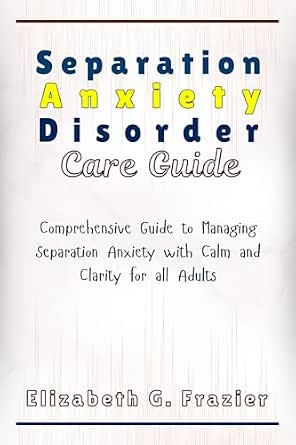 | Best for Adult Separation Anxiety Focus | Title: Separation Anxiety Disorder Care Guide: Comprehensive Guide to Managing Separation Anxiety with Calm and Clarity for Adults | ASIN: B0FTP555QH | Subject: Separation anxiety management | VIEW LATEST PRICE | See Our Full Breakdown |
| How to Heal an Anxious Attachment Style: A Self‑Therapy Journal to Conquer Anxiety & Become Secure in Relationships |  | Best for Guided Self-Reflection | Title: How to Heal an Anxious Attachment Style: A Self‑Therapy Journal to Conquer Anxiety & Become Secure in Relationships | ASIN: B0CM363ZFX | Book type: Self-therapy journal | VIEW LATEST PRICE | See Our Full Breakdown |
| Anxiously Attached: Becoming More Secure in Life and Love |  | Best for Broad Attachment Guidance | Title: Anxiously Attached: Becoming More Secure in Life and Love | ASIN: B09HR9Z3W7 | Primary topic: Anxious attachment | VIEW LATEST PRICE | See Our Full Breakdown |
| Anxiety in Relationships: Managing Stress and Building Solid Relationships |  | Best for Relationship Stress Beyond Attachment | Title: Anxiety in Relationships: Managing Stress and Building Solid Relationships | ASIN: B09SGWKZCJ | Primary topic: Anxiety in relationships | VIEW LATEST PRICE | See Our Full Breakdown |
| Break Anxious Attachment Patterns: Stop Overthinking and Reassurance-Seeking in Relationships, Overcome the Fear of Abandonment, and Feel Secure in Love |  | Best for Reassurance-Seeking and Abandonment Fears | Title: Break Anxious Attachment Patterns: Stop Overthinking and Reassurance-Seeking in Relationships, Overcome the Fear of Abandonment, and Feel Secure in Love | ASIN: B0H8ZQCDJ9 | Format: Book | VIEW LATEST PRICE | See Our Full Breakdown |
| Attached: The New Science of Adult Attachment and How It Can Help You Find and Keep Love |  | Best for Understanding Relationship Patterns | Format: Book | Subject: Adult attachment | Focus: Attachment styles in romantic relationships | VIEW LATEST PRICE | See Our Full Breakdown |
| A Comprehensive Guide to Separation Anxiety for Adults | 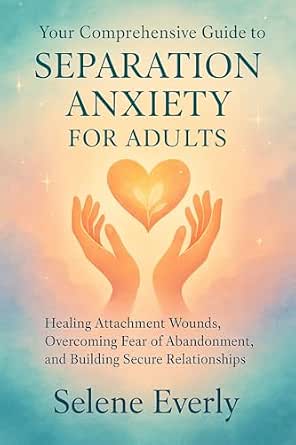 | Best for Directly Addressing Adult Separation Anxiety | Format: Not specified | Subject: Adult separation anxiety | Focus: Healing attachment wounds and fear of abandonment | VIEW LATEST PRICE | See Our Full Breakdown |
| Complete Anxious, Avoidant & Disorganized Attachment Recovery Workbook with Somatic Therapy |  | Best for Short, Structured Practice | Format: Guided workbook | Approach: Somatic therapy techniques | Exercise schedule: Daily | VIEW LATEST PRICE | See Our Full Breakdown |
| separation anxiety books for adult | ASIN | Format | Title | Focus |
|---|---|---|---|---|
| Separation Anxiety Disorder Ca | B0FTP555QH | — | Separation Anxiety Disorder Care Guide: Comprehensive Guide to Managing Separation Anxiety with Calm and Clarity for Adults | — |
| How to Heal an Anxious Attachm | B0CM363ZFX | — | How to Heal an Anxious Attachment Style: A Self‑Therapy Journal to Conquer Anxiety & Become Secure in Relationships | Relationship anxiety and developing greater security |
| Anxiously Attached: Becoming M | B09HR9Z3W7 | Book | Anxiously Attached: Becoming More Secure in Life and Love | Developing more secure patterns |
| Anxiety in Relationships: Mana | B09SGWKZCJ | Book | Anxiety in Relationships: Managing Stress and Building Solid Relationships | — |
| Break Anxious Attachment Patte | B0H8ZQCDJ9 | Book | Break Anxious Attachment Patterns: Stop Overthinking and Reassurance-Seeking in Relationships, Overcome the Fear of Abandonment, and Feel Secure in Love | — |
| Attached: The New Science of A | 1585429139 | Book | — | Attachment styles in romantic relationships |
| A Comprehensive Guide to Separ | B0F9YVS91Y | Not specified | — | Healing attachment wounds and fear of abandonment |
| Complete Anxious | B0GKYFBPGQ | Guided workbook | — | — |
More Details on Our Top Picks
Separation Anxiety Disorder Care Guide: Comprehensive Guide to Managing Separation Anxiety with Calm and Clarity for Adults
Separation anxiety in adults is this book’s central subject, making it the most directly matched choice here for readers whose distress centers on being apart from a person or support figure. Its description promises practical management strategies and a calm-and-clarity approach, unlike How to Heal an Anxious Attachment Style, which is framed around relationship patterns and guided journaling. That focus may help readers avoid a broader attachment discussion when they want material aimed specifically at separation anxiety. The tradeoff is limited detail about the methods: the available description does not identify exercises, clinical framework, author credentials, or format. I’d choose it for its topic alignment, but readers seeking a clearly described workbook or a well-specified therapeutic approach may prefer another option.
Pros:- Specifically tailored to adults with separation anxiety
- Promises practical strategies for managing symptoms
- Emphasizes calm and clarity rather than relationship advice alone
Cons:- The available description does not explain its methods or exercises
- Author credentials are not provided in the supplied product information
- Format is not specified
Best for: Adults looking for a guide specifically framed around managing separation anxiety rather than general relationship insecurity
Not ideal for: Readers who want confirmed author credentials, a clearly described therapeutic method, or details about whether the book includes exercises
- Title:Separation Anxiety Disorder Care Guide: Comprehensive Guide to Managing Separation Anxiety with Calm and Clarity for Adults
- ASIN:B0FTP555QH
- Subject:Separation anxiety management
- Intended audience:Adults
- Approach described:Practical advice and techniques
- Stated emphasis:Calm and clarity
Our verdict“Choose this when adult separation anxiety is your main concern and you are comfortable with limited detail about the book’s approach.”
How to Heal an Anxious Attachment Style: A Self‑Therapy Journal to Conquer Anxiety & Become Secure in Relationships
Structured prompts and exercises give this journal a more hands-on format than Separation Anxiety Disorder Care Guide, whose description promises strategies but does not specify activities. Its focus is anxious attachment: readers can use reflection to notice relationship triggers and patterns that may overlap with fear of separation, though it is not presented as a dedicated adult separation-anxiety guide. That distinction matters if your anxiety is not limited to romantic relationships or attachment concerns. The journal’s step-by-step framing may suit someone who wants regular written practice, but readers who prefer explanatory reading may find prompts less satisfying. The product information also cautions that self-guided work may not be enough for severe anxiety, so I’d treat it as a reflection tool rather than a substitute for professional support.
Pros:- Uses structured prompts and exercises for active self-reflection
- Targets anxious attachment behaviors and relationship anxiety
- A journal format can support a regular personal practice
Cons:- Its attachment focus is narrower than adult separation anxiety as a whole
- Self-guided journaling may not provide enough support for severe anxiety
- The supplied information does not specify the therapeutic techniques used
Best for: Adults who want a prompt-led daily practice to examine anxious attachment and relationship anxiety
Not ideal for: Readers seeking a focused guide to adult separation anxiety outside relationship or attachment patterns, or those needing support for severe anxiety
- Title:How to Heal an Anxious Attachment Style: A Self‑Therapy Journal to Conquer Anxiety & Become Secure in Relationships
- ASIN:B0CM363ZFX
- Book type:Self-therapy journal
- Primary topic:Anxious attachment
- Focus:Relationship anxiety and developing greater security
- Activities described:Structured prompts and exercises
Our verdict“Pick this if written exercises appeal to you and your separation fears are closely tied to anxious attachment in relationships.”
Anxiously Attached: Becoming More Secure in Life and Love
Life and love, not separation anxiety alone, define this book’s scope. It is aimed at readers who want to develop more secure patterns across personal relationships and daily life, which may speak to the attachment fears behind some separation distress. Compared with How to Heal an Anxious Attachment Style, this option is described as a general guide rather than a self-therapy journal with specified prompts, so it may suit readers who prefer guidance over written exercises. The limitation is that the supplied information gives little detail about its structure, techniques, or how directly it addresses adult separation anxiety. I’d place it behind the more specifically focused separation-anxiety guide for readers whose main need is that condition, but it may be a better fit when broader relationship security is the goal.
Pros:- Addresses anxious attachment in both relationships and daily life
- Focuses on developing more secure patterns
- Offers a broader frame than a journal limited to written reflection
Cons:- The supplied description provides few details about its approach
- Adult separation anxiety is not identified as its sole focus
- The available information does not specify exercises or a particular method
Best for: Adults who connect separation fears with recurring anxious attachment patterns across relationships and daily life
Not ideal for: Readers who need a clearly described separation-anxiety program, guided journal prompts, or detailed information about the book’s methods
- Title:Anxiously Attached: Becoming More Secure in Life and Love
- ASIN:B09HR9Z3W7
- Primary topic:Anxious attachment
- Focus:Developing more secure patterns
- Areas covered:Personal relationships and daily life
- Format:Book
Our verdict“Choose this for a broad discussion of anxious attachment and security, not for a clearly outlined separation-anxiety workbook.”
Anxiety in Relationships: Managing Stress and Building Solid Relationships
Its wider relationship-anxiety scope sets this book apart from the attachment-centered picks. The description says it covers adult separation anxiety alongside stress management, stronger relationships, and social anxiety, which may appeal to readers juggling several kinds of interpersonal worry. Compared with Anxiously Attached: Becoming More Secure in Life and Love, it is presented as broader in the types of anxiety addressed, rather than centered on attachment patterns. That breadth is also the main tradeoff: the supplied information does not show how much space separation anxiety receives or what strategies the book uses for it. I’d choose this when relationship stress is the larger concern and separation anxiety is one part of it; readers wanting a dedicated, clearly detailed separation-anxiety resource may prefer the first pick.
Pros:- Includes adult separation anxiety as a stated topic
- Also addresses relationship stress and social anxiety
- Connects anxiety management with building stronger relationships
Cons:- The supplied description does not clarify how extensively separation anxiety is covered
- No specific exercises or management methods are described
- The broad scope may offer less depth on any one anxiety pattern
Best for: Adults whose separation fears occur alongside relationship stress or social anxiety and who want a broader topic range
Not ideal for: Readers looking for a dedicated adult separation-anxiety guide with a clearly described set of exercises or techniques
- Title:Anxiety in Relationships: Managing Stress and Building Solid Relationships
- ASIN:B09SGWKZCJ
- Primary topic:Anxiety in relationships
- Additional topics:Adult separation anxiety and social anxiety
- Stated focus:Managing stress and building stronger relationships
- Format:Book
Our verdict“This is a fit for readers facing several forms of relationship-related anxiety, but not those seeking a narrowly focused separation-anxiety guide.”
Break Anxious Attachment Patterns: Stop Overthinking and Reassurance-Seeking in Relationships, Overcome the Fear of Abandonment, and Feel Secure in Love
Overthinking, reassurance-seeking, and fear of abandonment give this guide the most behavior-specific angle in the attachment group. Those patterns can overlap with separation anxiety, but the book is framed around security in romantic relationships rather than adult separation anxiety across settings. Compared with Anxiety in Relationships: Managing Stress and Building Solid Relationships, it appears more targeted: the other book spans relationship stress and social anxiety, while this one names particular habits readers may want to change. The description promises actionable steps, though it does not identify the author’s credentials or explain the method behind them. I’d choose it if reassurance loops are a central problem; readers who want a guided journal may prefer How to Heal an Anxious Attachment Style, while those needing condition-specific coverage may want the Separation Anxiety Disorder Care Guide.
Pros:- Names specific patterns including overthinking and reassurance-seeking
- Directly addresses fear of abandonment
- Promises actionable steps toward feeling more secure in relationships
- Clearly identified as a book about psychology and relationships
Cons:- Focuses on relationship attachment rather than separation anxiety across life situations
- The supplied information does not describe the author’s credentials or method
- No specific exercises or format beyond book are detailed
Best for: Adults whose separation-related distress shows up as repeated reassurance-seeking, overthinking, or fear of abandonment in romantic relationships
Not ideal for: Readers seeking a broad adult separation-anxiety resource, a journal format, or information about the author’s qualifications and method
- Title:Break Anxious Attachment Patterns: Stop Overthinking and Reassurance-Seeking in Relationships, Overcome the Fear of Abandonment, and Feel Secure in Love
- ASIN:B0H8ZQCDJ9
- Format:Book
- Topic:Psychology/Relationships
- Primary focus:Breaking anxious attachment patterns
- Behaviors addressed:Overthinking and reassurance-seeking
- Related concern:Fear of abandonment
- Stated goal:Feeling secure in love
Our verdict“Choose this if relationship-based reassurance-seeking and abandonment fears are your main concerns, rather than separation anxiety in a broader sense.”
Attached: The New Science of Adult Attachment and How It Can Help You Find and Keep Love
Attached is the strongest fit here for readers who want to understand how adult attachment styles can shape romantic relationships, including fears that may surface when partners are apart. Its emphasis on attachment concepts and relationship guidance gives it a broader relationship lens than A Comprehensive Guide to Separation Anxiety for Adults, which is framed directly around separation anxiety and abandonment fears. That breadth is useful if you want to connect your distress to recurring relationship dynamics, rather than focus only on separation itself. The tradeoff is that the supplied description does not indicate a dedicated separation-anxiety program or step-by-step exercises. Compared with the daily practice format of Complete Anxious, Avoidant & Disorganized Attachment Recovery Workbook with Somatic Therapy, this is better suited to learning and reflection than structured daily work.
Pros:- Explains adult attachment in the context of romantic relationships
- Connects attachment patterns with finding and maintaining love
- Offers a broader relationship framework than a separation-only guide
Cons:- The supplied description does not specify dedicated exercises or worksheets
- Its broad relationship focus may not address separation anxiety in depth
- Readers wanting a direct guide to healing abandonment fears may prefer A Comprehensive Guide to Separation Anxiety for Adults
Best for: Adults who want an attachment-based explanation of romantic relationship patterns and how those patterns affect their fear of separation
Not ideal for: Readers seeking a separation-anxiety-specific plan, guided daily exercises, or a workbook format
- Format:Book
- Subject:Adult attachment
- Focus:Attachment styles in romantic relationships
- Purpose:Guidance for finding and maintaining love
- Audience:Adults
- ASIN:1585429139
Our verdict“Choose this for a relationship-focused introduction to adult attachment, but pick a separation-specific guide if fear of being apart is your main concern.”
A Comprehensive Guide to Separation Anxiety for Adults
A Comprehensive Guide to Separation Anxiety for Adults earns its place by naming the problem directly: adult separation anxiety, fear of abandonment, and the work of building secure relationships. That makes it a more targeted starting point than Attached, whose supplied description covers adult attachment and romantic relationships more broadly. It also appears less exercise-led than Complete Anxious, Avoidant & Disorganized Attachment Recovery Workbook with Somatic Therapy, which specifies short daily practices and somatic techniques. The focused scope may help readers who want the subject of separation anxiety kept front and center, but the available product details do not describe its methods, chapter structure, or specific exercises. I would choose it for direct thematic relevance, while readers who need clearly described daily activities may prefer the workbook.
Pros:- Centers adult separation anxiety rather than treating it as a side topic
- Addresses healing attachment wounds and fear of abandonment
- Includes building secure relationships as a stated focus
Cons:- The supplied description does not specify exercises or a step-by-step method
- No format or other technical details are provided
- Its direct focus may be narrower than Attached for readers exploring broader relationship patterns
Best for: Adults whose main concern is separation anxiety or fear of abandonment and who want guidance centered on building secure relationships
Not ideal for: Readers who need a clearly described workbook, short daily exercises, or detailed information about the book’s methods before choosing
- Format:Not specified
- Subject:Adult separation anxiety
- Focus:Healing attachment wounds and fear of abandonment
- Relationship goal:Building secure relationships
- Audience:Adults
- ASIN:B0F9YVS91Y
Our verdict“Pick this when adult separation anxiety and abandonment fears are your main concerns, and choose the workbook if you want defined daily practice.”
Complete Anxious, Avoidant & Disorganized Attachment Recovery Workbook with Somatic Therapy
This workbook is the most practice-oriented option in this group: it pairs daily 10-minute exercises with somatic therapy techniques and covers anxious, avoidant, and disorganized attachment patterns. That structure gives readers a concrete routine, unlike Attached, which is described as a book about attachment science and relationship guidance rather than daily exercises. It also covers more attachment styles than A Comprehensive Guide to Separation Anxiety for Adults, though that guide is more directly centered on separation anxiety and abandonment fears. The workbook’s main tradeoff is depth: its brief daily format may not satisfy readers looking for extended therapeutic discussion or a detailed separation-anxiety-specific approach. It makes most sense for people who want manageable practice tied to relationship skills and emotional resilience.
Pros:- Provides structured daily exercises designed to take 10 minutes
- Includes somatic therapy techniques
- Addresses anxious, avoidant, and disorganized attachment styles
- Links attachment work with relationship building and emotional resilience
Cons:- Brief exercises may lack the depth some readers want from therapeutic guidance
- Its broad attachment focus is less specific to separation anxiety than A Comprehensive Guide to Separation Anxiety for Adults
- The supplied description does not specify the total program length or workbook format details beyond its guided exercises
Best for: Adults who want brief, repeatable exercises for working on insecure attachment patterns and building healthier relationships
Not ideal for: Readers seeking extensive therapeutic explanation or a resource devoted specifically to adult separation anxiety
- Format:Guided workbook
- Approach:Somatic therapy techniques
- Exercise schedule:Daily
- Exercise duration:10 minutes
- Attachment styles covered:Anxious, avoidant, and disorganized
- Stated goals:Reduce overthinking, build loving relationships, and foster emotional resilience
- ASIN:B0GKYFBPGQ
Our verdict“Choose this for short, structured attachment practice across several styles, but opt for a separation-anxiety-specific guide if that is your central need.”

How We Picked
I evaluated these titles based on three primary criteria: clinical relevance, practical applicability, and accessibility for an adult audience. First, I assessed whether the content aligns with established psychological frameworks, particularly attachment theory and cognitive-behavioral techniques. Books that offered vague self-help advice without grounding in these principles were excluded. Second, I looked for actionable takeaways. A book is only useful if it provides exercises, scripts, or frameworks that a reader can apply during moments of high anxiety. Third, I considered the tone and readability. Many psychology books are dense; I prioritized those that translate complex concepts into clear, empathetic language suitable for someone in distress.
The ranking reflects a balance between understanding the ‘why’ and managing the ‘how.’ Titles that bridge both gaps, offering theory alongside actionable steps, are ranked higher. However, I also included specialized picks for readers who know they need a specific format, such as a journal or a somatic workbook, acknowledging that one size does not fit all in mental health recovery.
| separation anxiety books for adult | Title | Focus | Format |
|---|---|---|---|
| Separation Anxiety Disorder Ca | Separation Anxiety Disorder Care Guide: Comprehensive Guide to Managing Separation Anxiety with Calm and Clarity for Adults | — | — |
| How to Heal an Anxious Attachm | How to Heal an Anxious Attachment Style: A Self‑Therapy Journal to Conquer Anxiety & Become Secure in Relationships | Relationship anxiety and developing greater security | — |
| Anxiously Attached: Becoming M | Anxiously Attached: Becoming More Secure in Life and Love | Developing more secure patterns | Book |
| Anxiety in Relationships: Mana | Anxiety in Relationships: Managing Stress and Building Solid Relationships | — | Book |
| Break Anxious Attachment Patte | Break Anxious Attachment Patterns: Stop Overthinking and Reassurance-Seeking in Relationships, Overcome the Fear of Abandonment, and Feel Secure in Love | — | Book |
| Attached: The New Science of A | — | Attachment styles in romantic relationships | Book |
| A Comprehensive Guide to Separ | — | Healing attachment wounds and fear of abandonment | Not specified |
| Complete Anxious | — | — | Guided workbook |
Factors to Consider When Choosing Separation Anxiety Books For Adults
Choosing a book for separation anxiety is not just about selecting the highest-rated title; it is about matching the format to your current emotional capacity and learning style. Here are the factors that should drive your decision.
Theory Versus Action
One of the biggest mistakes buyers make is assuming all anxiety books are the same. Some are heavy on psychological theory, explaining the neurological and evolutionary roots of attachment styles. Others are purely practical, offering checklists and journal prompts. If you are in the acute phase of anxiety, a dense theory book might feel overwhelming or dismissive of your immediate pain. Conversely, if you already understand the basics, a simple workbook might feel shallow. Identify whether you need to understand the mechanism of your anxiety first, or if you need immediate tools to cope. This distinction determines whether you should start with a foundational text or a workbook.
Specificity of the Problem
Separation anxiety in adults often overlaps with general relationship anxiety, but they are not identical. Some books address general attachment insecurity, which includes fears of rejection and conflict avoidance. Others target the specific panic response triggered by physical distance or perceived abandonment. If your primary trigger is being alone for the weekend or your partner traveling, look for titles that explicitly address separation scenarios. Books with ‘Separation Anxiety’ in the title often provide specific protocols for these events, whereas general attachment books provide broader relationship repair strategies. Knowing your specific trigger helps you avoid buying a book that solves a problem you do not have.
Format and Engagement Level
Reading is passive; healing often requires active participation. Workbook formats demand that you write, reflect, and sometimes complete exercises between sessions. This can be difficult if you are experiencing high levels of anxiety, as it requires mental energy. However, active engagement is often more effective for long-term change than passive reading. If you struggle with focus or feel paralyzed by the task of writing, a narrative-driven book might be more accessible. Consider your current mental bandwidth. If you have the capacity for homework, a workbook is more likely to produce lasting change. If you need comfort and validation first, a narrative book is the better starting point.
Somatic and Cognitive Balance
Traditional self-help books focus almost exclusively on cognitive reframing—changing how you think. However, separation anxiety is a physiological response involving the nervous system. Books that incorporate somatic therapy techniques address the physical symptoms of anxiety, such as racing hearts or shallow breathing. These titles are often better suited for readers who feel ‘stuck’ despite understanding the psychological reasons behind their behavior. If you find that knowing the logic behind your fear does not stop the physical panic, prioritize books that include body-based exercises. This holistic approach addresses the mind-body connection that purely cognitive books often ignore.
Author Credibility and Approach
Not all authors are licensed clinicians. Some are researchers, while others are coaches or individuals sharing personal experiences. Clinical backing often adds a layer of reliability to the advice, particularly for severe anxiety. However, personal narratives can provide a sense of validation that clinical texts sometimes lack. Determine if you need medical-grade advice or if you are looking for relatability and shared experience. If your anxiety interferes with daily functioning, prioritize authors with clinical credentials. If you are looking for understanding and community, a memoir-style or coach-led book might resonate more deeply.
Frequently Asked Questions
Can reading a book actually cure separation anxiety, or do I need therapy?
Books are powerful tools for education and self-regulation, but they are rarely a complete replacement for therapy if your anxiety is severe. Reading helps you understand the mechanisms of your attachment style and provides tools for self-soothing. However, if your anxiety stems from deep-seated trauma or significantly impairs your daily life, professional guidance is often necessary to process those roots safely. Many people find that books work best as a complement to therapy, offering structure and homework between sessions. Use books to build self-awareness, but do not hesitate to seek professional help if you feel overwhelmed.
Is it better to start with ‘Attached’ or a specific separation anxiety guide?
It depends on your current level of insight. If you are new to the concept of attachment theory and do not understand why you react this way, starting with Attached is usually better because it provides the foundational language and framework. Once you understand your attachment style, a specific separation anxiety guide can help you apply that knowledge to your specific triggers. If you already know you have an anxious attachment style and just need coping mechanisms for being apart, skip the theory and go straight to a workbook or specific guide. Matching the book to your knowledge level prevents frustration.
How do I know if a book is based on pseudoscience or real psychology?
Look for references to established theories like Attachment Theory (Bowlby/Ainsworth) or Cognitive Behavioral Therapy (CBT). Authors who cite peer-reviewed studies or have credentials in psychology are generally more reliable. Be wary of books that promise instant cures or claim to have discovered a ‘secret’ method unknown to the scientific community. Real psychological healing is gradual and evidence-based. Check the author’s biography for clinical licensure or academic background. If a book relies solely on anecdotal evidence without referencing broader psychological principles, approach it with caution.
Are workbooks effective if I don’t have time to do the exercises?
Workbooks are designed for active participation, so if you do not engage with the exercises, you will miss the majority of the benefit. Reading a workbook like a novel often leads to a superficial understanding that fades quickly. If you lack the time or energy for structured exercises, it is better to choose a narrative-based book that offers insights through storytelling and explanation. You can always return to a workbook later when you have more bandwidth. Consistency with a lighter format is more valuable than inconsistent engagement with a heavier one.
Can these books help if my partner has an avoidant attachment style?
Yes, understanding your own anxious attachment is the first step in navigating a relationship with an avoidant partner. These books help you recognize that your partner’s need for space is not a rejection of you, which can lower your immediate anxiety. They also teach you how to communicate your needs without triggering your partner’s withdrawal. However, remember that you cannot change your partner through reading alone; you can only change your response. Look for books that specifically address the anxious-avoidant trap, as these provide scripts and strategies for this specific dynamic.
Conclusion
Choosing the right resource depends on whether you need foundational knowledge, practical tools, or a holistic approach. For most adults, Attached is the Best Overall pick because it provides the essential framework for understanding relationship dynamics. If you are looking for Best Value and immediate action, How to Heal an Anxious Attachment Style offers a cost-effective, structured path to self-improvement. For those seeking a Best Premium experience with a deeper, more comprehensive clinical perspective, Separation Anxiety Disorder Care Guide stands out for its thoroughness. Best for Beginners who feel overwhelmed by dense text should start with Anxiously Attached, which balances science with accessible language. Finally, if your anxiety is deeply physical or trauma-based, the Complete Anxious, Avoidant & Disorganized Attachment Recovery Workbook is the Best for Specific Needs, offering somatic techniques that cognitive books lack. Select the option that matches your current capacity and specific triggers to maximize your progress.
Halloween Picks

10 ft Halloween Inflatable Archway – Pumpkin, Skeleton & Candy Yard Décor

Spirit Halloween 4 ft 7 in Sitting Scarecrow Animatronic

Haunted Hill Farm 2-Ft. Zombie Raccoon Halloween Animatronic
As an affiliate, we earn on qualifying purchases.