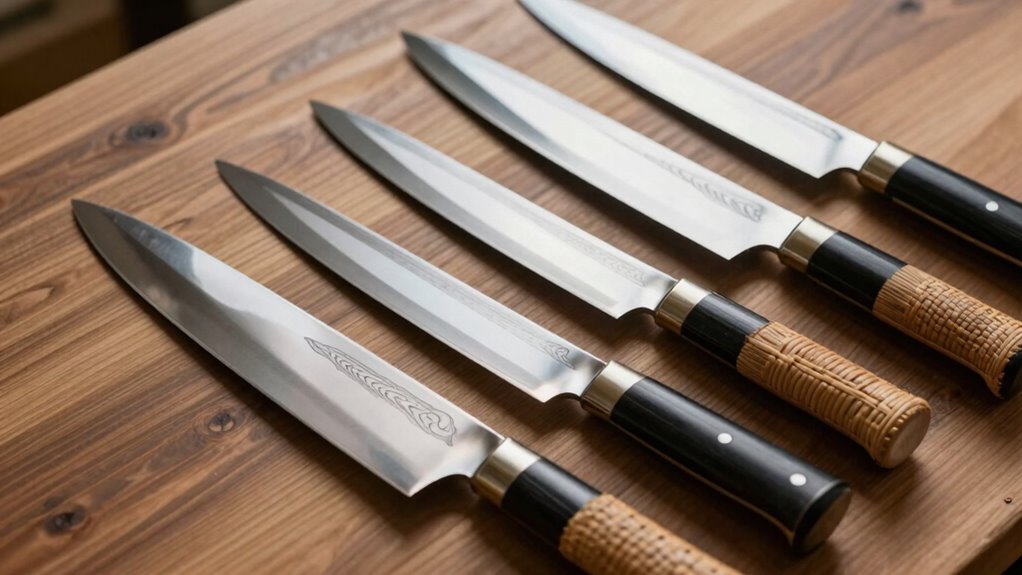

Traditional Japanese knives are renowned for their exceptional craftsmanship, sharpness, and precision. The Santoku Knife Classic stands out as the best overall for its versatility and quality, while the Tojiro Professional Chef Knife offers a premium hand-made option. The SHANGDAO Sushi Knife Set is ideal for those focused on sushi preparation, but choosing the right knife involves balancing factors like steel quality, edge retention, and handle comfort. Many buyers face tough tradeoffs between price and craftsmanship, durability and precision. Continue reading for a detailed breakdown of the top options and what makes each unique.

Get gifts for the two of you delivered free with Prime
- Fast, free delivery on millions of items
- Prime Video, Amazon Music and more included
- Member-only deals all year
Key Takeaways
- High-quality steel, especially VG10 and AUS-8, is a common trait among the best knives for edge retention.
- The best value picks often combine good performance with more affordable materials and construction.
- Specialty knives like yanagiba and nakiri serve specific tasks and may not suit all users’ needs.
- Hand-forged construction and traditional craftsmanship are key differentiators for premium options.
- Handle material and balance significantly impact comfort and control for extended use.


| traditional japanese knife | Handle Material | Blade Length |
|---|---|---|
| Santoku Knife Classic | Stainless steel | — |
| Traditional Japanese Professio | Rosewood | — |
| SHANGDAO Japanese Kitchen Knif | Solid rosewood | — |
| Japanese Chef Knife Set 3 Pcs | Stabilized wood and ocean-blue resin | — |
| TONMA Chef Knife | Pakkawood | 8.2 inches |
| JapanBargain Japanese Yanagiba | Wood | 10.5 inches |
| KAI Seki Magoroku Watakake Nak | — | 165mm |
| Kakuse Koumei Nakamua Japanese | — | — |
| Tojiro Japan Professional Chef | — | 8.2 inches (21cm) |
| KAWAHIRO 8.27" Japanese Kirits | — | 8.27 inches |
| Traditional Japanese Professio | Rosewood | 8 inches |
More Details on Our Top Picks
Santoku Knife Classic, Japanese Kitchen Knife, Made in Japan
This santoku knife excels in everyday kitchen tasks, combining Japanese craftsmanship with a lightweight, balanced design. Compared with the more specialized SHANGDAO set, it offers greater flexibility for vegetables, meat, and fish, making it ideal for home cooks who want a reliable all-rounder. Its seamless stainless steel handle enhances hygiene and ease of cleaning, but it’s potentially more delicate if not cared for properly. This makes it a solid choice for those seeking a versatile knife that can handle multiple ingredients efficiently.
Pros:- High-quality Japanese craftsmanship ensures durability and sharpness
- Versatile for vegetables, meat, and fish
- Lightweight and well-balanced for comfortable handling
Cons:- Potentially delicate blade if not maintained properly
- Lacks the specialized edge of a dedicated sashimi or filleting knife
Best for: Home cooks who need a single, reliable all-purpose knife for various ingredients
Not ideal for: Professional chefs or enthusiasts who prefer specialized blades for sushi or filleting, as this knife’s versatility may sacrifice some precision
- Handle Material:Stainless steel
- Made in:Japan
- Blade Type:Santoku
- Use:Vegetables, meat, fish
Our verdict“This santoku is best suited for home cooks seeking a versatile, easy-to-handle Japanese knife for daily use.”
Traditional Japanese Professional Kitchen Chef Knife Set
This 4-piece Japanese knife set offers a comprehensive range of blades, including a Gyuto, Santoku, Nakiri, and Petty, crafted from durable 420HC stainless steel. Compared with the more specialized SHANGDAO set, it provides versatility across many kitchen tasks, making it a practical choice for those starting out or upgrading their collection. The full-tang rosewood handles add a touch of elegance and durability, but they require maintenance to prevent cracking and drying. This set delivers excellent value for cooks who want a complete toolkit without sacrificing quality.
Pros:- High-quality corrosion-resistant stainless steel blades
- Full-tang construction ensures durability and balance
- Elegant rosewood handles add aesthetic appeal
- Versatile set suitable for various tasks
Cons:- Handles may need maintenance to prevent cracking
- Premium materials increase cost
- Requires sharpening to maintain edges
Best for: Home cooks or aspiring chefs looking for a versatile, budget-conscious set
Not ideal for: Professional chefs who need high-end, custom-fitted knives with premium steels, or those seeking specialized blades for sashimi or filleting
- Blade Material:420HC stainless steel
- Number of Pieces:4
- Handle Material:Rosewood
- Full Tang:Yes
- Set Includes:Gyuto, Santoku, Nakiri, Petty
Our verdict“This set balances cost and versatility, making it ideal for home chefs wanting a complete collection at a reasonable price.”
SHANGDAO Japanese Kitchen Knife Set, 3 Piece Sushi Chef Knives, 10″ Yanagiba, 7″ Deba, 5″ Utility
This professional 3-piece set includes a Yanagiba, Deba, and Utility knife, crafted from high-quality German stainless steel. Compared with the Japanese Chef Knife Set with Damascus layers, the SHANGDAO knives emphasize precision and traditional forging, making them perfect for sushi chefs or sashimi enthusiasts. The solid rosewood handles add comfort but require care to prevent drying. While the set offers excellent specialized blades, its limited selection may not suit cooks needing all-around tools, and it lacks protective sheaths for storage.
Pros:- High-quality German stainless steel for sharpness and durability
- Traditional handmade forged design
- Comfortable solid rosewood handles
- Includes essential knives for sashimi and fish prep
Cons:- Limited number of knives for broader kitchen tasks
- Handle maintenance required to prevent cracking
- No protective covers included
Best for: Sushi chefs or sashimi lovers who prioritize blade precision and traditional craftsmanship
Not ideal for: Casual cooks or those needing a more versatile set for general use, as this set focuses on sushi-specific knives
- Blade Lengths:10″, 7″, 5″
- Material:German stainless steel DIN: 1.4116
- Hardness:HRC56-58
- Handle Material:Solid rosewood
- Number of Items:3
Our verdict“This set is ideal for sushi enthusiasts or professionals who need precision tools for sashimi and fish filleting.”
Japanese Chef Knife Set 3 Pcs – Damascus Kitchen Knives with VG10 Steel Core and Ocean-Blue Handles
This luxury 3-piece set features Damascus steel layers with a VG10 core, combining stunning aesthetics with exceptional performance. Compared with the simpler Santoku Knife Classic, it offers a higher level of craftsmanship, with 67 layers creating an eye-catching pattern and a hardness of 62 HRC. The ergonomic ocean-blue handles enhance comfort, making it suitable for both professional chefs and dedicated home cooks. However, the premium price and the need for careful maintenance to preserve the Damascus pattern mean this set isn’t for casual users or those who prefer dishwasher cleaning. It’s a statement piece for those serious about style and quality.
Pros:- VG10 steel core for razor-sharp edges
- Beautiful Damascus layered pattern
- Ergonomic ocean-blue handles for comfort
- Suitable for professional and serious home chefs
Cons:- Premium price point
- Requires careful maintenance to preserve Damascus pattern
- Not dishwasher safe
Best for: Experienced cooks or collectors seeking a visually stunning, high-performance set
Not ideal for: Budget-conscious buyers or those seeking low-maintenance knives, as Damascus patterns require delicate care
- Number of Pieces:3
- Blade Lengths:8″, 7″, 3.5″
- Steel Core:VG10
- Layer Count:67 layers
- Handle Material:Stabilized wood and ocean-blue resin
- Hardness:62 HRC
Our verdict“This set appeals to those who want a striking, high-quality collection that combines art and function, suitable for serious culinary enthusiasts.”
TONMA Chef Knife, 8.2” Japanese AUS-8 Stainless Steel Kitchen Knife, TCK-1
The TONMA Chef Knife offers a classic Japanese Gyuto design with AUS-8 stainless steel, balancing sharpness, rust resistance, and ease of maintenance. Compared with high-end options like the Japanese Chef Knife Set with VG10 steel, the TONMA emphasizes practicality and durability, making it well-suited for busy kitchens. Its ergonomic pakkawood handle ensures comfort during extended use, but the handcrafted nature means slight variations may occur, and it requires regular sharpening to maintain edge quality. This makes it a smart choice for those seeking a dependable, all-around chef’s knife that can handle everyday kitchen demands.
Pros:- High-quality Japanese craftsmanship with a durable, sharp blade
- Ergonomic, corrosion-resistant pakkawood handle
- Suitable for cutting meats, fish, vegetables, and fruits
Cons:- Premium price for some budget-conscious users
- Requires careful handling to maintain sharpness
- Handcrafted design may lead to slight variations
Best for: Professional or serious home cooks who want a durable, reliable workhorse for daily use
Not ideal for: Collectors or enthusiasts seeking handmade, high-end Damascus blades, as this knife emphasizes function over luxury aesthetics
- Blade Length:8.2 inches
- Material:AUS-8 stainless steel
- Handle Material:Pakkawood
- Made in:Japan
- HRC:59±1
Our verdict“This Gyuto is perfect for professionals and home cooks needing a dependable, all-purpose Japanese chef’s knife for daily tasks.”
JapanBargain Japanese Yanagiba Knife, 2 Pack, 10.5 Inch Sashimi & Sushi Knives
This set of two Yanagiba knives excels at slicing raw fish with precision, thanks to their 10.5-inch high carbon stainless steel blades. Compared with the Tojiro flagship, these knives are more affordable but slightly less refined in craftsmanship. The lightweight wooden handles provide comfort for extended use, making them ideal for dedicated sushi chefs or enthusiasts. However, their specialization limits versatility, and the blades require careful maintenance to prevent rust, especially for those unfamiliar with high-carbon steels. The long blades can also be unwieldy for beginners or those with smaller hands. Overall, these knives make the most sense for home sushi makers or professionals focusing solely on delicate fish slicing.
Pros:- Sharp, precise blades ideal for sashimi and sushi
- Made in Japan with traditional craftsmanship
- Lightweight wooden handles for extended use
Cons:- Limited to slicing fish and seafood
- Requires careful maintenance to prevent rust
- Long blades may be challenging for beginners
Best for: Sushi chefs and home enthusiasts who prioritize precision in fish slicing
Not ideal for: Casual cooks needing versatile knives, as these are specialized and less adaptable for general kitchen tasks
- Number of knives:2
- Blade length:10.5 inches
- Material:High Carbon Stainless Steel
- Made in:Japan
- Handle material:Wood
Our verdict“Best suited for those who need a dedicated tool for precise sashimi and sushi slicing, accepting some maintenance tradeoffs.”
KAI Seki Magoroku Watakake Nakiri Knife 165mm – Made in Japan
The KAI Seki Magoroku Nakiri offers a compact 165mm blade designed explicitly for vegetable chopping, making it a go-to for precise, clean cuts on herbs, greens, and roots. Unlike the longer Yanagiba, this Nakiri emphasizes control and speed in vegetable prep, but it’s less suitable for slicing larger proteins or fish. Its Japanese craftsmanship ensures sharpness and durability, yet it may require regular sharpening to maintain its edge—especially with frequent use. For home cooks or professionals focusing on vegetable detail, this knife provides excellent control, but those seeking a multipurpose tool should look elsewhere. If your kitchen revolves around veggie prep, this model will serve you well, but it’s not ideal for broader culinary tasks.
Pros:- Sharp and precise cutting performance
- High-quality Japanese craftsmanship
- Ideal size for detailed vegetable work
Cons:- May require regular sharpening
- Limited to vegetable chopping tasks
Best for: Home cooks and chefs specializing in vegetable prep who value control and precision
Not ideal for: Cooks who need a versatile all-in-one knife, as this is specialized for vegetables only
- Blade Length:165mm
- Made in:Japan
Our verdict“Perfect for vegetable-focused preparation, but not a multitasker for other kitchen duties.”
Kakuse Koumei Nakamua Japanese Knife Set of 5 (2019 New Version)
This five-piece knife set covers a broad range of culinary tasks, making it a versatile choice for both serious home cooks and professionals. Compared to the single-purpose Yanagiba or Nakiri, this set offers a variety of blades, from chef’s knives to utility knives, all crafted with Japanese precision. While the craftsmanship and sharpness are impressive, the lack of detailed specifications makes it harder to evaluate the quality of each blade. The set’s main strength is its versatility, but this also means it may be more expensive and bulkier for casual users who only need one or two knives. Overall, this set makes sense for those wanting a complete, traditional Japanese knife collection without buying each piece separately.
Pros:- High-quality Japanese craftsmanship
- Versatile set with multiple knives
- Durable and sharp blades
Cons:- No detailed specifications for individual knives
- Potentially expensive for casual users
Best for: Cooks seeking a comprehensive set that covers multiple culinary tasks with quality craftsmanship
Not ideal for: Casual users or those with limited storage, due to the number of knives and potential cost
Our verdict“A solid choice for enthusiasts wanting a full set for diverse Japanese-style cooking, accepting the higher price and bulk.”
Tojiro Japan Professional Chef Knife – 8.2″ (21cm) – Hand Made, VG10 Steel, Flagship Model
The Tojiro flagship chef knife embodies craftsmanship with its handmade VG10 steel blade, offering excellent edge retention and a smooth cutting experience. Compared to the more ornate KAWAHIRO Kiritsuke, this knife emphasizes performance and durability over aesthetics, making it a reliable workhorse in busy kitchens. Its 8.2-inch blade strikes a balance between control and reach, suitable for many prep tasks. However, its handmade nature requires careful cleaning and maintenance to prevent corrosion, and the premium price might be a barrier for casual cooks. For those needing a durable, high-performance Japanese chef’s knife with a lifetime warranty, this model delivers, but it might be overkill for occasional use.
Pros:- Handmade craftsmanship ensures high quality
- VG10 steel offers excellent edge retention
- Lifetime warranty provides peace of mind
Cons:- Requires special care due to handmade craftsmanship
- Premium price point
Best for: Professional and serious home chefs who prioritize performance and durability
Not ideal for: Casual cooks or beginners who may find the maintenance and price prohibitive
- Blade Length:8.2 inches (21cm)
- Material:VG10 steel
- Made in:Japan
- Warranty:Lifetime
Our verdict“Ideal for experienced chefs needing a durable, high-performance knife, with some maintenance considerations.”
KAWAHIRO 8.27″ Japanese Kiritsuke Chef Knife, Hand-Forged VG10 Steel Core
The KAWAHIRO Kiritsuke combines the aesthetics of traditional Japanese design with functional versatility, featuring a hand-forged VG10 steel core and an artistic handle with inlay accents. Its 8.27-inch blade offers a balance of length for slicing and control for intricate work, making it suitable for a wide range of kitchen tasks. Compared to the Tojiro flagship, the KAWAHIRO emphasizes appearance and craftsmanship, appealing to collectors and style-conscious cooks. The hand-forged construction and 62 HRC hardness promise durability and exceptional sharpness, but the ornate handle may require maintenance, and the higher price point makes it less accessible for casual users. This knife excels as both a functional tool and a display piece for those valuing artistry.
Pros:- Exceptional sharpness and edge retention
- Beautiful, artistic handle with inlays
- Hand-forged VG10 steel core for durability
Cons:- Premium price may be high for some users
- Handle may require maintenance to keep its appearance
Best for: Professional chefs and enthusiasts who appreciate craftsmanship and artistic design in their knives
Not ideal for: Cooks seeking a purely utilitarian knife or with budget constraints, as price and maintenance are considerations
- Blade Length:8.27 inches
- Steel Type:VG10 Steel
- Construction:Hand-Forged
- Hardness:62 HRC
Our verdict“Perfect for those who want a versatile, high-quality knife with a touch of artistry, accepting higher costs and care needs.”
Traditional Japanese Professional Gyuto Kitchen Chef’s Knife – 8-inch High Carbon Stainless Steel with Single Bevel Edge and Rosewood Handle
This 8-inch Gyuto stands out for its incredibly sharp single bevel edge, which allows for razor-perfect cuts, especially in sashimi and fine vegetable work. Compared with the Santoku or Damascus sets, this knife offers a more refined, specialized slicing capability suited to those who prioritize precision. Its full-tang rosewood handle provides excellent balance and a traditional aesthetic, although it requires maintenance to prevent cracking and may need frequent sharpening due to the single bevel design, which is less forgiving for beginners. The corrosion-resistant 420HC steel makes it versatile in the kitchen, but the right-handed bevel limits usability for left-handed users.
Pros:- Incredibly sharp single bevel edge for precise, clean cuts
- Full-tang rosewood handle offers excellent balance and durability
- Corrosion-resistant steel suitable for daily kitchen use
- Designed for versatility in slicing vegetables, meats, and sashimi
Cons:- Requires careful, skillful sharpening due to the single bevel edge
- Handle may need regular maintenance to prevent cracking or drying
- Limited to right-handed users, reducing usability for left-handed cooks
Best for: Professional chefs or serious home cooks who need a dedicated, precision-oriented slicing knife for sashimi or detailed vegetable cuts.
Not ideal for: Inexperienced cooks or those seeking a versatile, all-purpose knife, since the single bevel edge demands careful sharpening and handling.
- Blade Material:420HC stainless steel
- Blade Length:8 inches
- Edge Type:Single bevel, 15° on right side
- Handle Material:Rosewood
- Full-tang:Yes
- Intended Use:Versatile for sashimi, vegetables, meats
Our verdict“This knife makes the most sense for professional chefs or experienced enthusiasts focused on precision slicing, rather than casual or beginner cooks.”

How We Picked
Each knife was evaluated on craftsmanship, edge retention, steel quality, handle comfort, and overall usability. We prioritized knives that exemplify traditional Japanese forging techniques, while also considering affordability and versatility. Products were ranked based on the balance of performance and value, with a focus on how well they serve both professional chefs and home cooks. Our selection aims to highlight options that stand out for their craftsmanship, durability, and suitability for various kitchen tasks.| traditional japanese knife | Handle Material |
|---|---|
| Santoku Knife Classic | Stainless steel |
| Traditional Japanese Professio | Rosewood |
| SHANGDAO Japanese Kitchen Knif | Solid rosewood |
| Japanese Chef Knife Set 3 Pcs | Stabilized wood and ocean-blue resin |
| TONMA Chef Knife | Pakkawood |
| JapanBargain Japanese Yanagiba | Wood |
| KAI Seki Magoroku Watakake Nak | — |
| Kakuse Koumei Nakamua Japanese | — |
| Tojiro Japan Professional Chef | — |
| KAWAHIRO 8.27" Japanese Kirits | — |
| Traditional Japanese Professio | Rosewood |
Factors to Consider When Choosing Traditional Japanese Knives
Choosing a traditional Japanese knife involves understanding several key factors that influence performance, durability, and comfort. Not all knives are created equal, and the right pick depends on your cooking style, budget, and preferences. The following considerations will help you avoid common pitfalls and find a knife that suits your specific needs.Steel Quality and Hardness
The steel used in Japanese knives varies widely, with VG10, AUS-8, and high-carbon steels being popular choices. Higher-quality steels offer better edge retention and corrosion resistance but often come at a higher price. Harder steels can hold a fine edge longer but may be more prone to chipping if not used carefully. Understanding these tradeoffs helps you select a knife that balances sharpness with durability for your skill level.
Blade Shape and Specialty
Japanese knives come in various shapes like gyuto, santoku, nakiri, and yanagiba, each designed for specific tasks. For example, the yanagiba excels at slicing sashimi, while the nakiri is ideal for chopping vegetables. Choosing the right shape depends on your cooking style; mixing multifunctional knives with specialized ones can be effective but may lead to higher costs. Focus on what tasks you perform most often to get the best value.
Handle Material and Ergonomics
Traditional Japanese knives often feature wood or resin handles, which influence grip comfort and balance. A well-balanced knife with an ergonomic handle reduces fatigue during extended prep work. However, wood handles may require more maintenance and can be less resistant to moisture. Consider your comfort preferences and kitchen environment when selecting handle materials to avoid discomfort or damage over time.
Forged vs. Stamped
Forged knives are crafted from a single piece of steel and generally offer superior strength, edge stability, and craftsmanship. Stamped knives are cut from sheet metal, making them more affordable but often less durable. For serious cooking and traditional craftsmanship, forged options tend to be the better long-term investment, though they come at a higher price point. Your choice impacts longevity and performance, especially with frequent use.
Budget and Value
Japanese knives range from budget-friendly options to high-end artisanal pieces. While premium knives deliver exceptional craftsmanship and performance, they may be overkill for casual cooks. Conversely, budget models can be surprisingly capable but often sacrifice edge retention and handle comfort. Evaluate how much you’re willing to spend based on your cooking frequency and desired quality, aiming for a balance that maximizes value without compromising essential features.
Frequently Asked Questions
Should I choose a forged or stamped Japanese knife?
Forged Japanese knives are typically more durable, better balanced, and crafted with traditional techniques, making them suitable for serious cooks or professionals. Stamped knives are lighter, more affordable, and easier to handle for beginners or casual users. Your choice depends on how much you value longevity and craftsmanship versus budget and weight. For frequent use and better edge stability, a forged knife generally makes a more reliable investment.
What steel should I prioritize for a Japanese knife?
Steel like VG10 and AUS-8 are common in high-quality Japanese knives because they provide a good balance of sharpness, edge retention, and corrosion resistance. VG10, especially, is known for its superior edge holding and rust resistance, making it ideal for those who want longevity without frequent maintenance. Cheaper steels may require more frequent sharpening but can still be a good choice for casual cooks or beginners. Consider your willingness to care for the knife when selecting steel.
Is a higher price always better for Japanese knives?
Higher-priced Japanese knives often feature better craftsmanship, premium steels, and more refined forging techniques, which translate into superior performance and longevity. However, price does not always equate to necessity; many mid-range knives perform excellently for home cooks. It’s important to match your needs and budget with the features offered. Investing in a well-made, balanced knife is more beneficial than simply opting for the most expensive option.
How important is handle material and comfort?
The handle affects both the grip and overall balance of the knife. Traditional wood handles are aesthetically pleasing and can feel more natural, but may require more maintenance. Resin or composite handles are more resistant to moisture and easier to clean. Comfort is subjective, but a well-designed handle reduces fatigue and improves control, which is especially important for prolonged prep sessions or professional use.
What about maintenance and sharpening needs?
Japanese knives generally require more careful maintenance to preserve their sharpness, especially those with high-carbon steels prone to rust. Regular honing and occasional sharpening are necessary, with professional sharpening recommended for maintaining the blade’s precise edge. Investing in a sharpening stone and learning proper technique can extend the life and performance of your knife, ensuring it remains a reliable tool for years.
Conclusion
For those seeking the best overall performance, the Santoku Knife Classic offers a versatile, well-crafted option suitable for most home cooks and professionals alike. Budget-conscious buyers will appreciate the value and decent performance of entry-level models, while dedicated chefs aiming for precision should consider the Tojiro Professional Chef Knife or similar premium picks. Beginners or casual users can start with a reliable, mid-range forged knife, whereas specialists focused on sushi or vegetable prep should look into specialty shapes like yanagiba or nakiri. Ultimately, selecting the right traditional Japanese knife depends on your cooking style, frequency, and how much you’re willing to invest in craftsmanship and materials.
As an affiliate, we earn on qualifying purchases.Fall Picks
fall essentials