Choosing the right wide angle lens is essential for landscape pros aiming to capture expansive vistas with clarity and detail. The Canon RF 14-35mm F4 L IS USM stands out as the overall best for its versatility and sharpness across focal lengths. For those on a budget, the Canon EF-S 10-18mm f/4.5-5.6 IS STM offers impressive wide-angle performance at a lower price point, while the OM SYSTEM Olympus Zuiko 7-14mm f/4.0 delivers excellent build quality for Olympus users. The main tradeoffs revolve around compatibility, lens speed, and price, which can influence your choice based on your specific needs. Keep reading for a detailed breakdown of each option and what makes them suitable for landscape photography.

Get gifts for the two of you delivered free with Prime
- Fast, free delivery on millions of items
- Prime Video, Amazon Music and more included
- Member-only deals all year
Key Takeaways
- The best overall pick, the Canon RF 14-35mm F4 L IS USM, combines versatility, sharpness, and stabilization, but comes at a premium price.
- Budget-friendly options like the Canon EF-S 10-18mm provide good wide coverage, though with slower apertures and less build quality.
- Specialized lenses, such as the Olympus Zuiko 7-14mm, excel for Olympus users but may lack compatibility with other camera systems.
- Mobile lens kits like the Xenvo Pro offer convenience but sacrifice optical quality compared to dedicated camera lenses.
- Focal length range and maximum aperture are key factors influencing image quality, low-light performance, and creative flexibility.
| Canon RF 14-35mm F4 L IS USM Lens for EOS R Series Cameras |  | Best Overall Wide-Angle Zoom for Landscape Pros | Focal Length: 14-35mm | Maximum Aperture: f/4 | Weight: 1.2 lbs | VIEW ON AMAZON | See Our Full Breakdown |
| Altura Photo 58mm Wide Angle Lens with Macro for Canon Rebel T7, T6, EOS |  | Best Value Wide-Angle Attachment with Macro | Lens attachment type: Wide-angle with macro | Compatible lens size: 58mm | Includes: Detachable macro lens | VIEW ON AMAZON | See Our Full Breakdown |
| OM SYSTEM Olympus Zuiko 7-14mm f/4.0 Aspherical Super ED Lens for Olympus Digital SLR Cameras |  | Best for Rugged, Professional-Grade Landscapes | Focal Length: 7-14mm (14-28mm equivalent) | Maximum Aperture: f/4.0 | Lens Elements: 3 Super ED, 1 ED, 2 to diminish aberrations | VIEW ON AMAZON | See Our Full Breakdown |
| Xenvo Pro Lens Kit for iPhone and Android, Macro and Wide Angle Lens with LED Light and Travel Case | 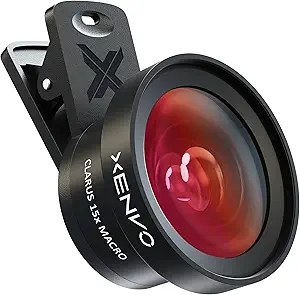 | Best for Mobile Landscape Photographers and Content Creators | Compatibility: All smartphones, tablets, laptops | Wide Angle Lens: 0.45x | Macro Lens: 15x | VIEW ON AMAZON | See Our Full Breakdown |
| Canon EF-S 10-18mm f/4.5-5.6 IS STM Lens |  | Best Budget Wide-Angle Zoom for Canon APS-C Users | Focal Length: 10-18mm | Maximum Aperture: f/4.5-5.6 | Closest Focusing Distance: 0.72 feet / 0.22 meters | VIEW ON AMAZON | See Our Full Breakdown |
| 10-18mm F2.8 DC DN Lens for Sony E Mount |  | Best for Compact, Low-Light Landscape Shooting | Focal Length: 10-18mm | Maximum Aperture: f/2.8 | Minimum Aperture: f/22 | VIEW ON AMAZON | See Our Full Breakdown |
| wide angle lenses for landscape pro | Focal Length | Maximum Aperture | Compatibility |
|---|---|---|---|
| Canon RF 14-35mm F4 L IS USM L | 14-35mm | f/4 | EOS R series |
| Altura Photo 58mm Wide Angle L | — | — | Canon Rebel T7, T6, EOS series and others with 58mm thread |
| OM SYSTEM Olympus Zuiko 7-14mm | 7-14mm (14-28mm equivalent) | f/4.0 | — |
| Xenvo Pro Lens Kit for iPhone | — | — | All smartphones, tablets, laptops |
| Canon EF-S 10-18mm f/4.5-5.6 I | 10-18mm | f/4.5-5.6 | — |
| 10-18mm F2.8 DC DN Lens for So | 10-18mm | f/2.8 | — |
More Details on Our Top Picks
Canon RF 14-35mm F4 L IS USM Lens for EOS R Series Cameras
This lens offers an outstanding balance of versatility and quality, making it the top choice for landscape photographers who want a reliable zoom. Its wide 14-35mm range covers most scenic compositions, and the constant f/4 aperture ensures consistent exposure across focal lengths. Compared with the Altura Photo 58mm Wide Angle attachment, this lens provides true zoom flexibility rather than a fixed wide view, though it comes with a higher price tag and increased weight. Its compact design and high-quality L-series optics mean it’s suited for serious professionals who value sharpness and durability. The main tradeoff involves the premium cost, which might be prohibitive for casual shooters.
Pros:- Wide 14-35mm zoom range covers most landscapes and architecture
- Constant f/4 aperture for consistent exposure
- High-quality L-series optics ensure sharp images
- Compact and lightweight design for travel
Cons:- Premium price may be too high for hobbyists
- Relatively heavy for extended handheld use
- No built-in image stabilization
Best for: Pro landscape shooters using EOS R series cameras who need a versatile, high-quality wide zoom.
Not ideal for: Beginners or casual photographers who prefer affordable, lightweight options without zoom flexibility.
- Focal Length:14-35mm
- Maximum Aperture:f/4
- Weight:1.2 lbs
- Close Focusing Distance:7.9 inches
- Maximum Magnification:0.38x
- Compatibility:EOS R series
Our verdict“This lens makes the most sense for professional landscape photographers seeking a versatile, high-performance zoom with excellent optics.”
Altura Photo 58mm Wide Angle Lens with Macro for Canon Rebel T7, T6, EOS
This attachment provides an affordable way to expand your camera’s wide-angle capabilities, especially for those with existing 58mm lenses. Its main advantage over fixed wide lenses is its versatility—simply attach it to your existing lens to gain a broader field of view, and use the detachable macro for detailed close-ups. However, compatibility is limited to 58mm lens threads, which means you need to verify your camera’s lens size beforehand. Compared with the Canon EF-S 10-18mm zoom lens, this option is less versatile for consistent wide-angle shooting but offers a cost-effective upgrade for photographers who already own suitable lenses. The tradeoff involves added setup complexity and limited compatibility.
Pros:- Affordable way to expand field of view
- Includes a detachable macro lens for high-res close-ups
- Compatible with multiple camera brands and models
- Easy to carry and install
Cons:- Limited to 58mm lens threads, reducing flexibility
- Requires verification of lens size before purchase
- Fixed attachment, less versatile than zoom lenses
Best for: Amateur landscape enthusiasts with 58mm lenses seeking an inexpensive upgrade for wide-angle shots and macro photography.
Not ideal for: Those without compatible lenses or photographers who want a dedicated, all-in-one wide-angle lens for consistent use.
- Lens attachment type:Wide-angle with macro
- Compatible lens size:58mm
- Includes:Detachable macro lens
- Compatibility:Canon Rebel T7, T6, EOS series and others with 58mm thread
Our verdict“This attachment is best for budget-conscious photographers with compatible lenses who want occasional wide-angle and macro capabilities.”
OM SYSTEM Olympus Zuiko 7-14mm f/4.0 Aspherical Super ED Lens for Olympus Digital SLR Cameras
This lens excels in delivering ultra-wide perspectives with superb image quality, especially suited for landscape and architecture work in challenging conditions. Its splash and dustproof build adds durability where others might falter, such as in outdoor environments. The multiple ED elements effectively reduce chromatic aberration, ensuring sharpness across the frame—comparable to the high-end optics of the Canon RF 14-35mm. The manual focus clutch offers precise control, though it may be a drawback for those used to autofocus. The main tradeoff is its weight and higher price point, which may deter casual users. It’s best suited for pros who need ruggedness and top-tier optical performance.
Pros:- Ultra-wide 7-14mm focal length ideal for expansive landscapes
- Splash and dustproof construction for outdoor durability
- Multiple ED elements reduce chromatic aberration
- Manual focus clutch for precise control
Cons:- Manual focus only, not suitable for fast-paced shooting
- Heavier than smaller lenses, less portable
- Higher price point compared to standard zooms
Best for: Landscape and architecture photographers who shoot in tough conditions and prefer manual focus control.
Not ideal for: Beginners or those who prioritize autofocus for quick shots, as the lens lacks autofocus capability.
- Focal Length:7-14mm (14-28mm equivalent)
- Maximum Aperture:f/4.0
- Lens Elements:3 Super ED, 1 ED, 2 to diminish aberrations
- Closest Focusing Distance:Just under 7.5 cm
- Weight:Approximately 60% of a 35mm lens
Our verdict“This lens is perfect for rugged outdoor landscape photographers who value optical quality and manual focus control over autofocus convenience.”
Xenvo Pro Lens Kit for iPhone and Android, Macro and Wide Angle Lens with LED Light and Travel Case
This kit transforms your smartphone into a capable landscape tool, offering a 0.45x wide-angle lens that broadens your frame much like dedicated camera lenses. The inclusion of a 15x macro lens makes it versatile for capturing detailed close-ups, while the built-in LED light enhances shots in low-light conditions. Compared to traditional camera lenses like the Canon EF-S 10-18mm, this setup sacrifices some optical quality for portability and convenience, but it’s ideal for quick, on-the-go shooting. The manual positioning for macro shots can be tricky, and it’s less weather-resistant than dedicated gear. Still, for mobile landscape shooters, this kit offers impressive value and flexibility.
Pros:- Compatible with all smartphones, tablets, and laptops
- Includes both wide-angle and macro lenses for versatility
- LED light improves low-light and macro shots
- Durable, aircraft-grade aluminum construction
Cons:- Macro lens requires close proximity to subjects, which can be limiting
- Optical quality not on par with dedicated camera lenses
- Requires manual adjustment and positioning for macro photography
Best for: Travelers and social media content creators who want portable, versatile landscape capabilities on their smartphones.
Not ideal for: Professional photographers seeking maximum optical quality, or those shooting in harsh weather without added protection.
- Compatibility:All smartphones, tablets, laptops
- Wide Angle Lens:0.45x
- Macro Lens:15x
- LED Light:Rechargeable, 3 brightness settings
- Materials:Aircraft-grade aluminum
Our verdict“This kit is a smart choice for mobile landscape enthusiasts and content creators seeking portability and multi-functionality without the bulk of traditional lenses.”
Canon EF-S 10-18mm f/4.5-5.6 IS STM Lens
This lens offers an excellent entry point for landscape photographers using Canon APS-C cameras, combining affordability with decent optical quality. The 10-18mm focal length provides a true ultra-wide perspective, comparable to the Canon RF 14-35mm in scope but at a fraction of the cost. Its optical image stabilization helps maintain sharpness during handheld shots, and the quiet STM autofocus makes it suitable for videography. However, its maximum aperture of f/4.5-5.6 limits low-light performance, especially in darker conditions, and it lacks weather sealing, which reduces its durability outdoors. Compared to the Canon RF 14-35mm, this lens is less versatile but more budget-friendly and lighter, making it a good choice for hobbyists.
Pros:- Affordable ultra-wide zoom for Canon APS-C cameras
- Optical image stabilization for sharper handheld shots
- Compact and lightweight design
- Quiet autofocus system suitable for video
Cons:- Limited maximum aperture impacts low-light shooting
- No weather sealing for outdoor use in adverse conditions
- Maximum focal length of 18mm is less versatile than higher-end zooms
Best for: Beginner to intermediate landscape shooters with Canon APS-C cameras on a budget who want a wide-angle lens for scenic shots.
Not ideal for: Photographers needing low-light performance or shooting in harsh weather, as the lens lacks weather sealing and has a narrower aperture.
- Focal Length:10-18mm
- Maximum Aperture:f/4.5-5.6
- Closest Focusing Distance:0.72 feet / 0.22 meters
- Drive System:Stepping motor (STM)
- Optical Image Stabilizer:Yes
Our verdict“This lens is an excellent budget-friendly option for beginners and hobbyists looking to capture wide landscapes on Canon APS-C cameras.”
10-18mm F2.8 DC DN Lens for Sony E Mount
This lens stands out for its combination of a bright f/2.8 aperture and a versatile 10-18mm zoom range, making it ideal for capturing expansive landscapes in varied lighting conditions. Compared with the Canon RF 14-35mm F4, it offers a larger aperture, which significantly benefits low-light scenarios and depth of field control, though it sacrifices some zoom versatility since it’s a fixed zoom range. Its compact, lightweight design enhances portability for travel and outdoor use, while its in-built image stabilization aids handheld shooting on uneven terrains. However, it’s limited to APS-C sensors, meaning full-frame users will need a different lens, and the fixed focal length can restrict framing options for those seeking more flexibility. This pick makes the most sense for landscape photographers who prioritize image quality in a portable package and shoot primarily with Sony APS-C bodies.
Pros:- Bright f/2.8 aperture enhances low-light performance
- Compact and lightweight for easy portability
- Wide-angle zoom ideal for expansive landscapes
- Good image stabilization for handheld shots
Cons:- Limited to APS-C sensor cameras, not compatible with full-frame Sony models
- Fixed focal range may restrict framing versatility for some users
Best for: Photographers using Sony APS-C cameras who need a fast, travel-ready lens for landscape and outdoor photography.
Not ideal for: Full-frame shooters or those needing a lens with greater zoom flexibility for diverse compositions.
- Focal Length:10-18mm
- Maximum Aperture:f/2.8
- Minimum Aperture:f/22
- Lens Design:Prime
- Zoom Ratio:1.8x
- Image Stabilization:Yes
- Lens Mount:Sony E
- Filter Size:6.7 centimeters
- Number of Diaphragm Blades:7
Our verdict“This lens is best suited for Sony APS-C landscape photographers valuing portability and bright optics over zoom flexibility.”

How We Picked
These lenses were selected based on a combination of performance, build quality, versatility, and value specifically for landscape photography. We prioritized optical clarity across wide angles, durability for outdoor use, and compatibility with popular camera systems. Price was considered, but lenses offering a noticeable performance advantage at a higher cost were also included. The ranking reflects a balance between professional-grade features and accessibility for serious amateurs, ensuring each lens serves a distinct user need or budget range.| wide angle lenses for landscape pro | Maximum Aperture | Compatibility |
|---|---|---|
| Canon RF 14-35mm F4 L IS USM L | f/4 | EOS R series |
| Altura Photo 58mm Wide Angle L | — | Canon Rebel T7, T6, EOS series and others with 58mm thread |
| OM SYSTEM Olympus Zuiko 7-14mm | f/4.0 | — |
| Xenvo Pro Lens Kit for iPhone | — | All smartphones, tablets, laptops |
| Canon EF-S 10-18mm f/4.5-5.6 I | f/4.5-5.6 | — |
| 10-18mm F2.8 DC DN Lens for So | f/2.8 | — |
Factors to Consider When Choosing Wide Angle Lenses For Landscape Pros
Choosing a wide angle lens for landscape work involves weighing several factors beyond basic specifications. Understanding how focal length, aperture, and system compatibility influence your results can help you avoid common pitfalls and make smarter investments. The right lens should enhance your creative control while fitting your workflow and budget. Here are key considerations to keep in mind when selecting a wide angle lens for landscape photography:Focal Length and Field of View
Focal length determines how much of the scene you can capture and how exaggerated perspective appears. Typically, landscape pros prefer lenses in the 10-24mm range for full-frame cameras, which provide expansive views that convey grandeur. However, ultra-wide lenses (below 14mm) can introduce distortion, which may be desirable for creative effects but problematic for straightforward landscape shots. Consider your typical subjects and whether you prefer a broader perspective or more natural proportions.
Aperture and Low-Light Performance
A wider maximum aperture (like f/2.8 or wider) allows more light, enabling sharper images in low-light conditions such as dawn or dusk. However, many landscape lenses have narrower apertures (f/4 or f/5.6) to keep costs down, which may require longer exposures or higher ISO settings. If you often shoot in challenging lighting, prioritize lenses with larger apertures, but be aware that these tend to be more expensive and heavier.
Compatibility and System Ecosystem
Ensure the lens is compatible with your camera body, whether it’s Canon, Sony, Olympus, or others. Native lenses typically offer better autofocus, stabilization, and overall performance. Using adapters can extend compatibility but may introduce issues like reduced autofocus speed or stability. Choosing a lens designed for your system minimizes frustration and ensures you get the most out of your gear.
Build Quality and Weather Resistance
Landscape photography often involves outdoor conditions—dust, rain, and rough handling. Investing in weather-sealed lenses can save you from damage and ensure consistent performance. Cheaper lenses may lack this feature, making them less suitable for rugged environments. Consider the typical conditions of your shoots when evaluating build quality.
Price and Value
While high-end lenses deliver superior optical quality and durability, they come at a premium. Budget options can be tempting but may compromise sharpness, distortion control, or build quality. Balance your budget with your quality expectations; sometimes, investing in a slightly more expensive lens provides significant long-term benefits, especially for professional landscapes where detail and reliability matter.
Frequently Asked Questions
Is a faster aperture necessary for landscape photography?
Not necessarily. Most landscape photographers prioritize sharpness and wide field of view over a fast aperture, often shooting at smaller apertures like f/8 or f/11 for maximum detail. However, if you frequently shoot in low-light situations or want to create background blur for artistic effect, a lens with a wider aperture can be beneficial. Keep in mind that lenses with larger apertures tend to be heavier and more expensive.
Can I use a regular wide angle lens for astrophotography landscapes?
While many wide angle lenses work well for general landscape shots, astrophotography benefits from lenses with wider apertures (like f/2.8 or faster) to gather more light from the night sky. Additionally, minimal distortion and good coma correction are desirable. If astrophotography is a priority, look for lenses specifically rated for night shooting, but many standard wide angles can still produce impressive results with proper technique.
How important is image stabilization in landscape lenses?
Image stabilization can be helpful, especially when shooting handheld in low light or at slower shutter speeds. However, for most landscape work, a sturdy tripod reduces the need for stabilization. If you shoot a lot in conditions where a tripod isn’t practical, then a lens with stabilization can provide extra flexibility. Balance this feature against cost and weight to decide if it’s worth it for your style.
Should I choose a zoom or prime wide angle lens for landscapes?
Zoom lenses offer flexibility to frame compositions quickly, which is useful for dynamic or changing scenes. Prime lenses often deliver sharper images and better optical quality but lack versatility. For landscape pros who prefer maximum image quality and are willing to carry multiple lenses, primes in the wide angle range are excellent. Conversely, if convenience and speed matter more, a good zoom can be a better fit.
Is it worth investing in a specialty ultra-wide lens over a standard wide angle?
Specialty ultra-wide lenses (below 14mm) can create dramatic perspectives and unique effects, ideal for expansive landscapes or creative shots. However, they often come with increased distortion and higher costs. For most landscape pros, a high-quality 14-24mm lens strikes a good balance between field of view and practical usability. Reserve ultra-wide lenses for specific projects where their distinctive perspective adds value.
Conclusion
For the best overall performance, the Canon RF 14-35mm F4 L IS USM makes sense for serious landscape photographers who need versatility and top-notch image quality. Budget-conscious shooters should consider the Canon EF-S 10-18mm for excellent value, while Olympus users will benefit from the Zuiko 7-14mm tailored to their system. Beginners or casual shooters might find mobile solutions like the Xenvo kit sufficient, but those seeking professional results should prioritize lenses with wider apertures and better build quality. Ultimately, your choice depends on your camera system, shooting style, and how much you’re willing to invest in capturing the grandeur of landscapes.Halloween Picks
halloween
As an affiliate, we earn on qualifying purchases.