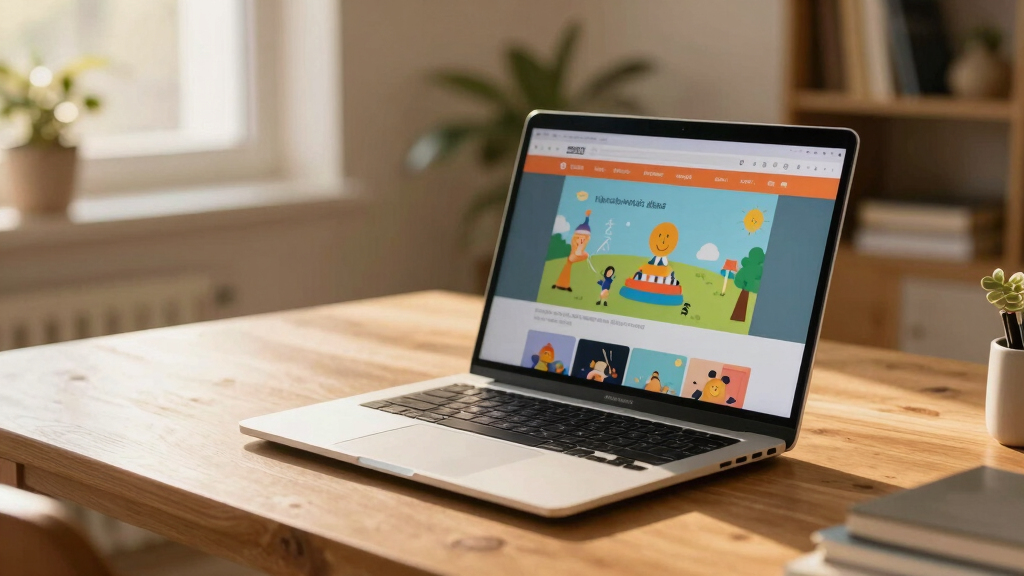

Finding the best laptop for teens in shared custody homes involves balancing affordability, portability, and performance. The HP Laptop 2026 Student Business with Copilot AI stands out as the top overall choice thanks to its powerful features and versatility. For those prioritizing budget, the HP 14″ HD Chromebook Laptop offers a solid web-centric experience, while the HP Stream 14 Inch Laptop provides a lightweight, beginner-friendly option. The main tradeoffs in this category revolve around balancing durability, usability, and price. Keep reading for a detailed breakdown to find the best fit for your teen’s specific situation.

Get gifts for the two of you delivered free with Prime
- Fast, free delivery on millions of items
- Prime Video, Amazon Music and more included
- Member-only deals all year
Key Takeaways
- The top-ranked laptops combine portability with enough power for school and entertainment tasks.
- Chromebooks remain a strong budget-friendly choice but may lack full desktop software compatibility.
- More premium models offer better build quality and longer battery life, but at a higher cost.
- Lightweight and compact designs are preferred for shared custody situations to reduce risk of damage or loss.
- RAM and storage are key factors; 8GB RAM is ideal for multitasking, while 128GB storage balances space and cost.


| laptop for teens in shared custody home | Processor | Storage | Display | RAM |
|---|---|---|---|---|
| HP Laptop 2026 Student Busines | Intel N150, 4 cores, up to 3.6GHz | 128GB UFS | 14-inch HD (1366 x 768) anti-glare | 4GB LPDDR5-4800 |
| HP 14" HD Chromebook Laptop fo | Intel Celeron N4120, 4 cores, 1.1GHz base | 64GB eMMC | 14-inch HD (1366 x 768), anti-glare | — |
| HP 14" Laptop 2026 Edition | Intel N150 | 128GB UFS | 14-inch HD (1366 x 768) anti-glare | 4GB DDR4 |
| HP Stream 14 Inch Laptop for S | Intel Celeron N150 | 128GB UFS | 14 inches | 8GB |
| 15.6 Inch Laptop with 12GB RAM | Pentium Gold 6500Y, up to 3.4GHz | 128GB SSD | 15.6 Inch FHD IPS | 12GB |
| HP 14" Ultra-Light Laptop for | Intel Celeron N4500 | 128GB (64GB eMMC + 64GB SD Card) | 14-inch micro-edge, anti-glare, 62.5% sRGB | 4GB DDR4 |
More Details on Our Top Picks
HP Laptop 2026 Student Business with Copilot AI, Office 365, 128GB UFS, Intel CPU
This HP Laptop 2026 stands out for its blend of portability, productivity features, and modern connectivity. Its lightweight design and long battery life make it perfect for teens who switch between shared homes without worrying about lugging a heavy device. Compared to the HP 14″ HD Chromebook, it offers a more robust Windows environment and pre-installed Office 365, making it better suited for schoolwork and multitasking. However, with only 4GB RAM and limited storage, it may struggle with demanding applications or large media files. The basic HD display is less sharp than higher-resolution screens but keeps costs manageable. This pick makes the most sense for teens needing a reliable, all-day device that can handle both work and entertainment.
Pros:- Lightweight and portable, ideal for switching homes
- Long battery life of up to 11 hours supports all-day use
- Modern connectivity including Wi-Fi 6 and USB-C for versatility
- Pre-installed Office 365 for immediate productivity
Cons:- Limited storage at 128GB may require external solutions
- Only 4GB RAM can hinder multitasking with heavier apps
- Display resolution is basic, not suited for high-res media
Best for: Teens who need a portable, Windows-based device with productivity tools and decent battery life.
Not ideal for: Teens planning to store large files or run intensive software, due to limited storage and RAM.
- Processor:Intel N150, 4 cores, up to 3.6GHz
- RAM:4GB LPDDR5-4800
- Storage:128GB UFS
- Display:14-inch HD (1366 x 768) anti-glare
- Battery Life:Up to 11 hours
- Weight:3.24 lbs
Our verdict“This laptop is best for teens who prioritize portability and productivity over storage and high-resolution display.”
HP 14″ HD Chromebook Laptop for Students, Intel Quad-Core N4120, 4GB RAM, 64GB eMMC, WiFi, Webcam, HDMI, USB-A & C, 14-Hour Battery Life
This Chromebook is designed for students who need a simple, lightweight device, making it ideal for remote learning and casual browsing. Its impressive 14-hour battery life surpasses the HP Laptop 2026, ensuring all-day use even without charging. Compared to the HP 14″ Laptop 2026 Edition, the Chromebook’s Chrome OS offers a more streamlined experience for web-based schoolwork but limits compatibility with Windows-specific apps. Its 64GB storage might be restrictive for storing media locally, yet cloud storage mitigates that concern somewhat. The HD display is sufficient for basic tasks but won’t satisfy high-resolution media needs. This pick suits teens who primarily use web apps and need all-day portability.
Pros:- Extremely long battery life of up to 14 hours
- Lightweight and highly portable
- Seamless Chrome OS integration for web and Android apps
- Affordable price point
Cons:- Limited local storage at 64GB eMMC
- Processor may be underpowered for demanding multitasking
- HD display not suitable for high-res media
Best for: Teens focused on web-based learning, needing long battery life and lightweight design.
Not ideal for: Teens requiring Windows-specific software or large local media libraries, due to limited storage and OS restrictions.
- Processor:Intel Celeron N4120, 4 cores, 1.1GHz base
- Graphics:Intel UHD Graphics 600
- Display:14-inch HD (1366 x 768), anti-glare
- Memory:4GB LPDDR4x
- Storage:64GB eMMC
- Battery Life:Up to 14 hours
Our verdict“This Chromebook is best for teens who prioritize battery life and simplicity for web-focused tasks.”
HP 14″ Laptop 2026 Edition, Intel Processor, 4GB RAM, 128GB Storage
This HP 14″ Laptop 2026 Edition offers a balanced mix of performance and portability for teens engaged in schoolwork and media streaming. Its familiarity with Windows 11 Home and inclusion of a Microsoft Office 365 subscription make it a solid choice for students who need reliable multitasking. Compared to the more basic HP Laptop 2026 with Copilot AI, this model provides a slightly more traditional Windows experience, though it shares similar performance limitations due to only 4GB RAM and basic HD display. While it’s capable of handling daily tasks, heavy multitasking or media editing might slow it down. This device works well for teens who want a dependable Windows machine for general use.
Pros:- Reliable performance for everyday tasks
- Includes Microsoft Office 365 subscription
- Lightweight and portable for easy transport
- Fast wireless connectivity with Wi-Fi 6
Cons:- Limited 128GB storage might require external drives
- 4GB RAM may hinder heavy multitasking
- HD display not suited for high-resolution needs
Best for: Teens needing a Windows-based laptop for school assignments, streaming, and light multitasking.
Not ideal for: Teens planning to do intensive media editing or large storage projects, due to limited RAM and storage.
- Processor:Intel N150
- RAM:4GB DDR4
- Storage:128GB UFS
- Display:14-inch HD (1366 x 768) anti-glare
- Operating System:Windows 11 Home
- Webcam:HD webcam with microphone
Our verdict“This laptop is best for teens seeking a dependable Windows device for daily school and media use without heavy multitasking demands.”
HP Stream 14 Inch Laptop for Students, Windows 11 S, 8GB RAM, 128GB UFS, Intel Celeron N150, 720p Webcam, Rose Gold
This HP Stream combines a stylish design with higher RAM for improved multitasking, making it suitable for teens juggling multiple apps and school projects. Its 8GB RAM clearly outperforms the previous models, like the HP 14″ Edition, especially when running several programs simultaneously. The Windows 11 S mode offers a more secure environment but limits app choices unless upgraded, which could be a hurdle for some users. The 720p webcam is functional but not ideal for high-quality video calls. Its military-grade drop resistance makes it a durable option for shared custody homes where devices might be handled roughly. This pick is best for active teens who need a reliable, speedy device that withstands daily wear and tear.
Pros:- 8GB RAM enhances multitasking capabilities
- Durable, military-grade drop resistance
- Fast boot times with Windows 11 S mode
- Pre-installed Office 365 and AI features
Cons:- Limited storage at 128GB may be restrictive
- Webcam resolution is only 720p, not ideal for high-quality video
- Windows 11 S mode limits app flexibility unless upgraded
Best for: Teens who need a durable, fast, and stylish laptop for multitasking and learning on the go.
Not ideal for: Teens who want full Windows flexibility or require high-resolution webcam quality for professional video calls.
- Display:14 inches
- Processor:Intel Celeron N150
- RAM:8GB
- Storage:128GB UFS
- Webcam:720p
- Operating System:Windows 11 S
Our verdict“This laptop is best for active teens who need a durable, fast device with good multitasking and security features.”
15.6 Inch Laptop with 12GB RAM, Intel Pentium Gold 6500Y, 128GB SSD, FHD IPS Screen, Lightweight for Student and Home Use
This 15.6-inch laptop offers a generous display and substantial RAM, making it a good fit for teens who do a lot of multitasking or media consumption at home or shared spaces. The 12GB RAM significantly outperforms the other models, especially for running multiple tabs and apps simultaneously, but the Pentium Gold processor might lag behind higher-end options like the Intel N150 in demanding tasks. The FHD IPS screen enhances viewing comfort, which is a plus over smaller HD displays, but the limited 128GB SSD can be restrictive for storing large media files locally. Its lightweight design makes it easy to carry around, but the absence of a dedicated graphics card limits gaming or intensive creative work. This device suits teens who prioritize a larger display and multitasking but don’t need high-end graphics.
Pros:- Large 15.6-inch FHD IPS display enhances viewing experience
- 12GB RAM improves multitasking and responsiveness
- Lightweight and easy to carry
- Multiple ports for versatile connectivity
Cons:- Limited 128GB SSD storage for large files
- Pentium Gold processor may be less capable for demanding tasks
- No dedicated graphics card for gaming or creative work
Best for: Teens who want a larger screen for media and multitasking and are okay with moderate processing power.
Not ideal for: Teens needing high-performance gaming or large local media libraries, due to modest CPU and limited storage.
- Display:15.6 Inch FHD IPS
- Processor:Pentium Gold 6500Y, up to 3.4GHz
- RAM:12GB
- Storage:128GB SSD
- Weight:3.5 lbs
- Ports:Multiple USB, HDMI, SD Card Slot
Our verdict“This laptop is best for teens who want a bigger screen and faster multitasking without high-end gaming or creative demands.”
HP 14″ Ultra-Light Laptop for Students & Home with 1-Year Office 365, Intel Celeron N4500, 4GB RAM, 128GB Storage, Wi-Fi 6, Windows 11 Home in S, White
This HP 14″ ultra-light laptop stands out for its impressive battery life, offering up to 12 hours of use, which makes it an excellent choice for teens who need to switch between homes without frequent charging. Compared with the HP Stream, it provides a more versatile processor and better connectivity options, though the limited 4GB RAM may slow down multitasking with multiple apps open. Its compact, lightweight build ensures easy portability, especially for teens carrying it between shared homes. The inclusion of a one-year Microsoft 365 subscription adds value for schoolwork and creative projects. However, the processor is suited only for basic tasks, and the storage might fill quickly if many files are saved locally.
This pick makes the most sense for teens who prioritize all-day battery life and portability over heavy multitasking or advanced performance.
Pros:- Long battery life up to 12 hours ensures all-day use without recharging
- Ultra-lightweight and slim design for easy portability
- Includes a one-year Microsoft 365 subscription for productivity
- Fast Wi-Fi 6E connectivity supports reliable internet access
Cons:- Limited to 4GB RAM, which can hinder multitasking and running multiple apps smoothly
- 128GB storage may be insufficient for large files or extensive media libraries
- Processor is suitable only for basic tasks, limiting performance for demanding applications
Best for: Teens who need a lightweight, portable device with long battery life for basic school tasks and frequent movement between homes.
Not ideal for: Teens who require more robust multitasking capabilities or store large files locally, as the 4GB RAM and limited storage could become bottlenecks.
- Processor:Intel Celeron N4500
- RAM:4GB DDR4
- Storage:128GB (64GB eMMC + 64GB SD Card)
- Display:14-inch micro-edge, anti-glare, 62.5% sRGB
- Battery Life:Up to 12 hours
- Operating System:Windows 11 Home in S mode (can be switched out)
Our verdict“This laptop is ideal for teens who prioritize portability, long battery life, and basic functionality in shared custody environments.”
How We Picked
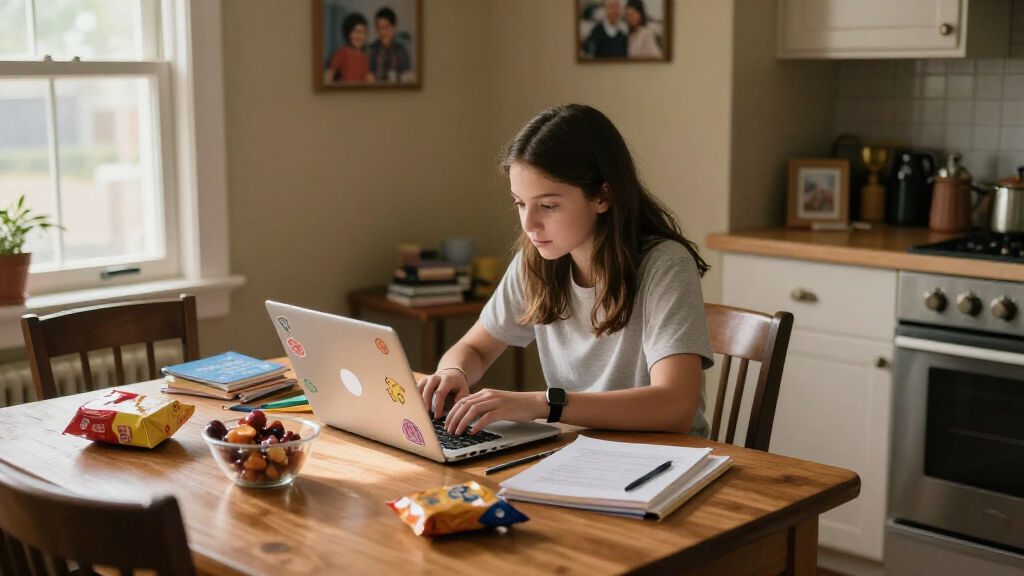
Our evaluation focused on essential factors like performance, durability, portability, and value. We prioritized laptops with sufficient processing power for school tasks, lightweight designs for ease of transport, and reliable battery life for use across different locations. Cost-effectiveness was also critical, especially for families managing multiple devices. We compared specifications, user reviews, and brand reputation to ensure each model delivers practical benefits for teens in shared custody homes. The ranking reflects a balance of affordability and features suited to the unique needs of this user group.| laptop for teens in shared custody home | Processor | Battery Life | Operating System |
|---|---|---|---|
| HP Laptop 2026 Student Busines | Intel N150, 4 cores, up to 3.6GHz | Up to 11 hours | — |
| HP 14" HD Chromebook Laptop fo | Intel Celeron N4120, 4 cores, 1.1GHz base | Up to 14 hours | — |
| HP 14" Laptop 2026 Edition | Intel N150 | — | Windows 11 Home |
| HP Stream 14 Inch Laptop for S | Intel Celeron N150 | — | Windows 11 S |
| 15.6 Inch Laptop with 12GB RAM | Pentium Gold 6500Y, up to 3.4GHz | — | — |
| HP 14" Ultra-Light Laptop for | Intel Celeron N4500 | Up to 12 hours | Windows 11 Home in S mode (can be switched out) |
Factors to Consider When Choosing Best Laptop For Teens In Shared Custody Homes
Choosing the best laptop for teens in shared custody homes requires careful consideration of several factors beyond basic specs. Durability and portability are paramount, as the device will often change hands and locations. Battery life can make or break daily usability, especially when charging options are limited. Compatibility with school tools and software should also influence your choice, whether you prefer Windows, Chrome OS, or a lightweight device. Finally, balancing cost with future-proof features ensures you get the best value for your investment.Durability and Build Quality
Teens in shared custody homes need a laptop that can withstand frequent handling and transport. Look for models with reinforced chassis, spill-resistant keyboards, and robust hinges. Cheaper, flimsy laptops may save money upfront but tend to break or malfunction quickly, leading to costly replacements. Investing in a slightly more durable device can save headaches and money in the long run, especially when the device will be shared among multiple users and environments.
Portability and Size
Lightweight and slim laptops are easier for teens to carry between homes or classrooms, reducing the risk of damage. 13-14 inch screens strike a good balance between screen space and portability, while larger screens may be tempting but less convenient for frequent transport. Consider a model that fits easily into backpacks or bags, and check its weight—anything under 3 pounds generally offers comfortable portability for daily use.
Battery Life
Long-lasting batteries are essential when charging options are unpredictable. Many models now offer 10–15 hours of use, which can get teens through a school day or extended periods away from power outlets. Beware of devices with shorter battery life, as they may require frequent recharging, adding inconvenience. Prioritize laptops with efficient processors and energy-saving features to maximize runtime.
Performance and Software Compatibility
For schoolwork, multitasking, and entertainment, a laptop with at least 4GB of RAM and a decent processor is necessary. If your teen’s coursework involves specific software, ensure compatibility—Chromebooks excel for web-based tasks but may lack support for certain programs. Windows laptops provide more versatility, but often at a higher price. Balance these considerations based on your teen’s academic needs and software preferences.
Cost and Future-Proofing
While budget-friendly options are tempting, they often come with tradeoffs like limited performance or shorter lifespan. Investing slightly more can extend the device’s usability, especially as software demands increase over time. Consider the total cost of ownership, including accessories and warranty options, to avoid frequent replacements. A well-chosen mid-range laptop can serve your teen well through multiple school years.
Frequently Asked Questions
Is a Chromebook enough for schoolwork in shared custody homes?
Chromebooks are a popular choice for students due to their affordability and simplicity, especially for web-based tasks and Google Classroom. However, they may fall short if your teen requires specialized software or needs to run full desktop applications. If their coursework is primarily cloud-based and they don’t need advanced software, a Chromebook can be a practical, budget-friendly option. For more complex needs, a Windows or lightweight laptop might be better suited.
How important is battery life for shared custody situations?
Battery life is extremely important in shared custody settings, where charging outlets might not always be accessible. A device with at least 10 hours of runtime ensures the teen can use it throughout a school day or extended periods without needing to recharge. Longer battery life reduces the risk of interruptions and makes the device more reliable across varied environments, which is key for busy or unpredictable schedules.
Should I prioritize a lightweight laptop over a more powerful one?
For shared custody homes, portability can often outweigh raw power, especially if the device needs to be carried frequently or transported between homes. A lightweight laptop reduces strain on the teen and minimizes the chance of damage during transit. However, ensure that the device still meets the performance requirements for school assignments. Striking a balance between weight and processing power is key.
Is it worth investing in a more expensive laptop for shared custody use?
Spending more upfront on a durable, longer-lasting device can be a smart move, especially if the laptop is shared among multiple users or subjected to rough handling. A higher-quality build may cost more initially but can save money over time by avoiding frequent repairs or replacements. Consider the device’s longevity, warranty options, and how well it fits your teen’s academic and mobility needs when weighing the investment.
What features should I look for to make the laptop suitable for multiple environments?
Look for a device with a durable chassis, good battery life, and sufficient performance to handle school tasks and entertainment. Features like Wi-Fi 6 ensure faster, more reliable internet connections, while a decent webcam and microphone support virtual classes. Portability is also crucial—choose a lightweight model with a compact design that’s easy to carry between homes or classrooms. These features help ensure the laptop remains useful regardless of the environment.
Conclusion
For families seeking the best overall balance of performance, durability, and price, the HP Laptop 2026 Student Business with Copilot AI makes an excellent choice, especially for teens who need a versatile device. The HP 14″ HD Chromebook offers unbeatable value for budget-conscious households, while the HP Stream 14 Inch Laptop caters to beginners or less demanding users. If durability and portability are priorities, a lightweight, robust model is advisable. For those willing to invest in a premium experience, higher-end options can provide longer lifespan and better features, suitable for older teens with advanced needs. Matching the device to your teen’s specific lifestyle and academic demands will ensure they get the most out of their investment.
Halloween Picks
halloween
As an affiliate, we earn on qualifying purchases.