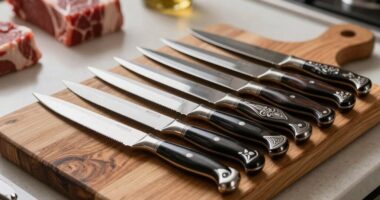
Searching for the best Japanese knife brands? The market offers a wide range of options, from high-end handcrafted blades to more affordable, reliable everyday knives. The top picks, like Shun and Tojiro, stand out for their craftsmanship and performance. However, tradeoffs such as cost versus durability or traditional versus modern designs are common. Continue reading for a detailed breakdown of the best brands to suit various needs and budgets.
Open a free Amazon Business account
Business pricing, bulk buying and tax-exempt orders.
Create a free accountAs an affiliate, we earn on qualifying purchases.
Key Takeaways
- High-end brands like Shun and Masamoto offer exceptional craftsmanship but come at premium prices.
- Tojiro provides a strong balance of quality and value, making it ideal for serious home cooks.
- Damascus and VG10 steel are common features that enhance durability and edge retention across top brands.
- Budget-friendly options like imarku still deliver decent performance but may sacrifice edge longevity.
- Brand reputation and manufacturing origin often correlate with the quality and traditional craftsmanship of Japanese knives.
| Shun Premier Blonde 5.5-inch Nakiri Knife |  | Best for Precision Vegetable Prep | Blade Length: 5.5 inches | Material: VG-MAX steel with 68 layers Damascus | Finish: Hammered tsuchime | VIEW ON AMAZON | See Our Full Breakdown |
| imarku Japanese Chef Knife – 8 Inch High-Carbon Stainless Steel Kitchen Knife |  | Best for Versatile Everyday Use | Blade Material: High-Carbon Stainless Steel | Blade Length: 8 inches | Hardness: HRC 56-58 | VIEW ON AMAZON | See Our Full Breakdown |
| HOSHANHO 7 Inch Nakiri Knife, Ultra Sharp Japanese Kitchen Chef Knife |  | Best for Precision and Multi-Tasking | Blade Length: 7 inches | Material: Japanese 10Cr15CoMoV high carbon stainless steel | Blade Hardness: 60 HRC | VIEW ON AMAZON | See Our Full Breakdown |
| Tojiro Japan Professional Chef Knife – 8.2″ (21cm) – Hand Made, VG10 Steel, Flagship Model |  | Best for Professional Precision and Durability | Blade Length: 8.2 inches | Steel Type: VG10 | Hardness: 60-62 HRC | VIEW ON AMAZON | See Our Full Breakdown |
| Tojiro Professional Santoku Knife 6.7″ (17cm) – Japan |  | Best for All-Around Versatility | Blade Material: Cobalt alloy steel with 13 chrome | Handle Material: Black laminated ECO wood | Blade Length: 6.7 inches | VIEW ON AMAZON | See Our Full Breakdown |
| MITSUMOTO SAKARI 8-Inch Japanese Gyuto Chef Knife, 3-Layer 9Cr18MoV |  | Best Overall for Traditional Japanese Craftsmanship | Blade Length: 8 inches | Material: 9Cr18MoV high carbon stainless steel | Construction: 3-layer San-Mai | VIEW ON AMAZON | See Our Full Breakdown |
| SHAN ZU 8-Inch Japanese Steel Damascus Chef Knife |  | Best for High Hardness and Rust Resistance | Blade Length: 8 inches | Blade Thickness: 2.2 mm | Handle Length: 5.3 inches | VIEW ON AMAZON | See Our Full Breakdown |
| Japanese Chef Knife, 8 Inch Damascus Kitchen Knife with VG10 Steel and Resin Wood Handle |  | Best for Balance of Sharpness and Comfort | Blade Length: 8 inches | Steel Core: VG-10 Steel | Layering: 67-layer Damascus | VIEW ON AMAZON | See Our Full Breakdown |
| Sunnecko 8 Inch Japanese Damascus Chef Knife – Ultra Sharp VG10 Steel |  | Best for Razor-Sharp Edges and Versatility | Material: 67-layer Damascus VG10 steel | Blade Length: 8 inches | Handle Material: ABS | VIEW ON AMAZON | See Our Full Breakdown |
| Shun Premier 8-Inch Chef’s Knife |  | Best for Classic Design and Fine Craftsmanship | Blade Length: 8 inches | Steel Type: VG-MAX steel with Damascus layers | Layers: 68 | VIEW ON AMAZON | See Our Full Breakdown |
| HOSHANHO 8-inch Japanese High Carbon Steel Chef’s Knife |  | Best Overall for Professional-Grade Precision | Blade Material: Japanese high carbon steel 10Cr15CoMoV | Blade Length: 8 inches | Hardness: 60 HRC | VIEW ON AMAZON | See Our Full Breakdown |
| imarku 7-Inch Santoku Knife with High Carbon Stainless Steel |  | Best Value for Versatile and Sharp Kitchen Work | Blade Length: 7 inches | Material: Japanese high carbon stainless steel | Blade Thickness: 2.5mm | VIEW ON AMAZON | See Our Full Breakdown |
| 8 Inch Damascus Chef Knife with VG10 Steel |  | Best Premium for Elegant Craftsmanship and Edge Retention | Blade Material: 67-layer Damascus steel with VG10 core | Blade Length: 8 inches | Hardness: 60±2 HRC | VIEW ON AMAZON | See Our Full Breakdown |
| japanese knife brand | Blade Length | Handle Material |
|---|---|---|
| Shun Premier Blonde 5.5-inch N | 5.5 inches | Pakkawood |
| imarku Japanese Chef Knife | 8 inches | Pakka wood (FSC-Certified) |
| HOSHANHO 7 Inch Nakiri Knife | 7 inches | Pakkawood |
| Tojiro Japan Professional Chef | 8.2 inches | Wood |
| Tojiro Professional Santoku Kn | 6.7 inches | Black laminated ECO wood |
| MITSUMOTO SAKARI 8-Inch Japane | 8 inches | Rosewood |
| SHAN ZU 8-Inch Japanese Steel | 8 inches | — |
| Japanese Chef Knife | 8 inches | Resin Wood |
| Sunnecko 8 Inch Japanese Damas | 8 inches | ABS |
| Shun Premier 8-Inch Chef’s Kni | 8 inches | Pakkawood |
| HOSHANHO 8-inch Japanese High | 8 inches | Wood |
| imarku 7-Inch Santoku Knife wi | 7 inches | Pakkawood |
| 8 Inch Damascus Chef Knife wit | 8 inches | Pakkawood |
More Details on Our Top Picks
Shun Premier Blonde 5.5-inch Nakiri Knife
The Shun Premier Blonde Nakiri stands out for its exceptional vegetable slicing ability, thanks to a high-quality VG-MAX steel core layered with 68 Damascus layers, creating a tough, sharp, and beautiful blade. The hammered tsuchime finish actively reduces food sticking, making repetitive cuts smoother—an advantage over simpler polished blades like the imarku Japanese Chef Knife. However, this craftsmanship comes with a premium price, and the 5.5-inch blade is limited strictly to vegetable prep, which might not suit cooks needing a multipurpose tool. The Pakkawood handle provides a comfortable grip for extended use, but requires careful maintenance to prevent moisture damage. Compared to larger, versatile knives, this Nakiri excels in precision vegetable work but isn’t designed for meat or larger tasks. This knife is ideal for dedicated vegetable chefs or home cooks focusing on vegetable dishes who value aesthetics and precision.
Pros:- Excellent for precise vegetable slicing with minimal sticking
- High-quality craftsmanship with durable VG-MAX steel and Damascus layers
- Beautiful hammered finish enhances aesthetics and reduces food adhesion
- Comfortable handle suitable for extended use
Cons:- Premium price may be prohibitive for casual cooks
- Limited to vegetable preparation due to blade design
- Requires careful handling to maintain sharpness and finish
Best for: Vegetable-focused chefs, home cooks who prioritize slicing accuracy, and those who appreciate handcrafted Japanese craftsmanship
Not ideal for: Cooks needing a versatile all-in-one knife or those who prefer a budget-friendly option, as this is specialized and costly
- Blade Length:5.5 inches
- Material:VG-MAX steel with 68 layers Damascus
- Finish:Hammered tsuchime
- Handle Material:Pakkawood
- Edge Angle:16 degrees
Our verdict“This Nakiri is best suited for home cooks or professionals who focus on vegetable prep and value artistry in their tools.”
imarku Japanese Chef Knife – 8 Inch High-Carbon Stainless Steel Kitchen Knife
The imarku Japanese Chef Knife offers a versatile 8-inch blade crafted from high-carbon stainless steel, balancing sharpness and durability. Its HRC 56-58 hardness provides a good edge retention compared to softer steels but isn’t as resilient as VG10 blades like the Tojiro VG10 Chef Knife. The ergonomic Pakka handle ensures comfort during extended chopping sessions, making it suitable for slicing, dicing, and meat prep—an advantage over more specialized knives like the HOSHANHO Nakiri. Still, the handle’s cleaning demands and the ongoing brand transition with logo variations might bother some users. While not as refined as handcrafted options, this knife offers excellent value for those looking for a reliable, multi-purpose kitchen tool. This pick makes the most sense for home cooks seeking a durable, all-around performer at a reasonable price.
Pros:- High-quality high-carbon stainless steel for sharpness and corrosion resistance
- Ergonomic handle reduces fatigue during extended cutting
- Versatile for a wide range of kitchen tasks
- Maintains sharpness well over time
Cons:- Handle may require careful cleaning to prevent damage
- Brand transition may cause variability in logo and packaging
- Not as refined as handcrafted Japanese knives
Best for: Home cooks needing a dependable, versatile knife for daily tasks without the expense of high-end handcrafted blades
Not ideal for: Professional chefs requiring specialized knives or those preferring handcrafted, artisanal craftsmanship, as this is more utilitarian
- Blade Material:High-Carbon Stainless Steel
- Blade Length:8 inches
- Hardness:HRC 56-58
- Handle Material:Pakka wood (FSC-Certified)
- Blade Composition:16-18% Chrome, 0.6-0.75% Carbon
Our verdict“This knife is ideal for home cooks who want a durable, versatile blade that balances performance and value.”
HOSHANHO 7 Inch Nakiri Knife, Ultra Sharp Japanese Kitchen Chef Knife
The HOSHANHO 7-inch Nakiri is a standout for its ultra-sharp edge crafted from Japanese 10Cr15CoMoV high carbon stainless steel, offering effortless slicing for vegetables, meat, and fruits. Its 60 HRC hardness ensures a sharp, durable edge, outperforming softer stainless blades like the imarku Chef Knife in edge retention. The ergonomic pakkawood handle provides comfort, though its maintenance is essential to prevent moisture damage—an important consideration compared to the more maintenance-free handles on some Western-style knives. The 7-inch size strikes a balance between precision and control, making it suitable for various kitchen tasks. However, the high carbon steel needs careful cleaning to avoid rust, and the handle’s weight may be less comfortable for some users. This knife is perfect for those who want a dedicated, ultra-sharp blade for detailed slicing and chopping.
Pros:- Ultra-sharp edge from high carbon stainless steel for effortless slicing
- Ergonomic handle provides comfort during extended use
- Versatile for vegetables, meat, and fruit
- Stylish design with scalloped non-stick side
Cons:- Handle may need maintenance to prevent moisture damage
- High carbon steel requires careful cleaning to avoid rust
- Limited to 7-inch size, which may not suit all tasks
Best for: Cooks who prioritize precision slicing, including vegetables and meats, and are comfortable maintaining high carbon steel tools
Not ideal for: Beginners or busy households looking for low-maintenance, all-purpose knives, as high carbon steel demands care
- Blade Length:7 inches
- Material:Japanese 10Cr15CoMoV high carbon stainless steel
- Blade Hardness:60 HRC
- Handle Material:Pakkawood
- Edge Angle:15 degrees
Our verdict“This Nakiri is best for users who need a precise, ultra-sharp blade for detailed slicing and are prepared for regular maintenance.”
Tojiro Japan Professional Chef Knife – 8.2″ (21cm) – Hand Made, VG10 Steel, Flagship Model
The Tojiro VG10 Chef Knife exemplifies traditional Japanese craftsmanship, combining hand-forged techniques with VG10 steel for exceptional durability and edge retention. Its 8.2-inch blade offers versatility, suitable for both home cooks and professionals, especially when compared to the more specialized Nakiris. The VG10 steel’s high hardness enables a sharper, longer-lasting edge, but this also means it requires careful handling to prevent chipping. Its handcrafted nature might involve more maintenance than factory-produced knives like the imarku Chef Knife. The lifetime warranty adds confidence for heavy daily use. While its price is higher, this knife offers a balance of performance, craftsmanship, and longevity, making it a quality upgrade from entry-level options. This is an excellent choice for serious cooks and professionals who value artisanal quality.
Pros:- Handcrafted craftsmanship ensures high precision and quality
- VG10 steel offers excellent durability and sharpness retention
- Lifetime warranty provides peace of mind
- Versatile for a wide range of kitchen tasks
Cons:- Premium price may be prohibitive for some users
- Handmade design requires careful maintenance
- High hardness can lead to chipping if mishandled
Best for: Professional chefs or serious home cooks seeking a durable, handcrafted Japanese knife with excellent edge retention
Not ideal for: Casual cooks or those on a tight budget, as this is an investment in quality and craftsmanship
- Blade Length:8.2 inches
- Steel Type:VG10
- Hardness:60-62 HRC
- Handle Material:Wood
- Warranty:Lifetime
Our verdict“This knife is perfect for professionals and serious enthusiasts who prioritize artisanal quality and long-term durability.”
Tojiro Professional Santoku Knife 6.7″ (17cm) – Japan
The Tojiro Santoku offers a balanced 6.7-inch blade made from cobalt alloy steel with 13 chrome stainless steel, combining stain resistance with good edge retention. Its black laminated ECO wood handle is both durable and comfortable, suitable for both left- and right-handed users—an advantage over more asymmetric handles. Compared to the Nakiri models, this Santoku provides a more versatile form factor, capable of handling vegetables, meat, and fish with ease. The handle’s weight might feel heavier than standard, and it requires proper maintenance to prevent corrosion. While it doesn’t match the handcrafted finesse of high-end models like the Tojiro VG10 Chef Knife, it offers a practical, no-fuss option for everyday use. This is a great choice for cooks who want a reliable all-purpose Japanese knife.
Pros:- High-quality cobalt alloy steel for durability and corrosion resistance
- Stain-resistant and easy to clean
- Ambidextrous design suitable for all users
- Balanced size for versatile kitchen tasks
Cons:- Handle may be heavier than some prefer
- Requires proper maintenance to prevent rust
- Less refined craftsmanship compared to high-end artisanal knives
Best for: Home cooks or semi-professionals seeking a versatile, stain-resistant knife for daily prep tasks
Not ideal for: Cooks needing a specialized or highly refined blade, as this is designed for broad utility rather than niche tasks
- Blade Material:Cobalt alloy steel with 13 chrome
- Handle Material:Black laminated ECO wood
- Blade Length:6.7 inches
- Stain Resistant:Yes
- Ambidextrous:Yes
Our verdict“This Santoku is best for those wanting a dependable, all-around Japanese knife that balances performance with ease of maintenance.”
MITSUMOTO SAKARI 8-Inch Japanese Gyuto Chef Knife, 3-Layer 9Cr18MoV
This knife stands out for its meticulous hand-forged construction and layered San-Mai design, offering a balance of sharpness, durability, and aesthetic appeal. Compared to the Shun Premier, it features a more traditional hammered texture that reduces food sticking, but the handle may require more maintenance to prevent cracking. The high-quality 9Cr18MoV core ensures edge retention, making it suitable for regular use by serious cooks. The rosewood handle provides a comfortable grip, though it needs occasional care to avoid cracking over time. This pick makes the most sense for skilled cooks who appreciate handcrafted Japanese knives and are comfortable with traditional maintenance routines.
Pros:- High-quality craftsmanship with layered San-Mai construction
- Balanced hardness and toughness for repeated use
- Comfortable rosewood handle for precise control
- Elegant hammered texture reduces food contact
Cons:- Handle may require ongoing maintenance to prevent cracking
- Limited suitability for users unfamiliar with traditional Japanese knives
Best for: Professional chefs or experienced home cooks seeking a durable, handcrafted Japanese knife with classic appeal
Not ideal for: Beginners or those preferring low-maintenance knives, as the handle needs upkeep and the craftsmanship demands familiarity with traditional techniques
- Blade Length:8 inches
- Material:9Cr18MoV high carbon stainless steel
- Construction:3-layer San-Mai
- Hardness:HRC 60±2
- Handle Material:Rosewood
- Includes:Sandalwood box
Our verdict“This knife is ideal for experienced cooks who want a durable, handcrafted Japanese blade that reflects traditional craftsmanship.”
SHAN ZU 8-Inch Japanese Steel Damascus Chef Knife
This model excels through its 67-layer Damascus steel with a 10Cr15Mov core, delivering exceptional durability and rust resistance, making it suitable for busy kitchens. Compared to the Sunnecko VG10, it offers a slightly lighter weight at 270 grams, which can reduce fatigue during extended use. Its high hardness ensures a razor-sharp edge that holds well, but this also means it requires meticulous care to prevent chipping or rusting. The ergonomic G10 handle adds comfort and grip security, especially for repetitive tasks like slicing and dicing. This pick makes the most sense for cooks who prioritize toughness, longevity, and corrosion resistance in a traditional-looking blade.
Pros:- High hardness and rust resistance for longevity
- Durable 67-layer Damascus steel construction
- Ergonomic G10 handle for comfort and control
- Good balance of weight and agility
Cons:- Heavy weight may cause fatigue over long periods
- Requires careful maintenance to prevent rust and chipping
Best for: Cooks needing a highly durable, rust-resistant knife suitable for daily professional or home use
Not ideal for: Users who prefer lightweight, low-maintenance knives or are new to sharpening and maintenance routines
- Blade Length:8 inches
- Blade Thickness:2.2 mm
- Handle Length:5.3 inches
- Cutting Angle:15°
- Steel Layers:67
- Steel Type:10Cr15Mov Damascus
Our verdict“This knife is best suited for those who need a robust, corrosion-resistant blade that can handle demanding kitchen tasks.”
Japanese Chef Knife, 8 Inch Damascus Kitchen Knife with VG10 Steel and Resin Wood Handle
This knife combines a VG-10 steel core with 67-layer Damascus layering, offering excellent edge retention and stain resistance. Unlike the Sunnecko VG10, it emphasizes a more ergonomic handle that provides better grip security and comfort for extended chopping sessions. The resin wood handle is low-maintenance but may lack the traditional feel some purists prefer. Its HRC rating of 62 ensures a sharp, durable edge, suitable for both professional chefs and dedicated home cooks. However, the higher price point and need for careful handling to preserve its sharpness mean this isn’t the best fit for casual users.
Pros:- Exceptional sharpness and stain resistance
- Elegant Damascus pattern and craftsmanship
- Ergonomic, slip-resistant handle for comfort
- Suitable for professional and home use
Cons:- Premium price may be prohibitive for some
- Requires careful handling to maintain optimal sharpness
Best for: Cooks looking for a well-balanced, sharp knife that’s easy to handle and maintain at home or in a professional kitchen
Not ideal for: Beginners or budget-conscious buyers who prefer simpler, lower-cost knives without the need for meticulous care
- Blade Length:8 inches
- Steel Core:VG-10 Steel
- Layering:67-layer Damascus
- Handle Material:Resin Wood
- HRC:62
Our verdict“This knife strikes a good balance between performance and comfort, ideal for serious cooks willing to invest in quality.”
Sunnecko 8 Inch Japanese Damascus Chef Knife – Ultra Sharp VG10 Steel
This knife features 67 layers of VG10 steel, delivering a razor-sharp edge and excellent corrosion resistance. Unlike the Shun Premier, it offers a full tang and a more aggressive edge angle of 10-12°, maximizing slicing precision. Its ergonomic ABS handle provides a secure grip, even when wet, making it suitable for a variety of tasks from meat carving to fine dicing. While its high-quality steel and full tang design boost durability, the premium price tag and the need for careful handling to preserve its edge may deter casual users. Its versatile design makes it a favorite for professionals and serious home chefs.
Pros:- Exceptional sharpness with a razor-edge blade
- Durable 67-layer Damascus VG10 steel
- Ergonomic handle for a secure grip
- Highly versatile for various culinary tasks
Cons:- Premium price may be high for some users
- Requires careful handling to maintain sharpness
Best for: Professional chefs or serious home cooks who prioritize razor-sharp edges and versatility in a single knife
Not ideal for: Casual users seeking a more affordable or low-maintenance option, as this demands careful handling and sharpening
- Material:67-layer Damascus VG10 steel
- Blade Length:8 inches
- Handle Material:ABS
- Full Tang:Yes
- Edge Angle:10-12°
- Corrosion Resistance:Yes
Our verdict“This knife offers professional-grade sharpness and versatility, perfect for cooks who demand high performance and precision.”
Shun Premier 8-Inch Chef’s Knife
The Shun Premier is distinguished by its VG-MAX steel core layered with 68 Damascus layers, offering an impressive combination of sharpness, durability, and aesthetic appeal. Its hammered tsuchime finish not only looks beautiful but also helps reduce drag and stickiness during slicing. Compared to the Sunnecko VG10, this model emphasizes a more handcrafted feel, though the price is higher, reflecting its artisanal quality. The Pakkawood handle provides a comfortable grip, but it may require more care to prevent cracking or warping over time. This knife makes the most sense for cooks who value the heritage, beauty, and precision of traditional Japanese craftsmanship.
Pros:- Exceptional sharpness and durability with VG-MAX steel
- Beautiful hammered tsuchime finish reduces food sticking
- Comfortable Pakkawood handle suitable for repeated use
- Artisanal craftsmanship with a traditional aesthetic
Cons:- Premium price may be prohibitive for some
- Handle requires care to maintain appearance
Best for: Cooks who appreciate artistic craftsmanship and want a versatile, high-performance kitchen knife
Not ideal for: Budget-conscious users or those seeking a low-maintenance, lightweight option
- Blade Length:8 inches
- Steel Type:VG-MAX steel with Damascus layers
- Layers:68
- Handle Material:Pakkawood
- Finish:Tsuchime hammered
Our verdict“This knife combines beauty and performance, making it perfect for serious cooks who value traditional Japanese artistry.”
HOSHANHO 8-inch Japanese High Carbon Steel Chef’s Knife
This HOSHANHO 8-inch chef’s knife stands out for its use of high-quality Japanese steel 10Cr15CoMoV, which delivers exceptional sharpness and durability that rival premium options like the VG10-based Damascus knife. Its ergonomic wooden handle ensures comfort during extended use, making it suitable for both home cooks and professionals who prioritize precision. Compared with the imarku 7-inch Santoku, this knife offers a longer blade and a more traditional chef’s profile, but the wooden handle may require more maintenance. Its high hardness of 60 HRC translates into a keen edge that resists dulling, though the higher price reflects these high-end materials. This pick makes the most sense for serious cooks who want a versatile, durable knife that combines style with function, but those seeking a low-maintenance option might prefer something with a synthetic handle.
Pros:- Exceptional sharpness and durability from Japanese high carbon steel 10Cr15CoMoV
- Ergonomic wooden handle for a comfortable grip
- Elegant matte blade finish adds a stylish touch
Cons:- Wooden handle may require regular maintenance and careful handling
- Potentially higher price due to premium materials
Best for: Professional chefs or dedicated home cooks who value high performance and steel quality in a versatile kitchen knife
Not ideal for: Casual users or those looking for a low-cost, low-maintenance knife, as the wooden handle requires careful upkeep
- Blade Material:Japanese high carbon steel 10Cr15CoMoV
- Blade Length:8 inches
- Hardness:60 HRC
- Handle Material:Wood
- Blade Finish:Matte
- Sharpening Angle:13 degrees per side
Our verdict“This knife is ideal for experienced cooks seeking a durable, high-performance chef’s blade with a classic aesthetic.”
imarku 7-Inch Santoku Knife with High Carbon Stainless Steel
The imarku 7-inch Santoku combines a high carbon stainless steel blade with an innovative hollow edge that reduces sticking, making it a reliable choice for everyday slicing, dicing, and mincing. Its Japanese steel ensures a sharp edge that maintains performance over time, similar to the more premium VG10 Damascus knife, but at a more accessible price point. The ergonomic Pakkawood handle provides a comfortable grip, though it can become slippery if wet—something to consider for busy kitchens. Its 15-18 degree bevel is suitable for precise cuts, but the limited 7-inch length might not handle larger tasks, unlike the 8-inch Damascus or HOSHANHO chef knife. Overall, this makes the most sense for home cooks or professionals needing a dependable, sharp santoku without the premium price or maintenance of high-end steels.
Pros:- Sharp, durable high carbon stainless steel blade
- Hollow edge design reduces sticking for cleaner cuts
- Ergonomic Pakkawood handle for comfort
Cons:- Handle may slip when wet, affecting safety
- Limited to 7 inches, restricting its use for larger ingredients
Best for: Home cooks or culinary students seeking a reliable, sharp, and affordable all-purpose knife
Not ideal for: Users who need a larger knife for heavy-duty tasks or prefer a full-tang handle for added robustness
- Blade Length:7 inches
- Material:Japanese high carbon stainless steel
- Blade Thickness:2.5mm
- Edge Angle:15-18 degrees per side
- Handle Material:Pakkawood
- Design:Hollow edge for reduced sticking
Our verdict“This santoku is a practical choice for everyday kitchen tasks, offering great value without sacrificing sharpness and style.”
8 Inch Damascus Chef Knife with VG10 Steel
The Damascus VG10 chef knife exemplifies craftsmanship with a 67-layer Damascus blade featuring a VG10 core, offering excellent edge retention and stain resistance. Its razor-sharp 10° edge makes it ideal for precise, clean cuts, surpassing the simpler high-carbon options in both beauty and performance. Compared to the HOSHANHO or imarku models, this knife provides a more luxurious aesthetic with its layered Damascus pattern and a balanced Pakkawood handle designed for comfort and control. The included ash wood sheath elevates its presentation and storage, making it a perfect gift for culinary enthusiasts. The main tradeoff is its premium price, which may be prohibitive for casual cooks, and the need for careful handling to maintain its sharpness and appearance. This knife suits serious hobbyists and professionals who demand both beauty and high performance.
Pros:- High-quality Damascus steel with VG10 core for durability and stain resistance
- Extremely sharp 10° edge for precise slicing
- Elegant layered Damascus pattern with a comfortable Pakkawood handle
Cons:- Premium price may be high for casual users
- Requires careful handling and maintenance to preserve sharpness and appearance
- Sheath may need occasional upkeep to prevent wood damage
Best for: Culinary enthusiasts and professionals seeking an heirloom-quality, high-performance kitchen knife
Not ideal for: Budget-conscious cooks or those seeking a low-maintenance, everyday-use knife, given its higher cost and care requirements
- Blade Material:67-layer Damascus steel with VG10 core
- Blade Length:8 inches
- Hardness:60±2 HRC
- Handle Material:Pakkawood
- Edge Angle:10°
- Sheath:Ash wood, freestanding
Our verdict“This knife offers a blend of artistry and function, perfect for those who want a show-stopping, high-performance chef’s blade as part of their collection.”

How We Picked
The selection process focused on performance, build quality, and value. We evaluated each brand based on blade material, craftsmanship, edge retention, and ease of maintenance. Usability in various kitchen tasks was also considered, along with price-to-performance ratios. Rankings reflect how well each brand balances these factors, prioritizing durability, cutting edge precision, and overall reliability for different user needs.Factors to Consider When Choosing Japanese Knife Brands
Choosing the right Japanese knife brand involves understanding key factors that influence performance, longevity, and value. Beyond just price or brand name, consider material quality, handle ergonomics, and steel type. Recognizing common pitfalls, such as opting for cheaper blades that may dull quickly, helps in making a smarter purchase. A well-chosen knife enhances your cooking experience and lasts for years, making it worth investing in the right brand from the start.Blade Material and Steel Quality
The steel composition directly impacts a knife’s sharpness, edge retention, and ease of sharpening. High-carbon steels like VG10 or 9Cr18MoV are popular for their durability and ability to hold a sharp edge longer. However, they may require more careful maintenance to prevent rust. Damascus layered steels combine aesthetic appeal with increased strength, but sometimes at a higher cost. Balancing steel quality with your willingness to care for the blade is key to choosing a suitable brand.
Craftsmanship and Manufacturing Origin
Japanese knives are renowned for their craftsmanship, often made by master artisans or in well-established factories. Traditional hand-forged blades tend to be more refined and durable, though they come at a premium. Factory-made knives might be more affordable and consistent but can lack the finesse of artisanal work. Knowing the origin — whether a renowned workshop or a large manufacturer — helps in assessing quality and price expectations.
Handle Design and Ergonomics
A comfortable, well-balanced handle enhances control and reduces fatigue during extended use. Wood handles offer traditional aesthetics but may require more upkeep, while resin or composite handles tend to be more durable and hygienic. The shape and weight distribution are also important; a poorly balanced knife can compromise precision and safety. Test or consider reviews on handle comfort, especially if you plan to use the knife frequently.
Price and Value
Investing in a Japanese knife is often a tradeoff between quality and price. Premium brands deliver superior craftsmanship and edge retention but can be costly, making them better suited for serious cooks or professionals. Budget options may lack longevity or precision but can be excellent for casual use or those new to high-quality knives. Aim for a balance that fits your budget while meeting your performance expectations.
Maintenance and Longevity
Japanese knives generally require more attentive upkeep, such as hand washing and proper sharpening, to maintain their edge and appearance. Some steels are more corrosion-resistant, reducing maintenance needs. Consider whether you are comfortable with regular honing or professional sharpening. Proper care greatly extends a knife’s lifespan, making initial quality and brand reputation important factors in long-term satisfaction.
Frequently Asked Questions
Should I choose a handmade Japanese knife over a factory-produced one?
Handmade Japanese knives often feature superior craftsmanship, finer blades, and more attention to detail, which can translate into better performance and durability. However, they also tend to be more expensive and may require more careful maintenance. Factory-produced knives can be more consistent in quality and more affordable, making them a practical choice for everyday use. The decision depends on your budget, how much value you place on craftsmanship, and your willingness to care for the knife.
Is VG10 steel the best choice for a home cook?
VG10 steel is highly regarded for its excellent edge retention, corrosion resistance, and ease of sharpening, making it an ideal choice for home cooks who want a reliable, long-lasting blade. While not necessarily the absolute best for professional chefs, VG10 strikes a good balance between performance and maintenance. Keep in mind that steel quality is just one factor; the overall blade geometry and handle comfort also matter in everyday use.
How important is the brand reputation when choosing a Japanese knife?
Brand reputation often reflects a history of quality and craftsmanship, especially with established names like Shun or Masamoto. Reputable brands generally maintain higher standards in materials and manufacturing, which can lead to better performance and longevity. However, lesser-known brands might still offer excellent quality for a lower price point. Balancing brand reputation with your specific needs and budget is key to making a suitable choice.
Can I use a Japanese knife for all types of kitchen tasks?
Japanese knives are versatile, with specific styles suited for different tasks—gyuto for general slicing, santoku for versatile prep, nakiri for vegetables. While many can handle a wide range of tasks, using a specialized knife for certain cuts often results in better outcomes. For example, a nakiri excels at vegetable chopping but isn’t ideal for meat. Choosing a set or a few key knives tailored to your typical cooking can improve efficiency and results.
What should I consider if I want a durable, low-maintenance Japanese knife?
Look for knives made from stainless steels like AUS-8 or VG10, which resist rust and require less upkeep. Handles made from resin or composite materials are also more durable and easier to clean. While high-carbon steels offer sharper edges, they demand more careful maintenance to prevent rust. Balancing durability, ease of care, and performance will help you find a Japanese knife that fits your lifestyle without sacrificing too much in cutting ability.
Conclusion
For those seeking the best overall experience, Shun Premier offers a blend of craftsmanship, performance, and aesthetic appeal. Budget-conscious cooks should consider imarku for reliable quality at a lower price. Serious enthusiasts and professionals will find value in Tojiro‘s balanced approach of quality and affordability. Beginners might prefer lighter, more forgiving knives like the Santoku options from reputable brands, while those with specific needs—such as vegetable prep—should look for specialty blades like nakiri. Understanding your priorities will help you select the perfect Japanese knife brand for your kitchen.
As an affiliate, we earn on qualifying purchases.NFL season / tailgating Picks
team gear